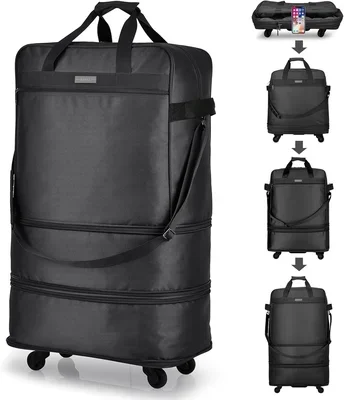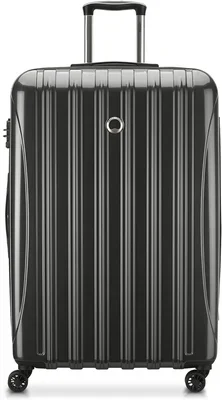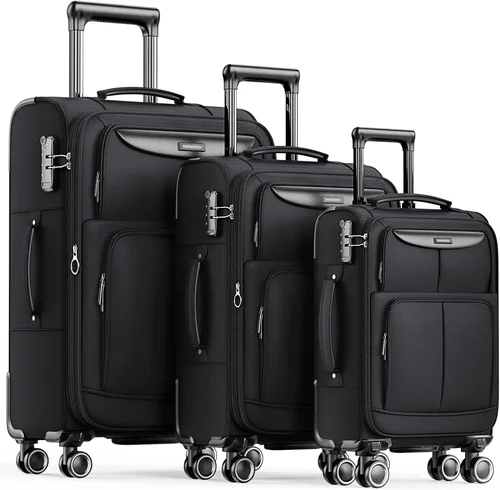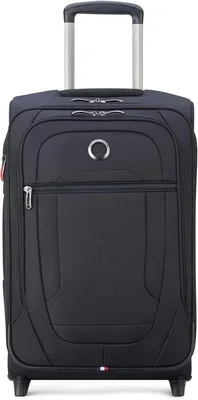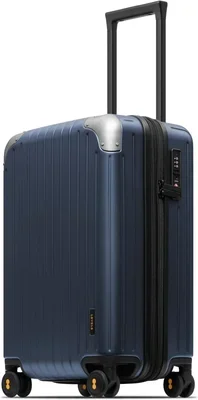
Choosing the right expandable hard case cabin luggage can feel like navigating a maze of specifications, brand promises, and price tags. Whether you are a frequent business traveler who needs a reliable companion for weekly flights, a weekend explorer who wants a little extra packing room, or a family planning a holiday with carry‑on restrictions, the right suitcase makes the journey smoother and protects your belongings. This guide is designed to cut through the marketing noise and give you a clear, step‑by‑step framework for evaluating every option on the market.
In the next sections you will learn which features truly matter — from shell material and wheel quality to expansion mechanisms and warranty coverage — and how to match those features to your travel style and budget. We will also compare the main categories of expandable hard‑case carry‑ons, highlight common buying pitfalls, break down realistic price tiers, and share insider tips for snagging the best deal. By the end of this article you will have the confidence to pick a suitcase that fits both the overhead bin and your lifestyle.

What to Look for When Buying Buying Guide
1. Shell Material and Construction
The shell is the first line of defense for your clothes, electronics, and souvenirs. Most expandable hard‑case cabin bags use one of three plastics: polycarbonate, ABS, or a polycarbonate/ABS blend. Polycarbonate is the gold standard — it flexes under impact rather than cracking, resists temperature extremes, and keeps weight low. ABS is cheaper but more brittle; a hard knock can leave a permanent dent. Blends try to balance cost and durability, but the ratio varies by brand. Look for a suitcase that advertises “100 % polycarbonate” or “polycarbonate composite” and check the thickness (usually 2–3 mm). A reinforced corner guard and a double‑wall construction add extra protection without adding much weight.
2. Expandability Mechanism and Capacity Gain
Expandable luggage typically adds 15–25 % extra volume via a zippered gusset that runs around the perimeter. The quality of that zipper determines whether the expansion stays secure during transit. YKK or SBS zippers with a double‑coil design are the most reliable. Some premium models use a “hidden” expansion that slides out from the frame rather than a visible zipper, which can be more water‑resistant. Measure the expanded dimensions against the airline’s maximum carry‑on size (often 22 × 14 × 9 in or 55 × 35 × 22 cm) to ensure you won’t be forced to check the bag at the gate.
3. Wheel System and Maneuverability
Four‑wheel spinner systems are now standard, but not all spinners are created equal. Look for wheels that are recessed into the shell (protecting them from curb impacts) and mounted on ball‑bearing axles. Larger diameter wheels (3.5–4 in) roll more smoothly over cobblestones and carpet. Test the bag by pushing it forward, backward, and sideways — it should glide with minimal effort and track straight without wobbling. Some brands offer “silent” wheels with rubberized treads that reduce noise on hard airport floors.
4. Handle Ergonomics and Telescoping Range
The telescopic handle should lock securely at multiple heights (typically three to four positions) to accommodate different user heights. A contoured grip with a soft‑touch coating reduces hand fatigue during long walks through terminals. The handle tubes should be made of aluminum or high‑grade steel; plastic tubes can bend under heavy loads. Check that the handle retracts fully into the case without catching on the interior lining.
5. Interior Organization and Compression
A well‑designed interior saves packing time and keeps items wrinkle‑free. Look for a full‑length divider with a zippered mesh pocket on one side and compression straps on the other. Some models add a removable wet/dry pocket, a dedicated laptop sleeve, or a garment folder. Compression straps that cinch down the contents prevent shifting and maximize the usable space, especially when the bag is expanded.
6. Locking System and Security Features
TSA‑approved combination locks are a must for international travel. Integrated locks built into the frame are more tamper‑resistant than aftermarket padlocks. Some premium cases feature a double‑locking zipper that secures both the main compartment and the expansion gusset with a single code. If you travel with valuables, consider a case with a built‑in cable lock that can be anchored to a fixed object in a hotel room.
7. Weight and Airline Compliance
Even a lightweight shell can become heavy once you add wheels, handles, and reinforcement. Aim for a tare weight under 7 lb (3.2 kg) for a 22‑inch carry‑on; this leaves ample allowance for your belongings while staying under most airlines’ 15–22 lb (7–10 kg) carry‑on weight limits. Verify the external dimensions (including wheels and handles) against the specific carriers you fly most often, as low‑cost airlines often enforce stricter size caps.
8. Warranty, Customer Support, and Repairability
A solid warranty signals confidence in build quality. Look for at least a 5‑year limited warranty covering shell cracks, wheel failure, and handle defects. Brands that offer “lifetime” warranties often require registration and may exclude cosmetic damage. Check whether the manufacturer sells replacement parts (wheels, handles, zipper pulls) — being able to swap a worn wheel extends the suitcase’s life dramatically and reduces waste.
Different Types of Buying Guide

Common Buying Mistakes to Avoid
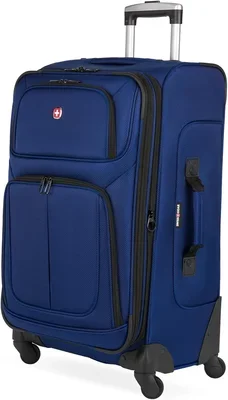
❌ Mistake: Ignoring Airline Size Limits
Why it’s bad: Many buyers assume “carry‑on” means universal dimensions. Low‑cost carriers in Europe, Asia, and the U.S. often enforce stricter limits (e.g., 21.5 × 15.5 × 9 in). A bag that fits a major airline may be rejected at the gate, forcing a checked‑bag fee.
What to do instead: Measure the exact external dimensions (including wheels and handles) of any model you consider and cross‑reference them with the airlines you fly most. Keep a printed cheat sheet in your travel wallet.
❌ Mistake: Choosing the Cheapest ABS Shell
Why it’s bad: ABS cracks under impact, especially in cold cargo holds. A cracked shell compromises water resistance and can expose contents to damage.
What to do instead: Invest in a 100 % polycarbonate or high‑grade composite shell. The modest price premium pays off in longevity and peace of mind.
❌ Mistake: Overlooking Wheel Quality
Why it’s bad: Cheap plastic wheels seize up after a few trips, making the bag drag instead of glide. This adds fatigue and can cause missed connections.
What to do instead: Test the spinner action in‑store or watch video reviews that show the bag on varied surfaces. Prioritize recessed, ball‑bearing wheels with rubberized treads.
❌ Mistake: Skipping the Expansion Test
Why it’s bad: Some expandable zippers jam or the gusset tears when fully packed, leaving you with a bulging bag that won’t close.
What to do instead: Fully expand the bag in the store, pack it to the brim, then close it. Ensure the zipper runs smoothly and the case retains its shape.
❌ Mistake: Neglecting Warranty Details
Why it’s bad: A “lifetime” warranty that excludes wheel replacement or requires shipping the bag to the factory at your expense is practically useless.
What to do instead: Read the fine print. Choose brands with clear, hassle‑free claims processes and readily available spare parts.
❌ Mistake: Buying Based Solely on Brand Name
Why it’s bad: Established brands sometimes coast on reputation while newer innovators offer better materials, lighter weight, or smarter features at lower prices.
What to do instead: Compare specifications side‑by‑side. Read independent reviews from frequent flyers, not just marketing copy.
Budget Guidelines: How Much Should You Spend?
Understanding price tiers helps you set realistic expectations and avoid overpaying for features you don’t need.
Entry‑Level ($70 – $130)
At this level you’ll find mostly ABS or ABS/polycarbonate blends with basic spinner wheels, a single‑stage telescopic handle, and a simple zippered expansion. Interior organization is minimal — usually just a divider and a mesh pocket. Warranty is typically 1‑2 years. These bags are fine for occasional leisure trips (2‑3 flights per year) but may show wear on wheels and handles after heavy use.
Mid‑Range ($130 – $280)
This is the sweet spot for most travelers. Expect 100 % polycarbonate shells, double‑coil YKK zippers, recessed ball‑bearing wheels, multi‑stage aluminum handles, and thoughtful interior layouts (compression straps, wet/dry pocket, laptop sleeve). Expansion adds 2‑3 in of depth. Warranties extend to 5‑10 years, and many brands sell replacement wheels and handles. You’ll also see TSA‑approved integrated locks as standard.
Premium ($280 – $500)
Premium models upgrade to thicker polycarbonate (3 mm+), magnesium or aluminum frame reinforcements, silent rubberized wheels, and premium leather‑wrapped handles. Expansion mechanisms are often hidden for a sleeker profile. Smart features like removable power banks, Bluetooth tracking, and app‑controlled locks appear here. Warranties are often “lifetime” with generous repair policies. These suitcases target frequent business travelers who value durability, aesthetics, and tech integration.
Luxury ($500+)
Luxury cases use materials such as aerospace‑grade aluminum, carbon‑fiber composites, or hand‑stitched leather accents. They are engineered for extreme impact resistance and often come with concierge‑level service (door‑to‑door repair pickup, loaner luggage). While the performance gains over premium models are marginal for most users, the prestige, craftsmanship, and resale value justify the cost for collectors and status‑oriented travelers.
Expert Tips for Getting the Best Deal
- Shop off‑season: Major sales occur in January (post‑holiday), May (pre‑summer), and September (back‑to‑school). Retailers clear inventory to make room for new collections.
- Sign up for brand newsletters: Many manufacturers send a 10‑15 % welcome coupon and early‑access sale alerts.
- Check authorized outlet stores: Outlet locations often carry last‑year’s colors at 30‑40 % off with full warranty coverage.
- Use price‑tracking tools: Browser extensions like Honey or CamelCamelCamel alert you when a specific model drops below your target price.
- Consider refurbished or open‑box units: Manufacturer‑certified refurbished luggage comes with a like‑new warranty and can save 20‑30 %.
- Bundle with accessories: Some retailers discount packing cubes, garment folders, or travel locks when purchased together with a suitcase.
- Read the return policy: A 30‑day no‑questions‑asked return lets you test the bag on a real trip; if it doesn’t fit your workflow, send it back.
- Leverage credit‑card travel perks: Certain premium cards offer statement credits for luggage purchases or extended warranty protection.

Frequently Asked Questions
Q: What is the typical expansion depth added by an expandable hard case?
A: Most expandable carry‑ons add 1.5 to 3 inches (3.5‑7.5 cm) of depth when the gusset is unzipped, translating to roughly 15‑25 % more packing volume.
Q: Can I use an expandable hard case as a checked bag if needed?
A: Yes, but keep in mind that the expansion zipper is a potential weak point under the heavy loads and rough handling of checked baggage. If you plan to check it regularly, consider a dedicated checked‑size hard case with reinforced corners.
Q: Are spinner wheels better than two‑wheel inline wheels for cabin luggage?
A: Spinner wheels provide 360° maneuverability, making tight aisles and crowded terminals easier to navigate. Two‑wheel inline wheels are more durable on rough pavement but require tilting the bag. For most air travel, spinners are preferred.
Q: How do I clean a polycarbonate shell without scratching it?
A: Use a soft microfiber cloth dampened with mild soap and water. Avoid abrasive cleaners, alcohol‑based wipes, or rough sponges. For scuff marks, a small amount of non‑gel toothpaste buffed gently can restore shine.
Q: What does “TSA‑approved lock” actually mean?
A: It means the lock can be opened by Transportation Security Administration agents using a universal master key without damaging the lock or the bag. The lock still secures your belongings from casual theft.
Q: Is a built‑in power bank allowed on all airlines?
A: Most airlines allow power banks up to 100 Wh in carry‑on luggage, but the battery must be removable. Always check the specific carrier’s policy before flying, and never pack a non‑removable power bank in checked baggage.
Q: How can I tell if a suitcase’s handle will fit my height?
A: Look for a handle with at least three locking positions and a maximum extended height of 40‑42 in (101‑107 cm). If you are taller than 6 ft, seek models that extend to 44 in or more.
Q: Do expandable hard cases meet the new IATA “Cabin OK” size recommendations?
A: Many mid‑range and premium models are designed to meet the IATA “Cabin OK” maximum of 55 × 35 × 22 cm (including wheels/handles) when not expanded. Always verify the specific model’s dimensions.
Q: What should I do if a wheel breaks while traveling?
A: If the brand sells replacement wheels, you can often order a spare online and swap it with a basic screwdriver. In a pinch, a local luggage repair shop or even a bicycle shop can replace a wheel quickly.
Our Final Recommendations
- Best for Budget‑Conscious Buyers: TravelPro Maxlite 5 Expandable Carry‑On — ABS/polycarbonate blend, 6.5 lb weight, 2‑inch expansion, 5‑year warranty, often under $120.
- Best Overall Value: Samsonite Freeform Hardside Expandable Spinner — 100 % polycarbonate, double‑coil YKK zippers, silent wheels, 10‑year warranty, typically $180‑$220.
- Best Premium Option: Briggs & Riley Baseline Domestic Carry‑On Expandable — Lifetime “no‑questions‑asked” warranty, CX expansion system adds 2.5 in, premium ball‑bearing wheels, around $350.
- Best for Beginners: AmazonBasics Hardside Spinner with Expansion — Simple design, reliable wheels, 3‑year warranty, under $100, great for first‑time flyers.
- Best for Advanced Users: Rimowa Essential Cabin Plus — Aluminum‑magnesium shell, electronic tag, integrated TSA lock, 5‑year warranty, $600+, ideal for frequent international business travel.
Conclusion: Making the Right Choice
Selecting an expandable hard case cabin luggage is ultimately about matching the bag’s strengths to your travel rhythm. Start by confirming the exact size limits of the airlines you use most, then prioritize a polycarbonate shell, quality spinner wheels, a comfortable multi‑stage handle, and a reliable expansion zipper. Mid‑range models deliver the best cost‑per‑trip value for the majority of flyers, while premium and luxury tiers add refinement, tech, and longer warranties for heavy users. Avoid common pitfalls — ignoring dimensions, skimping on wheel quality, or overlooking warranty details — and you’ll end up with a suitcase that slides into the overhead bin effortlessly, protects your gear, and lasts for years of adventures.
Armed with this guide, you can walk into a store or browse online with a clear checklist in hand. Compare specs side‑by‑side, test the wheels and handle if possible, and don’t hesitate to use price‑tracking tools to snag a deal. Your perfect carry‑on is out there — one that expands when you need extra space, rolls silently beside you, and gives you confidence at every checkpoint. Happy travels!