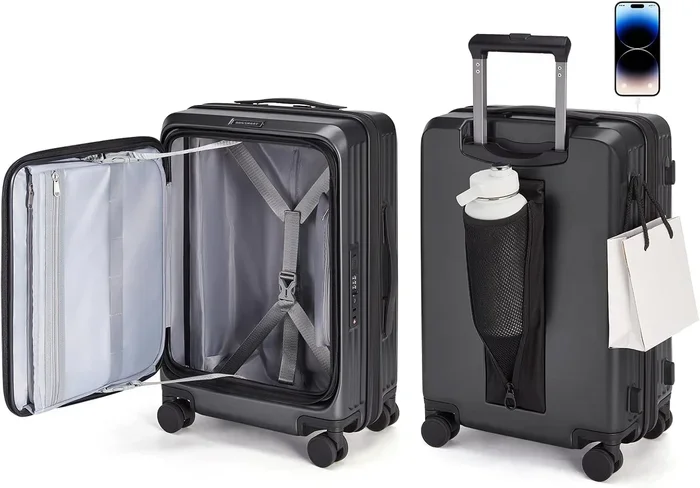
Choosing the right expandable carry‑on can feel like navigating a maze of dimensions, materials, and marketing claims. Whether you are a frequent business traveler who needs a reliable companion for weekly trips, a weekend adventurer who wants a little extra space for souvenirs, or a family flyer trying to avoid checked‑bag fees, the right bag makes all the difference. This guide breaks down every critical factor, explains the jargon in plain language, and gives you a clear roadmap so you can buy with confidence and avoid costly mistakes.
In the next sections you will learn how to evaluate size limits, durability cues, wheel systems, handle ergonomics, expansion mechanisms, and warranty coverage. We will compare the main categories of expandable luggage, show you where the sweet spots lie in each price tier, and share insider tips on timing your purchase and spotting genuine deals. By the end you will have a personalized checklist that matches your travel style, budget, and longevity expectations.

What to Look for When Buying Buying Guide
1. Airline Size Compliance
Every airline publishes maximum dimensions for carry‑on bags, typically around 22 × 14 × 9 inches (56 × 36 × 23 cm) including wheels and handles. An expandable case adds a zippered gusset that can increase depth by 1.5–2.5 inches. Key point: the expanded size often exceeds the limit, so you must be able to compress the bag back to the legal profile before boarding. Look for a model that clearly states both “collapsed” and “expanded” measurements and that the expansion zipper can be fully closed without strain.
2. Build Quality & Materials
The shell material determines weight, impact resistance, and water repellency. Common options:
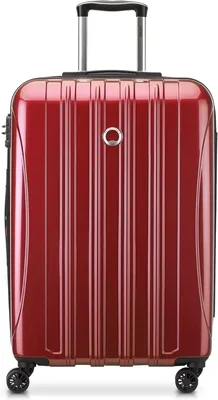
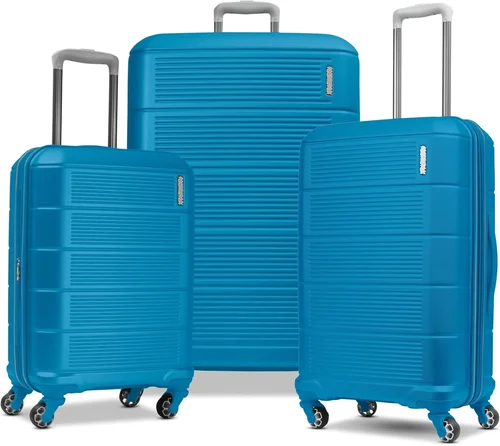
- Polycarbonate (PC): Lightweight, flexible, and highly impact‑resistant. Premium PC shells often have a textured finish that hides scratches.
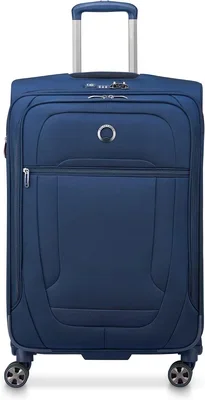
- Ballistic Nylon / Cordura: Extremely abrasion‑resistant fabric, often used on soft‑side expandables. Offers a bit of give, which can be gentler on overhead bins.
- ABS / ABS‑PC blends: Cheaper hard‑shell option; more brittle, prone to cracking on hard impacts.
- Aluminum frame: Ultra‑rigid, luxury feel, but heavier and expensive.
Check the denier rating for fabrics (e.g., 1680D ballistic nylon) and the thickness of polycarbonate (usually 2–3 mm). Reinforced corners, double‑stitched seams, and molded corner guards are hallmarks of durability.
3. Wheel System & Maneuverability
Four‑wheel spinner systems dominate the market because they allow 360° rolling. Look for:
- Wheel diameter: 2.5–3 inches rolls smoother over carpet and cobblestones.
- Wheel housing: Recessed or “in‑line” wheels reduce snag risk.
- Ball bearings: Sealed precision bearings last longer than simple bushings.
- Removable wheels: Some brands let you replace a damaged wheel without sending the whole bag in.
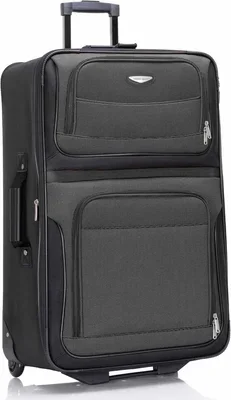
Two‑wheel “inline” models are lighter and can be more stable on rough terrain, but they require tilting to steer.
4. Handle Ergonomics & Telescoping Mechanism
A comfortable grip reduces wrist fatigue on long walks. Features to evaluate:
- Multi‑stage telescoping: At least three height stops (e.g., 38, 41, 44 inches) accommodate different user heights.
- Aluminum vs. steel tubes: Aluminum is lighter; steel is stronger. High‑end bags use aircraft‑grade aluminum with anodized finish.
- Grip material: Rubberized or contoured foam handles stay comfortable when hands are sweaty.
- Locking mechanism: Push‑button locks should engage with a distinct click and not loosen over time.
5. Expansion Mechanism & Capacity Gain
Expansion is usually a zippered gusset that adds 15–25 % more volume. Consider:
- Zipper quality: YKK or SBS zippers with large teeth resist snagging.
- Expansion direction: Some bags expand outward (adding depth), others expand upward (adding height). Outward expansion keeps the bag’s center of gravity lower.
- Compression straps: Internal straps help keep contents tight when the bag is not fully expanded, preventing bulging.
Test the expansion in store: open the gusset fully, pack a few items, then close it. The zipper should glide without forcing.
6. Interior Organization & Accessibility
Smart interior layouts save packing time. Look for:
- Divider panel with zippered mesh pocket: Separates clean/dirty clothes.
- Compression straps on both sides: Secures contents and reduces wrinkles.
- External quick‑access pocket: For boarding pass, phone, or passport.
- Laptop / tablet sleeve: Padded, preferably TSA‑friendly (lies flat for screening).
- Removable toiletry pouch: Adds versatility.
7. Security Features
TSA‑approved combination locks are standard on most mid‑range and premium models. Some brands integrate a dual‑lock system (one on the main compartment, one on the expansion zipper) so you can lock the bag even when expanded. Consider a lockable zipper pull that accepts a small padlock for extra peace of mind.
8. Warranty, Repairability & Brand Support
A strong warranty signals confidence. Typical tiers:
- Limited lifetime (structural defects): Covers frame, wheels, handle, zippers.
- 5‑year limited: Good for mid‑range brands.
- 2‑year or less: Often budget lines.
Check if the brand offers spare parts (wheels, handles, zipper pulls) and a repair network or mail‑in service. Brands like Briggs & Riley, Travelpro, and Samsonite have extensive service centers worldwide.
Different Types of Buying Guide

Common Buying Mistakes to Avoid
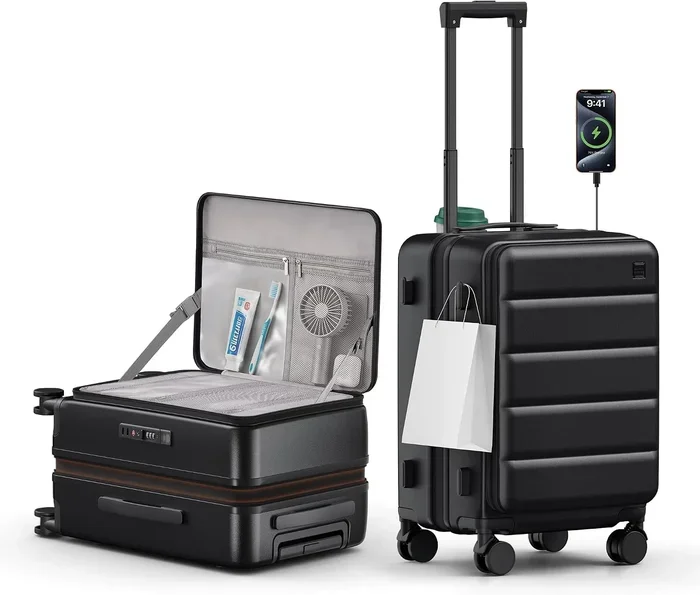
❌ Mistake: Ignoring the Expanded Dimensions
Why it’s bad: Many buyers assume the expansion zipper can stay open during flight. In reality, most airlines will gate‑check a bag that exceeds the published size, leading to fees or damage.
What to do instead: Choose a model where the expanded depth still fits the strictest carrier you use, or commit to compressing the bag before boarding. Verify both collapsed and expanded specs on the manufacturer’s site.
❌ Mistake: Prioritizing Weight Over Durability
Why it’s bad: Ultra‑light shells (under 5 lb) often use thin ABS or low‑denier fabric that cracks or tears after a few trips.
What to do instead: Aim for a sweet spot: 6–7.5 lb for a 22‑inch polycarbonate spinner, 7–8.5 lb for a ballistic‑nylon soft‑side. The extra pound buys years of service.
❌ Mistake: Overlooking Wheel Quality
Why it’s bad: Cheap plastic wheels with no bearings seize up on carpet, cobblestones, or after a few months of heavy use.
What to do instead: Insist on sealed ball‑bearing wheels, at least 2.5 inches in diameter, and preferably recessed. Test roll the bag in‑store for at least 30 seconds.
❌ Mistake: Buying Based Solely on Brand Name
Why it’s bad: Even reputable brands produce entry‑level lines that cut corners on zippers, handles, and warranty.
What to do instead: Read the specific model’s reviews, check the warranty length for that SKU, and compare specs side‑by‑side with competitors.
❌ Mistake: Skipping the Expansion Test
Why it’s bad: A zipper that sticks or a gusset that bulges unevenly will frustrate you every packing session.
What to do instead: In the store, fully expand the bag, pack a few items, then close it. Feel the zipper action and watch for fabric strain.
❌ Mistake: Forgetting About Repair Parts Availability
Why it’s bad: A broken wheel or handle on a bag with no spare parts forces a full replacement.
What to do instead: Choose brands that sell individual wheels, telescoping tubes, and zipper pulls, and that have a repair portal or authorized service centers.
❌ Mistake: Not Checking Return Policy Before Purchase
Why it’s bad: Online photos can misrepresent color, texture, or interior layout.
What to do instead: Buy from retailers with a 30‑day no‑questions‑asked return window and free return shipping. Keep all packaging until you’ve done a full pack‑test at home.
Budget Guidelines: How Much Should You Spend?
Entry‑Level ($80 – $130)
Expect ABS or thin polycarbonate shells, two‑wheel inline or basic four‑wheel spinners with plastic bushings. Zippers are often generic, handles may have only two height stops, and warranty is typically 1‑2 years. Good for occasional leisure travelers who fly once or twice a year and don’t mind replacing the bag every 2‑3 years.
Mid‑Range ($130 – $250)
This is the sweet spot for most buyers. You’ll find 2‑3 mm polycarbonate or 1680D ballistic nylon, sealed bearing spinner wheels, three‑stage aluminum telescoping handles, YKK zippers, TSA‑approved locks, and a 5‑year limited warranty. Brands like Travelpro Platinum Elite, Samsonite Freeform, and Briggs & Riley Baseline sit here. Expect 6‑8 lb weight and reliable expansion zippers.
Premium ($250 – $450)
Materials upgrade to high‑grade Makrolon polycarbonate, reinforced corner guards, precision‑machined aluminum handles, and often a lifetime structural warranty. Features include removable wheels, integrated USB‑C power bank pockets, RFID‑blocking pockets, and a dedicated laptop compartment that lies flat for TSA. Brands: Tumi Alpha 3, Rimowa Essential Cabin (polycarbonate), Briggs & Riley Sympatico.
Luxury ($450 +)
Aluminum or magnesium frames, hand‑stitched leather accents, bespoke interior layouts, and concierge‑level repair service (often free for life). Weight can be 9‑11 lb, but the bag becomes a statement piece that lasts decades. Examples: Rimowa Original Cabin, Globe‑Trotter Centenary, Tumi 19 Degree Aluminum.
Expert Tips for Getting the Best Deal
- Shop off‑season: January‑February and September‑October see the deepest discounts as retailers clear inventory for new collections.
- Sign up for brand newsletters: Many manufacturers send 10‑15 % off codes to first‑time subscribers.
- Use price‑tracking tools: CamelCamelCamel (Amazon) or Honey can alert you when a specific SKU drops below your target price.
- Consider open‑box or refurbished: Major retailers (Best Buy, REI, Backcountry) sell returned luggage with full warranty at 20‑30 % off.
- Check airline employee stores: Some carriers partner with luggage brands for exclusive discounts; ask a frequent‑flyer friend.
- Bundle with accessories: Packing cubes, toiletry kits, or a travel‑size umbrella are often thrown in during holiday promotions.
- Read the fine print on warranty registration: Some lifetime warranties require online registration within 30 days of purchase.
- Test in‑store before buying online: Even if you plan to order online, visit a physical store to feel the handle, roll the wheels, and operate the expansion zipper.
Frequently Asked Questions
Q: Can I use the expanded capacity on a domestic U.S. flight?
A: Most U.S. carriers (American, Delta, United, Southwest) enforce the same 22 × 14 × 9 inch limit for overhead bins. If your bag expands beyond that, you must compress it before boarding. Gate agents may measure the bag at the gate, so keep the expansion zipper closed unless you are certain the flight uses larger bins (e.g., some international wide‑body aircraft).
Q: How do I clean a polycarbonate hard‑shell?
A: Wipe the exterior with a damp microfiber cloth and mild soap. Avoid abrasive cleaners or solvents that can dull the finish. For scuffs, a small amount of automotive polishing compound applied with a soft cloth can restore shine.
Q: Are spinner wheels really better than two‑wheel inline?
A: Spinners excel on smooth airport floors and allow you to push the bag beside you. Inline wheels handle rough pavement, curbs, and cobblestones more stably because the bag’s weight stays centered over the wheels. Choose based on your typical terrain.
Q: What does “TSA‑approved lock” mean?
A: The lock has a special keyway that TSA agents can open with a master key without destroying the lock. You set your own combination; the agent can relock it after inspection. Look for the red diamond logo on the lock body.
Q: How much extra volume does a typical expansion add?
A: Most 22‑inch expandable carry‑ons gain 1.5‑2.5 inches of depth, translating to roughly 2‑4 liters (about 10‑15 % more packing space). That’s enough for a light jacket, a pair of shoes, or a few souvenirs.
Q: Can I replace a broken wheel myself?
A: On many mid‑range and premium models, wheels are attached with a single screw or a quick‑release axle. Brands like Travelpro and Briggs & Riley sell replacement wheel kits ($15‑$30) and provide video tutorials. Budget bags often have riveted wheels that cannot be swapped.
Q: Is a built‑in USB port worth it?
A: The port is just a pass‑through; you still need to carry a power bank inside the bag. It’s convenient if you frequently charge devices while walking through the terminal, but it adds a small amount of weight and a potential failure point. If you already use a separate cable, you can skip it.
Q: How do I know if a bag fits under the seat?
A: Under‑seat dimensions vary by aircraft, but a common maximum is 18 × 14 × 8 inches. Look for “under‑seat” or “personal item” labeled models, and verify the collapsed dimensions (including wheels) against the airline’s spec sheet.
Q: What’s the difference between a “lifetime warranty” and a “limited lifetime warranty”?
A: “Lifetime” usually covers defects in materials and workmanship for the life of the product, but excludes normal wear, accidental damage, and airline mishandling. “Limited lifetime” may restrict coverage to the original purchaser, require registration, or exclude certain components (e.g., zippers after 5 years). Always read the warranty booklet.
Q: Should I buy a matching checked‑bag set?
A: Sets can be cheaper per piece and ensure aesthetic consistency, but you may not need a large checked bag if you mostly travel carry‑on only. Evaluate your typical trip length before committing to a set.
Our Final Recommendations
- Best for Budget‑Conscious Buyers: AmazonBasics 21‑Inch Hardside Spinner – ~ $95, ABS shell, four double‑spinner wheels, 3‑stage handle, 1‑year warranty. Good for 2‑3 trips per year.
- Best Overall Value: Travelpro Platinum Elite 22‑Inch Expandable Spinner – ~ $210, 1680D ballistic nylon, MagnaTrac spinner wheels, PowerScope handle, lifetime warranty on frame and wheels. Handles frequent business travel with ease.
- Best Premium Option: Briggs & Riley Sympatico CX 22‑Inch Expandable Spinner – ~ $380, Makrolon polycarbonate, CX expansion (adds 22 % volume), Outsider handle, lifetime “no‑questions‑asked” repair policy. Ideal for road warriors who want a single bag for a decade.
- Best for Beginners: Samsonite Freeform 21‑Inch Hardside Spinner – ~ $150, lightweight polycarbonate, smooth double wheels, simple interior with cross straps, 10‑year limited warranty. Easy to pack, forgiving on rough handling.
- Best for Advanced Users: Tumi Alpha 3 Continental Carry‑On – ~ $550, ballistic nylon with FXT® ballistic reinforcement, Tumi Tracer® tracking, integrated USB port, lifetime repair service. Designed for heavy‑duty weekly travel and tech‑savvy professionals.
Conclusion: Making the Right Choice
An expandable carry‑on is more than a container; it’s a travel partner that can smooth the journey from curb to gate and back again. By prioritizing airline‑compliant dimensions, durable materials, smooth‑rolling wheels, a comfortable telescoping handle, and a reliable expansion zipper, you eliminate the most common headaches. Match the bag’s price tier to your travel frequency: occasional flyers do fine in the entry‑level band, while weekly road warriors reap long‑term savings from a mid‑range or premium model with a strong warranty and replaceable parts.
Use the checklist below as a quick reference before you click “buy”:
- ✅ Verify collapsed & expanded dimensions against your strictest airline.
- ✅ Confirm shell material (polycarbonate ≥2 mm or ballistic nylon ≥1680D).
- ✅ Test spinner wheels for sealed bearings and recessed housing.
- ✅ Ensure three‑stage aluminum handle with positive lock.
- ✅ Check expansion zipper operates smoothly both ways.
- ✅ Look for TSA‑approved lock and optional dual‑lock on expansion.
- ✅ Review warranty length, registration requirements, and spare‑part availability.
- ✅ Read recent user reviews for real‑world durability feedback.
Armed with this knowledge, you can walk into any store or browse any site with a clear set of criteria, confident that the bag you choose will survive the rigors of modern travel and keep your essentials organized. Happy travels, and may your overhead bin always have room!