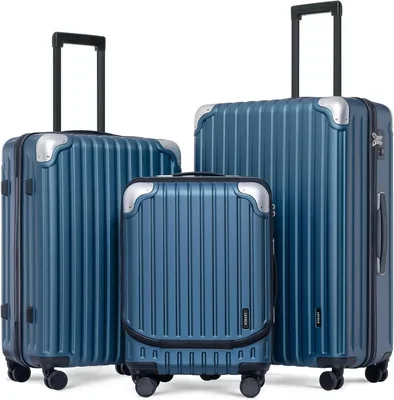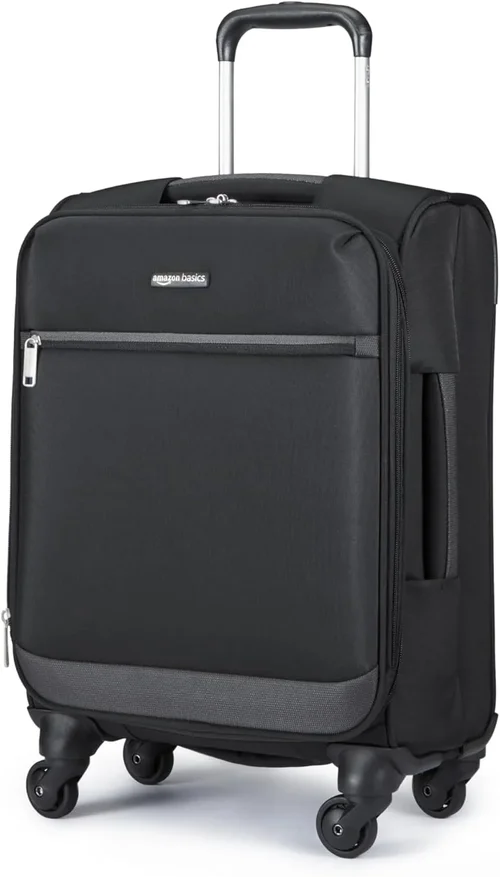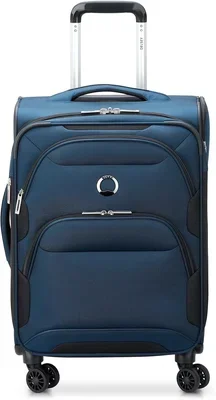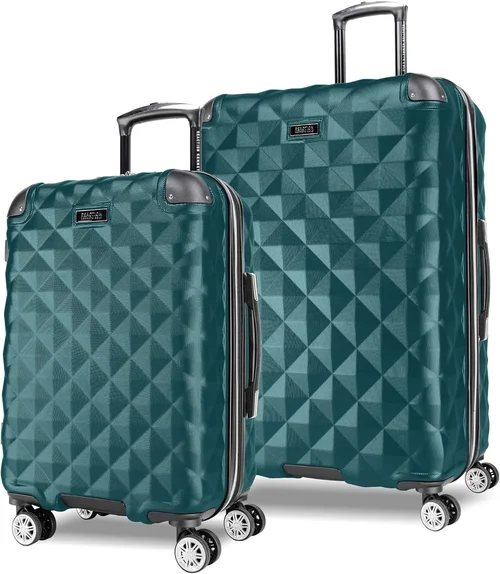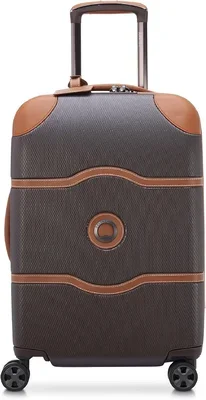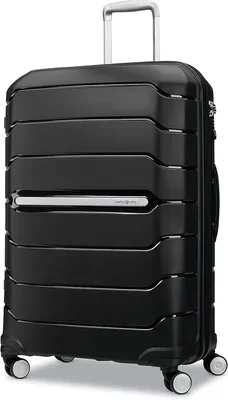
Choosing an expandable carry‑on can feel like navigating a maze of zippers, wheels, and airline rules. I’ve spent years testing luggage on everything from weekend getaways to month‑long business trips, and I know how the right bag can turn a stressful airport sprint into a smooth glide. In this guide you’ll learn the exact factors that separate a flimsy suitcase from a travel‑ready companion, the different styles on the market, the most common buying pitfalls, and how to match your budget to the features you actually need. By the end you’ll have a clear checklist you can take to any store or website and walk away confident that your new expandable hand luggage will survive the overhead bin, the baggage carousel, and the occasional over‑packed souvenir haul.
The market today is flooded with options ranging from ultra‑light polycarbonate shells to rugged ballistic nylon hybrids, each promising “expandability” in slightly different ways. Some brands focus on a single zippered gusset that adds a couple of inches, while others engineer a full‑frame expansion system that can increase capacity by up to 30 percent. Understanding those nuances—and how they affect weight, durability, and airline compliance—is the key to making a purchase you won’t regret. This guide breaks down every technical term into plain language, compares the major categories side‑by‑side, and gives you actionable tips for snagging the best deal without sacrificing quality.
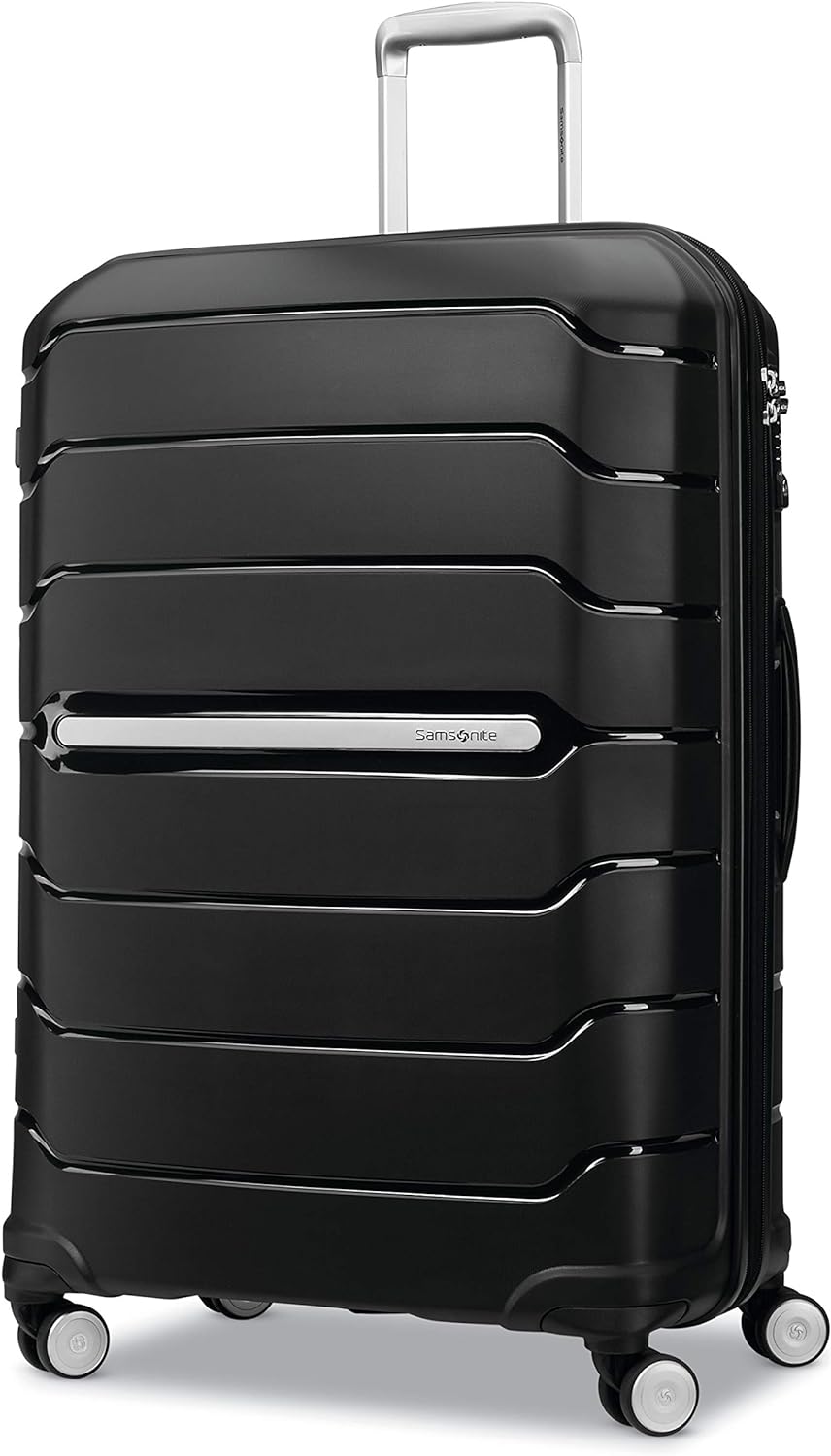
What to Look for When Buying Buying Guide
1. Size and Airline Compliance
Before you fall in love with a sleek design, verify that the suitcase meets the carry‑on dimensions of the airlines you fly most often. Most U.S. carriers allow 22 × 14 × 9 inches (including wheels and handles), while many European and Asian airlines enforce stricter limits, sometimes as low as 21.5 × 15.5 × 9 inches. An expandable bag typically adds 1.5–2.5 inches of depth when the gusset is unzipped, so check the “expanded” measurements against the tightest airline you use. A bag that fits in the overhead bin when compressed but exceeds limits when expanded can leave you gate‑checking at the last minute. Look for models that publish both compressed and expanded dimensions, and consider a “soft‑side” expansion that can be cinched down with compression straps to stay within limits.
2. Expansion Mechanism and Capacity Gain
The heart of an expandable carry‑on is its expansion system. There are three common types: a single zippered gusset that runs around the perimeter, a dual‑stage zipper that offers a modest and a full expansion, and a structural frame expansion that adds a rigid panel for extra volume. A single gusset usually yields 15–20 percent more space, while a dual‑stage can push that to 30 percent. Frame expansions are rare in carry‑ons because they add weight, but they provide the most stable shape when fully packed. Ask yourself how often you truly need that extra room. If you only occasionally bring back a bulky jacket or a pair of shoes, a modest gusset is lighter and keeps the bag’s profile slimmer for overhead bins.
3. Shell Material and Durability
Hard‑shell cases typically use polycarbonate, ABS, or a polycarbonate‑ABS blend. Polycarbonate is the gold standard: it flexes under impact rather than cracking, resists scratches, and stays lightweight. ABS is cheaper but more brittle; a hard knock can leave a permanent dent. Soft‑side bags rely on high‑denier nylon (often 1680D ballistic) or polyester with a water‑repellent coating. Ballistic nylon excels at abrasion resistance and tear strength, making it ideal for frequent flyers who stuff their bags into tight overhead compartments. Hybrid designs combine a polycarbonate frame with nylon panels, giving you the structure of a hard shell and the flexibility of a soft side. Choose based on your travel style—hard shells protect fragile items better; soft sides absorb shocks and can squeeze into odd‑shaped bins.
4. Wheel System and Maneuverability
Four spinner wheels (360° rotation) have become the norm because they let you push the bag beside you rather than tilt and drag. Look for wheels mounted on a reinforced axle with sealed ball bearings; cheap plastic hubs wear out quickly on rough terminal floors. Wheel diameter matters too—larger wheels (3.5 inches or more) roll over carpet, cracks, and cobblestones more smoothly. Some premium models feature “silent” polyurethane tires that reduce noise on polished airport floors. If you frequently navigate crowded terminals, test the bag’s tracking by giving it a gentle push; it should glide straight without wobbling. A recessed wheel housing also protects the wheels from impacts when the bag is stacked.
5. Handle System and Ergonomics
The telescopic handle should lock securely at multiple heights (usually three) and retract smoothly without sticking. Aluminum tubes are lighter and stronger than steel, but they can dent if the bag is dropped. A comfortable grip—often molded rubber or textured plastic—reduces hand fatigue on long walks. Top and side carry handles are essential for lifting the bag into overhead bins; they should be padded and stitched with reinforced bar‑tack seams. Some brands integrate a “quick‑grip” strap that lets you hoist the bag with one hand while the other holds a boarding pass. Test the handle extension in person if possible; a sticky mechanism is a common annoyance that worsens over time.
6. Interior Organization and Compression
A well‑designed interior saves you from the “where did I put my charger?” scramble. Look for a full‑size mesh divider that separates the two main compartments, zippered pockets for toiletries, and dedicated laptop or tablet sleeves (often 15‑inch compatible). Compression straps—elastic or nylon—help keep clothes flat and prevent the expanded gusset from bulging awkwardly. Some premium bags include a removable packing cube or a wet/dry pocket for shoes and toiletries. If you travel with a suit or dress, a built‑in garment folder or a fold‑out suiter can keep wrinkles at bay. The more modular the interior, the easier it is to adapt the bag to different trip lengths.
7. Weight and Packability
Every ounce counts when airlines enforce strict carry‑on weight limits (often 7–10 kg / 15–22 lb). Hard‑shell polycarbonate carry‑ons typically weigh 5.5–7 lb empty; soft‑side ballistic nylon models can be as light as 4 lb. Remember that the expansion gusset adds fabric and zipper weight, so a fully expanded bag may push you over the limit before you even pack. If you’re a light packer who values maximum allowance for souvenirs, prioritize the lightest frame that still meets your durability needs. Some brands publish “packed weight” specs (bag plus typical clothing load) which can be a more realistic benchmark than empty weight alone.
8. Warranty, Repairability, and Brand Support
A solid warranty signals confidence in build quality. Look for at least a 5‑year limited warranty covering wheels, handles, zippers, and shell cracks. Some premium brands (e.g., Briggs & Riley, Tumi) offer a lifetime “no‑questions‑asked” repair policy, which can save you hundreds over the bag’s life. Check whether replacement parts—wheels, handle tubes, zipper pulls—are sold separately or available through authorized service centers. A bag that can be repaired rather than replaced is both economical and environmentally friendly. Read the fine print: many warranties exclude damage from airline mishandling, so consider a separate travel insurance rider if you frequently check bags at the gate.
Different Types of Buying Guide

Each category trades off weight, durability, and features. Hard‑shell polycarbonate gives the best protection but can be heavier and less forgiving when you need to squeeze into a tight bin. Soft‑side ballistic nylon is the lightest and most adaptable, yet it offers less rigid protection for a laptop. Hybrid frames aim for the middle ground, while ultra‑light models strip away extras to meet the strictest weight allowances. Smart luggage adds convenience but often carries a premium and may face airline restrictions on removable batteries—always verify that the power bank is removable and under 100 Wh.
Common Buying Mistakes to Avoid
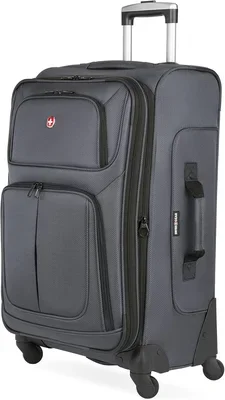
❌ Mistake: Ignoring Expanded Dimensions
Why it’s bad: Many shoppers only check the compressed size, assuming the expansion is a bonus that won’t affect overhead‑bin fit. In reality, an expanded bag can exceed the airline’s maximum depth by an inch or two, forcing a gate check and potential fees.
What to do instead: Verify both compressed and expanded measurements against the strictest carrier you fly. If you rarely need the extra space, consider a non‑expandable model that guarantees compliance.
❌ Mistake: Choosing Style Over Wheel Quality
Why it’s bad: A beautiful leather‑trimmed carry‑on with cheap plastic wheels will become a nightmare on a long terminal walk. Wheels are the single most used component and the first to fail.
What to do instead: Prioritize sealed ball‑bearing spinner wheels with a diameter of at least 3.5 inches. Test the roll in‑store or watch video reviews that show the bag on carpet, tile, and pavement.
❌ Mistake: Overlooking Weight Allowance
Why it’s bad: A 7 lb empty suitcase leaves only 8 lb for your belongings on a 15 lb limit. Packing a few extra items can push you over, resulting in checked‑bag fees.
What to do instead: Target an empty weight under 5.5 lb for hard shells and under 4.5 lb for soft sides. Use a luggage scale at home to confirm you stay within limits before heading to the airport.
❌ Mistake: Assuming All Expandable Zippers Are Equal
Why it’s bad: Cheap zippers snag, separate, or break under the stress of a fully packed expansion. A failed zipper can render the bag unusable mid‑trip.
What to do instead: Look for YKK or SBS brand zippers with large, interlocking teeth. Double‑stitched zipper tracks and a protective fabric flap add durability.
❌ Mistake: Skipping Warranty Registration
Why it’s bad: Many lifetime warranties require registration within a short window. Missing that step voids coverage, leaving you to pay for repairs out of pocket.
What to do instead: Register the product online the day you receive it. Keep a digital copy of the receipt and warranty terms in your travel folder.
❌ Mistake: Buying Without Testing Handle Ergonomics
Why it’s bad: A handle that locks at only two heights forces taller travelers to hunch, causing back strain on long walks.
What to do instead: Extend the handle fully in the store (or watch a detailed video) and ensure it locks securely at a height that matches your stature. A comfortable grip material also matters.
❌ Mistake: Overpacking the Expansion Gusset
Why it’s bad: Stuffing the expansion to its limit stresses the zipper, seams, and frame, increasing the risk of a blowout. It also makes the bag bulky enough to not fit in the overhead bin.
What to do instead: Use compression straps and packing cubes to keep contents flat. Expand only when truly needed, and always test the fit in a mock overhead bin (many stores have a display).
Budget Guidelines: How Much Should You Spend?
Entry‑Level ($80 – $130)
At this price you’ll find mostly ABS hard shells or basic polyester soft sides. Expect a single‑stage expansion gusset, two‑wheel inline skate wheels (not spinners), and a simple two‑position handle. Zippers are often generic, and warranty coverage is typically 1–2 years. These bags work fine for occasional leisure travelers who fly once or twice a year and don’t carry fragile electronics. Don’t expect them to survive daily business‑travel abuse.
Mid‑Range ($130 – $250)
This is the sweet spot for most frequent flyers. You’ll get polycarbonate or high‑denier ballistic nylon, four spinner wheels with sealed bearings, a three‑stage telescoping handle, YKK zippers, and a 5‑year limited warranty. Expansion is usually dual‑stage, adding 20–25 percent capacity. Interior organization includes a mesh divider, a padded laptop sleeve, and compression straps. Brands like Travelpro, Samsonite, and Delsey dominate this tier.
Premium ($250 – $450)
Premium models add refined details: self‑healing zipper coils, magnesium or aluminum handle tubes, silent polyurethane wheels, and a lifetime repair policy (often with free shipping for repairs). Hybrid frame‑fabric constructions appear here, giving structure plus a generous expansion panel. You’ll also see integrated TSA‑approved locks, removable packing cubes, and sometimes a built‑in USB pass‑through (power bank sold separately). These bags are built for road warriors who log 50+ flights a year.
Luxury ($450+)
Luxury carry‑ons feature hand‑stitched leather accents, custom‑fit interior modules, and proprietary smart‑tech (GPS tracking, digital scale, removable power bank). Brands such as Tumi, Rimowa, and Briggs & Riley offer bespoke colorways and a true “buy it for life” warranty with doorstep service. While the performance gains over premium are marginal, the resale value and brand prestige can justify the cost for executives and style‑focused travelers.
Expert Tips for Getting the Best Deal
- Shop off‑season: Major sales hit in January (post‑holiday), May (Memorial Day), and September (Labor Day). Retailers clear out last year’s colors to make room for new collections.
- Sign up for brand newsletters: Many luggage companies send a 10–15 % welcome coupon plus early‑access to flash sales.
- Use price‑tracking tools: Browser extensions like Honey or CamelCamelCamel alert you when a specific model drops below your target price.
- Consider certified refurbished: Brands such as Briggs & Riley and Tumi sell factory‑refurbished units with full warranty at 30–40 % off.
- Check airline employee stores: If you know someone who works for an airline, they often have access to discounted luggage programs.
- Bundle with packing cubes: Some retailers offer a free set of packing cubes when you buy a carry‑on, effectively lowering the per‑item cost.
- Read the return policy: A 30‑day no‑questions‑asked return lets you test the bag on a real trip; if it doesn’t fit your workflow, send it back.
- Inspect in person before buying online: Visit a department store to feel the handle, spin the wheels, and test the expansion zipper. Then purchase the exact SKU online for the best price.

Frequently Asked Questions
Q: Can I use an expandable carry‑on on a budget airline with strict size limits?
A: Yes, but only if you keep the expansion zipper fully closed and the bag’s compressed dimensions meet the airline’s maximum. Many low‑cost carriers measure at the gate, so a bag that looks compliant when empty but bulges when packed can be rejected. Choose a model with a compression strap that cinches the gusset flat.
Q: How much extra space does a typical expansion gusset add?
A: Most single‑stage gussets add 1.5–2 inches of depth, translating to roughly 15–20 percent more volume. Dual‑stage systems can add up to 3 inches (≈30 percent). The actual usable space depends on how compressible your clothing is; soft items like sweaters compress more than rigid shoes.
Q: Are spinner wheels really better than two‑wheel inline wheels?
A: For most travelers, four spinners reduce wrist strain because you push the bag upright. However, on rough terrain (cobblestones, gravel) two large inline wheels can roll more smoothly. If you frequently walk long distances on uneven surfaces, consider a hybrid with larger rear wheels and front spinners.
Q: What’s the difference between polycarbonate and ABS shells?
A: Polycarbonate is a high‑impact thermoplastic that flexes and returns to shape, making it far more crack‑resistant. ABS is cheaper, more rigid, and prone to shattering on hard impacts. A polycarbonate‑ABS blend offers a middle ground but still leans toward the brittleness of ABS.
Q: Do I need a TSA‑approved lock on my carry‑on?
A: It’s not mandatory for carry‑ons because you keep the bag with you, but a built‑in TSA lock adds security when you store the bag in a hotel safe or leave it unattended briefly. Many mid‑range and premium bags include an integrated lock; otherwise a small external TSA lock works fine.
Q: How do I clean a ballistic nylon soft‑side bag?
A: Spot‑clean with a mild detergent and a damp cloth. For deeper cleaning, remove any detachable organizers, turn the bag inside out, and hand‑wash in lukewarm water. Avoid machine washing; the agitation can damage the water‑repellent coating and stitching.
Q: Can I replace a broken wheel myself?
A: On most mid‑range and premium bags, wheels are secured with a single screw or a quick‑release axle. Replacement wheels are sold by the manufacturer or third‑party sellers. Keep a small hex key in your travel kit for on‑the‑go repairs.
Q: Is a built‑in USB port worth the extra cost?
A: Only if you already carry a power bank and want the convenience of charging without opening the bag. Remember that the USB port is just a pass‑through; you must supply the battery. Also, airlines require the power bank to be removable and under 100 Wh.
Q: What’s the best way to pack a suit in an expandable carry‑on?
A: Use a garment folder or the “bundle wrapping” method: lay the jacket face down, place trousers on top, fold sleeves inward, then roll the bundle tightly. Place the bundle in the main compartment and use compression straps to keep it flat. If the bag has a dedicated suiter, hang the jacket there and fold trousers over the hanger.
Our Final Recommendations
- Best for Budget‑Conscious Buyers: AmazonBasics 21‑Inch Hardside Spinner – Polycarbonate shell, four spinner wheels, single‑stage expansion, 3‑year limited warranty. Priced around $95, it covers the basics without frills.
- Best Overall Value: Travelpro Platinum Elite 22‑Inch Expandable Spinner – Ballistic nylon, MagnaTrac spinner wheels, dual‑stage expansion, built‑in USB port (power bank not included), lifetime warranty. Typically $210‑$240.
- Best Premium Option: Briggs & Riley Baseline Domestic Carry‑On Expandable – Hybrid frame, CX expansion system (up to 25 % more), self‑healing zippers, lifetime “no‑questions‑asked” repair. Around $380.
- Best for Beginners: Samsonite Freeform 21‑Inch Spinner – Lightweight polycarbonate, four double‑spinner wheels, simple one‑stage expansion, 10‑year limited warranty. Easy to maneuver, forgiving for first‑time flyers. About $160.
- Best for Advanced Users: Rimowa Essential Cabin Plus – Aluminum‑magnesium alloy shell, multi‑stage expansion, integrated TSA lock, silent Japanese Hinomoto wheels, lifetime service network. Premium price (~$650) but unmatched durability and resale value.
Conclusion: Making the Right Choice
An expandable carry‑on is more than a container; it’s a travel partner that can adapt to a weekend sprint or a week‑long conference. By prioritizing airline‑compliant dimensions, a reliable expansion system, durable materials, smooth wheels, an ergonomic handle, smart interior organization, low empty weight, and a strong warranty, you’ll narrow the field to a handful of bags that truly fit your lifestyle. Remember to match the bag’s category—hard shell, soft side, hybrid, ultra‑light, or smart—to the type of trips you take most often. Use the budget tiers as a reality check, leverage seasonal sales and refurbished programs, and always test the handle and wheels before you commit. With this checklist in hand, you can walk into any store or click “Add to Cart” knowing you’ve made an informed, confident decision. Happy travels, and may your overhead bin always have room for that extra souvenir.