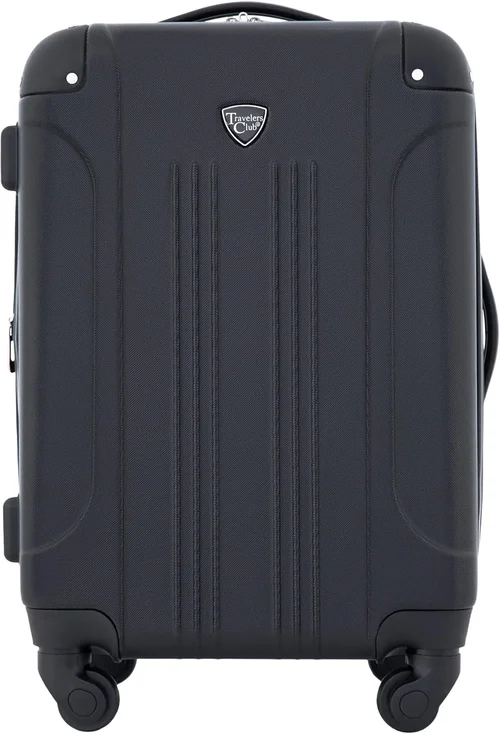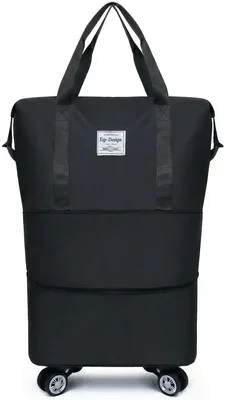
Choosing an expandable duffel spinner can feel like navigating a maze of wheels, zippers, and fabric weights. Whether you are a weekend warrior packing for a quick getaway or a frequent flyer who needs every cubic inch of space, the right bag makes the difference between a smooth roll through the terminal and a wrestling match with a stubborn handle. This guide breaks down every critical element—size, durability, wheel quality, expansion mechanics, and price—so you can match a bag to your travel style without guesswork.
By the end of this article you will know exactly what to prioritize first, how to decode the technical specs that manufacturers love to hide in fine print, and which price tier delivers the best value for your specific needs. We’ll also highlight common pitfalls, share insider buying tips, and answer the questions travelers ask most often. Let’s get started.

What to Look for When Buying Buying Guide
1. Capacity and Expandability
The first number you’ll see on any product page is the liter capacity, usually listed as a range like 45‑55 L. The lower figure represents the bag’s standard volume; the upper figure shows how much extra space the expansion zipper adds. For a typical carry‑on duffel spinner, 40‑45 L is enough for a 3‑day trip, while 55‑65 L suits a week‑long adventure. Look for an expansion gusset that runs the full height of the main compartment—partial gussets only add depth at the bottom and can cause the bag to bulge awkwardly when packed tight.
2. Wheel System and Maneuverability
Spinner wheels are the hallmark of this category. Four double‑wheel sets (eight wheels total) distribute weight evenly and allow 360° rotation, making it easy to glide beside you rather than drag behind. Check the wheel diameter—larger wheels (70 mm + ) roll over carpet, cobblestones, and airline jet‑bridge gaps more comfortably than 50 mm wheels. Also verify that the wheels are recessed into the chassis; protruding wheels are prone to snagging on conveyor belts and can be damaged during rough handling.
3. Frame Construction and Materials
Most expandable duffel spinners use a hybrid frame: a lightweight aluminum or fiberglass perimeter that holds the shape, wrapped in a high‑denier nylon or polyester shell. Denier (D) measures fiber thickness; 840D ballistic nylon is a sweet spot for abrasion resistance without adding bulk. Some premium models add a polycarbonate or ABS hard‑shell panel on the front for extra impact protection. If you frequently check your bag, a reinforced corner guard and a molded bottom panel are worth the extra cost.
4. Handle System Ergonomics
The telescoping handle should lock at multiple heights (usually three) so you can find a comfortable grip whether you’re 5′2″ or 6′4″. Look for a push‑button release that operates with one hand and a handle tube made of aircraft‑grade aluminum—plastic tubes flex under load and eventually crack. A secondary top carry handle and a side grab handle are essential for lifting the bag into overhead bins or car trunks.
5. Interior Organization
Expandable duffels often sacrifice internal pockets for maximum volume, but smart designs still include a mesh divider, a zippered wet/dry pocket, and compression straps. Compression straps keep clothing from shifting during transit and let you cinch the bag down when it’s not fully expanded. A removable laundry bag or shoe compartment adds convenience without permanent bulk.
6. Weight and Airline Compliance
Every ounce counts when you’re up against a 22 lb (10 kg) carry‑on limit. A well‑engineered 22‑inch spinner typically weighs 6.5‑8 lb empty. Ultra‑light models dip below 6 lb by using thinner fabric and fewer reinforcement panels, which can compromise durability. Always verify the external dimensions (including wheels and handles) against the airline’s most restrictive sizing chart—many “carry‑on” labels are optimistic.
7. Warranty and Brand Support
A lifetime limited warranty signals confidence in the product’s build quality. Read the fine print: some brands cover only the frame and wheels, while others exclude zipper damage. Responsive customer service, easy claim filing, and a network of authorized repair centers (or a mail‑in program) can save you a replacement purchase down the road.
8. Aesthetic and Personalization Options
While not a performance factor, color and branding affect how quickly you spot your bag on the carousel. Bright hues or distinctive patterns reduce the chance of accidental swaps. Some manufacturers offer monogramming or interchangeable handle wraps for a personal touch.
Different Types of Buying Guide

Common Buying Mistakes to Avoid
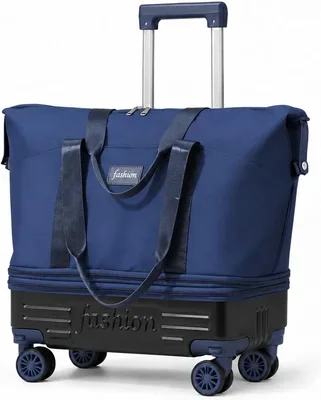
❌ Mistake: Ignoring the True Expanded Dimensions
Why it’s bad: Many shoppers only check the collapsed size, assuming the bag will still fit in the overhead bin after expansion. In reality, an expanded duffel can exceed airline limits by several inches, forcing you to check it at the gate.
What to do instead: Measure the fully expanded length, width, and height (including wheels) and compare them to the most restrictive carrier you fly. If you need the extra space, plan to check the bag or choose a model with a modest expansion (2‑3 cm) that stays within limits.
❌ Mistake: Prioritizing Price Over Wheel Quality
Why it’s bad: Cheap spinners often use single‑wheel casters that wobble, lock up on carpet, or snap off after a few trips. Replacing a wheel set can cost as much as a new budget bag.
What to do instead: Invest in a model with double‑wheel, sealed‑bearing spinners. Read reviews that specifically mention wheel durability after 6‑12 months of regular use.
❌ Mistake: Overlooking Zipper Quality
Why it’s bad: The expansion zipper is the most stressed component. Low‑grade coil zippers can separate under load, leaving you with a gaping hole mid‑journey.
What to do instead: Look for YKK or SBS brand zippers with large, self‑healing teeth. Test the zipper by running it back and forth several times; it should glide without catching.
❌ Mistake: Buying a Bag That’s Too Heavy Empty
Why it’s bad: A 9 lb empty spinner eats into your weight allowance before you pack a single shirt. On budget airlines with strict 15 lb limits, that leaves only 6 lb for belongings.
What to do instead: Target an empty weight under 7 lb for carry‑on sizes and under 9 lb for checked sizes. Lightweight does not have to mean flimsy—modern ballistic nylon and aluminum frames achieve both.
❌ Mistake: Skipping the Warranty Registration
Why it’s bad: Many lifetime warranties require online registration within 30 days of purchase. Missing that window voids coverage for frame cracks or wheel failures.
What to do instead: Register the product immediately after unboxing. Keep a digital copy of the receipt and warranty certificate in your travel email folder.
❌ Mistake: Assuming All “Expandable” Bags Expand Equally
Why it’s bad: Some brands advertise a 20 % expansion but only add depth at the bottom, which does little for packing bulky items like shoes or jackets.
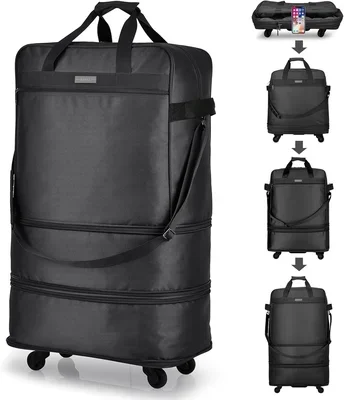
What to do instead: Look for a full‑perimeter expansion gusset that adds volume evenly around the main compartment. Product videos often demonstrate the expansion in action.
❌ Mistake: Neglecting Handle Height Range
Why it’s bad: A handle that only extends to 38 inches forces taller travelers to hunch, causing back strain on long walks through terminals.
What to do instead: Choose a model with at least three lock positions and a maximum extension of 42 inches. If possible, test the handle in person or watch a reviewer of similar height.
Budget Guidelines: How Much Should You Spend?
Entry‑Level ($80 – $150)
At this tier you’ll find basic 22‑inch spinners with single‑wheel casters, polyester shells (600D‑840D), and a simple one‑stage expansion zipper. They’re fine for occasional leisure trips where the bag stays in the overhead bin and sees minimal rough handling. Expect a weight of 7.5‑8.5 lb and a warranty limited to 1‑2 years. Brands like AmazonBasics, Kenneth Cole Reaction, and some store‑label lines dominate this space.
Mid‑Range ($150 – $300)
This is the sweet spot for most travelers. You get double‑wheel spinners, ballistic nylon or high‑tenacity polyester, a full‑perimeter expansion gusset, and a three‑stage telescoping handle. Weight drops to 6.5‑7.5 lb, and warranties extend to 5‑10 years or lifetime on the frame. Popular models from Travelpro, Samsonite (Winfield 2), and Delsey (Helium Aero) sit here. You also start seeing thoughtful interior organization—mesh dividers, compression straps, and a dedicated laptop sleeve.
Premium ($300 – $500)
Premium bags add polycarbonate or ABS hard‑shell panels, magnetic quick‑release handles, silent‑run Hinomoto wheels, and often a built‑in TSA‑approved lock with a fingerprint reader. Expansion can reach 30 % without distorting the silhouette. Weight is optimized (6‑7 lb for carry‑on) thanks to advanced frame geometry. Brands like Briggs & Riley (Baseline), Tumi (V4), and Rimowa (Essential) offer lifetime “no‑questions‑asked” repair policies.
Luxury ($500+)
Luxury spinners blend craftsmanship with tech: hand‑stitched leather accents, carbon‑fiber frames, integrated GPS trackers, USB‑C power banks, and bespoke colorways. They’re status pieces as much as functional luggage. While the performance gains over premium are marginal, the resale value and brand prestige can justify the spend for collectors or corporate travelers who value image.
Expert Tips for Getting the Best Deal
- Shop Off‑Season: Late January and September see the deepest discounts as retailers clear inventory before new collections launch.
- Use Price‑Tracking Tools: Browser extensions like Honey or CamelCamelCamel alert you when a specific model drops below your target price.
- Check Authorized Outlet Stores: Brands such as Travelpro and Samsonite run outlet websites with factory‑refurbished units that carry the full warranty.
- Leverage Credit‑Card Travel Perks: Many premium cards offer baggage‑delay insurance or purchase protection that effectively extends the manufacturer’s warranty.
- Buy a Set When Possible: Purchasing a matching carry‑on and checked spinner together often yields a 10‑15 % bundle discount and ensures uniform wheel feel.
- Test In‑Store Before Ordering Online: Even if you plan to buy online, visit a luggage store to feel the handle, roll the wheels, and gauge the expansion zipper.
- Read the Return Policy: A 30‑day no‑questions‑asked return window lets you live with the bag on a real trip before committing.
- Consider Refurbished or Open‑Box: Certified refurbished units from the manufacturer’s site can save 20‑30 % with like‑new condition.

Frequently Asked Questions
Q: Can I use an expandable duffel spinner as a carry‑on on all airlines?
A: Most 22‑inch models meet the standard 22 × 14 × 9 in limit when collapsed. However, low‑cost carriers (e.g., Spirit, Frontier, Ryanair) enforce stricter dimensions (often 21 × 13 × 9 in). Always verify the specific airline’s sizing chart before you fly.
Q: How do I clean a ballistic nylon spinner?
A: Spot‑clean with a mild detergent and a soft brush. For deeper cleaning, remove the interior liner (if detachable) and hand‑wash in cold water. Avoid machine washing; the agitation can damage the frame and wheel bearings.
Q: What’s the difference between a duffel spinner and a traditional rolling suitcase?
A: A duffel spinner retains the soft‑sided, cylindrical shape of a duffel bag but adds a spinner wheel base and telescoping handle. This gives you the packing flexibility of a duffel (easy to stuff irregular items) with the effortless mobility of a suitcase.
Q: Are expandable zippers waterproof?
A: Standard coil zippers are water‑resistant, not waterproof. For heavy rain or splashes, look for a model with a coated zipper tape or an additional storm flap. A simple zipper cover (often sold as an accessory) adds extra protection.
Q: How much extra space does a typical expansion add?
A: Most quality spinners add 15‑30 % more volume. In liters, a 45 L bag might expand to 55‑58 L. The exact gain depends on gusset depth and whether the expansion runs the full perimeter.
Q: Can I replace a broken wheel myself?
A: Many mid‑range and premium brands sell wheel‑replacement kits and provide video tutorials. Entry‑level bags often have riveted wheels that require a repair shop. Check the manufacturer’s parts catalog before buying.
Q: Is a hard‑shell front panel worth the extra weight?
A: If you frequently check your bag or travel with fragile items (electronics, souvenirs), the impact protection outweighs the 0.5‑1 lb penalty. For pure carry‑on use, a soft front is usually sufficient.
Q: What’s the best way to pack an expandable duffel spinner?
A: Use packing cubes to compartmentalize clothing, place heavy items (shoes, toiletries) near the wheel base for stability, and cinch compression straps before engaging the expansion zipper. This keeps the center of gravity low and prevents the bag from bulging unevenly.
Q: Do spinner wheels work well on rough terrain like cobblestones?
A: Larger diameter wheels (≥70 mm) with polyurethane tread handle uneven surfaces better than small hard‑plastic wheels. However, no spinner matches the ruggedness of two‑wheel “roller” luggage on gravel or dirt paths.
Q: How do I know if a warranty claim will be honored?
A: Register the product, keep the original receipt, and document the defect with clear photos. Contact the brand’s customer service before shipping the bag; many offer a prepaid return label for warranty repairs.
Our Final Recommendations
- Best for Budget‑Conscious Buyers: AmazonBasics 22‑Inch Spinner – solid 600D polyester, double wheels, 2‑year warranty, under $100.
- Best Overall Value: Travelpro Platinum Elite 22‑Inch Expandable Spinner – 840D ballistic nylon, MagnaTrac wheels, lifetime frame warranty, around $230.
- Best Premium Option: Briggs & Riley Baseline Domestic Carry‑On Expandable Spinner – CX expansion technology, lifetime “no‑questions‑asked” repair, ~ $450.
- Best for Beginners: Samsonite Freeform 21‑Inch Spinner – lightweight polycarbonate shell, intuitive push‑button handle, 10‑year limited warranty, $180‑$210.
- Best for Advanced Users: Tumi V4 International Expandable Carry‑On – integrated TSA lock, FXT ballistic nylon, precision‑glide wheels, premium service network, $600+.
Conclusion: Making the Right Choice
An expandable duffel spinner is a versatile travel companion that blends the packing freedom of a soft duffel with the effortless glide of a spinner suitcase. Start your decision process by defining the trip length and airline restrictions you face most often—those two factors dictate the size and expansion range you truly need. Next, prioritize wheel quality and frame material; they determine how long the bag survives baggage‑handler abuse. Don’t let a low price tag lure you into a single‑wheel, thin‑fabric model that will fail after a few trips. Instead, aim for the mid‑range sweet spot where you get double wheels, ballistic nylon, and a respectable warranty without breaking the bank.
Use the comparison table to match a bag type to your travel profile, avoid the common mistakes outlined above, and apply the expert buying tips to snag the best price. Remember to register the warranty the moment the box arrives, and give the wheels a quick spin test before your first flight. With the right knowledge in hand, you’ll roll through terminals confidently, knowing your gear is protected and your packing space is maximized. Happy travels!