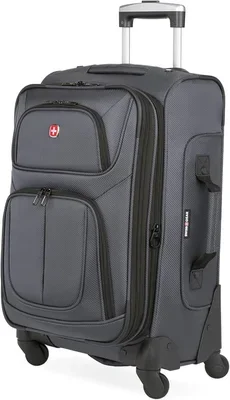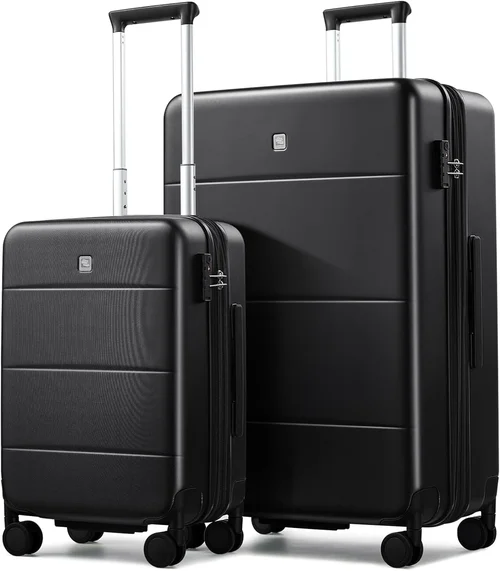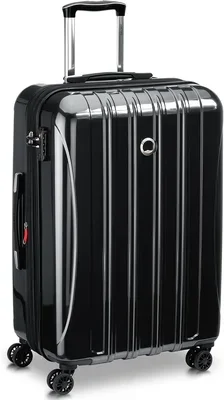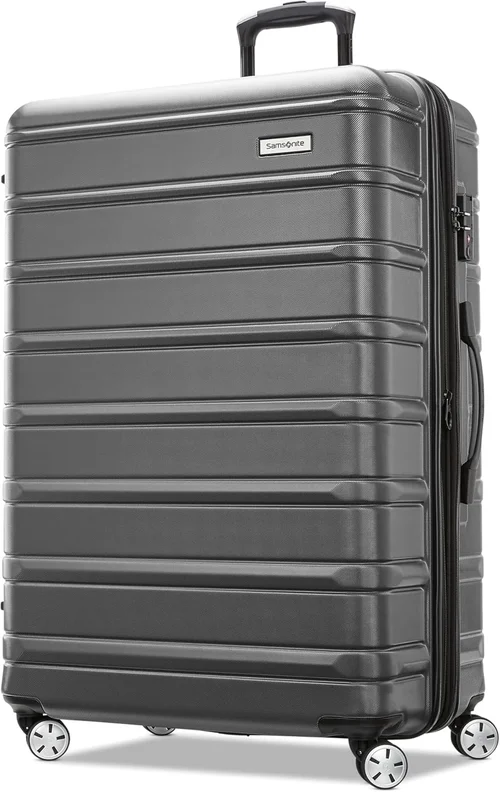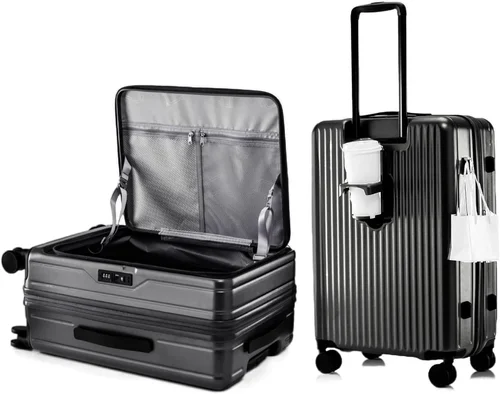
Choosing the right luggage can feel overwhelming with so many brands, materials, and features on the market. Whether you are a frequent flyer, a weekend road-tripper, or someone planning a once-in-a-lifetime adventure, the suitcase you pick becomes your trusted travel companion. This guide is designed to cut through the marketing noise and give you the practical knowledge you need to make a confident purchase. We will walk through every critical factor—from durability and wheel quality to warranty terms and packing organization—so you can match a bag to your unique travel style and budget.
By the end of this article, you will understand the difference between polycarbonate and ballistic nylon, know why spinner wheels matter more than you think, and be able to spot a genuine value versus an overpriced label. We’ll also break down the market into clear price tiers, highlight common buying mistakes, and share insider tips on when and where to shop. Think of this as your personal shopping consultant, ready to help you invest in luggage that will last for years of smooth journeys.

What to Look for When Buying Luggage
1. Durability and Material Quality
The material of your suitcase determines how well it withstands the rigors of baggage handling, weather, and time. Hard-shell cases typically use polycarbonate, ABS, or aluminum. Polycarbonate is the gold standard for a reason: it flexes under impact instead of cracking, making it incredibly resilient. ABS is cheaper but more brittle, while aluminum offers unmatched strength at a higher weight and price. Soft-shell luggage relies on fabrics like ballistic nylon (originally developed for military body armor) or high-denier polyester. Look for a denier rating of at least 800D for nylon or 1200D for polyester; higher numbers indicate a tighter, more tear-resistant weave. Reinforced corners, double-stitched seams, and protective wheel housings are telltale signs of a bag built to last.
2. Wheel System and Maneuverability
Wheels are the single biggest factor in day-to-day travel comfort. Two-wheel “roller” bags tilt and pull behind you; they handle rough pavement and curbs well but require you to bear some weight. Four-wheel “spinner” bags glide upright beside you, allowing 360-degree movement through crowded terminals and narrow airplane aisles. Not all spinners are created equal: look for recessed, multi-directional wheels made from polyurethane (rubbery and quiet) rather than hard plastic. Test the wheel housing—it should be molded into the shell, not just screwed onto a thin flange, to prevent snapping off after a few rough landings.
3. Handle Ergonomics and Telescoping Mechanism
A telescoping handle should lock securely at multiple heights to suit your stride. Cheap handles wobble, jam, or retract unexpectedly. Grip material matters too: contoured rubber or leatherette reduces hand fatigue during long walks. Some premium models feature a “comfort grip” that wraps around the entire handle tube, distributing pressure evenly. Check that the handle tubes are made from aircraft-grade aluminum or reinforced steel; plastic tubes bend under heavy loads.
4. Internal Organization and Packing Features
Smart interior design turns a chaotic pile into a neatly arranged wardrobe. Essential features include a full-length zippered divider, compression straps to cinch down clothing, and multiple mesh pockets for toiletries, electronics, and dirty laundry. Some bags offer a removable suiter sleeve for suits or dresses, while others include a dedicated laptop compartment that meets TSA checkpoint-friendly standards. Consider whether you prefer a clamshell opening (two equal halves) or a lid-style opening (one deep bucket and a shallow lid); clamshells are easier to pack evenly, while lid styles accommodate bulky items better.
5. Size, Weight, and Airline Compliance
Airlines enforce strict carry-on dimensions (typically 22 x 14 x 9 inches including wheels and handles) and weight limits (often 15–22 lbs for international carriers). A lightweight bag maximizes your packing allowance—aim for under 7 lbs for a carry-on and under 10 lbs for a checked large. Expandable zippers add 1–2 inches of depth, useful for souvenirs, but remember that an expanded bag may exceed carry-on limits. Always measure your bag yourself; manufacturer specs sometimes omit protruding wheels or handles.
6. Security Features
TSA-approved combination locks are standard on quality luggage, allowing security agents to inspect your bag without cutting the lock. Some brands integrate the lock into the zipper pulls for a sleek look. For added peace of mind, look for double-coil YKK or SBS zippers that resist forced entry, and consider a bag with a built-in USB port connected to a removable power bank (the bank must be removed for flight).
7. Warranty and Customer Support
A warranty reflects the manufacturer’s confidence. Limited lifetime warranties covering defects in materials and workmanship are common among reputable brands. Read the fine print: some exclude airline damage, zippers, or wheels after a certain period. Brands with dedicated repair centers or easy online claims processes save you headaches. A strong warranty can justify a higher upfront cost because it protects your investment for decades.
8. Brand Reputation and User Reviews
Established brands like Travelpro, Briggs & Riley, Rimowa, Samsonite, and Away have built reputations through consistent quality and responsive service. However, newer direct-to-consumer brands often offer comparable specs at lower prices. Dive into verified purchaser reviews on retailer sites and forums—look for patterns in complaints about wheel failure, handle jams, or zipper splits. A single bad review is an outlier; dozens mentioning the same issue signal a design flaw.
Different Types of Luggage

Common Buying Mistakes to Avoid

❌ Mistake: Choosing Style Over Substance
Why it’s bad: A beautiful leather-trimmed suitcase may look elegant but can weigh 12 lbs empty, leaving little allowance for your belongings. Glossy finishes show every scratch, and delicate hardware fails under stress.
What to do instead: Prioritize function first—material, wheels, handle—then pick a color or finish you like. Many brands offer sleek, durable designs in modern palettes.
❌ Mistake: Ignoring Airline Size Restrictions
Why it’s bad: Buying a “carry-on” that’s actually 23 inches tall forces you to gate-check it, risking damage and fees.
What to do instead: Measure the bag yourself (including wheels and handle) against your most frequent airline’s limits. Keep a tape measure handy when shopping in-store.
❌ Mistake: Overlooking Weight
Why it’s bad: A heavy empty bag eats into your weight allowance, leading to overweight fees or forced repacking at the counter.
What to do instead: Target carry-ons under 7 lbs and checked bags under 10 lbs. Ultralight models exist without sacrificing durability.
❌ Mistake: Skimping on Wheels
Why it’s bad: Cheap plastic wheels crack, seize, or wobble, turning a smooth glide into a frustrating drag.
What to do instead: Invest in spinner wheels with sealed ball bearings and polyurethane tread. Test roll the bag on a hard floor before buying.
❌ Mistake: Not Checking Warranty Details
Why it’s bad: A “lifetime warranty” that excludes airline damage or requires you to ship the bag at your own expense is nearly useless.
What to do instead: Read the warranty policy online. Choose brands with no-questions-asked repair or replacement for the first few years.
❌ Mistake: Buying a Set You Don’t Need
Why it’s bad: Three-piece sets often include a size you’ll never use, wasting money and storage space.
What to do instead: Build your collection piece by piece. Start with a quality carry-on, add a checked bag only when trips demand it.
❌ Mistake: Forgetting About Repairability
Why it’s bad: Integrated wheels or riveted handles that can’t be replaced turn a minor break into a total loss.
What to do instead: Look for modular components—removable wheel assemblies, replaceable handle tubes, and zipper pulls that can be swapped.
Budget Guidelines: How Much Should You Spend?
Entry-Level ($50 – $150)
At this tier you’ll find mostly ABS hard-shells and polyester soft-shells. Wheels are often basic two-wheel rollers or low-end spinners. Zippers may be single-coil, and handles typically have two fixed heights. These bags suit occasional travelers—maybe one or two trips a year—who prioritize low cost over longevity. Expect a lifespan of 2–4 years with careful use. Brands like Amazon Basics, Rockland, and Merax dominate here.
Mid-Range ($150 – $350) – The Sweet Spot
This is where most frequent travelers should focus. Polycarbonate shells, quality spinner wheels (often Hinomoto or similar), multi-stage aluminum handles, and YKK zippers become standard. Warranties extend to 5–10 years or limited lifetime. Interior organization gets thoughtful: compression panels, wet pockets, and removable laundry bags. Leading names include Travelpro Platinum Elite, Samsonite Freeform, Away The Carry-On, and Briggs & Riley Baseline (on sale). A bag from this tier can easily last a decade.
Premium ($350 – $700)
Premium luggage adds refined details: magnesium or carbon-fiber handle tubes, whisper-quiet Japanese spinner wheels, integrated TSA locks with USB ports, and hand-stitched leather accents. Materials may include German Makrolon polycarbonate or Tegris composite. Brands like Rimowa Essential, Tumi Alpha 3, and Briggs & Riley Sympatico live here. You’re paying for lighter weight, smoother roll, and a repair network that can service your bag anywhere in the world.
Luxury ($700+)
At the top end, luggage becomes a status object. Think Rimowa Original (aluminum grooves), Globe-Trotter vulcanized fiberboard, or Louis Vuitton Horizon. These feature handcrafted construction, bespoke customization, and concierge-level service. While undeniably durable, the price premium is largely for heritage and aesthetics. Buy these if you love the craft and can afford the indulgence—not because you need better performance than a $400 polycarbonate spinner.
Expert Tips for Getting the Best Deal
- Shop Off-Season: January (post-holiday) and September (back-to-school) see deep discounts as retailers clear inventory.
- Monitor Holiday Sales: Black Friday, Cyber Monday, and Prime Day regularly offer 20–40% off mid-range and premium models.
- Buy Direct for Warranty: Purchasing from the brand’s website ensures full warranty coverage; some third-party sellers are unauthorized, voiding the guarantee.
- Use Price-Tracking Tools: Browser extensions like Honey or CamelCamelCamel alert you when a specific model drops below your target price.
- Consider Refurbished or Open-Box: Brands like Briggs & Riley and Travelpro sell factory-refurbished units with full warranties at 30–50% off.
- Test In-Store, Buy Online: Visit a luggage store to feel the handle, roll the wheels, and check interior layout, then order the exact model online for a better price.
- Check Return Policies: A 30-day no-questions return lets you test-pack at home and simulate a trip before committing.
- Register Your Product: Immediately register the serial number online; it speeds up warranty claims and proves ownership if the bag is lost.
Frequently Asked Questions
Q: What is the difference between polycarbonate and ABS hard-shell luggage?
A: Polycarbonate is a high-performance thermoplastic that flexes under impact, resisting cracks and returning to shape. ABS is a cheaper, more rigid plastic that shatters or cracks under heavy stress. Polycarbonate bags cost more but last significantly longer.
Q: Are spinner wheels worth the extra cost over two-wheel rollers?
A: For most travelers, yes. Spinners allow you to push the bag upright beside you, reducing wrist strain and navigating tight aisles effortlessly. Two-wheel rollers are better only if you frequently traverse cobblestones, gravel, or snow where larger, fixed wheels roll more smoothly.
Q: How do I clean and maintain my luggage?
A: Wipe hard shells with a damp cloth and mild soap; avoid harsh chemicals. For soft shells, spot-clean with a fabric cleaner. Lubricate wheel bearings annually with silicone spray. Store bags open in a dry place to prevent mold.
Q: Can I repair a broken wheel or handle myself?
A: Many mid-range and premium bags use modular wheel assemblies that unscrew with a Phillips head. Handles often slide out after removing a few screws. Check the manufacturer’s website for replacement parts and instructional videos.
Q: What does “TSA-approved lock” mean?
A: It means the lock has a master key accessible only to Transportation Security Administration agents. They can open, inspect, and relock your bag without cutting the lock. All reputable brands include this feature.
Q: Is a built-in USB charger useful?
A: It’s convenient if you already carry a power bank. The bag provides a pass-through cable to an external port; you supply the battery. Remember to remove the power bank before checking the bag, as lithium batteries are prohibited in cargo holds.
Q: How many liters of capacity do I need for a week-long trip?
A: A 40–50 liter checked bag (24–26 inch) typically holds a week’s clothing for one person. If you pack light or use packing cubes, a 35 liter carry-on might suffice.
Q: Are packing cubes worth using inside luggage?
A: Absolutely. They compress clothing, keep categories separate, and make unpacking/repacking during multi-city trips a breeze. They also protect delicate fabrics from zippers and velcro.
Q: What should I do if my luggage is damaged by an airline?
A: Report it immediately at the airline’s baggage service office before leaving the airport. File a written claim, take photos, and keep receipts. Most airlines have a liability limit (around $3,800 domestic US), but they often repair or replace on the spot for minor damage.
Q: Can I use a carry-on as my only bag for a two-week trip?
A: Yes, with disciplined packing: choose versatile, wrinkle-resistant fabrics, roll clothes, use packing cubes, and plan to do laundry. Many travelers embrace “one-bag travel” for the freedom it brings.
Our Final Recommendations
- Best for Budget-Conscious Buyers: Amazon Basics 21-Inch Hardside Spinner – Under $100, surprisingly smooth wheels, decent polycarbonate shell. Great for a few trips a year.
- Best Overall Value: Travelpro Platinum Elite 22-Inch Carry-On – Around $250, precision glide wheels, comfortable handle, lifetime warranty with trusted repair network. The choice of airline crews worldwide.
- Best Premium Option: Briggs & Riley Sympatico CX 22-Inch Spinner – Near $500, but includes lifetime “no questions asked” warranty (even airline damage), CX expansion system, and superb organization.
- Best for Beginners: Away The Carry-On – Simple, stylish, direct-to-consumer pricing (~$275), built-in battery pocket, and a 100-day trial period. Easy to love and easy to return if not.
- Best for Advanced Users / Frequent Flyers: Rimowa Essential Cabin – ~$600, German-engineered polycarbonate, iconic grooves, whisper-quiet wheels, and a global service network. A buy-once-cry-once investment.
Conclusion: Making the Right Choice
You now have a comprehensive framework for evaluating any piece of luggage. Start by defining your travel patterns: how often you fly, whether you check bags or carry on, and what environments you’ll encounter. Match those needs to the factors we covered—material, wheels, handle, organization, size, security, warranty, and brand reputation. Remember that the “best” luggage is the one that fits your habits, not the one with the most Instagram tags.
Invest in the highest quality you can afford within the mid-range sweet spot; it pays dividends in saved replacement costs and travel peace of mind. Use the expert tips to time your purchase, verify warranty coverage, and test before you commit. And don’t forget the small upgrades—packing cubes, a luggage scale, and a distinctive tag—that make every journey smoother.
Your perfect travel companion is out there. Armed with this knowledge, you’re ready to find it, buy it confidently, and focus on what really matters: the adventures waiting at your destination. Safe travels!