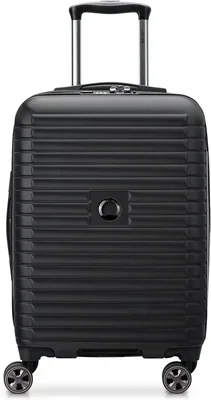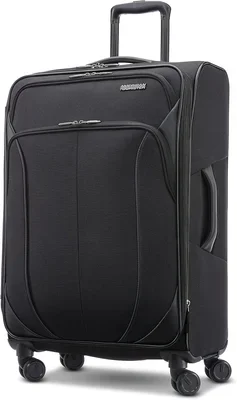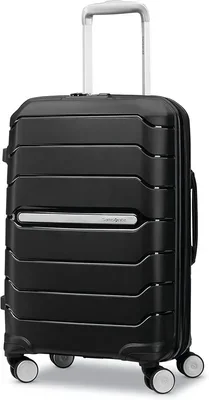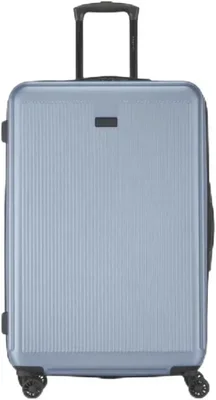

Introduction
Choosing the right expandable luggage can feel overwhelming, especially when you are navigating the busy travel scene in Singapore. With countless brands, sizes, and price points, it is easy to get lost in specifications that sound impressive on paper but do not translate to real‑world convenience. This guide is designed to cut through the noise and give you a clear, step‑by‑step framework for selecting expandable luggage that matches your travel style, budget, and the unique demands of Singapore’s climate and airline regulations.
In the next sections you will learn the most important factors to evaluate first, how different luggage types compare side by side, the common pitfalls that even seasoned travelers fall into, and a realistic budget breakdown so you know exactly what you get for every dollar spent. By the end of this article you will have the confidence to walk into a store or click “add to cart” knowing you have made an informed decision.
Singapore’s position as a major aviation hub means you have access to a wide range of international and local retailers, frequent sales events, and a competitive warranty landscape. Understanding how to leverage these advantages will save you money and ensure your luggage lasts through countless trips, whether you are heading to a weekend getaway in Bali or a month‑long business tour across Europe.
What to Look for When Buying Expandable Luggage
1. Size and Airline Compliance
Size is the first filter you should apply. Most airlines operating out of Changi Airport enforce strict carry‑on dimensions, typically around 55 cm × 35 cm × 25 cm including wheels and handles. Checked baggage allowances vary by carrier and fare class, but a common maximum is 158 cm linear (length + width + height). Expandable luggage adds a zip‑out panel that can increase depth by 3–5 cm, so verify that the expanded dimensions still fall within your airline’s limits. If you frequently fly low‑cost carriers like Scoot or Jetstar, prioritize a model that stays within the tightest carry‑on envelope even when expanded.
2. Build Quality and Materials
The shell material determines durability, weight, and resistance to Singapore’s humid climate. Polycarbonate (PC) offers a strong‑to‑weight ratio and flexes under impact, making it a popular choice for hard‑shell expandable cases. ABS is cheaper but more brittle; it can crack after a hard drop. For soft‑shell options, look for high‑denier ballistic nylon (e.g., 1680D) or Cordura fabric, which resists abrasion and water. Reinforced corners, double‑stitched seams, and a sturdy frame (often aluminum or fiberglass) are tell‑tale signs of a case that will survive baggage handlers and the occasional tropical downpour.
3. Expansion Mechanism and Capacity Gain
Not all expansion zippers are created equal. A quality expandable luggage piece uses a YKK or similar brand zipper with a lockable slider that stays sealed under pressure. The expansion gusset should be lined with a durable fabric that does not tear when the case is stuffed. Typical capacity gain ranges from 15 % to 30 % (roughly 5–10 liters on a 70‑liter suitcase). Test the zipper in store: it should glide smoothly, not snag, and the expanded panel should lie flat when closed.
4. Wheel System and Maneuverability
Four‑wheel spinner systems are now the gold standard because they allow 360° movement, reducing wrist strain on long terminal walks. Look for wheels with a sealed ball‑bearing hub and a polyurethane tread — these roll quietly on both polished airport floors and rougher sidewalks. Two‑wheel “inline” models can be lighter and more stable on uneven surfaces, but they require tilting. If you often navigate crowded MRT stations or hawker centres with your luggage, spinners give you the edge.
5. Handle Ergonomics and Locking System
A telescopic handle should have at least three height stops, a comfortable grip (rubberized or contoured), and a smooth lock‑release button. Cheap handles wobble or jam after a few extensions. For security, a TSA‑approved combination lock integrated into the frame is essential; it lets customs agents inspect your bag without cutting the lock. Some premium models add a fingerprint or Bluetooth lock, but a solid mechanical TSA lock is usually sufficient and more reliable.
6. Interior Organization and Compression
Inside, you want a layout that keeps clothes wrinkle‑free and separates clean from dirty items. Look for a full‑length divider with a zippered mesh pocket, multiple compression straps, and a dedicated shoe or laundry compartment. Some expandable suitcases include a removable packing cube set that fits perfectly into the expanded volume, turning the extra space into organized modules rather than a chaotic void.
7. Weight and Portability
Every gram counts when you are trying to stay under a 7 kg carry‑on limit. Hard‑shell polycarbonate cases typically weigh 3.5–4.5 kg for a 24‑inch model, while soft‑shell nylon can be 2.5–3.5 kg. Remember that the expansion panel adds a few hundred grams. If you travel light, a lighter soft‑shell may be the better choice; if you prioritize protection for electronics or fragile items, the extra weight of a hard shell is justified.
8. Warranty, Service Centers, and Brand Reputation
In Singapore, brands with local service centers (e.g., Samsonite, Tumi, Briggs & Riley, Travelpro) allow you to claim repairs or replacements without shipping the bag overseas. A lifetime warranty on the frame and wheels is a strong indicator of confidence. Read recent reviews on platforms like Lazada, Shopee, and Qoo10, focusing on post‑purchase support experiences. A brand that honors warranty claims quickly will save you headaches down the road.
Different Types of Expandable Luggage

Common Buying Mistakes to Avoid
❌ Mistake: Ignoring Airline Size Limits When Expanded
Why it’s bad: Many travelers buy a suitcase that fits the carry‑on size only in its standard configuration. Once the expansion zipper is opened, the case exceeds the allowed dimensions, forcing you to check it at the gate and pay extra fees.
What to do instead: Verify the expanded dimensions against the strictest airline you fly with. Choose a model whose expanded depth still falls within the limit, or plan to use expansion only for checked baggage.
❌ Mistake: Prioritizing Price Over Wheel Quality
Why it’s bad: Cheap wheels crack or develop flat spots after a few trips, turning a smooth glide into a noisy drag. Replacing wheels on a budget case often costs more than the suitcase itself.
What to do instead: Invest in a model with sealed ball‑bearing spinner wheels from a reputable brand. Test the roll in store; it should feel effortless on both carpet and hard floor.
❌ Mistake: Overlooking Weight of the Empty Suitcase
Why it’s bad: A heavy empty case eats into your baggage allowance, especially on low‑cost carriers with 7 kg carry‑on limits. You may end up paying for overweight fees before you even pack.
What to do instead: Compare the tare weight of similar‑sized models. Aim for under 3.5 kg for a 24‑inch hard shell and under 2.8 kg for a soft shell.
❌ Mistake: Skipping Warranty Registration
Why it’s bad: Many brands require online registration within 30 days to activate the lifetime warranty. Missing this window leaves you without coverage for frame cracks or wheel failures.
What to do instead: Register the product immediately after purchase, keep the receipt, and note the local service center address.
❌ Mistake: Buying Without Testing the Expansion Zipper
Why it’s bad: A stiff or misaligned zipper can jam when the case is full, rendering the expansion feature useless and potentially damaging the fabric.
What to do instead: Open and close the expansion zipper several times in the store. It should move smoothly with one hand.
❌ Mistake: Assuming All TSA Locks Are Equal
Why it’s bad: Some low‑end locks use a simple three‑digit dial that can be easily forced. Others have a flimsy shackle that snaps under pressure.
What to do instead: Choose a lock with a hardened steel shackle and a smooth, resettable combination mechanism. Integrated frame locks are generally more secure than padlock‑style add‑ons.
❌ Mistake: Neglecting Interior Organization Features
Why it’s bad: A cavernous interior without dividers leads to wrinkled clothes, tangled cables, and difficulty finding items quickly.
What to do instead: Look for a full‑length divider, mesh pockets, compression straps, and a separate shoe/laundry bag. If the case lacks these, budget for a packing‑cube set.
Budget Guidelines: How Much Should You Spend?
Entry‑Level (SGD 120 – SGD 200)
At this tier you will find mostly ABS hard shells or basic polyester soft shells. Expect a two‑wheel inline system, a simple zipper expansion (often only 2 cm), and a basic TSA lock. Durability is acceptable for occasional leisure trips (once or twice a year) but the wheels and handle may show wear after 5–8 flights. Brands like American Tourister, Delsey’s entry lines, and local house brands dominate this segment. Good for students or first‑time buyers who want a functional expandable piece without a large outlay.
Mid‑Range (SGD 200 – SGD 450)
This is the sweet spot for most Singapore travelers. You get polycarbonate or high‑denier nylon, four‑wheel spinners with sealed bearings, a robust telescopic handle with multiple stops, and a well‑designed expansion gusset that adds 5–8 liters. Interior organization includes a divider, mesh pockets, and compression straps. Warranty typically covers 5–10 years on frame and wheels, with local service centers. Popular models: Samsonite Winfield 3 DLX, Travelpro Maxlite 5, Briggs & Riley Baseline (soft‑shell). These suitcases handle weekly business trips and family vacations alike.
Premium (SGD 450 – SGD 800)
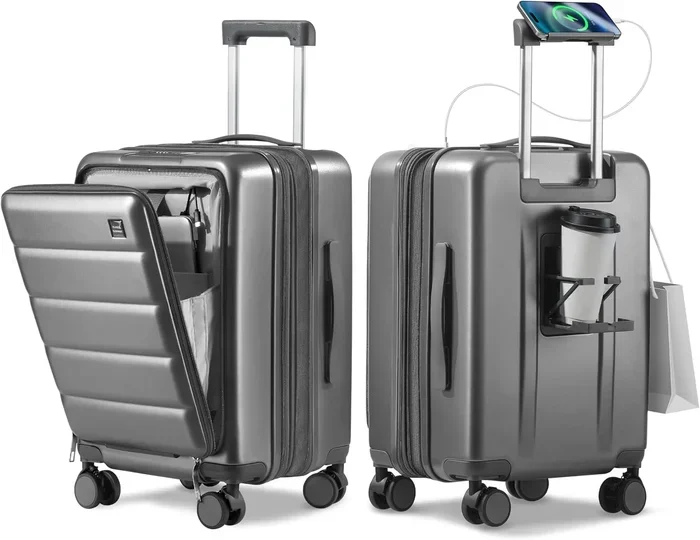
Premium models add refined details: self‑healing zippers, integrated USB charging ports (power bank not included), premium leather‑wrapped handles, and a lifetime “no‑questions‑asked” warranty. The expansion mechanism is often a hidden zipper that maintains a sleek profile. Materials may include Makrolon polycarbonate (higher impact resistance) or Cordura‑reinforced nylon. Brands: Tumi Alpha 3, Rimowa Essential (polycarbonate), Victorinox Spectra 2.0. Ideal for frequent flyers who value longevity and a polished aesthetic.
Luxury (SGD 800 +)
Luxury expandable luggage is as much a status accessory as a travel tool. Expect hand‑stitched leather accents, aircraft‑grade aluminum frames, bespoke interior layouts, and concierge‑level after‑sales service (door‑to‑door repair pickup). Brands like Rimowa Original, Globe‑Trotter, and high‑end Tumi collections sit here. The expansion feature is often a patented “flex‑divider” that adds volume without a visible zipper. Purchase only if the brand experience matters as much as function.
Expert Tips for Getting the Best Deal
- Time Your Purchase: Major sales periods in Singapore — Great Singapore Sale (June), 11.11, 12.12, and year‑end clearance — consistently offer 10‑30 % off on luggage. Plan to buy during these windows.
- Compare Online and Offline: Visit physical stores at IMM, Junction 8, or Changi Airport’s retail outlets to feel the weight and test wheels, then check Lazada, Shopee, and the brand’s official site for promo codes. Sometimes the online price includes free shipping and a complimentary packing‑cube set.
- Leverage Credit Card Perks: Cards like DBS Altitude, UOB PRVI Miles, or Citi PremierMiles often provide 5‑10 % cashback or miles on travel‑gear purchases at partner merchants (e.g., Tangs, Robinsons, Metro).
- Check Warranty Transferability: Some brands (Briggs & Riley, Tumi) allow warranty transfer to a second owner, which can increase resale value if you upgrade later.
- Inspect Return Policy: Retailers like LazMall and Shopee Mall offer 7‑day free returns. Keep the original packaging and tags until you are sure the suitcase fits your airline’s carry‑on gauge.
- Test With Your Typical Load: Pack the suitcase with the clothes and gadgets you normally carry. Walk around the store for 5‑10 minutes. If the handle feels wobbly or the wheels squeak, move on.
- Consider a Luggage Set: If you need both a carry‑on and a checked piece, buying a matched set (often 2‑piece or 3‑piece) can save 15‑25 % versus purchasing individually.
- Read the Fine Print on “Lifetime Warranty”: Some warranties cover only the frame and wheels, not zippers, handles, or cosmetic damage. Know what is excluded before you rely on it.

Frequently Asked Questions
Q: What is the maximum expandable depth allowed for carry‑on on Singapore Airlines?
A: Singapore Airlines permits a carry‑on size of 55 cm × 35 cm × 25 cm (including wheels and handles). If your expandable luggage adds 4 cm of depth, the expanded depth must stay at or below 25 cm. Measure the fully expanded case before you fly.
Q: Can I use an expandable suitcase as a checked bag on budget airlines like Scoot?
A: Yes, but remember that Scoot’s checked baggage allowance is purchased separately and has a weight limit (usually 20 kg, 25 kg, or 30 kg). The expanded volume may tempt you to overpack, pushing you over the weight limit. Weigh the packed bag at home.
Q: Are hard‑shell expandable suitcases water‑resistant?
A: Polycarbonate shells are inherently water‑resistant, but the zipper gusset and seams can let moisture in during heavy rain. Look for a model with a water‑repellent zipper coating and a sealed gusset liner for better protection.
Q: How do I clean a soft‑shell expandable luggage after a trip?
A: Empty all compartments, brush off loose dirt, then wipe the exterior with a damp cloth and mild soap. For stubborn stains, use a fabric cleaner safe for nylon. Air‑dry completely before storing to prevent mold in Singapore’s humidity.
Q: Is it worth paying extra for a built‑in USB port?
A: The USB port is just a pass‑through; you still need your own power bank. If you already carry a power bank with a short cable, the port adds convenience. If you prefer a separate charger, you can skip this feature and save $30‑$50.
Q: What is the difference between a “spinner” and a “roller” wheel?
A: Spinner wheels rotate 360°, allowing you to push the suitcase upright beside you. Roller (inline) wheels only move forward/backward, requiring you to tilt the bag. Spinners are easier on wrists but can be less stable on rough pavement.
Q: Can I replace the wheels myself if they break?
A: On many mid‑range and premium models, wheels are attached with screws and can be swapped using a basic screwdriver. Entry‑level cases often have riveted wheels that are not user‑replaceable. Check the manufacturer’s spare‑parts policy before buying.
Q: How do I know if a TSA lock is genuine?
A: Genuine TSA locks display the red diamond “Travel Sentry” logo and a three‑digit code that TSA agents can open with a master key. Counterfeit locks lack the logo and may not open for inspection, leading to cut locks.
Q: Should I buy a luggage cover for extra protection?
A: A stretchable luggage cover can shield the shell from scratches and keep the expansion zipper clean. It adds minimal weight and costs $15‑$30. Worth it if you frequently check your bag on conveyor belts.
Q: What is the best way to store expandable luggage when not in use?
A: Store it fully collapsed, empty, and in a cool, dry place. Avoid stacking heavy items on top, which can deform the frame. A breathable dust bag prevents moisture buildup.
Our Final Recommendations
Best for Budget‑Conscious Buyers
American Tourister Soundbox 2.0 (24‑inch) – Priced around SGD 180, this polycarbonate spinner offers a modest 3 cm expansion, decent double‑spinner wheels, and a 3‑year warranty. It covers the basics without frills, making it ideal for occasional holiday makers.
Best Overall Value
Samsonite Winfield 3 DLX (25‑inch) – At roughly SGD 320, you get a Makrolon polycarbonate shell, four multi‑directional spinner wheels, a TSA‑approved combination lock, and a 10‑year limited warranty with local service centers. The expansion adds 5 liters and the interior includes a full divider and compression straps. It balances durability, weight (3.6 kg), and price for the majority of Singapore travelers.
Best Premium Option
Tumi Alpha 3 Continental Carry‑On (Expandable) – Around SGD 650, this ballistic nylon spinner features a patented “X‑Brace” handle, self‑healing zippers, a removable garment sleeve, and a lifetime warranty that covers even accidental damage. The expansion zipper is hidden, preserving a sleek profile. Perfect for weekly business flyers who demand reliability and a professional look.
Best for Beginners
Travelpro Maxlite 5 (21‑inch Carry‑On) – Lightweight at 2.3 kg, soft‑shell nylon, 2‑wheel inline design, and a 5 cm expansion. Priced near SGD 210, it is forgiving for first‑time buyers who want a simple, reliable bag that fits most low‑cost carrier overhead bins.
Best for Advanced Users / Frequent Flyers
Briggs & Riley Baseline Domestic Carry‑On Expandable – At about SGD 560, this hybrid uses a ballistic nylon exterior with a polycarbonate frame. The “CX” expansion system adds 2.5 inches of depth while maintaining structural integrity. Lifetime “Simple as that” warranty covers all functional components, and the brand’s Singapore service center offers same‑day repairs for most issues.
Conclusion: Making the Right Choice
Selecting expandable luggage in Singapore does not have to be a guessing game. Start by defining the primary use case — carry‑on only, checked baggage, or a versatile combo — then filter by size compliance, material durability, wheel quality, and warranty support. The mid‑range segment (SGD 200‑450) delivers the best balance of performance and longevity for most travelers, while premium and luxury tiers cater to those who value brand prestige, ultra‑lightweight tech, or lifetime service guarantees.
Remember to test the expansion zipper, verify expanded dimensions against your most restrictive airline, and register the warranty immediately. Leverage Singapore’s seasonal sales and credit‑card promotions to stretch your budget further. With the knowledge from this guide, you can walk into any luggage aisle or browse any e‑commerce platform confident that the suitcase you choose will keep pace with your journeys, from the bustling streets of Chinatown to the farthest corners of the globe.
Safe travels, and may your next adventure be as smooth as the spinner wheels on a well‑chosen expandable suitcase.