Choosing the right expandable spinner carry‑on can feel like navigating a maze of specifications, brand promises, and price tags. Whether you’re a frequent business traveler, a weekend adventurer, or someone who simply wants a reliable bag that fits overhead bins, the decision impacts every trip you take. This guide breaks down the essential factors, explains the jargon in plain language, and gives you a clear roadmap so you can purchase with confidence.
In the next sections you’ll learn what to prioritize first — size compliance, wheel quality, and expansion mechanism — before diving into materials, warranty coverage, and brand reputation. We’ll also compare the main categories of spinner carry‑ons, highlight common buying mistakes, and give you a realistic budget breakdown. By the end, you’ll have a shortlist of models that match your travel style and wallet.

What to Look for When Buying Buying Guide
1. Size Compliance and Airline Regulations
The very first filter is the external dimensions. Most U.S. carriers allow a maximum of 22 × 14 × 9 inches (including wheels and handles) for domestic flights, while many international airlines enforce a stricter 21.5 × 13.5 × 7.5 inch limit. Measure the bag yourself — manufacturers sometimes list “interior” dimensions that exclude the wheel housing. A bag that exceeds the limit by even half an inch can be gate‑checked, adding time and risk of damage. Look for a model that states “fits 99 % of overhead bins” and verify the claim against the specific airlines you fly most often.
2. Wheel System: Spinner vs. Inline, Bearing Quality, and Replaceability
Spinner wheels (four 360‑degree rotating casters) let you glide the bag beside you, reducing wrist strain. Inline wheels (two fixed wheels) are more durable on rough terrain but require tilting. For most travelers, a high‑quality spinner is the sweet spot. Examine the wheel housing: sealed ball bearings last longer than plain plastic bushings. Premium brands often use polyurethane‑coated wheels that absorb vibration and roll silently on tile, carpet, and cobblestones. Check whether the wheels are user‑replaceable — some designs let you pop out a worn wheel with a screwdriver, extending the bag’s life by years.
3. Expansion Mechanism and Volume Gain
Expandable carry‑ons typically add 1.5 to 2.5 inches of depth via a zippered gusset. That translates to roughly 15‑25 % extra packing space — enough for a bulky sweater or a pair of shoes. However, expansion can push the bag over the airline’s size limit. Choose a model with a “lock‑out” zipper that prevents accidental over‑expansion, and test the expanded dimensions before you travel. Some bags feature a hidden compression strap that keeps the expanded section flat when not needed, preserving the original profile.
4. Shell Material: Polycarbonate, ABS, Aluminum, and Hybrid Composites
Hard‑shell luggage dominates the spinner market. Polycarbonate (PC) offers the best strength‑to‑weight ratio, flexing under impact instead of cracking. ABS is cheaper but more brittle; it’s fine for occasional leisure trips. Aluminum shells are virtually indestructible but heavy (often 9‑11 lb empty) and can dent. Hybrid composites blend PC with a thin aluminum frame for added rigidity without the weight penalty. For a carry‑on you’ll lift into overhead bins frequently, aim for a PC or hybrid shell under 7 lb empty.
5. Handle System: Telescoping Height Stages, Grip Ergonomics, and Lock Integration
A smooth, multi‑stage telescoping handle should lock securely at each height (typically 38, 41, and 44 inches). Test the handle in store: extend and retract several times; it should glide without binding. The grip material matters — rubberized or contoured handles reduce hand fatigue on long walks through terminals. Many premium models integrate a TSA‑approved combination lock into the handle housing, eliminating the need for a separate padlock and keeping the lock flush with the shell.
6. Interior Organization: Dividers, Compression Straps, and Pocket Layout
Inside, look for a full‑length zippered divider that creates two separate compartments. One side often includes a mesh pocket for toiletries or electronics; the other side may have a garment sleeve or a dedicated laptop sleeve (usually 15‑inch). Compression straps (elastic or webbing) keep clothes from shifting and maximize space. Some bags add a removable “wet/dry” pouch for shoes or damp items — a handy feature for gym‑goers or beach travelers.
7. Warranty, Repair Network, and Customer Support
A warranty tells you how much the manufacturer trusts its product. Entry‑level brands often offer a 1‑year limited warranty covering defects only. Mid‑range brands extend to 3‑5 years and may include “wheel‑and‑handle” coverage. Premium brands (e.g., Briggs & Riley, Tumi) provide lifetime warranties with free repairs for functional damage, even if caused by airline handling. Verify whether the brand has authorized repair centers near major airports; a quick wheel replacement can save a trip.
8. Weight and Carry‑On Weight Allowance
Many airlines now enforce a 15‑lb (7 kg) total carry‑on weight limit, including the bag itself. An empty spinner that weighs 6.5 lb leaves only 8.5 lb for your belongings. Ultra‑light models (4.5‑5.5 lb) use thinner polycarbonate or advanced composites but may sacrifice some impact resistance. Balance weight against durability: if you pack heavy electronics, a slightly heavier, sturdier shell protects them better.
Different Types of Buying Guide

Common Buying Mistakes to Avoid
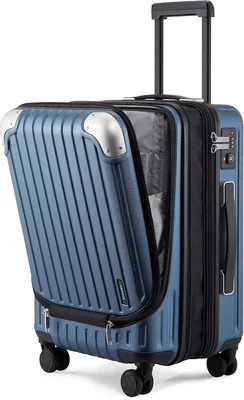
❌ Mistake: Ignoring Airline Size Limits
Why it’s bad: A bag that looks perfect in the store may be 0.5 inch too tall once the wheels are added. Gate‑checking forces you to wait at baggage claim and exposes the bag to rough handling.
What to do instead: Measure the bag yourself (including wheels and handle) and cross‑reference with the exact dimensions published by your most‑used airlines. Choose a model marketed as “global carry‑on” with a proven track record.
❌ Mistake: Prioritizing Looks Over Wheel Quality
Why it’s bad: Cheap plastic wheels seize up after a few trips, turning a smooth glide into a drag‑fest that strains your wrist and damages the bag’s base.
What to do instead: Spin the wheels in the store; they should rotate freely for several seconds. Look for sealed ball bearings and polyurethane tread. Read reviews that mention wheel longevity after 20+ flights.
❌ Mistake: Over‑Expanding and Exceeding Weight Limits
Why it’s bad: The expansion zipper adds volume but also weight. Airlines may weigh your carry‑on at the gate; an over‑weight bag incurs fees or forced check‑in.
What to do instead: Use the expansion only when you truly need it. Pack a portable luggage scale and weigh the bag before you leave home. Keep a “just‑in‑case” foldable duffel for overflow.
❌ Mistake: Buying the Cheapest Option Without Checking Warranty
Why it’s bad: A $60 spinner may save money upfront but often lacks a repair network. A broken handle or cracked shell means buying a new bag within a year.
What to do instead: Spend a bit more for a brand with at least a 3‑year warranty and accessible repair centers. The total cost of ownership drops dramatically when you can replace a wheel for $15 instead of the whole bag.
❌ Mistake: Overlooking Interior Layout for Your Packing Style
Why it’s bad: A beautiful exterior hides a single cavernous compartment with no dividers. Clothes wrinkle, shoes scuff electronics, and you waste time rummaging.
What to do instead: Visualize your typical packing list. If you carry a laptop, ensure a padded sleeve. If you pack suits, look for a garment strap. Test the interior with your own items if possible.
❌ Mistake: Assuming All TSA Locks Are Equal
Why it’s bad: Some integrated locks are flimsy, jam easily, or use a combination that’s hard to reset. A broken lock can delay security screening.
What to do instead: Choose a bag with a reputable TSA‑approved lock (e.g., Travel Sentry® certified). Practice setting and opening the combination before your first trip.
❌ Mistake: Not Testing the Handle Height for Your Stature
Why it’s bad: A handle that stops at 38 inches forces a 6‑ft traveler to hunch, causing back pain on long walks.
What to do instead: Extend the handle fully in the store and walk a few steps. Ensure at least one lock position matches your comfortable grip height (usually elbow‑level).
Budget Guidelines: How Much Should You Spend?
Understanding price tiers helps you set realistic expectations and avoid over‑paying for features you don’t need.
Entry‑Level ($60 – $120)
Typical construction: ABS or thin polycarbonate shell, basic inline or low‑grade spinner wheels, 1‑year limited warranty. Expect weight around 6.5‑7.5 lb. Good for occasional vacationers who fly once or twice a year and don’t mind replacing the bag every 2‑3 years. Interior usually has a single divider and minimal pockets.
Mid‑Range ($120 – $250)
Sweet spot for most travelers. Shell: quality polycarbonate or hybrid PC/aluminum frame. Wheels: sealed ball‑bearing spinners, often replaceable. Warranty: 3‑5 years, sometimes lifetime on frame. Weight: 5.5‑6.5 lb. Features include integrated TSA lock, compression straps, laptop sleeve, and a wet/dry pouch. Brands like Samsonite, Travelpro, and Delsey dominate this tier.
Premium ($250 – $450)
Materials: high‑grade polycarbonate (Makrolon®), magnesium‑reinforced corners, or full aluminum frame. Wheels: Japanese Hinomoto or similar ultra‑quiet bearings. Warranty: lifetime with free repair for functional damage. Weight: 5‑6 lb despite added rigidity. Extras: removable interior organization system, USB‑C pass‑through (power bank not included), RFID‑blocking pocket, and premium leather accents on handles.
Luxury ($450 +)
Top‑tier brands (Rimowa, Tumi, Briggs & Riley “Baseline” series). Shell: anodized aluminum or proprietary composite. Wheels: custom‑engineered, whisper‑quiet, fully serviceable. Warranty: unconditional lifetime, often with “no‑questions‑asked” replacement. Weight: 6‑8 lb (aluminum) or 4.5‑5.5 lb (advanced composite). Features: modular interior, built‑in digital scale, GPS tracker, and bespoke color options. These bags are investments — many owners keep them for decades.
Expert Tips for Getting the Best Deal
- Shop Off‑Season: Major sales occur in January (post‑holiday clearance), May (pre‑summer), and September (back‑to‑school). Retailers clear inventory to make room for new models.
- Sign Up for Brand Newsletters: Many manufacturers send a 10‑15 % welcome coupon plus early‑access to flash sales.
- Check Authorized Outlet Stores: Outlet locations often carry last‑year’s colors at 30‑40 % off with full warranty intact.
- Use Price‑Tracking Tools: Browser extensions like Honey or CamelCamelCamel alert you when a specific model drops below your target price.
- Consider Refurbished or “Open‑Box” Units: Reputable retailers (e.g., Amazon Warehouse, REI Used Gear) sell inspected returns with a 90‑day warranty — often indistinguishable from new.
- Bundle with a Travel Accessory Kit: Some brands throw in a packing cube set, toiletry bag, or luggage tag when you buy a carry‑on, adding $30‑$50 value.
- Read the Return Policy Before Buying: A 30‑day no‑questions‑asked return lets you test the bag on a real trip. Keep all tags and packaging until you’re sure.
- Test In‑Store with Your Own Items: Bring a laptop, a pair of shoes, and a jacket. Pack them exactly as you would travel. Feel the weight distribution, check the handle height, and verify the expansion zipper doesn’t snag.

Frequently Asked Questions
Q: What is the maximum size for a carry‑on on most U.S. airlines?
A: The standard domestic limit is 22 × 14 × 9 inches (56 × 36 × 23 cm) including wheels and handles. Always verify with your specific carrier, as some budget airlines enforce 21.5 × 13.5 × 7.5 inches.
Q: Can I use the expansion feature on a full flight?
A: Only if the expanded dimensions still fall within the airline’s size limit. Many expandable bags add 1.5‑2 inches of depth; measure the expanded bag before you check in. If you’re unsure, keep the expansion zipped shut.
Q: Are spinner wheels less durable than two‑wheel inline wheels?
A: Historically, yes — four small casters have more points of failure. Modern premium spinners use sealed ball bearings and reinforced wheel housings that match or exceed inline durability. Look for replaceable wheel modules.
Q: How do I clean a polycarbonate shell?
A: Wipe with a damp microfiber cloth and mild soap. Avoid abrasive cleaners or solvents that can dull the finish. For scuffs, a small amount of automotive plastic polish restores shine.
Q: What does “TSA‑approved lock” mean?
A: The lock can be opened by Transportation Security Administration agents using a master key without damaging the lock. Travel Sentry® certification guarantees this compatibility.
Q: Is a built‑in USB port worth the extra cost?
A: Only if you already carry a power bank and want the convenience of charging without opening the bag. The port is just a pass‑through; you still need to supply the battery. Many travelers find a separate external USB battery pack more flexible.
Q: How often should I replace the wheels on a spinner carry‑on?
A: With quality sealed bearings, wheels can last 5‑7 years of frequent travel. If you notice wobbling, noise, or resistance, replace them promptly — most brands sell wheel kits for $15‑$30.
Q: Can I check an expandable spinner as luggage if needed?
A: Yes, but the hard shell protects contents better than soft‑side bags. Remove any fragile items, lock the zippers, and consider a luggage strap for extra security.
Q: What’s the difference between a “global” and “domestic” carry‑on?
A: Global carry‑ons meet the stricter international size limits (typically 21.5 × 13.5 × 7.5 in). Domestic models may be slightly larger and risk gate‑check on overseas flights.
Q: Do I need a luggage cover or protector?
A: Not required, but a lightweight cover shields the shell from scratches and makes your bag easier to spot on the carousel. Some covers also add a thin layer of water resistance.
Our Final Recommendations
- Best for Budget‑Conscious Buyers: Amazon Basics 21‑Inch Hardside Spinner — ~ $85, 6.8 lb, 1‑year warranty, decent spinner wheels for occasional trips.
- Best Overall Value: Samsonite Freeform 21‑Inch Spinner — ~ $160, 6.2 lb, 10‑year limited warranty, replaceable Hinomoto wheels, integrated TSA lock, excellent interior organization.
- Best Premium Option: Travelpro Platinum Elite 21‑Inch Expandable Spinner — ~ $300, 5.8 lb, lifetime warranty, MagnaTrac® spinner wheels, built‑in USB‑C pass‑through, premium leather handle accents.
- Best for Beginners: Delsey Paris Chatelet 21‑Inch Spinner — ~ $190, 6.5 lb, 5‑year warranty, stylish faux‑leather trim, smooth double‑spinner wheels, easy‑to‑use expansion lock.
- Best for Advanced Users / Frequent Flyers: Briggs & Riley Baseline Domestic Carry‑On Expandable Spinner — ~ $470, 6.0 lb, unconditional lifetime warranty, CX™ expansion system (adds 25 % volume without exceeding size), ballistic nylon exterior with self‑healing zippers.
Conclusion: Making the Right Choice
Selecting an expandable spinner carry‑on is a balance of size compliance, wheel performance, shell durability, interior layout, and warranty support — all weighed against your travel frequency and budget. Start by confirming the exact dimensions your airlines allow, then prioritize a high‑quality spinner wheel set and a polycarbonate or hybrid shell that stays under 7 lb empty. Mid‑range models typically deliver the best cost‑per‑trip value, while premium and luxury tiers pay off for road warriors who demand lifetime serviceability and cutting‑edge features.
Remember to test the handle height, expansion zipper, and interior organization with your own gear before committing. Use seasonal sales, brand newsletters, and price‑tracking tools to snag a quality bag at a fair price. With the right carry‑on, every journey — from a quick business hop to a month‑long adventure — starts with confidence and ends with your belongings intact.
Ready to upgrade your travel game? Pick the tier that matches your mileage, apply the expert tips above, and you’ll be rolling through terminals with a smile. Safe travels!