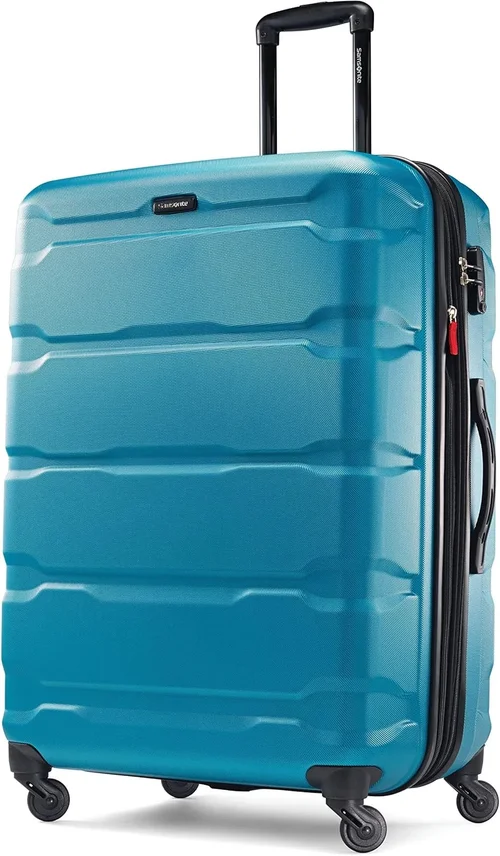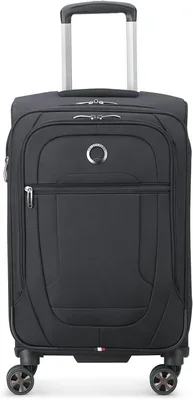
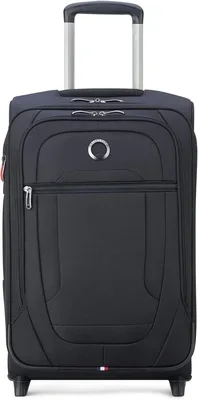
Shopping for a carry-on can feel overwhelming when you stand in the luggage aisle or scroll through endless online listings. You see words like polycarbonate, spinner wheels, TSA locks, and expansion zippers, and you wonder which ones actually matter for your travel style. The Delsey Helium Hyperlite series has earned a loyal following because it hits a sweet spot between lightweight design and serious durability. This guide exists to cut through the marketing noise and help you understand exactly what you are paying for. We will walk through every feature that impacts your daily travel experience so you can decide if this line fits your needs or if your money is better spent elsewhere.
By the time you finish reading, you will know how to evaluate shell materials, wheel systems, handle ergonomics, and interior organization like a seasoned buyer. We will compare the Hyperlite against its main competitors in the same weight class. We will also break down the real-world differences between the two-wheel trolley version and the four-wheel spinner version so you can choose the right configuration. Whether you are a weekly business traveler, a weekend adventurer, or someone who just wants a reliable bag for occasional trips, this guide will give you the confidence to make a smart purchase.
The carry-on market is crowded with brands promising the lightest, strongest, or smartest luggage. Delsey has been a French heritage brand since 1946, and the Helium line represents their modern answer to the demand for ultra-light hardside cases. The Hyperlite iteration pushes the weight down even further while keeping the structural integrity travelers expect. Understanding where this bag sits in the broader landscape—entry-level, mid-range, or premium—will save you from overpaying for features you don’t need or underbuying and regretting it at the gate. Let’s dive in.

What to Look for When Buying Buying Guide
1. Weight and Airline Compliance
Weight is the single most critical factor for a carry-on because every ounce counts toward airline limits. Most domestic US carriers allow a carry-on up to 22 x 14 x 9 inches including wheels and handles, but they rarely weigh your bag at the gate. International carriers and budget airlines are strict. They often enforce a 7 kg (15.4 lb) or even 5 kg (11 lb) limit. The Delsey Helium Hyperlite 2-wheel trolley typically weighs around 5.3 to 5.7 pounds depending on the exact size. That leaves you roughly 9 to 10 pounds for your belongings on a strict 15-pound limit. If you pack heavy, a lighter bag is not a luxury. It is a necessity.
When evaluating weight, look at the spec sheet for the “empty weight.” Then add a realistic packing load. A 5.5-pound bag packed to 15 pounds total means you have 9.5 pounds for clothes, shoes, toiletries, and electronics. That is tight for a week-long trip. The Hyperlite shines here because Delsey uses a specific polypropylene composite that is lighter than standard polycarbonate but still rigid. Check the dimensions carefully. The expandable version adds up to 2 inches of depth when unzipped. That expanded size often exceeds overhead bin limits. Use the expansion only when you check the bag or fly on aircraft with larger bins.
2. Shell Material and Impact Resistance
The Hyperlite uses a 100% polypropylene shell. You will see polycarbonate, ABS, and polypropylene marketed across the luggage aisle. Here is the plain English difference. Polycarbonate is the gold standard for impact resistance. It flexes under pressure and snaps back. It is heavier. ABS is cheaper, more brittle, and cracks easier in cold weather. Polypropylene sits in the middle. It is lighter than polycarbonate and more flexible than ABS. It handles impacts by flexing rather than cracking. For a carry-on that lives in overhead bins and gets shoved under seats, polypropylene is a smart engineering choice.
Delsey molds the Hyperlite shell with structural ribs and a textured finish. The ribs act like the frame of a car. They distribute force across the surface so a corner hit does not crack the center. The texture hides scratches better than high-gloss finishes. If you check this bag occasionally, polypropylene holds up better than ABS but shows more cosmetic wear than premium polycarbonate over years of baggage handling. For carry-on only use, it is an excellent balance.
3. Wheel System: Two-Wheel vs Four-Wheel
This guide focuses on the 2-wheel trolley version. Two-wheel bags have larger diameter wheels recessed into the shell. They roll behind you like a traditional suitcase. They excel on rough pavement, cobblestones, curbs, and airplane aisles. The recessed design protects the wheels from snapping off during rough handling. You tilt the bag and pull. It tracks straight naturally. The downside is you bear the weight on your arm and wrist.
Four-wheel spinners have four 360-degree casters. You push them beside you upright. They feel weightless on smooth floors. They struggle on uneven surfaces. The wheels protrude. They are vulnerable to damage. They also consume interior volume because the wheel housings intrude into the packing space. The Hyperlite 2-wheel version gives you slightly more usable interior cubic inches because the wheels are fully recessed. If you navigate European train stations, cracked sidewalks, or gravel paths, two wheels are superior. If you glide through modern airports and hotel lobbies, four wheels feel easier. Choose based on your typical terrain.
4. Handle System and Ergonomics
The telescoping handle is your connection to the bag. A poor handle makes a light bag feel heavy. The Hyperlite uses a double-tube aluminum trolley system with a push-button release. Look for three key things. First, the number of height stops. Multiple stops let you lock the handle at your exact height. This prevents hunching or reaching. Second, the grip material. A contoured rubber or gel grip reduces hand fatigue on long walks. Third, the tube thickness and wall strength. Thin aluminum bends if you yank a stuck bag. The Hyperlite’s tubes are rated for heavy loads. Test the action if you can. It should extend and retract smoothly without grinding or wobble.
Also check the top carry handle and side carry handle. They should be padded and riveted or bolted through the shell, not just screwed into plastic. You will use these to lift the bag into overhead bins, into car trunks, and onto luggage racks. A comfortable side handle makes a surprising difference when you hoist a 15-pound bag above your head.
5. Interior Organization and Expansion
Open the bag. Look at the divider. The Hyperlite typically features a full-zip divider on one side and compression straps on the other. The zip divider creates two separate compartments. It often has a mesh pocket for laundry or shoes. Compression straps hold clothes flat and prevent shifting. Shifting clothes create wrinkles and waste space. Good straps have strong buckles that don’t slip. The expansion zipper runs around the perimeter. When unzipped, the gusset adds roughly 1.5 to 2 inches of packing depth. This is huge for return trips with souvenirs. Remember: expanded bags often fail carry-on sizers. Use expansion strategically.
Check the lining material. It should be tear-resistant polyester or nylon. Cheap lining shreds on Velcro or zipper teeth. Look for a dedicated laptop or tablet sleeve if you carry electronics. The Hyperlite often includes a padded pocket on the divider. If not, you can add a sleeve. Small details like a wet pocket for toiletries or a zippered valuables pocket add daily convenience.
6. Security Features: Locks and Zippers
TSA-approved combination locks are standard on quality carry-ons. The Hyperlite integrates a recessed TSA lock into the shell. This means the lock body sits flush. It won’t snag on conveyor belts or other bags. The lock secures both main compartment zippers to a single point. You set a three-digit code. TSA agents have a master key to open it for inspection without cutting the lock. This is mandatory for travel to and within the USA.
Zipper quality matters more than the lock. YKK or comparable brand zippers with large teeth resist bursting under pressure. The Hyperlite uses coil zippers with large pulls. Coil zippers self-heal if teeth misalign. They flex around corners better than tooth zippers. Check that the zipper pulls have a loop for a cable tie or lock shackle as a backup. If the integrated lock fails, you can still secure the bag.
7. Warranty and Brand Support
Delsey offers a 10-year limited warranty on the Helium Hyperlite. Read the fine print. It covers manufacturing defects in materials and workmanship. It does not cover airline damage, cosmetic wear, or misuse. The warranty claim process requires proof of purchase and photos. Register your bag online immediately after buying. This speeds up claims. Delsey has authorized repair centers in many countries. This is a major advantage over direct-to-consumer brands with no physical repair network. A broken wheel or handle in a foreign city is a crisis. A brand with global support turns it into a minor errand.
8. Price-to-Value Ratio
The Hyperlite typically retails between $200 and $280 depending on size and retailer. This places it firmly in the mid-premium tier. You pay for the brand heritage, the proprietary lightweight shell, the recessed wheel design, and the warranty network. Cheaper bags at $100 use ABS shells, basic wheels, and have no repair support. Premium bags at $400+ use aerospace-grade polycarbonate, Japanese Hinomoto wheels, and lifetime warranties. The Hyperlite sits in the rational middle. You get 90% of the performance for 60% of the premium price. That is the definition of value.
Different Types of Buying Guide

Common Buying Mistakes to Avoid
❌ Mistake: Buying Based Only on Weight Specs
Why it’s bad: A 4.5-pound bag sounds amazing until you realize the shell cracks on the first checked flight, the wheels wobble after two trips, and the handle jams. Ultra-light often means ultra-thin materials and minimal structural reinforcement. You end up replacing the bag in a year.
What to do instead: Look for the weight-to-durability ratio. The Hyperlite at 5.5 pounds uses a reinforced polypropylene composite. It survives real travel. Accept a half-pound penalty for years of service. Read reviews from owners who have used the bag for 2+ years.
❌ Mistake: Ignoring Your Home Airport Terrain
Why it’s bad: You buy a spinner because it feels light in the store. Your home airport has long walks on textured concrete, a tram ride with gaps, and a cobblestone pickup zone. The small casters jam. You end up carrying the bag sideways. The wheels snap off.
What to do instead: Match the wheel system to your reality. If you face curbs, cracks, gravel, or old pavement, choose the 2-wheel Hyperlite. The larger recessed wheels roll over obstacles that stop spinners cold. Test the bag on a similar surface before committing.
❌ Mistake: Overpacking Because It Expands
Why it’s bad: The expansion zipper adds 30% more volume. You fill it. The bag now measures 24 inches deep. The gate agent flags it. You pay a $60 checked bag fee. The overstuffed zipper strains and eventually fails. The compression straps can’t hold the load.
What to do instead: Treat expansion as a return-trip feature. Pack the base volume for departure. Use the extra space for dirty laundry separation or souvenirs coming home. If you need more space departing, check a larger bag or ship items ahead.
❌ Mistake: Skipping the Warranty Registration
Why it’s bad: A wheel bearing fails in Year 3. You contact Delsey. They ask for proof of purchase and registration. You threw away the receipt. You never registered. The warranty is void. You pay $80 for a wheel kit plus shipping.
What to do instead: Register the bag on Delsey’s website the day it arrives. Upload a photo of the receipt. Save the confirmation email. Take a photo of the serial number tag inside the bag. This takes five minutes and protects a $250 investment.
❌ Mistake: Choosing Color Only for Aesthetics
Why it’s bad: You love the sleek black or navy. So does everyone else. At baggage claim or the overhead bin, you waste time checking tags. You accidentally grab someone else’s identical bag. Dark colors show scuffs and transfer marks more visibly.
What to do instead: Pick a distinctive color or add a bright luggage tag, strap, or handle wrap. The Hyperlite comes in several shades. A unique hue saves minutes per trip and reduces mix-ups. It also makes your bag easy to spot on the carousel if you ever check it.
❌ Mistake: Assuming All Carry-Ons Fit All Bins
Why it’s bad: The spec says 22 x 14 x 9. You buy it. You board a regional jet (CRJ/ERJ) or a budget airline with smaller bins. The bag doesn’t fit wheels-first. You must gate-check it. The gate-check tag tears the handle. The bag gets soaked in rain on the tarmac.
What to do instead: Know your aircraft. If you frequently fly regional jets, measure the actual bin depth or ask the airline. The Hyperlite 2-wheel is slightly shallower than spinners because wheels are recessed. This gives you a better chance. But never assume. Have a packing plan for gate-check scenarios (remove electronics, medications, valuables).
❌ Mistake: Neglecting Interior Organization Accessories
Why it’s bad: You throw clothes in loose. They shift. Wrinkles form. Shoes crush shirts. Toiletries leak onto electronics. You arrive disorganized and stressed. The bag’s built-in divider and straps help, but they aren’t a complete system.
What to do instead: Invest in packing cubes, a shoe bag, a toiletry case with a waterproof liner, and a tech organizer. These cost $30 total. They transform the Hyperlite’s open space into a modular system. You pack faster, find things instantly, and protect contents. The compression straps then work on cubes, not loose fabric.
Budget Guidelines: How Much Should You Spend?
Understanding the price tiers helps you set expectations and avoid buyer’s remorse. The carry-on market segments clearly by price. Each tier delivers a distinct experience. The Delsey Helium Hyperlite sits in the Mid-Range to Upper-Mid tier. Here is what you get at each level.
Entry-Level ($80 – $150)
Brands: American Tourister, Kenneth Cole, Rockland, generic Amazon brands. Materials: ABS shell or thin polycarbonate. Wheels: Basic inline skate wheels or cheap spinners, often riveted not bolted. Handles: Single-tube or thin double-tube, limited height stops. Warranty: 1-3 years limited, rarely honored internationally. Interior: Basic divider, no compression straps, thin lining. Reality: These bags last 1-3 years with carry-on only use. They crack if checked once. Wheels fail on rough surfaces. Zippers burst under pressure. They are fine for a student’s semester abroad or very occasional leisure travel. They are a poor choice for frequent flyers.
Mid-Range ($150 – $250) — The Hyperlite Lives Here
Brands: Delsey Helium Hyperlite, Samsonite Freeform/Winfield, Travelpro Maxlite, Ricardo Beverly Hills. Materials: Polypropylene composite or mid-grade polycarbonate with structural ribs. Wheels: Recessed inline (2-wheel) or MagnaTrac/Spinner (4-wheel), bolted housings. Handles: Double-tube aluminum, 3-4 height stops, ergonomic grips. Warranty: 5-10 years limited, authorized repair networks. Interior: Full zip divider, compression straps, mesh pockets, sometimes laptop sleeve. Reality: This is the sweet spot for most travelers. The Hyperlite at ~$220 delivers a sub-6-pound weight, recessed wheels that survive baggage handling, a 10-year warranty with global repair centers, and a shell that flexes instead of cracks. You get 5-8 years of heavy use. This tier represents the best value per mile traveled.
Premium ($250 – $400)
Brands: Travelpro Platinum Elite, Briggs & Riley @Work, Tumi V4 (entry), Victorinox Spectra. Materials: High-grade polycarbonate (Makrolon, Tegris), ballistic nylon hybrids. Wheels: Japanese Hinomoto Lisof Silent Run or precision sealed bearings. Handles: Aircraft-grade aluminum, infinite height adjustment, leather or gel grips. Warranty: Lifetime (Travelpro, Briggs) or 10+ years with generous terms. Interior: Suiter systems, removable packing cubes, RFID pockets, dedicated device sleeves. Reality: You pay for refinement. Wheels are whisper-quiet. Handles glide like butter. Materials resist abrasion better. The warranty covers airline damage (Briggs & Riley). If you fly 50+ segments a year, the comfort and durability justify the premium. For 10-20 trips a year, the Hyperlite gives you 90% of the function for half the price.
Luxury ($400+)
Brands: Rimowa, Tumi 19 Degree, Globe-Trotter, Briggs & Riley Baseline. Materials: Aluminum-magnesium alloy, polycarbonate with carbon fiber, vulcanized fiberboard. Wheels: Custom-engineered multi-bearing systems. Handles: Titanium or carbon fiber tubes, hand-stitched leather. Warranty: Lifetime, often with white-glove service. Interior: Customizable modular systems, leather accents. Reality: These are status objects and engineering showcases. An aluminum Rimowa develops a patina that tells your travel story. A Globe-Trotter is handmade in England. They last decades. They also dent, scratch, and attract theft attention. Buy these because you love them, not because you need them. The Hyperlite outperforms them on weight and practicality for pure function.

Expert Tips for Getting the Best Deal
Smart buying saves you 20-30% without sacrificing quality. Here are actionable strategies.
1. Buy Previous Generation Colors. Delsey updates colorways annually. The structural bag is identical. Retailers clear old colors at 40-50% off. A “Discontinued Color” Hyperlite at $130 is the same engineering as the $220 current color. Check outlet sections on Delsey.com, Sierra, and 6pm.
2. Check Authorized Refurbished. Delsey and retailers like Luggage Factory sell factory-refurbished units with full warranty. These are returns with cosmetic imperfections or open-box items. Savings of 30-40%. The warranty is identical. This is the single best hack for premium luggage.
3. Use Credit Card Price Protection. Many premium cards (Chase Sapphire, Amex Platinum, Citi Prestige) offer price protection. If the bag drops within 60-90 days, file a claim for the difference. Keep your receipt and screenshot the lower price.
4. Bundle with Checked Luggage. If you need a checked bag too, buy the Hyperlite 2-piece or 3-piece set. The per-bag cost drops 15-20%. The checked Hyperlite shares the same shell, wheels, and handle system. You get a matched set that nests for storage.
5. Shop Tax-Free If Eligible. International travelers departing the US can sometimes buy luggage tax-free at airport duty-free shops or via retailers with tourist tax refund programs. Savings of 5-10% depending on local tax rates.
6. Inspect In-Store Before Buying Online. Visit a store that carries Delsey (Macy’s, Dillard’s, luggage specialty shops). Extend the handle. Roll the bag. Open the expansion. Feel the shell flex. Sit on it (gently). Then buy the exact model online at the lower price. You verify quality; you pay the internet price.
7. Understand Return Policies. Amazon: 30 days, free return. Delsey.com: 30 days, you pay return shipping unless defective. Luggage Pros: 30 days, free return label. Costco: 90 days (electronics) but luggage often falls under general merchandise with generous policy. Buy where returns are easy in case the fit feels wrong.
8. Register Immediately for Warranty. As mentioned, register at register.delsey.com within 30 days. Upload receipt. This activates the 10-year coverage and ensures you get recall notices or product updates. It also creates a record if the bag is lost or stolen—some travel insurance claims ask for proof of ownership.
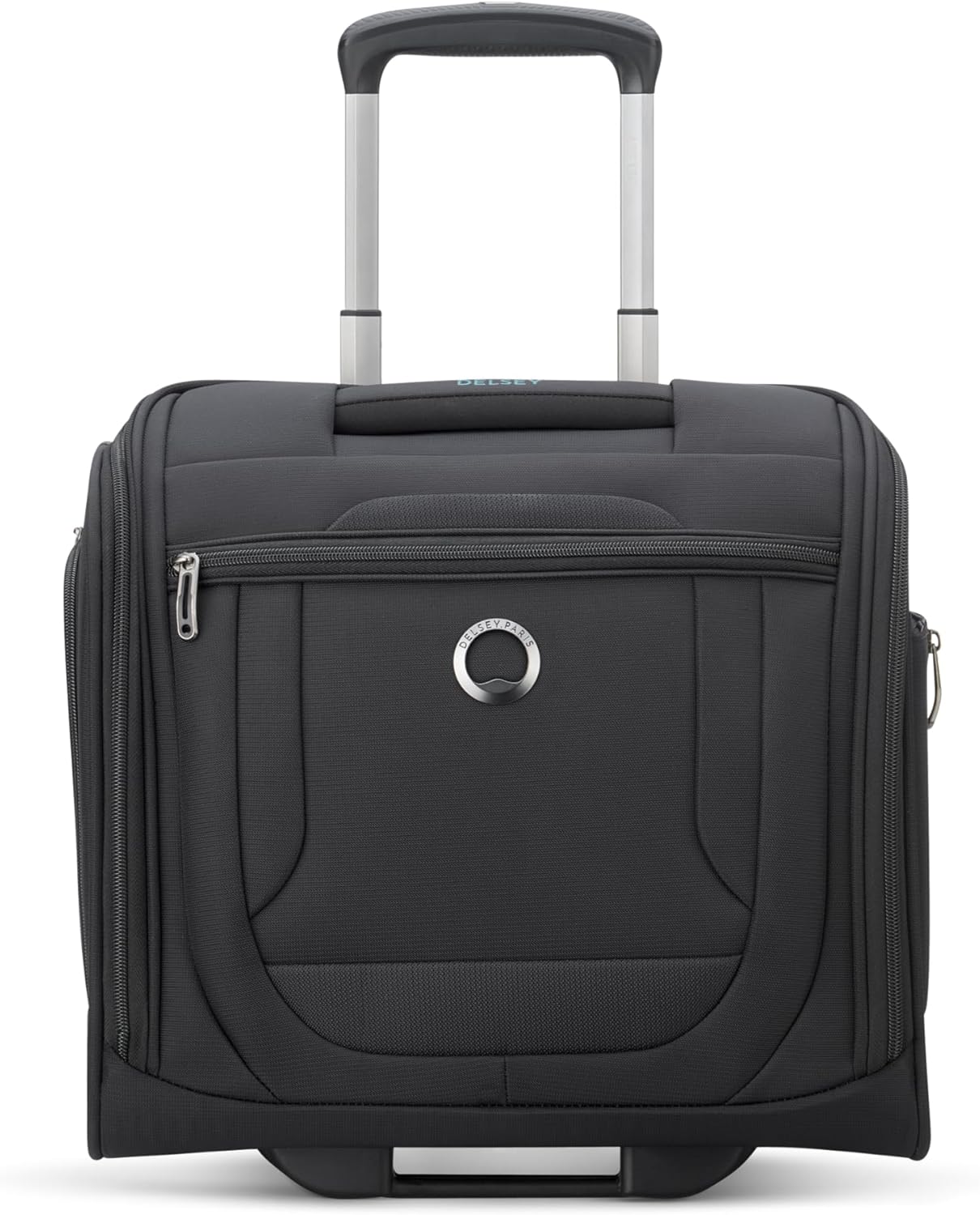
Frequently Asked Questions
Q: What is the exact weight of the Delsey Helium Hyperlite 21-inch 2-wheel carry-on?
A: The 21-inch (international carry-on size) 2-wheel Hyperlite weighs approximately 5.3 pounds (2.4 kg). The 22-inch (domestic US carry-on size) weighs approximately 5.7 pounds (2.6 kg). Weights can vary by ±0.2 lbs due to manufacturing tolerances. Always verify the specific SKU on the product page.
Q: Does the expansion zipper make the bag exceed carry-on size limits?
A: Yes. When fully expanded, the depth increases from roughly 9 inches to 11 inches. This exceeds the standard 22 x 14 x 9 inch limit used by most US airlines. The expanded bag will not fit in most overhead bins wheels-first. Use expansion only when checking the bag or flying on aircraft with larger bins (some wide-bodies). For carry-on use, keep it zipped closed.
Q: Can the Hyperlite 2-wheel be converted to a spinner?
A: No. The wheel housings are molded into the shell recess. The frame is designed for two fixed wheels. You cannot retrofit spinner casters. If you want spinner maneuverability, buy the 4-wheel Hyperlite version. The 2-wheel version has larger diameter wheels (approx 3.5 inches) which roll better on rough ground.
Q: How does the TSA lock work? What if I forget the combination?
A: The lock is a 3-dial combination lock integrated into the shell. Default code is 0-0-0. To set your code: open the lock, press the reset button (usually a small pinhole) with a pen, turn dials to your code, release button. If you forget the code, there is no master reset for the user. You must try all 1,000 combinations (takes ~20 minutes) or contact a locksmith. TSA agents have a master key (TSP007) to open it for inspection. Write your code in your phone notes or passport holder.
Q: Is the Hyperlite waterproof?
A: The shell is water-resistant. The zippers are water-resistant (coated coils with overlapping flaps). The seams are not sealed. In heavy rain or if placed on a wet tarmac, water can seep through zipper teeth and seams. For true waterproofing, use a rain cover (Delsey sells one) or pack critical items in dry bags or zip-lock bags inside.
Q: Can I fit a 15.6-inch laptop in the front pocket or interior sleeve?
A: The 2-wheel Hyperlite does not have an external front pocket. The interior divider often has a padded laptop sleeve rated for up to 15.6 inches. It fits most slim ultrabooks (MacBook Pro 16, Dell XPS 15, ThinkPad X1). Thick gaming laptops may not fit. Measure your device. The sleeve is against the back panel, so the laptop gets some impact protection from the shell.
Q: How does the Hyperlite compare to the older Helium Aero?
A: The Hyperlite replaces the Aero. Key upgrades: lighter shell (polypropylene vs polycarbonate), recessed wheels (Aero had protruding wheels), updated handle with more height stops, improved zipper pulls, and a cleaner interior layout. The Aero was ~6.5 lbs. The Hyperlite is ~5.5 lbs. The Hyperlite feels more modern and rolls better on two wheels.
Q: What happens if a wheel breaks? Can I replace it myself?
A: Yes. The wheels are bolted to a metal axle bracket recessed in the shell. You need a Phillips screwdriver and a replacement wheel kit (part number varies by year). Delsey sells kits on their parts site. Authorized repair centers will do it under warranty if it’s a defect. If it’s impact damage, the kit costs ~$25-40. It’s a 10-minute DIY job.
Q: Does the bag stand upright stably on its own?
A: Yes. The 2-wheel design with recessed wheels and a flat bottom panel provides excellent stability. It stands on its own on flat floors without tipping. The 4-wheel spinner version is less stable on uneven floors because the casters swivel. The 2-wheel is better for waiting in lines.
Q: Is the handle height comfortable for someone 6’2″?
A: The handle extends to approximately 41 inches from the ground (top of grip). For a 6’2″ person, this may require slight bending. The Travelpro Platinum Elite extends to 43+ inches. If you are over 6’0″, test the handle length in person or check the max extended height spec for the specific model year. Some taller travelers prefer the 4-wheel version which they push upright, reducing the need for a long handle.
Our Final Recommendations
After analyzing the market, the specs, and real-world travel scenarios, here are our targeted recommendations.
Best for Budget-Conscious Buyers: Delsey Helium Hyperlite 21″ 2-Wheel (Previous Generation Color)
Buy a discontinued color on sale for $130-$150. You get the exact same shell, wheels, handle, warranty, and interior as the current $220 model. The only difference is the hue. This is the highest value-per-dollar carry-on on the market. Check Sierra, 6pm, Delsey Outlet, and Amazon Warehouse. Register the warranty immediately.
Best Overall Value: Delsey Helium Hyperlite 22″ 2-Wheel (Current Generation)
At full price (~$220), this is the best all-around carry-on for the majority of travelers. It fits US domestic bins, weighs 5.7 lbs, rolls over anything, packs efficiently, and has a 10-year warranty with global support. It balances every attribute without major compromises. If you buy one carry-on for the next 5-7 years, make it this one.
Best Premium Option: Travelpro Platinum Elite 22″ 2-Wheel
If your budget stretches to $350 and you fly weekly, upgrade here. The Hinomoto wheels are smoother. The handle has infinite adjustment. The lifetime warranty covers airline damage. The interior suiter system keeps suits wrinkle-free. The fabric exterior (nylon) absorbs impacts better than hard shells. You pay for daily comfort and total peace of mind.
Best for Beginners: Samsonite Freeform 21″ 2-Wheel
At ~$160, the Freeform is the safest first “real” luggage purchase. It’s widely available at Target, Costco, and Amazon. Returns are effortless. The polycarbonate shell is tough. The wheels are decent. The 10-year warranty is backed by Samsonite’s massive service network. It’s heavier (6.8 lbs) but forgiving. Learn your travel style with this, then upgrade to Hyperlite later if weight becomes critical.
Best for Advanced Users / Heavy Packers: Briggs & Riley Baseline Domestic 22″ 2-Wheel
At $500+, this is an investment. But the CX expansion system adds 25% packing volume without increasing external dimensions—it expands inward into the frame. The ballistic nylon is virtually indestructible. The lifetime warranty covers everything, including airline damage, with no questions asked. If you pack heavy, check bags occasionally, and want the last carry-on you ever buy, this is it. The Hyperlite is lighter; the Briggs is tougher.
Conclusion: Making the Right Choice
You now have the knowledge to buy a carry-on like an expert. You understand why the Delsey Helium Hyperlite 2-wheel trolley uses polypropylene instead of polycarbonate. You know how recessed wheels protect your investment on rough terrain. You can evaluate a handle system, read a warranty, and spot a genuine sale. You know the mistakes that cost travelers money and frustration.
The right carry-on is not the one with the most features or the lowest weight on a spec sheet. It is the one that matches your travel. Your airports. Your packing style. Your body. Your budget. The Hyperlite 2-wheel wins for travelers who value durability over glide, interior space over exterior pockets, and a proven warranty over marketing hype. It is a tool that gets out of your way and lets you focus on the journey.
Take a moment to assess your last five trips. What annoyed you about your current bag? What worked? Match those answers to the factors in this guide. Then buy with confidence. The perfect carry-on doesn’t exist, but the perfect carry-on for you absolutely does. Happy travels.