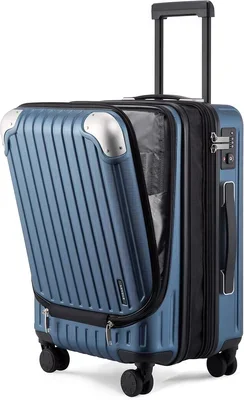
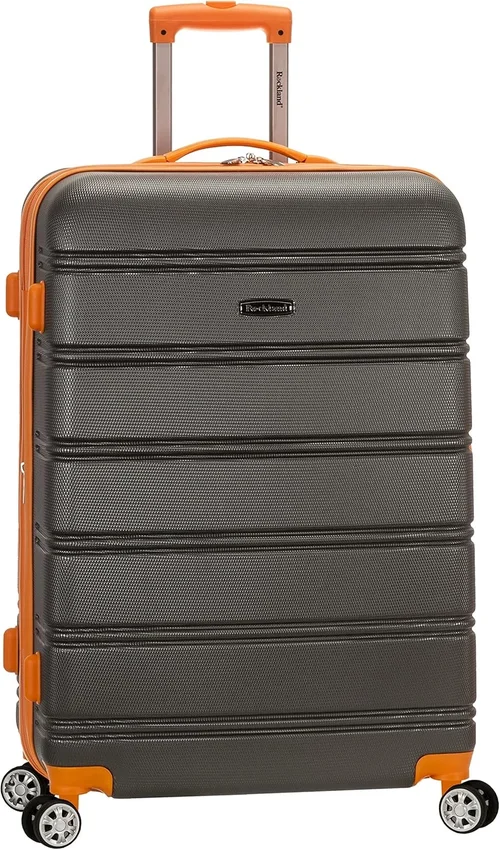
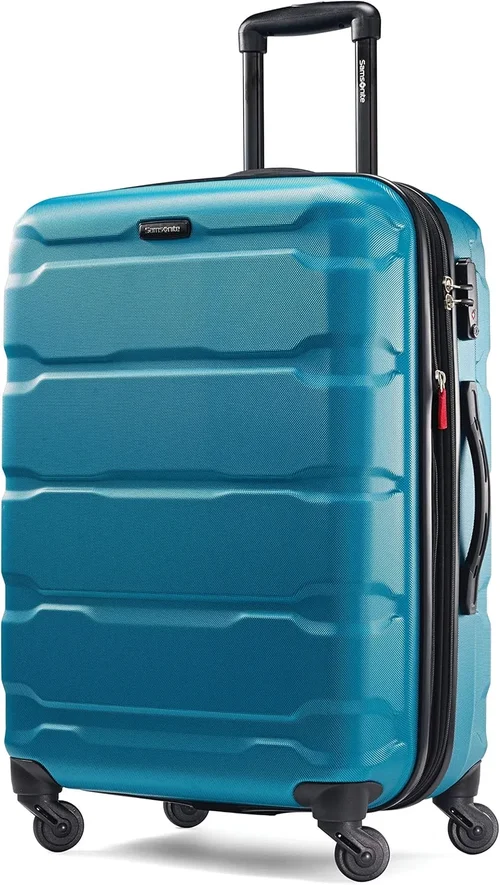
Choosing the right expandable luggage can feel like navigating a maze of zippers, wheels, and marketing promises. Whether you are a weekend warrior who needs a little extra room for souvenirs or a frequent flyer who values a bag that grows with your itinerary, understanding the core features that matter most will save you money, time, and the frustration of a broken handle at the baggage carousel. This guide walks you through every critical consideration, breaks down the different styles on the market, highlights common pitfalls, and gives you a clear budget framework so you can shop with confidence.
In the following sections you will learn how to evaluate size, durability, wheel quality, handle ergonomics, expansion mechanisms, and warranty coverage. We will also compare the main categories — carry‑on, medium check‑in, large check‑in, and specialty hybrid models — so you can match a suitcase to your travel habits. By the end of this article you will have a practical checklist, a price‑tier roadmap, expert buying tips, and answers to the questions travelers ask most often.

What to Look for When Buying Buying Guide
1. Size and Capacity
Size is the first filter you should apply. Airlines enforce strict linear‑inch limits for carry‑ons (typically 22 × 14 × 9 in) and weight limits for checked bags (often 50 lb). An expandable luggage piece adds 1.5 – 2 inches of depth when the expansion zipper is opened, giving you roughly 15‑25 % more packing volume. Measure the interior dimensions of the main compartment and the expanded compartment separately; some brands advertise only the expanded volume, which can be misleading. If you frequently travel on budget carriers with tighter restrictions, prioritize a model that stays within limits even when expanded.
2. Build Materials and Durability
The shell material determines how well the bag survives rough handling. Hard‑side shells are usually made from polycarbonate, ABS, or a polycarbonate‑ABS blend. Polycarbonate offers the best impact resistance and flexibility, while ABS is cheaper but more brittle. Soft‑side bags use ballistic nylon (1680D or higher) or Cordura; these fabrics resist abrasion and tears better than standard polyester. Look for reinforced corners, double‑stitched seams, and a water‑resistant coating. A durable bag will keep its shape after dozens of trips, whereas a cheap shell may crack at the expansion zipper stress points.
3. Wheel System and Maneuverability
Four‑wheel spinner systems have become the gold standard because they allow 360‑degree movement, reducing wrist strain. Examine wheel diameter (larger wheels roll over cracks and curbs more easily), wheel housing (recessed wheels protect against snagging), and bearing quality (sealed ball bearings last longer than plain plastic bushings). Two‑wheel inline models are still preferred by some travelers for stability on uneven terrain, but they require tilting the bag. Test the roll in‑store if possible; a smooth, quiet glide indicates good engineering.
4. Handle Design and Ergonomics
The telescoping handle should lock securely at multiple heights (usually three to four stops) and retract smoothly without wobble. Aluminum or high‑grade alloy tubes resist bending better than thin steel. Grip material matters too — rubberized or contoured foam reduces hand fatigue during long walks through terminals. Some premium models feature a “push‑button” release that can be operated with one hand, a small convenience that adds up on busy travel days.
5. Expansion Mechanism Reliability
The expansion zipper is the heart of an expandable luggage piece. A high‑quality YKK or similar brand zipper with large, interlocking teeth will endure repeated opening and closing. Look for a double‑track zipper that distributes stress evenly and a fabric gusset that reinforces the expanded panel. Cheap zippers often snag, misalign, or burst under pressure, rendering the expansion feature useless. If you plan to use the expansion frequently, invest in a model with a proven zipper track record.
6. Interior Organization and Accessibility
Well‑designed interiors turn a chaotic pile into an organized system. Features to value include a full‑length divider with zippered mesh pockets, compression straps that keep clothes compact, a dedicated laptop or tablet sleeve (especially for carry‑ons), and a removable laundry or shoe bag. Some bags offer a “clamshell” opening that lays flat, while others have a front‑panel “U‑zip” for quick access to essentials without fully unpacking. Choose a layout that matches your packing style — business travelers often need a padded laptop compartment; leisure travelers may prefer more open space.
7. Weight and Portability
Every ounce counts when airlines charge for overweight bags. Hard‑side polycarbonate carry‑ons typically weigh 6‑7 lb; soft‑side equivalents can be 4‑5 lb. Remember that the expansion panel adds a few ounces. If you frequently fly on carriers with a 15 lb carry‑on limit, a lightweight soft‑side may be the only viable option. Also consider the bag’s balance when fully packed — a well‑centered center of gravity prevents tipping.
8. Warranty, Customer Support, and Repairability
A solid warranty signals manufacturer confidence. Look for at least a 5‑year limited warranty covering defects in materials and workmanship; premium brands often offer lifetime coverage. Check whether the warranty includes wheel and handle replacement, as these are the most common failure points. Brands with authorized repair centers or a “send‑in” service make it easier to extend the life of your investment rather than discarding a bag after a single broken wheel.
Different Types of Buying Guide

Common Buying Mistakes to Avoid
❌ Mistake: Ignoring Airline Size Restrictions
Why it’s bad: An expandable bag that exceeds carry‑on dimensions when expanded will be gate‑checked, often incurring fees and risking damage. What to do instead: Verify the bag’s external dimensions in both standard and expanded states against the most restrictive airline you fly. Choose a model that stays compliant even when fully expanded.
❌ Mistake: Prioritizing Price Over Wheel Quality
Why it’s bad: Cheap plastic wheels crack after a few trips, turning a smooth roll into a drag. What to do instead: Allocate a portion of your budget to a spinner with sealed ball bearings and recessed housing. The long‑term savings on replacements outweigh the upfront cost.
❌ Mistake: Overlooking Expansion Zipper Durability
Why it’s bad: A flimsy zipper can burst mid‑trip, leaving you with an unusable expansion panel. What to do instead: Look for YKK or equivalent brand zippers, double‑track construction, and reinforced gussets. Read user reviews specifically mentioning zipper longevity.
❌ Mistake: Buying a Heavy Hard‑Side for Weight‑Restricted Carriers
Why it’s bad: Some low‑cost airlines enforce a 15 lb carry‑on limit; a 7 lb suitcase leaves only 8 lb for belongings. What to do instead: Opt for a lightweight soft‑side or a hybrid polycarbonate‑fabric blend that stays under 5 lb.
❌ Mistake: Skipping Warranty Registration
Why it’s bad: Many manufacturers require registration within 30 days to activate full coverage. What to do instead: Register immediately after purchase and keep the receipt and serial number in a digital folder.
❌ Mistake: Assuming All Expandable Bags Expand Equally
Why it’s bad: Expansion depth varies from 1 inch to 2.5 inches, translating to vastly different added volume. What to do instead: Compare the manufacturer’s stated expansion depth and calculate the percentage increase relative to the base capacity.
❌ Mistake: Neglecting Interior Organization Features
Why it’s bad: A cavernous interior without dividers leads to wrinkled clothes and lost small items. What to do instead: Choose a bag with a full divider, mesh pockets, compression straps, and a dedicated laptop sleeve if you travel with electronics.
Budget Guidelines: How Much Should You Spend?
Entry‑Level ($80 – $150)
At this tier you’ll find mostly soft‑side carry‑ons and basic hard‑side spinners. Expect ABS or lower‑grade polycarbonate shells, two‑wheel inline or basic four‑wheel spinners with plastic bushings, and simple zipper expansion. Interior organization is minimal — usually a single divider and a few mesh pockets. Warranty is typically 1‑2 years. These bags work for occasional leisure travelers who fly once or twice a year and don’t mind replacing a wheel or handle after a few trips.
Mid‑Range ($150 – $300)
This is the sweet spot for most frequent flyers. You get true polycarbonate or ballistic nylon construction, sealed‑bearing spinner wheels, multi‑stage telescoping handles with ergonomic grips, and reliable YKK expansion zippers. Interiors feature full dividers, compression straps, laptop sleeves, and often a removable laundry bag. Warranties extend to 5‑10 years, and many brands offer repair kits. A mid‑range expandable luggage piece will comfortably survive 30‑50 trips with proper care.
Premium ($300 – $500)
Premium models add refined details: self‑healing zippers, integrated TSA‑approved locks, USB charging ports with removable power banks, and advanced interior modular systems (e.g., packing cubes that snap into the frame). Shells may use a proprietary polycarbonate blend that resists scratches and retains gloss. Wheels are often oversized (3.5‑4 in) with precision bearings for silent rolling. Warranty is usually lifetime with global service centers. Ideal for road warriors who log 100+ flights per year.
Luxury ($500+)
Luxury expandable luggage focuses on craftsmanship, materials like aluminum‑magnesium alloy frames, hand‑stitched leather accents, and bespoke customization (monogramming, color combos). They include premium services such as complimentary lifetime repairs, concierge travel assistance, and even tracking tags with GPS. While the functional gains over premium are marginal, the ownership experience and resale value appeal to collectors and status‑conscious travelers.
Expert Tips for Getting the Best Deal
- Shop Off‑Season: Major sales occur in January (post‑holiday), May (pre‑summer), and September (back‑to‑school). Retailers clear inventory before new collections launch.
- Compare Online and In‑Store: Physical stores let you test wheel smoothness and handle feel; online often has deeper discounts. Use price‑match policies where available.
- Sign Up for Brand Newsletters: Many manufacturers send a 10‑15 % welcome coupon and early‑access sale alerts.
- Check Refurbished or Open‑Box Programs: Brands like Travelpro and Samsonite sell certified refurbished units with full warranty at 20‑30 % off.
- Leverage Credit Card Benefits: Some premium cards offer purchase protection, extended warranty, or travel‑gear statement credits.
- Read Verified Purchase Reviews: Filter for reviews that mention “expandable zipper durability” and “wheel longevity” to spot real‑world issues.
- Consider Bundle Deals: Buying a matching carry‑on and check‑in set can save 10‑15 % versus individual pieces.
- Know the Return Policy: A 30‑day no‑questions‑asked return lets you test the bag on a short trip before committing.

Frequently Asked Questions
Q: How much extra space does an expandable luggage typically add?
A: Most expandable models add 1.5 – 2.5 inches of depth, which translates to roughly 15‑25 % more packing volume. The exact gain depends on the bag’s base dimensions and the gusset design.
Q: Can I use the expansion on a carry‑on and still fit in the overhead bin?
A: Only if the expanded dimensions stay within the airline’s maximum carry‑on size. Many airlines measure the bag at the gate, so a bag that expands beyond the limit will be gate‑checked. Choose a carry‑on that remains compliant when fully expanded.
Q: Are hard‑side expandable suitcases more durable than soft‑side?
A: Hard‑side polycarbonate shells resist impacts and protect fragile items better, but they can crack under extreme force. High‑denier ballistic nylon soft‑sides excel at abrasion resistance and are lighter. Durability depends more on material quality and construction than on hard vs. soft alone.
Q: What is the difference between a spinner and an inline wheel system?
A: Spinner wheels rotate 360°, allowing the bag to glide beside you in any direction. Inline wheels are fixed and require tilting the bag to roll. Spinners reduce wrist strain but can be less stable on rough pavement; inlines handle uneven surfaces better.
Q: How do I maintain the expansion zipper?
A: Keep the zipper track clean of debris, lubricate occasionally with a silicone‑based zipper lubricant, and avoid forcing the zipper when the bag is overstuffed. Regular maintenance prevents snagging and extends zipper life.
Q: Do expandable luggage pieces weigh more than non‑expandable ones?
A: The expansion gusset and extra zipper add a few ounces (typically 0.3‑0.6 lb). The weight difference is negligible compared to the packing flexibility gained.
Q: Can I replace a broken wheel myself?
A: Many mid‑range and premium brands sell replacement wheel kits and provide instructional videos. Basic tools (Phillips screwdriver, Allen wrench) are usually sufficient. Entry‑level bags may have riveted wheels that are not user‑replaceable.
Q: Is a TSA‑approved lock necessary on an expandable suitcase?
A: TSA locks allow security agents to open and relock your bag without cutting the lock. While not mandatory, they prevent damage to the zipper and are standard on most mid‑range and premium models.
Q: What should I look for in a warranty for expandable luggage?
A: Seek at least a 5‑year limited warranty covering shell cracks, wheel and handle failures, and zipper defects. Lifetime warranties with global repair centers indicate the highest confidence.
Q: Are there expandable luggage options for backpack‑style carry?
A: Yes, hybrid convertible models feature stowable backpack straps and a padded back panel, letting you switch between rolling and carrying. They are ideal for adventure travel where terrain varies.
Our Final Recommendations
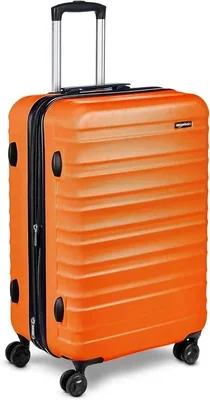
- Best for Budget‑Conscious Buyers: AmazonBasics Hardside Spinner Carry‑On (Expandable) – Priced around $100, it offers a polycarbonate shell, four spinner wheels, and a modest expansion zipper. Good for occasional flyers who want a no‑frills reliable bag.
- Best Overall Value: Travelpro Maxlite 5 Expandable Spinner – At roughly $180, this soft‑side carry‑on weighs under 5 lb, features a durable YKK expansion zipper, a comfortable contour grip, and a 10‑year warranty. It balances weight, organization, and price.
- Best Premium Option: Samsonite Freeform Hardside Expandable – Around $300, it uses a proprietary polycarbonate blend, double‑spinner wheels with sealed bearings, integrated TSA lock, and a fully lined interior with compression system. Lifetime warranty and global service network.
- Best for Beginners: Delsey Paris Chatelet Hard+ Expandable – Stylish, easy to maneuver, and includes a brake system on the wheels to prevent rolling away. The intuitive expansion zipper and clear interior layout make packing straightforward.
- Best for Advanced Users: Briggs & Riley Baseline Domestic Carry‑On Expandable – Priced near $500, it boasts a ballistic nylon exterior, CX expansion system that adds 25 % volume without increasing dimensions, and a lifetime “no‑questions‑asked” warranty covering even airline damage.
Conclusion: Making the Right Choice
Selecting the perfect expandable luggage comes down to matching the bag’s strengths to your travel rhythm. Start by defining the size class you need — carry‑on, medium, or large — then filter by material, wheel quality, handle comfort, and expansion reliability. Use the budget tiers to set realistic expectations: entry‑level works for rare trips, mid‑range delivers the best cost‑per‑journey value, and premium or luxury models pay off for heavy‑duty road warriors. Avoid the common mistakes of ignoring airline limits, skimping on wheels, and neglecting warranty registration. Armed with the expert tips on timing, price‑matching, and refurbished options, you can secure a high‑quality suitcase without overpaying.
Remember, a well‑chosen expandable suitcase is an investment in smoother journeys, fewer baggage fees, and the peace of mind that comes from knowing your gear can adapt to any packing challenge. Take the checklist from this guide, compare a few shortlisted models in person or through detailed video reviews, and make your purchase with confidence. Safe travels and happy packing!