Choosing the right expandable hardside carry‑on luggage can feel overwhelming because the market is packed with options that promise durability, style, and extra packing space. This guide exists to cut through the noise and give you a clear, step‑by‑step framework for evaluating every model you encounter. By the end of this article you will know which specifications matter most, how to match a suitcase to your travel habits, and where to find the best value for your budget.
We will walk through the essential factors to consider, compare the main categories of expandable hardside carry‑ons, highlight common buying mistakes, break down realistic price tiers, share expert shopping tips, answer the most frequent questions, and finish with concrete recommendations for every type of traveler. Whether you are a weekend warrior, a business road‑tripper, or a frequent flyer chasing elite status, this guide will help you make a confident purchase.

What to Look for When Buying Buying Guide
1. Size and Airline Compliance
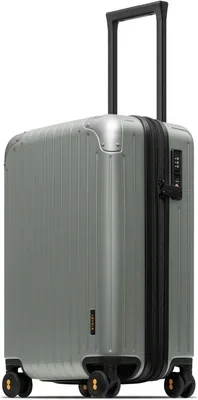
Size is the first filter you should apply. Most domestic airlines in the United States allow a maximum of 22 × 14 × 9 inches including wheels and handles, while many international carriers enforce a stricter 21.5 × 13.5 × 7.5 inch limit. An expandable hardside carry‑on luggage that exceeds these dimensions when fully expanded may be forced to check at the gate, incurring fees and risking damage. Look for models that list both the base dimensions and the expanded dimensions, and verify that the base size fits the strictest airline you regularly fly.
2. Shell Material and Impact Resistance
The shell determines how well the bag protects your belongings. The three most common materials are polycarbonate, ABS, and a polycarbonate‑ABS blend. Pure polycarbonate is the lightest and most flexible, absorbing impacts by flexing rather than cracking. ABS is heavier and more rigid, but it can shatter on a hard hit. A blend offers a middle ground, often at a lower price point. For frequent travelers, a 100 % polycarbonate shell is worth the premium because it survives baggage‑handler drops and overhead‑bin squeezes better.
3. Expansion Mechanism and Capacity Gain
Expansion is usually achieved by a zippered gusset that adds 1.5 to 2.5 inches of depth, translating to roughly 15‑25 % more packing volume. Check whether the expansion zipper is a single‑track or double‑track design; double‑track zippers distribute stress more evenly and are less likely to snag. Also verify that the expanded profile still meets your airline’s size limits, because some airlines measure the bag at its widest point.
4. Wheel System: Spinner vs. Inline
Four‑wheel spinner systems let you glide the bag beside you in any direction, reducing wrist strain on long terminal walks. Inline two‑wheel models are more stable on rough pavement but require tilting. Look for wheels with sealed ball bearings and a polyurethane tread; these roll quieter and resist flat‑spotting. Removable wheels are a bonus because they can be replaced without sending the whole suitcase to a repair shop.
5. Handle System: Telescoping Height and Grip Comfort
A telescoping handle should lock securely at multiple heights (typically three to four stops) so you can adjust it to your stride. The grip material matters: rubberized or contoured foam reduces hand fatigue. Test the handle for play; a loose handle will rattle and can eventually snap under load. Some premium models feature a “push‑button” release that locks the handle in place with a single press.
6. Interior Organization and Compression
Inside, you want a divider panel with a zippered mesh pocket on one side and compression straps on the other. Compression straps keep clothes from shifting and let you pack more tightly, which is especially useful when you expand the bag. Removable laundry or shoe bags add versatility. A built‑in TSA‑approved lock integrated into the zipper pulls is a convenience that saves you from buying a separate lock.
7. Weight and Carry‑On Weight Limits
Even a lightweight hardside can weigh 6‑8 pounds empty. Many low‑cost carriers impose a 15‑pound total carry‑on weight limit, so every ounce counts. Aim for a bag under 7 pounds if you fly budget airlines often. Remember that the weight of the expansion gusset, wheels, and handle all add up; a lighter shell material often offsets heavier hardware.
8. Warranty, Repairability, and Brand Support
A limited lifetime warranty that covers shell cracks, wheel failure, and handle defects signals confidence. Check whether the brand offers replacement parts (wheels, handles, zipper pulls) for sale on its website. Brands with authorized repair centers in major airports can save you a trip to the post office. Read the fine print: some warranties exclude damage caused by airline handling unless you file a claim within 24 hours.
Different Types of Buying Guide

Common Buying Mistakes to Avoid
❌ Mistake: Ignoring Airline Size Limits
Why it’s bad: A bag that fits one carrier may be rejected by another, forcing you to check it and pay fees. What to do instead: Choose a model whose base dimensions meet the strictest airline you use, and verify the expanded dimensions stay within limits.
❌ Mistake: Prioritizing Looks Over Wheel Quality
Why it’s bad: Stylish wheels that are plastic or lack bearings will wear out fast, leaving you dragging a noisy suitcase. What to do instead: Test wheel spin, look for sealed ball bearings, and prefer polyurethane tread over hard plastic.
❌ Mistake: Overlooking Weight of the Empty Bag
Why it’s bad: A heavy empty suitcase eats into your carry‑on weight allowance, limiting what you can pack. What to do instead: Target bags under 7 pounds for polycarbonate, under 8 pounds for blends.
❌ Mistake: Assuming All Expandable Zippers Are Equal
Why it’s bad: Single‑track zippers can misalign and burst under pressure. What to do instead: Seek double‑track or reinforced zipper gussets with a storm flap.
❌ Mistake: Skipping Warranty Registration
Why it’s bad: Many lifetime warranties require online registration within 30 days; missing this voids coverage. What to do instead: Register immediately after purchase and keep the receipt.
❌ Mistake: Buying Without Testing Handle Height
Why it’s bad: A handle that stops too low forces you to hunch, causing back strain. What to do instead: Extend the handle fully in store; ensure at least one lock position matches your elbow height.
❌ Mistake: Ignoring Interior Layout
Why it’s bad: A beautiful shell with no compression straps or divider leads to wrinkled clothes and wasted space. What to do instead: Open the bag, check for mesh divider, compression straps, and removable pouches.
Budget Guidelines: How Much Should You Spend?
Entry‑Level ($80 – $150)
At this tier you will find mostly ABS shells with inline wheels and basic single‑track expansion. Expect a weight of 8‑9 pounds, a one‑year limited warranty, and minimal interior organization. These bags are fine for a few trips per year on low‑cost carriers where you can check a bag if needed. Look for brands that still offer replaceable wheels.
Mid‑Range ($150 – $300)
This is the sweet spot for most travelers. You get a polycarbonate‑ABS blend or entry‑level pure polycarbonate, four‑wheel spinners with sealed bearings, double‑track expansion, and a 3‑ to 5‑year warranty. Interior layouts usually include a mesh divider, compression straps, and a TSA lock. Weight drops to 6.5‑7.5 pounds. Brands in this range often have authorized repair centers in major airports.
Premium ($300 – $500)
Premium models feature 100 % polycarbonate shells, precision‑engineered spinner wheels (often Hinomoto or similar), multi‑stage telescoping handles with ergonomic grips, and lifetime warranties that cover airline damage. Expansion gussets are reinforced with ballistic nylon. Extras may include a built‑in USB port (power bank not included), removable laundry bag, and a dedicated laptop sleeve. Weight can be as low as 5.5 pounds.
Luxury ($500+)
Luxury carry‑ons add bespoke materials (e.g., carbon‑fiber reinforced polycarbonate), hand‑stitched leather accents, integrated smart technology (GPS tracking, remote lock via app), and concierge‑level service such as complimentary repairs at flagship stores. These are status pieces; the functional gains over premium are marginal for most travelers.
Expert Tips for Getting the Best Deal
- Shop off‑season: January and September see the deepest discounts as retailers clear holiday inventory and prepare for new collections.
- Use price‑tracking tools: Browser extensions like Honey or CamelCamelCamel alert you when a specific model drops below your target price.
- Check outlet stores and authorized refurbished programs: Many brands sell factory‑seconds with full warranties at 30‑40 % off.
- Bundle with a packing cube set: Some retailers offer a free or discounted packing cube kit when you buy a carry‑on, adding immediate organization value.
- Read the return policy before buying online: A 30‑day no‑questions‑asked return lets you test the bag on a real trip.
- Register the warranty instantly: Set a calendar reminder for the registration deadline; missing it can void a lifetime warranty.
- Inspect the bag in person if possible: Even if you buy online, visit a store to feel the wheel roll, handle lock, and zipper smoothness.
- Consider a credit‑card purchase protection: Many premium cards extend the manufacturer warranty by an extra year and cover theft or accidental damage.

Frequently Asked Questions
Q: What is the typical expansion depth on an expandable hardside carry‑on luggage?
A: Most models add 1.5 to 2.5 inches of depth, which translates to roughly 15‑25 % more packing volume. Always verify the expanded dimensions against your airline’s limits.
Q: Can I use a power bank with a smart carry‑on that has a built‑in USB port?
A: Yes. The USB port is a pass‑through; you supply your own power bank inside the bag and connect your device via the external port. Remember that airlines require power banks to be in carry‑on luggage, not checked baggage.
Q: Are spinner wheels more fragile than inline wheels?
A: Not necessarily. High‑quality spinner wheels with sealed ball bearings and polyurethane treads are extremely durable. Cheap plastic spinners without bearings are the ones that fail quickly.
Q: How do I clean a polycarbonate shell?
A: Wipe with a damp microfiber cloth and mild soap. Avoid abrasive cleaners or solvents that can dull the finish. For scuffs, a small amount of automotive polishing compound can restore shine.
Q: Does a lifetime warranty cover airline damage?
A: Many brands cover airline damage if you file a claim within 24‑48 hours and provide a baggage‑handler report. Read the warranty terms; some exclude “normal wear and tear” from airline handling.
Q: What is the difference between a TSA‑approved lock and a regular combination lock?
A: TSA‑approved locks have a master key that security agents can use to open the bag without cutting the lock. Regular locks may be cut off if agents need to inspect the contents.
Q: Can I replace the wheels myself?
A: On many mid‑range and premium models, wheels are attached with screws or rivets that can be removed with a basic tool kit. Check the manufacturer’s website for replacement kits and instructions.
Q: Is a hybrid hardside/softside bag worth it?
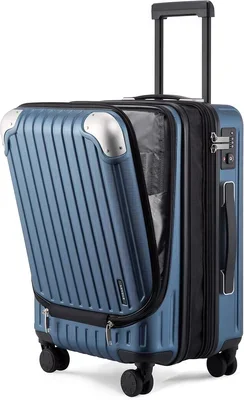
A: Hybrid bags give you external quick‑access pockets while keeping a hard shell for the main compartment. They are slightly heavier and the soft panel can be less water‑resistant, but they are great for travelers who need frequent access to documents or electronics.
Q: How important is the handle’s number of height stops?
A: More stops let you fine‑tune the handle to your exact height, reducing strain. Three stops are standard; four or five stops are a comfort upgrade, especially for taller or shorter users.
Q: Should I buy a matching checked‑size suitcase from the same line?
A: Matching sets look cohesive and often share the same wheel and handle system, making replacements easier. However, you can mix brands if the carry‑on meets all your needs; the checked bag can be a different style.
Our Final Recommendations
- Best for Budget‑Conscious Buyers: A polycarbonate‑ABS blend spinner in the $150‑$200 range with double‑track expansion, four sealed‑bearing wheels, and a 3‑year warranty. It delivers 80 % of premium performance at half the price.
- Best Overall Value: A 100 % polycarbonate carry‑on around $280‑$320 featuring Hinomoto spinner wheels, a multi‑stage ergonomic handle, lifetime warranty, and a built‑in TSA lock. This bag balances weight, durability, and features for the majority of travelers.
- Best Premium Option: A top‑tier polycarbonate model priced $380‑$450 with carbon‑fiber reinforced corners, removable wheels, integrated USB pass‑through, and a dedicated laptop sleeve. Ideal for road warriors who log 15+ flights per year.
- Best for Beginners: An entry‑level ABS inline‑wheel bag under $120 with a simple single‑track expansion and a 1‑year warranty. Good for occasional weekend trips where cost is the primary driver.
- Best for Advanced Users: A smart carry‑on with GPS tracking, remote lock, and a removable power bank, priced $500+. Suited for tech‑savvy travelers who value real‑time luggage location and device charging on the go.
Conclusion: Making the Right Choice
Selecting an expandable hardside carry‑on luggage comes down to matching the bag’s specifications to your travel pattern. Start with size compliance, then evaluate shell material, wheel quality, handle ergonomics, and expansion design. Use the budget tiers to set realistic expectations, and always register the warranty the moment you unbox the suitcase. By following the checklist in this guide, you can walk into any store or click any product page with confidence, knowing exactly what to look for and what to avoid.
Remember, the best carry‑on is the one that disappears into the overhead bin while keeping your belongings organized, protected, and within airline limits. Take the time to test wheels, handles, and zippers before you commit, and don’t hesitate to leverage sales cycles and price‑tracking tools to secure the best deal. Safe travels and happy packing!