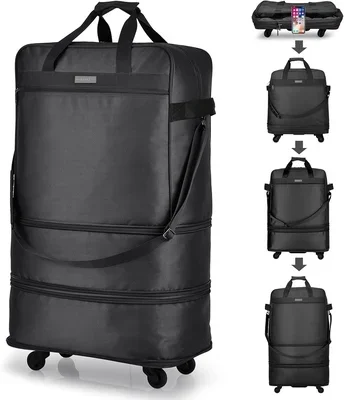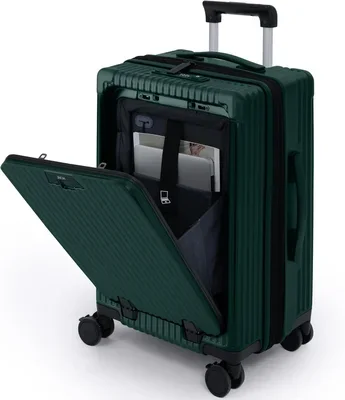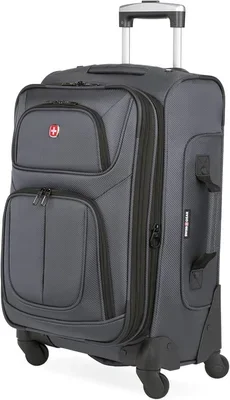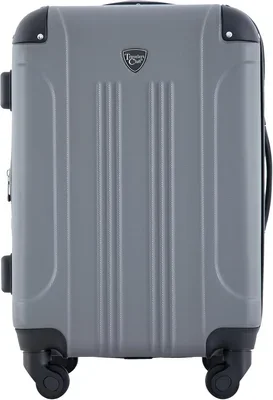
Choosing the right expandable luggage carry‑on can feel like navigating a maze of zippers, wheels, and airline rules. I have spent years testing bags on everything from weekend getaways to month‑long business trips, and I know how a well‑designed expandable carry‑on can turn a cramped overhead bin into a stress‑free travel experience. This guide distills that hands‑on knowledge into a clear roadmap so you can pick a bag that fits your packing style, budget, and the airlines you fly most often.
In the next sections you will learn the six critical factors that separate a durable companion from a disposable novelty, the main categories of expandable carry‑ons on the market, the most common buying pitfalls, and a realistic budget breakdown. I also share insider timing tips, a quick FAQ, and my top picks for every type of traveler. By the end you will feel confident walking into a store or clicking “add to cart” knowing exactly what you need.
The expandable carry‑on market has exploded in the last five years, with brands ranging from legacy luggage houses to direct‑to‑consumer startups. Prices now span from under $80 to well over $600, and features such as built‑in USB ports, removable laundry bags, and smart‑trackers are becoming standard. Understanding where the value really lives — versus where marketing fluff hides — will save you money and prevent the frustration of a broken handle on day two of a trip.

What to Look for When Buying Buying Guide
1. Size and Airline Compatibility
Size is the first filter because an oversized bag will be gate‑checked, defeating the purpose of a carry‑on. Most U.S. domestic carriers allow a maximum of 22 × 14 × 9 inches including wheels and handles, while many international airlines shrink that to 21.5 × 13.5 × 7.5 inches. Measure the external dimensions of any model you consider, then add an inch for the expansion zipper when it is fully opened. A bag that expands from 22 × 14 × 9 to 22 × 14 × 11 still fits the overhead bin on most planes, but the extra depth can be a tight squeeze on regional jets.
2. Expansion Mechanism and Capacity Gain
Not all expansion zippers are created equal. Look for a full‑perimeter zipper that runs around the entire gusset rather than a half‑zip that only opens the front panel. A full‑perimeter design distributes stress evenly, reducing the chance of a blown seam when you stuff the bag to the brim. Typical expansion adds 1.5 to 2.5 inches of depth, translating to roughly 20‑30 percent more volume — enough for a couple of extra outfits or a bulky jacket.
Test the zipper in the store: it should glide smoothly without catching on the fabric. If the teeth feel stiff or the pull tab is flimsy, the expansion will likely fail after a few trips. Some premium models use a “self‑healing” coil zipper that reseats itself after a snag, a feature worth the extra cost if you pack aggressively.
3. Frame Construction and Material Durability
The frame determines whether the bag holds its shape when expanded. Hard‑shell polycarbonate or aluminum frames resist dents and keep the expansion panel taut, while soft‑shell nylon or polyester relies on a reinforced perimeter stitching. For frequent flyers, a hybrid — polycarbonate shell with a ballistic‑nylon expansion gusset — offers the best of both worlds: impact resistance plus flexible expansion.
Check the denier rating on soft fabrics; 1680D ballistic nylon is the gold standard for abrasion resistance. On hard shells, look for a thickness of at least 2.5 mm polycarbonate. A quick tap test: press the center of the expanded panel; it should feel firm, not spongy.
4. Wheel System and Maneuverability
Four double‑spinner wheels (360‑degree rotation) are now the baseline for a smooth airport glide. Wheel diameter matters: 3‑inch wheels handle carpet and cobblestones better than 2‑inch versions. Look for recessed wheel housings that protect the bearings from curb impacts. Some brands add a “silent‑run” polyurethane coating that reduces the click‑clack on terminal floors — a nice quality‑of‑life upgrade.
Test the bag loaded with 15‑20 lb; it should roll straight without veering. If the handle wobbles or the wheels lock when you push sideways, the chassis is likely under‑engineered.
5. Handle System Ergonomics
A telescoping handle with at least three height stops accommodates travelers of different heights. The grip material should be rubberized or textured to prevent slipping when your hands are sweaty. An integrated “push‑button” release that locks securely at each stop is more reliable than a friction‑only slide.
Also examine the top and side carry handles. They should be padded and stitched with bar‑tack reinforcement. A weak side handle makes lifting the bag into an overhead bin a wrist‑straining ordeal.
6. Interior Organization and Compression
Expandable carry‑ons shine when the interior layout matches your packing style. Look for a full‑length divider with a zippered mesh pocket on one side and compression straps on the other. The mesh pocket keeps toiletries visible for TSA, while the straps cinch down clothing to prevent shifting during expansion.
Some models add a removable laundry or shoe bag that clips into the divider — handy for separating dirty clothes. If you travel with a laptop, verify that the padded sleeve fits a 15‑inch device and is accessible without fully opening the main compartment.
7. Weight and Pack‑Weight Ratio
Every ounce counts when airlines enforce strict weight limits (often 15‑22 lb for carry‑ons). A lightweight polycarbonate shell can weigh as little as 5.5 lb empty, while a feature‑packed ballistic‑nylon hybrid may hit 7.5 lb. Aim for a bag that stays under 6 lb if you fly budget carriers with low weight allowances.
Remember that the expansion panel adds fabric and zipper weight. If you rarely use the extra space, a non‑expandable version of the same model may be lighter and cheaper.
8. Warranty, Repairability, and Brand Support
A lifetime warranty that covers wheel replacement, handle repair, and zipper failure signals a brand that stands behind its product. Check whether the warranty is “global” or limited to the country of purchase — important for international travelers. Brands with authorized repair centers in major hubs (e.g., New York, London, Tokyo) let you fix a broken wheel on the road instead of buying a new bag.
Read the fine print: some warranties exclude damage from airline handling. If you check bags occasionally, a “no‑questions‑asked” policy is worth the premium.
Different Types of Buying Guide

Each category serves a distinct travel personality. Hard‑shell models excel when you need to protect fragile items or face rough baggage handling. Soft‑shell bags give you outside pockets for quick‑access items like boarding passes or a water bottle. Hybrids are the sweet spot for most frequent flyers because they combine a rigid frame with a generous expansion gusset. Smart bags add peace of mind with GPS tracking, but remember that many airlines require the battery to be removable. Budget options are fine for a few trips a year, but they often sacrifice wheel quality and zipper durability.
Common Buying Mistakes to Avoid
❌ Mistake: Ignoring Airline Size Limits
Why it’s bad: A bag that looks perfect in the store may exceed the maximum linear inches once expanded, forcing a gate check and possible fee.
What to do instead: Measure the bag yourself with a tape measure, including wheels and handles, and compare to the strictest airline you fly. Choose a model that stays compliant even when fully expanded.
❌ Mistake: Prioritizing Looks Over Wheel Quality
Why it’s bad: Sleek spinner wheels that look great in photos often use cheap plastic bearings that seize after a few cobblestone streets.
What to do instead: Spin the wheels in‑store under load. Look for sealed ball bearings, polyurethane tread, and recessed housings. A two‑year wheel warranty is a good indicator of quality.
❌ Mistake: Overlooking Weight When Empty
Why it’s bad: A 9‑lb empty bag leaves only 6‑13 lb for your belongings on a 15‑lb limit carrier, leading to overweight fees.
What to do instead: Target an empty weight under 6 lb for polycarbonate, under 7 lb for hybrids. Check the manufacturer’s spec sheet, not just the marketing copy.
❌ Mistake: Assuming All Expansion Zippers Are Equal
Why it’s bad: Half‑zip expansion panels concentrate stress on a single seam, causing tears when the bag is stuffed.
What to do instead: Insist on a full‑perimeter expansion zipper with a self‑healing coil. Test the zipper repeatedly before purchase.
❌ Mistake: Skipping Warranty Details
Why it’s bad: A “lifetime warranty” that excludes airline damage or requires shipping the bag to a single factory at your cost is practically useless.
What to do instead: Read the warranty PDF. Look for global coverage, free shipping for repairs, and a network of authorized service centers.
❌ Mistake: Buying Without Testing the Handle Height
Why it’s bad: A handle that stops too low forces you to hunch, causing back strain on long walks through terminals.
What to do instead: Extend the handle fully and walk a few steps. Ensure at least three lock positions and a comfortable grip for your height.
❌ Mistake: Ignoring Interior Layout for Your Packing Style
Why it’s bad: A bag with a single cavernous compartment forces you to dig for toiletries at security, slowing you down.
What to do instead: Match the interior to your habits: mesh divider for toiletries, compression straps for clothes, dedicated laptop sleeve if you carry tech.
Budget Guidelines: How Much Should You Spend?
Entry‑Level ($60‑$110)
At this tier you’ll find basic polyester or low‑denier nylon bags with a simple half‑zip expansion. Wheels are usually single‑spinner or inline, and the handle may have only two height stops. Expect a weight of 7‑8 lb empty. These bags work for a handful of leisure trips per year, but the zippers and wheels often fail after 12‑18 months of regular use. Brands like AmazonBasics, Samsonite’s entry line, and some department‑store labels dominate here.
Mid‑Range ($120‑$250)
This is the sweet spot for most travelers. You get full‑perimeter expansion, four double‑spinner wheels with sealed bearings, a three‑stage telescoping handle, and a weight around 5.5‑6.5 lb. Materials shift to 1680D ballistic nylon or 2.5 mm polycarbonate. Warranties typically cover 5‑10 years with global repair centers. Popular models include the Travelpro Platinum Elite, Briggs & Riley Baseline, and the Away Bigger Carry‑On.
Premium ($260‑$450)
Premium bags add refined details: self‑healing coil zippers, silent‑run wheels, integrated TSA‑approved locks, and often a removable compression panel. Hybrid construction appears here, giving a hard shell for protection plus a soft expansion gusset for maximum capacity. Weight drops to 5‑5.5 lb. Lifetime warranties with free two‑way shipping are standard. Look at Rimowa Essential Cabin, Tumi Alpha 3, and the Peak Design Travel Carry‑On.
Luxury ($460+)
Luxury models focus on materials like anodized aluminum, carbon‑fiber frames, or hand‑stitched leather accents. Smart features — GPS tracking, built‑in power banks, biometric locks — are common. Weight can be higher (6‑7 lb) due to metal components, but the prestige and resale value are unmatched. Brands: Rimowa Original, Globe‑Trotter, and Horizn Studios M5. Buy these if you travel weekly and want a bag that lasts decades and turns heads.
Expert Tips for Getting the Best Deal
- Shop Off‑Season: Late January through March and September through early November see the deepest discounts as retailers clear inventory before new collections launch.
- Use Price‑Tracking Tools: Browser extensions like CamelCamelCamel or Honey alert you when a specific model drops below your target price.
- Check Authorized Outlet Stores: Brands such as Tumi, Briggs & Riley, and Travelpro operate outlet websites selling last‑season colors with full warranties.
- Leverage Credit‑Card Purchase Protection: Many premium cards extend the manufacturer warranty by an extra year and cover theft or damage within 90 days.
- Test In‑Store Before Buying Online: Even if you plan to order online, visit a luggage store to feel the wheel roll, handle height, and zipper smoothness. Then buy the exact SKU online for the best price.
- Bundle With Accessories: Some retailers throw in a packing cube set, luggage tag, or travel bottle kit when you spend over $200 — effectively lowering the per‑item cost.
- Read Return Policies Carefully: A 30‑day no‑questions‑asked return with free return shipping lets you live‑test the bag on a short trip before committing.
- Consider Refurbished or “Open‑Box” Units: Manufacturer‑refurbished bags carry the same warranty as new and can save 20‑30 percent.

Frequently Asked Questions
Q: Can I use the expansion on every flight?
A: Only if the expanded dimensions stay within your airline’s carry‑on limits. Many carriers allow the extra depth on domestic flights but enforce the non‑expanded size on international routes. Always verify before you pack.
Q: Does expanding the bag weaken the frame over time?
A: A well‑engineered full‑perimeter zipper distributes stress evenly, so repeated expansion does not compromise structural integrity. Cheap half‑zip designs, however, can cause seam fatigue after a few cycles.
Q: Are smart bags with built‑in batteries allowed on planes?
A: Yes, provided the battery is removable and under 100 Wh. Most airlines require you to carry the battery in the cabin, not check it. Check the specific airline policy before you fly.
Q: How do I clean a ballistic‑nylon expandable carry‑on?
A: Spot‑clean with a mild detergent and a soft brush. Avoid submerging the bag; water can seep into the wheel bearings and handle mechanism. Let it air‑dry fully before storing.
Q: What is the difference between a spinner and an inline wheel?
A: Spinner wheels rotate 360 degrees, letting you push the bag beside you. Inline wheels only roll forward/backward, requiring you to tilt the bag. Spinners are far easier on wrists and navigate tight aisles better.
Q: Can I replace the wheels myself?
A: Many mid‑range and premium brands sell wheel kits and provide video tutorials. Entry‑level bags often have riveted wheels that are not user‑replaceable.
Q: Is a hard‑shell or soft‑shell better for expansion?
A: Soft‑shell expansion gussets flex more naturally, giving a smoother volume increase. Hard‑shell bags rely on a separate fabric panel that can feel stiffer. Hybrids combine a hard shell for protection with a soft gusset for expansion.
Q: How much extra volume does a typical expansion add?
A: Most expandable carry‑ons gain 1.5‑2.5 inches of depth, roughly 20‑30 percent more packing space. That translates to about two extra outfits or a bulky sweater.
Q: Should I buy a matching checked‑bag set?
A: Only if you regularly check luggage. A matching set ensures consistent wheel and handle feel, but you pay a premium for the checked piece you may rarely use.
Our Final Recommendations
Best for Budget‑Conscious Buyers: AmazonBasics Hardside Spinner Carry‑On (expandable). At under $90 it meets domestic size limits, offers a full‑perimeter zipper, and has four double‑spinner wheels. The polycarbonate shell is thin but adequate for occasional trips.
Best Overall Value: Travelpro Platinum Elite Expandable Carry‑On. Priced around $180, it delivers 1680D ballistic nylon, MagnaTrac spinner wheels, a precision‑glide handle, and a 10‑year global warranty. The expansion adds 2 inches without exceeding most international limits.
Best Premium Option: Briggs & Riley Baseline Domestic Carry‑On Expandable. At $350 you get a lifetime “no‑questions‑asked” warranty, CX expansion technology that adds 25 percent volume while keeping the bag’s silhouette, and a self‑healing coil zipper. Weight is a svelte 5.6 lb.
Best for Beginners: Away The Bigger Carry‑On. The direct‑to‑consumer model simplifies choices: one size, one expansion zipper, built‑in TSA lock, and a removable laundry bag. The 100‑day trial period lets you test it risk‑free.
Best for Advanced Users: Peak Design Travel Carry‑On 35L. Modular interior with customizable FlexFold dividers, weatherproof 400D nylon canvas, and a unique quick‑access top panel for tech. The expansion zipper is full‑perimeter and the bag weighs just 5.3 lb. Ideal for photographers and digital nomads who need adaptable organization.
Conclusion: Making the Right Choice
An expandable luggage carry‑on is more than a container — it is a travel partner that can adapt to a weekend conference, a family vacation, or an unexpected shopping spree. By focusing first on airline‑compliant size, then on a robust full‑perimeter expansion zipper, durable frame material, smooth spinner wheels, an ergonomic handle, and a thoughtful interior layout, you eliminate the majority of disappointing purchases. Match the bag’s weight and warranty to your travel frequency, and you will enjoy years of hassle‑free overhead‑bin fits.
Remember that the “best” bag is the one that aligns with your personal packing habits and the routes you fly most. Use the budget tiers as a guide, not a rule, and always test the handle and wheels before you commit. With the knowledge from this guide you can walk into any luggage aisle or browse any website with confidence, knowing exactly which features matter and which are marketing fluff.
Now it’s your turn: measure your most‑used airline’s limits, list the features you truly need, and pick the expandable carry‑on that will make your next journey smoother. Safe travels and happy packing!