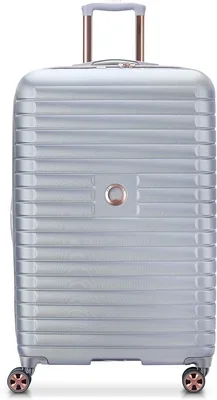
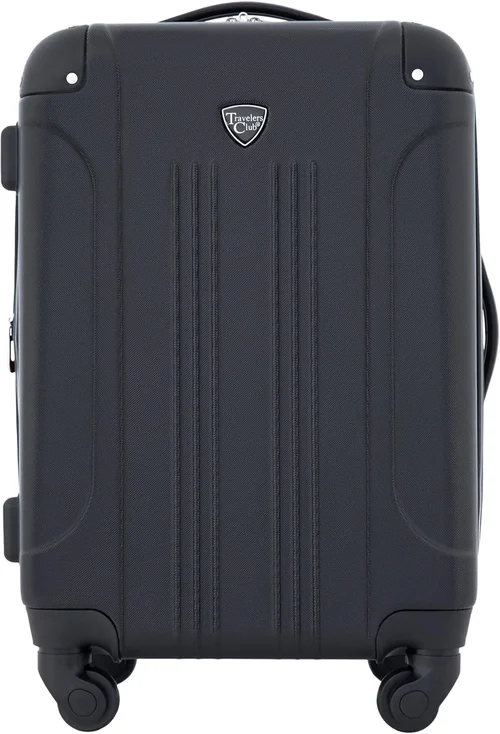
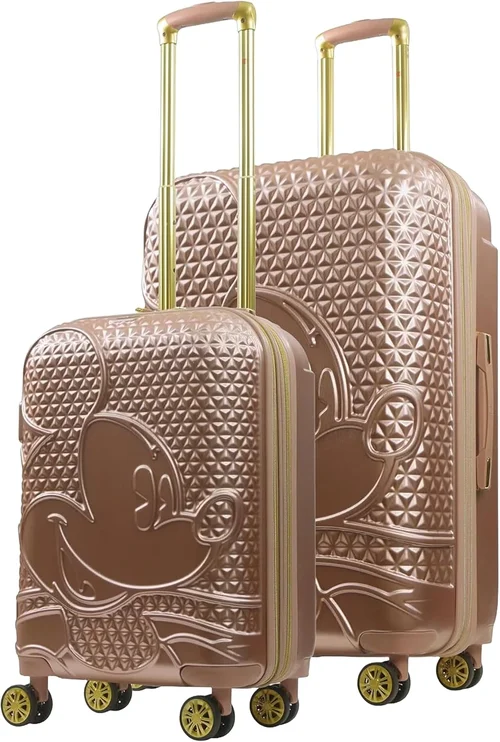
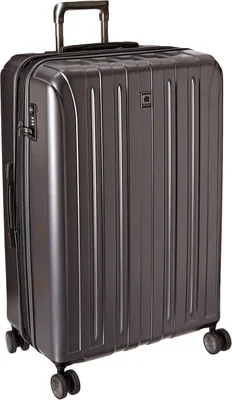
Choosing the right expandable 22 lightweight luggage can feel like navigating a maze of specifications, brand promises, and price tags. Whether you are a frequent flyer who values every ounce of weight savings or an occasional traveler looking for a reliable carry‑on that can stretch a little when you overpack, understanding what truly matters will save you money, time, and the frustration of a broken handle at the gate. This guide walks you through every critical factor, explains the jargon in plain language, compares the main categories on the market, and gives you concrete buying advice so you can step onto the plane with confidence.
In the next sections you will learn how to prioritize size limits, durability, wheel quality, handle ergonomics, expansion mechanisms, and warranty coverage. We will also break down the market into budget, mid‑range, premium, and luxury tiers, highlight the most common buying mistakes, and share pro tips for snagging the best deal. By the end of this article you will have a clear checklist you can take to any store or website and know exactly what to look for.
The expandable 22‑inch segment is one of the most competitive corners of the luggage world because it sits right at the sweet spot for most airline carry‑on restrictions while still offering a little extra packing room when you need it. Major brands such as Samsonite, Travelpro, Delsey, Briggs & Riley, and newer direct‑to‑consumer labels like Away and Monos all have multiple models vying for your attention. Knowing the differences between a polycarbonate shell, a ballistic nylon softside, and a hybrid construction will help you match a suitcase to your travel style rather than just the flashiest marketing.

What to Look for When Buying Buying Guide
1. Size Compliance and Real‑World Dimensions
The first thing to verify is whether the bag truly meets the 22‑inch carry‑on limit for the airlines you fly most often. Manufacturers often quote the external dimensions including wheels and handles, but the internal packing volume can be significantly smaller. Measure the height, width, and depth of the interior cavity yourself if possible, or look for detailed spec sheets that list interior dimensions separately. A bag that is 22 × 14 × 9 inches externally may only give you 20 × 13 × 8 inches of usable space once the frame, liner, and expansion zipper are accounted for. Also consider the shape: a rectangular box maximizes volume, while tapered designs look sleek but waste corner space.
2. Weight – The Lightweight Promise
Weight is the defining characteristic of this category. A true lightweight 22‑inch suitcase should weigh under 7 pounds (3.2 kg) empty, with many top models coming in around 5.5 pounds (2.5 kg). Every ounce matters because airlines increasingly enforce strict carry‑on weight limits, especially on international routes. Look for materials like high‑grade polycarbonate, aluminum‑magnesium alloy frames, or advanced ballistic nylon that deliver strength without bulk. Avoid bags that add unnecessary metal hardware, thick corner guards, or heavy zipper pulls; they can add a pound or more without any real durability gain.
3. Shell Material – Hard vs. Soft vs. Hybrid
Hard‑shell (polycarbonate, polypropylene, ABS) – Offers the best protection for fragile items, resists water, and keeps its shape. Polycarbonate is the gold standard for impact resistance; it flexes under stress rather than cracking. Polypropylene is lighter but slightly less rigid. ABS is the cheapest and most brittle; avoid it for frequent travel.
Soft‑shell (ballistic nylon, Cordura, high‑denier polyester) – More forgiving when you need to squeeze into tight overhead bins, often lighter, and usually feature external pockets for quick access. Ballistic nylon (1050 denier or higher) is the toughest woven fabric; Cordura adds abrasion resistance. The trade‑off is less crush protection and potential water ingress unless the bag has a coated lining.
Hybrid – Combines a hard front shell with a soft back panel or vice‑versa. These aim to give you the best of both worlds but can be heavier than a pure hard‑shell because of the extra stitching and reinforcement layers.
4. Wheel System – Spinner vs. Inline, Bearing Quality
Four‑wheel spinners are now the norm for 22‑inch carry‑ons because they allow 360° maneuverability and reduce wrist strain. However, not all spinners are created equal. Look for double‑ball‑bearing wheels (often marketed as “silent” or “smooth‑roll”) rather than simple plastic bushings. The wheel diameter matters too: 3‑inch (75 mm) wheels roll over carpet and cobblestones more easily than 2‑inch wheels. Inline two‑wheel designs are still preferred by some road‑warriors for durability on rough terrain, but they require tilting the bag and can be harder on the shoulder.
5. Handle Ergonomics and Telescoping Mechanism
The telescoping handle should lock securely at multiple heights (typically three) and retract smoothly without sticking. Aluminum tubes are lighter than steel but can dent; reinforced aluminum with an internal steel core offers a good compromise. The grip material matters for comfort on long walks: molded rubber or contoured thermoplastic elastomer (TPE) reduces hand fatigue. Test the handle extension and retraction several times; a sticky mechanism often signals poor internal tolerances that will worsen with dust and grit.
6. Expansion Mechanism – Zipper vs. Gusset vs. Frame
Expandable luggage typically adds 1.5‑2 inches of depth via a zippered gusset. The quality of that zipper determines whether the expansion stays sealed under pressure. Look for YKK® RCW (reverse coil) or Vislon® zippers with large, easy‑to‑grip pulls. Some premium models use a frame‑based expansion where a hidden aluminum rib slides out, providing a more rigid expansion that doesn’t bulge awkwardly. Cheaper bags often use a simple fabric gusset that can sag when fully packed, reducing the bag’s ability to fit in the overhead bin.
7. Interior Organization – Dividers, Compression Straps, Pockets
A well‑designed interior can make packing feel like a game of Tetris rather than a struggle. Essential features include a full‑length zippered divider panel (often with a mesh pocket), adjustable compression straps to cinch down clothing, and a dedicated wet‑pocket or toiletry sleeve. Some brands add a removable suiter or garment folder, which is a bonus for business travelers. Check that the divider does not consume too much interior height when zipped; a low‑profile divider preserves maximum volume.
8. Durability Indicators – Corner Guards, Zipper Guards, Frame Reinforcement
Corner guards (often molded polycarbonate or thermoplastic polyurethane) protect the most vulnerable impact points. Zipper guards – a fabric flap that covers the zipper teeth – keep dirt and moisture out and prevent the zipper from snagging on conveyor belts. A reinforced frame (usually a perimeter aluminum or fiberglass tube) prevents the bag from collapsing when stacked under other luggage. If a model lacks any of these three, expect a shorter lifespan, especially if you check the bag occasionally.
9. Warranty and Customer Support
A strong warranty is a proxy for build quality. Look for a limited lifetime warranty that covers manufacturing defects on the shell, wheels, handle, and zippers. Some brands (e.g., Briggs & Riley, Travelpro) offer a “no‑questions‑asked” repair policy for the first few years, even for airline damage. Read the fine print: many warranties exclude normal wear, cosmetic scratches, or damage caused by over‑packing beyond the expansion limit. Good customer service (responsive email, phone support, authorized repair centers) can turn a potential headache into a quick fix.
10. Price vs. Value – Finding the Sweet Spot
Price alone does not guarantee quality. A $150 bag with a lifetime warranty, double‑ball‑bearing spinners, and a polycarbonate shell can outperform a $350 designer label that uses cheap ABS and single‑bearing wheels. Set a realistic budget first, then compare the feature checklist above. The “sweet spot” for most travelers lies between $180 and $300, where you get a reputable brand, solid materials, and a warranty that actually gets honored.
Different Types of Buying Guide

Common Buying Mistakes to Avoid
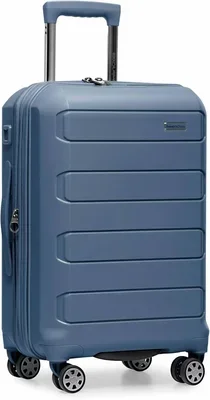
❌ Mistake: Ignoring Airline‑Specific Size Limits
Why it’s bad: A bag that fits the generic 22 × 14 × 9 in rule may be rejected by a carrier with a tighter 21.5 × 13.5 × 7.5 in limit (common on European low‑cost airlines). You could be forced to check the bag at the gate, incurring fees and risking damage.
What to do instead: Check the exact carry‑on dimensions for every airline you regularly use, including any personal item allowances. Choose a model that meets the most restrictive dimensions in your rotation.
❌ Mistake: Prioritizing Aesthetics Over Wheel Quality
Why it’s bad: Beautiful matte finishes and sleek colorways are tempting, but if the wheels use cheap plastic bushings they will grind, wobble, and eventually seize after a few trips.
What to do instead: Test the wheels in person or read detailed reviews focusing on wheel bearings. Opt for double‑ball‑bearing spinners with a minimum 3‑inch diameter.
❌ Mistake: Overlooking the Expansion Zipper Durability
Why it’s bad: A flimsy expansion zipper can burst under the pressure of a fully packed bag, leaving you with a gaping hole and no way to close the suitcase.
What to do instead: Look for YKK® RCW or Vislon® zippers with large, coated pulls. Verify that the expansion gusset is reinforced with a fabric tape or a hidden frame rib.
❌ Mistake: Buying the Lightest Model Without Checking Frame Rigidity
Why it’s bad: Some ultra‑light bags sacrifice the perimeter frame for weight savings, causing the suitcase to collapse when stacked or when you sit on it at the gate.
What to do instead: Ensure the bag has a reinforced frame (aluminum or fiberglass) even if it adds a few ounces. A slightly heavier but rigid bag lasts years longer.
❌ Mistake: Skipping Warranty Registration
Why it’s bad: Many lifetime warranties require online registration within 30‑90 days of purchase. Missing that window voids coverage, leaving you on the hook for repairs.
What to do instead: Register the product immediately after purchase. Keep the receipt and a screenshot of the confirmation email.
❌ Mistake: Assuming All “Smart” Features Are Worth the Premium
Why it’s bad: Built‑in power banks add weight, may be banned on certain airlines if non‑removable, and often become obsolete as USB‑C standards evolve.
What to do instead: If you need a power bank, buy a high‑capacity removable one separately. Choose smart luggage only if the battery is easily removable and the bag meets all other criteria.
❌ Mistake: Not Testing the Handle Height for Your Stature
Why it’s bad: A handle that locks too low forces you to hunch, causing back strain; too high makes the bag unstable.
What to do instead: Extend the handle to each lock position and walk a few steps. The top lock should sit at or just below your wrist when your arm hangs naturally.
Budget Guidelines: How Much Should You Spend?
Entry‑Level ($80 – $150)
At this price you’ll find mostly ABS hard‑shells or low‑denier polyester soft‑shells. Expect single‑bearing spinner wheels, basic telescoping handles with two lock positions, and a simple fabric expansion gusset. Warranties are often limited to 1‑2 years and may not cover airline damage. These bags are fine for occasional leisure trips (once or twice a year) but will show wear quickly if used monthly.
Mid‑Range ($150 – $300) – The Sweet Spot
This tier delivers polycarbonate or high‑denier ballistic nylon, double‑ball‑bearing spinners, three‑position handles, YKK® expansion zippers, and a limited lifetime warranty from reputable brands (Travelpro, Samsonite, Delsey, Briggs & Riley). Interior organization is thoughtful, with compression straps and a full divider. Most frequent flyers find a model here that lasts 5‑7 years with minimal maintenance.
Premium ($300 – $500)
Premium models add features like a magnesium‑aluminum frame, self‑healing zippers, integrated TSA‑approved locks with a fingerprint or Bluetooth option, and a more refined interior (removable suiter, dedicated laptop sleeve). Weight often drops below 5 lb thanks to advanced composites. Warranty service includes free shipping for repairs and a dedicated concierge line. Ideal for road‑warriors who log 30+ flights per year.
Luxury ($500+)
Luxury luggage (e.g., Rimowa, Tumi, Globe‑Trotter) uses anodized aluminum, carbon‑fiber, or hand‑stitched leather accents. Wheels are often custom‑machined with ceramic bearings. The price pays for brand heritage, bespoke customization, and a “buy‑it‑for‑life” mentality. While the performance advantage over a $350 premium bag is marginal, the resale value and status appeal can justify the cost for some buyers.
Expert Tips for Getting the Best Deal
- Shop Off‑Season: Late January through March and September through early November are the quietest travel periods. Retailers clear inventory, offering 20‑30 % discounts.
- Use Price‑Tracking Tools: Browser extensions like Honey, CamelCamelCamel, or Keepa alert you when a specific model drops below your target price.
- Check Authorized Outlet Stores: Brands such as Travelpro and Samsonite run outlet sites with factory‑refurbished units that carry the full warranty.
- Leverage Credit‑Card Purchase Protection: Many premium cards extend the manufacturer warranty by an extra year and cover theft or accidental damage for the first 90‑120 days.
- Read Return Policies Before Buying Online: Look for a minimum 30‑day free return window with prepaid shipping. Some retailers charge restocking fees for luggage.
- Test In‑Store, Buy Online: Visit a physical store to feel the handle, spin the wheels, and assess the expansion zipper. Then purchase the exact SKU online where the price is lower.
- Consider Refurbished or Open‑Box: Certified refurbished units from the manufacturer often come with a like‑new warranty at 40‑50 % off MSRP.
- Bundle with Accessories: Some brands throw in a packing cube set, a TSA lock, or a luggage tag when you buy a carry‑on during promotional periods.

Frequently Asked Questions
Q: What does “expandable 22” actually mean in terms of added capacity?
A: Most expandable 22‑inch bags add 1.5‑2 inches of depth, which translates to roughly 15‑25 % more packing volume (about 2‑3 extra liters). The exact gain depends on the gusset design; a frame‑based expansion yields a more uniform shape than a simple fabric zipper gusset.
Q: Can I use an expandable 22‑inch bag as a checked bag on occasion?
A: Yes, but be aware that the expansion zipper is a weak point under the heavy loads and rough handling of checked baggage. If you plan to check it regularly, choose a model with a reinforced frame expansion and a robust corner guard system.
Q: Are spinner wheels really better than two‑wheel inline wheels?
A: For smooth airport floors, spinners reduce wrist strain and allow you to push the bag beside you. On uneven pavement, cobblestones, or gravel, inline wheels with larger diameters (3.5‑4 in) roll more reliably. Choose based on the surfaces you encounter most.
Q: How do I clean a polycarbonate shell without scratching it?
A: Use a microfiber cloth dampened with warm water and a mild dish soap. Avoid abrasive cleaners, alcohol wipes, or paper towels. For scuff marks, a small amount of non‑gel toothpaste applied gently with a soft cloth can buff them out.
Q: What is the difference between ballistic nylon and Cordura?
A: Ballistic nylon is a specific high‑tenacity, 2‑ply weave originally developed for military flak jackets; it excels at tear resistance. Cordura is a brand of fabric that can be made from various fibers (nylon, polyester) and is engineered for abrasion resistance. Both are excellent; ballistic nylon tends to be slightly heavier but more puncture‑proof.
Q: Do I need a TSA‑approved lock if the bag has a built‑in combination lock?
A: A built‑in TSA lock is convenient because agents can open it with a master key without cutting the lock. If your bag only has a generic combination lock, add a separate TSA‑approved padlock to the zipper pulls for security compliance.
Q: How often should I lubricate the wheel bearings?
A: Once a year, or after any trip where the wheels were exposed to sand, salt, or heavy grit. Use a light PTFE (Teflon) spray or a drop of silicone oil on each bearing; wipe away excess to avoid attracting dirt.
Q: Is a removable battery pack in smart luggage worth the extra cost?
A: Only if you frequently fly on airlines that require the battery to be removable (most do). A removable pack lets you keep the bag compliant and use the power bank separately. If you rarely need on‑the‑go charging, a standard power bank in your carry‑on is cheaper and lighter.
Q: What should I do if the telescoping handle gets stuck halfway?
A: First, fully collapse the handle, then extend it slowly while gently wiggling side‑to‑side. If it still binds, apply a small amount of dry PTFE lubricant to the inner tubes. Avoid oil‑based lubricants as they attract dust. If the problem persists, contact the manufacturer for a warranty repair.
Our Final Recommendations
Best for Budget‑Conscious Buyers
Samsonite Freeform Hardside Expandable Carry‑On 22″ – Typically priced around $130‑$150, this polycarbonate shell offers double‑spinner wheels, a three‑stage handle, and a 1.5‑inch expansion zipper. The 10‑year limited warranty covers manufacturing defects, making it a solid entry point without sacrificing core durability.
Best Overall Value
Travelpro Platinum Elite 22″ Expandable Spinner – In the $230‑$260 range you get a high‑denier ballistic nylon exterior, MagnaTrac® self‑aligning spinner wheels, a PowerScope® handle with Contour Grip, and a lifetime warranty that includes airline damage. The interior features a suiter, wet pocket, and compression straps. It balances weight (6.2 lb), organization, and ruggedness better than any other mid‑range model.
Best Premium Option
Briggs & Riley Baseline Domestic Carry‑On Expandable 22″ – At $380‑$420 you receive a virtually indestructible CX™ expansion‑compression system (no zipper, just a hidden frame), ballistic nylon with a water‑repellent coating, and a lifetime “Simple as that” warranty that covers even airline mishandling. Weight is 6.8 lb, but the expansion adds a full 2 inches without bulging.
Best for Beginners
Away The Bigger Carry‑On (Polycarbonate) – Priced around $275, Away’s direct‑to‑consumer model simplifies the buying process with a 100‑day trial, a built‑in ejectable battery (optional), and a clean aesthetic. The polycarbonate shell, Hinomoto spinner wheels, and TSA lock make it user‑friendly for first‑time travelers who want a hassle‑free experience.
Best for Advanced Users / Road Warriors
Rimowa Essential Cabin 22″ (Polycarbonate) – At $600+ this is an investment, but the German‑engineered polycarbonate shell, multi‑stage telescoping handle with integrated lock, and near‑silent ceramic‑bearing wheels deliver a buttery‑smooth roll that survives 100+ flights a year. The 5‑year warranty (extendable) and global service network make it a true “buy‑once” piece.
Conclusion: Making the Right Choice
Selecting the perfect expandable 22 lightweight luggage comes down to matching the bag’s strengths to your travel habits. Start by confirming the exact carry‑on dimensions for the airlines you fly most, then prioritize a lightweight yet rigid shell, high‑quality spinner wheels, a comfortable multi‑stage handle, and a reliable expansion zipper or frame system. Use the factor checklist in this guide as a scorecard when you compare models, and don’t be swayed by flashy colors or smart‑tech gimmicks that add weight without real utility.
Remember that a modest increase in budget from the entry‑level tier to the mid‑range sweet spot often yields a dramatic jump in durability, warranty coverage, and day‑to‑day usability. If you travel more than a handful of times per year, investing in a bag with a lifetime warranty and proven wheel bearings will pay for itself in avoided replacement costs and reduced stress at the airport.
Armed with this knowledge, you can walk into any store or browse any website with a clear set of criteria. Test the handle, spin the wheels, open the expansion zipper, and imagine the bag sliding into the overhead bin on your next flight. When the bag feels like an extension of your own movement rather than a burden, you’ve found the right companion. Happy travels, and may your overhead bin always have room!