Choosing the right expandable 28‑inch spinner luggage can feel overwhelming because the market is packed with options that range from budget‑friendly basics to high‑end travel companions. This guide exists to cut through the noise and give you a clear, step‑by‑step framework for evaluating every feature that matters. By the time you finish reading, you will know exactly which specifications to prioritize, how to spot a genuine value, and which models deserve a spot on your shortlist.
We will walk through the most critical buying factors, compare the main luggage categories, highlight common pitfalls, break down realistic price tiers, share insider shopping tips, answer the questions travelers ask most often, and finish with concrete recommendations for every type of buyer. Whether you are a weekend warrior, a frequent business flyer, or a family planning a long‑haul vacation, this guide will give you the confidence to pick a suitcase that fits your life and your budget.
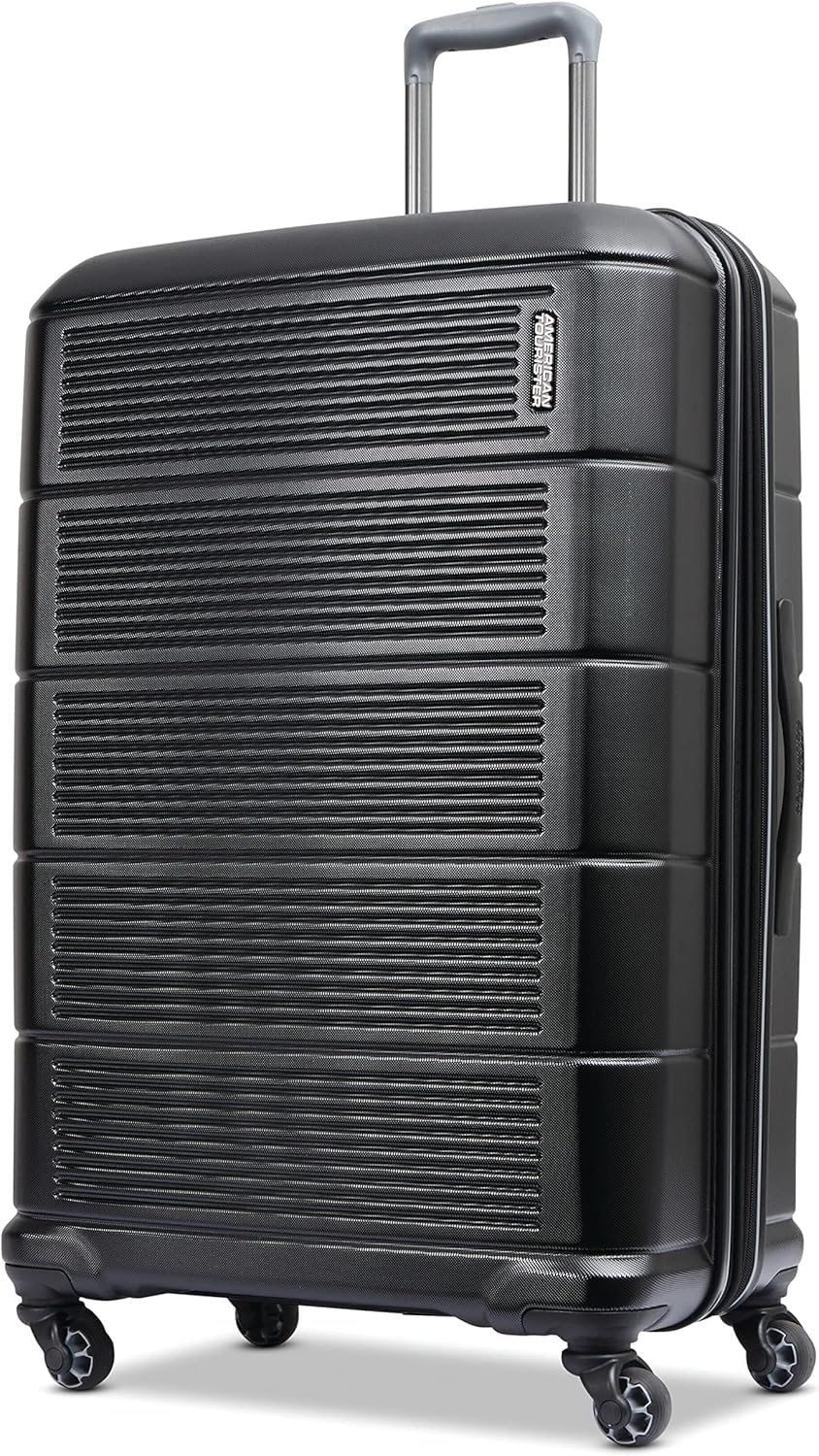
What to Look for When Buying Buying Guide
1. Size and Airline Compatibility
The 28‑inch measurement usually refers to the overall height including wheels and handles. Most major airlines allow a checked bag up to 62 linear inches (length + width + height). A 28‑inch spinner typically falls well within that limit, but you should still verify the exact dimensions of the model you like. Look for a product spec sheet that lists interior dimensions separately from exterior ones; the interior volume determines how much you can actually pack. If you frequently fly on regional carriers with tighter limits, consider a model that is slightly shorter or has a removable expansion zipper so you can stay compliant when needed.
2. Expandable Capacity
Expandable luggage adds a zippered gusset that can increase packing volume by 15‑25 percent. This feature is invaluable when you return home with souvenirs or need extra space for a longer trip. Check the expansion depth — usually 1.5 to 2.5 inches — and confirm that the expanded size still meets airline limits. Some brands lock the expansion zipper with a TSA‑approved lock, which adds security but can be a hassle if you need quick access. A smooth, durable zipper track is essential; test it in‑store if possible or read reviews that mention zipper reliability over time.
3. Wheel Quality and Maneuverability
Spinner wheels are the hallmark of modern luggage. Look for double‑wheel (twin‑caster) designs because they distribute weight more evenly and roll smoother over cracks, carpet, and cobblestones. Wheel material matters: high‑grade polyurethane or rubberized polyurethane offers quiet, low‑friction rolling and resists flat‑spotting. Check the wheel housing — recessed wheels protected by a reinforced corner bumper survive rough baggage handling better than exposed wheels. If you often navigate tight airplane aisles, test the 360‑degree rotation; a stiff wheel can turn a pleasant stroll into a workout.
4. Handle System Ergonomics
The telescoping handle should extend and lock at multiple heights (usually three) to accommodate different user heights. Aluminum or aircraft‑grade alloy tubes are lighter and stronger than steel. Grip material matters too — contoured rubber or soft‑touch plastic reduces hand fatigue during long walks through terminals. A sturdy top carry handle and a side handle are also useful for lifting the bag into overhead bins or car trunks. Ensure the handle locks securely; a wobbling handle can damage the frame over time.
5. Shell Material and Durability
Hard‑shell suitcases typically use polycarbonate, ABS, or a polycarbonate‑ABS blend. Polycarbonate is the gold standard: it flexes under impact instead of cracking, keeping contents safe. ABS is cheaper but more brittle. Soft‑shell options rely on ballistic nylon, Cordura, or high‑denier polyester; these fabrics resist abrasion and tears but can be punctured. For a 28‑inch checked bag, a hard shell often provides better protection for fragile items, while a soft shell may offer exterior pockets for quick‑access items. Look for reinforced corners and a double‑stitched seam construction on soft models.
6. Weight
Every pound of luggage weight eats into your airline weight allowance. Modern 28‑inch spinners range from 7 to 12 pounds empty. Ultra‑light models use thin polycarbonate shells and minimal internal framing; they are great for weight‑restricted airlines but may sacrifice some impact resistance. Heavier models often include thicker shells, more robust wheel housings, and additional organizational features. Decide your priority: if you pack heavy, a lighter bag gives you more payload; if you value durability, a few extra pounds may be worth it.
7. Interior Organization
A well‑designed interior saves packing time and keeps items from shifting. Look for a full‑length zippered divider, compression straps, and multiple mesh pockets. Some premium bags include a removable garment sleeve, a wet‑dry pocket, or a built‑in laundry bag. The divider should have a zippered opening so you can access both compartments without unpacking everything. If you travel with electronics, a padded laptop or tablet sleeve integrated into the lid is a nice bonus.
8. Security Features
TSA‑approved combination locks are standard on most mid‑range and premium models. They allow security agents to open the bag without cutting the lock. Some brands integrate a lock into the zipper pulls, while others provide a separate lock that threads through the zipper holes. A double‑coil zipper with lockable pulls is more resistant to forced entry than a single‑coil zipper. If you carry valuables, consider a bag with a hidden zippered compartment or a built‑in cable lock that can be secured to a fixed object in a hotel room.
9. Warranty and Customer Support
A strong warranty signals manufacturer confidence. Look for a limited lifetime warranty that covers defects in materials and workmanship, not just a one‑year policy. Read the fine print: some warranties exclude wheel damage, handle breakage, or cosmetic scratches. Responsive customer service — easy claim filing, quick replacement parts, and repair centers in major cities — can turn a frustrating experience into a minor inconvenience. Brands like Briggs & Riley, Travelpro, and Samsonite are known for honoring warranties without hassle.
10. Brand Reputation and User Reviews
Established brands invest in R&D, quality control, and after‑sales service. However, newer direct‑to‑consumer brands can offer comparable quality at lower prices because they cut out middlemen. Read verified purchaser reviews on multiple platforms (Amazon, retailer sites, travel forums). Pay attention to patterns: repeated complaints about wheel failure, zipper snagging, or handle wobble are red flags. Conversely, consistent praise for smooth rolling, durable shells, and helpful support is a good sign.
Different Types of Buying Guide

Common Buying Mistakes to Avoid
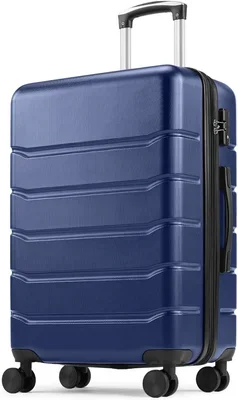
❌ Mistake: Ignoring Airline Size Limits
Why it’s bad: A bag that looks perfect in the store may exceed the 62‑linear‑inch checked‑bag limit once expanded, leading to overweight or oversize fees at the airport.
What to do instead: Measure the exterior dimensions yourself (including wheels and handles) and compare them to the specific airline’s policy before purchasing. Keep a tape measure handy when shopping online.
❌ Mistake: Choosing Style Over Wheel Quality
Why it’s bad: Beautiful designer luggage often uses single‑caster wheels that jam on uneven surfaces, turning a smooth roll into a struggle.
What to do instead: Prioritize double‑wheel spinners with recessed housings. Test the roll in‑store or watch video reviews that show the bag on carpet, tile, and cobblestones.
❌ Mistake: Overlooking Weight
Why it’s bad: A heavy empty suitcase reduces your packing allowance and can push you over the 50‑pound checked‑bag limit, incurring fees.
What to do instead: Target a bag under 9 pounds if you frequently fly on carriers with strict weight limits. Use a luggage scale at home to verify total weight before heading to the airport.
❌ Mistake: Skipping Warranty Details
Why it’s bad: A “lifetime warranty” that excludes wheels, handles, or zipper failure leaves you paying for the most common repairs.
What to do instead: Read the warranty PDF before buying. Choose brands that cover all functional components and offer easy claim processes.
❌ Mistake: Buying Without Checking Interior Layout
Why it’s bad: A beautiful exterior can hide a single cavernous compartment with no dividers, making organization a nightmare.
What to do instead: Look for a full‑length divider, compression straps, and multiple mesh pockets. If possible, open the bag in‑store and simulate packing.
❌ Mistake: Assuming All Expandable Zippers Are Equal
Why it’s bad: Cheap expansion zippers can snag, misalign, or burst under pressure, rendering the extra space useless.
What to do instead: Choose models with YKK or comparable brand zippers, reinforced stitching, and a lockable pull tab. Read reviews that mention expansion durability after multiple trips.
❌ Mistake: Not Considering Repair Parts Availability
Why it’s bad: A broken wheel or handle on a discontinued model can turn a $200 bag into trash.
What to do instead: Verify that the manufacturer sells replacement wheels, handles, and zipper pulls separately. Brands with dedicated service centers (e.g., Travelpro, Briggs & Riley) are safer bets.
Budget Guidelines: How Much Should You Spend?
Entry‑Level ($50 – $100)
At this price you’ll find basic ABS hard shells or low‑denier polyester soft shells. Expect single‑caster wheels, a single‑stage telescoping handle, and minimal interior organization. Expansion may be a simple zipper without reinforcement. These bags are fine for occasional leisure trips, but they often show wear after a few flights — cracked corners, wobbling handles, and noisy wheels. If you travel once a year and pack light, an entry‑level model can suffice.
Mid‑Range ($100 – $200)
This is the sweet spot for most travelers. You’ll get polycarbonate or polycarbonate‑ABS blend shells, double‑wheel spinners, multi‑stage aluminum handles, and a decent interior layout with a divider and compression straps. Expansion zippers are usually reinforced, and TSA locks are standard. Brands like Samsonite Winfield, Travelpro Maxlite, and Delsey Chatelet sit here. Expect a 3‑ to 5‑year lifespan with normal use.
Premium ($200 – $350)
Premium models add higher‑grade polycarbonate (often 100 % virgin), precision‑engineered wheel bearings, ergonomic handle grips, and thoughtful extras — removable garment sleeves, wet‑dry pockets, integrated USB ports (power bank not included), and superior warranty coverage (often lifetime with full component replacement). Examples: Briggs & Riley Baseline, Samsonite Omni PC Hardside, and Away The Large. These bags survive heavy business travel and family vacations alike.
Luxury ($350+)
Luxury luggage uses aluminum or magnesium frames, hand‑stitched leather accents, and bespoke interior configurations. Brands like Rimowa, Tumi, and Globe‑Trotter dominate this tier. You pay for heritage, status, and a warranty that often includes complimentary repairs for life. While the performance gap over premium models narrows, the experience of ownership — smooth glide, silent wheels, impeccable finish — can justify the cost for frequent flyers who value prestige and absolute reliability.
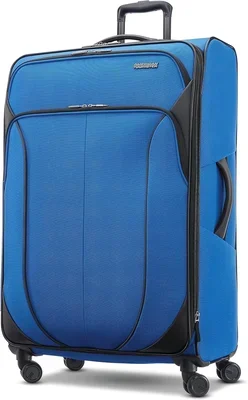
Expert Tips for Getting the Best Deal
- Shop off‑season: Major sales occur in January (post‑holiday), May (pre‑summer), and September (back‑to‑school). Retailers clear inventory to make room for new collections.
- Sign up for brand newsletters: Many direct‑to‑consumer brands (Away, Monos, July) offer 10‑15 % off first purchase codes and early‑access to flash sales.
- Use price‑tracking tools: Browser extensions like Honey, CamelCamelCamel, or Keepa alert you when a specific model drops below your target price.
- Check outlet stores and authorized refurbishers: Brands such as Travelpro and Samsonite sell factory‑refurbished units with full warranties at 30‑40 % off.
- Leverage credit‑card travel perks: Some premium cards provide statement credits for luggage purchases or extended warranty coverage beyond the manufacturer’s policy.
- Test in‑store before buying online: Even if you plan to order online, visit a physical store to feel the handle, roll the wheels, and assess the expansion zipper. Then buy the exact model online for the best price.
- Read the return policy: A 30‑day no‑questions‑asked return window lets you do a real‑world test on a short trip. Keep all packaging and tags until you’re sure.
- Bundle with packing cubes: Some retailers offer discounts when you buy a suitcase plus a set of packing cubes, which also improves organization.

Frequently Asked Questions
Q: What is the difference between a spinner and a roller bag?
A: A spinner has four 360‑degree wheels that allow the bag to glide beside you in any direction. A roller (or inline) bag has two fixed wheels and must be tilted to move. Spinners reduce wrist strain and are easier to navigate tight aisles, but they can be slightly less stable on very rough terrain.
Q: Can I use a 28‑inch expandable spinner as a carry‑on?
A: No. 28‑inch luggage exceeds the typical carry‑on size limit (22 × 14 × 9 in). It is designed for checked baggage only. If you need a carry‑on, look for a 21‑ or 22‑inch spinner.
Q: How do I clean a polycarbonate hard shell?
A: Wipe the exterior with a damp microfiber cloth and mild soap. Avoid abrasive cleaners or solvents that can dull the finish. For scuffs, a small amount of automotive polishing compound applied with a soft cloth can restore shine.
Q: Are TSA locks required?
A: They are not mandatory, but they are highly recommended for checked bags. TSA agents have master keys to open approved locks without cutting them. Non‑approved locks may be destroyed during inspection.
Q: How much extra space does the expansion zipper really add?
A: Most 28‑inch expandable bags add 1.5 to 2.5 inches of depth, translating to roughly 15‑25 % more volume. That can mean an extra 5‑10 liters — enough for a couple of sweaters, a pair of shoes, or a stack of souvenirs.
Q: What should I do if a wheel breaks mid‑trip?
A: If you have a brand with a global service network (e.g., Briggs & Riley, Travelpro), locate the nearest authorized repair center via the brand’s website. Many airports have luggage repair kiosks that can replace a wheel in under an hour. Carry a small multi‑tool and a spare wheel bolt if you’re handy.
Q: Is a heavier suitcase always more durable?
A: Not necessarily. Weight often correlates with thicker shells or more metal hardware, but modern engineering allows ultra‑light polycarbonate to absorb impact as well as heavier ABS. Focus on material quality and construction rather than weight alone.
Q: Can I replace the telescoping handle myself?
Q: What is the best way to pack a 28‑inch spinner for a two‑week trip?
A: Use packing cubes to compartmentalize clothing by type (tops, bottoms, underwear). Place heavier items (shoes, toiletries) at the bottom near the wheels for balance. Roll clothes instead of folding to maximize space and reduce wrinkles. Use the expansion zipper only if you truly need the extra volume; an over‑expanded bag can become unstable on the conveyor belt.
Our Final Recommendations
Best for Budget‑Conscious Buyers: Amazon Basics 28‑Inch Hardside Spinner — Priced around $70, it offers a polycarbonate‑ABS shell, double wheels, and a basic TSA lock. It lacks premium interior organization but covers the essentials for occasional travelers.
Best Overall Value: Travelpro Maxlite 5 28‑Inch Expandable Spinner — At roughly $130, you get a lightweight polycarbonate shell, MagnaTrac double wheels, a comfortable contour grip, and a lifetime warranty that covers wheels and handles. The interior includes a full‑length divider, compression straps, and multiple pockets.
Best Premium Option: Briggs & Riley Baseline 28‑Inch Expandable Spinner — Around $330, this bag features a ballistic nylon exterior with a hard‑frame chassis, CX expansion system that adds 25 % capacity without increasing dimensions, and a lifetime “no‑questions‑asked” warranty that even covers airline damage.
Best for Beginners: Samsonite Winfield 2 28‑Inch Hardside Spinner — Priced near $150, it balances durability (100 % polycarbonate), smooth double wheels, and a simple interior layout. The TSA lock is integrated, and the color options make it easy to spot on the carousel.
Best for Advanced Users: Away The Large (Polycarbonate) — At $295, it includes a built‑in ejectable battery (sold separately), a hidden laundry bag, a compression pad, and a minimalist aesthetic. The brand’s direct‑to‑consumer model means a 100‑day trial and a lifetime warranty on the shell.
Conclusion: Making the Right Choice
Selecting an expandable 28‑inch spinner luggage comes down to matching the bag’s strengths to your travel habits. Start by confirming airline size limits, then decide how much weight you’re willing to carry versus how much protection you need. Prioritize double‑wheel spinners, a multi‑stage handle, and a reputable warranty — those three features alone eliminate the majority of frustrating purchases. Use the budget tiers as a reality check: you don’t need to spend $400 to get a reliable companion, but spending a little more than the absolute cheapest often saves money in the long run by avoiding early replacements.
Take advantage of seasonal sales, price‑tracking tools, and generous return policies to test a bag on a real trip before committing. Remember that the best luggage is the one you barely notice while you’re exploring a new city, not the one that fights you at every terminal. With the knowledge from this guide, you’re equipped to make a confident, informed decision that will serve you for years of smooth journeys.
Happy travels, and may your next suitcase roll as effortlessly as your adventures unfold.