Choosing the right expandable luggage can feel like navigating a maze of zippers, frames, and marketing promises. This guide exists to cut through the noise and give you a clear, practical roadmap so you can pick a bag that truly fits your travel style, budget, and the inevitable “just one more souvenir” moment. By the end of this article you will understand the core constraints that define expandable luggage, know which specifications matter most, and be equipped to compare budget, mid‑range, and premium options with confidence.
The market today offers everything from ultra‑light carry‑ons that stretch a few centimeters to massive checked bags that double in volume. Each design balances weight, durability, wheel quality, and expansion mechanism differently. We’ll break down those trade‑offs, explain the jargon in plain language, and highlight the common pitfalls that cause buyer’s remorse. Whether you’re a weekend warrior, a business road‑tripper, or a family vacation planner, this guide will help you make a purchase you’ll rely on for years.

What to Look for When Buying Expandable Luggage
1. Expansion Mechanism and Capacity Gain
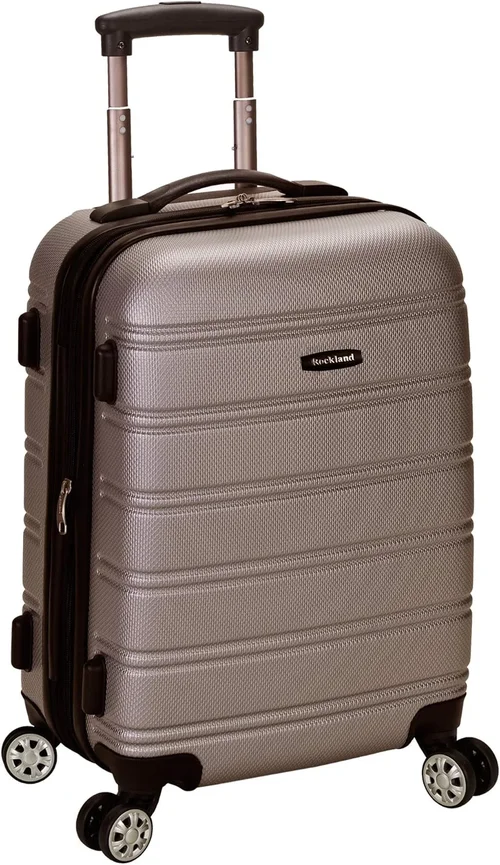
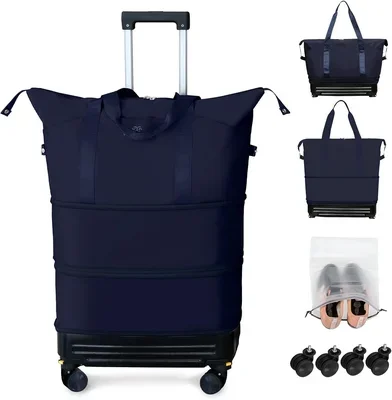
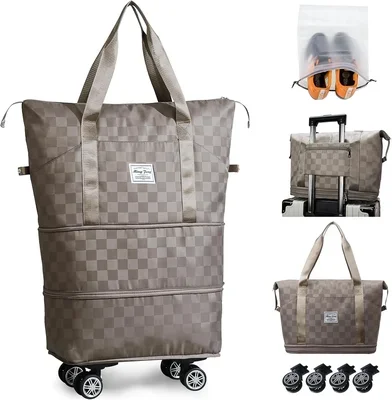
The heart of any expandable bag is its expansion system. Most models use a zippered gusset that adds 15‑30 percent extra volume, while some premium lines employ a hidden accordion panel or a dual‑stage zipper that lets you choose a modest or full expansion. Look for a smooth‑running zipper with reinforced stitching; a jammed zipper on a full bag is a travel nightmare. Check the manufacturer’s stated expansion depth in centimeters or inches, then visualize how that translates to real‑world packing — extra shoes, a bulky jacket, or a last‑minute gift.
2. Frame Construction and Material Durability
Hard‑shell cases typically use polycarbonate, ABS, or a blend; soft‑sided bags rely on ballistic nylon, Cordura, or high‑denier polyester. Polycarbonate offers the best impact‑to‑weight ratio, while ballistic nylon excels at abrasion resistance. Examine the frame’s corner reinforcements — molded corners or metal corner guards protect the most vulnerable points. A durable frame ensures the expansion gusset doesn’t stress the shell when the bag is stuffed to the limit.
3. Wheel Quality and Maneuverability
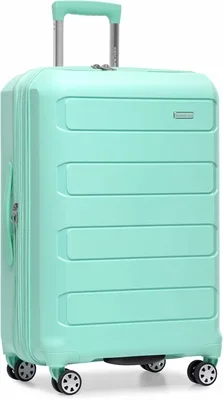
Four‑wheel spinner systems dominate the market because they glide in any direction, but not all spinners are created equal. Look for sealed ball‑bearing wheels made from polyurethane rather than cheap plastic; they roll quieter and survive rough pavement. Test the wheel housing for wobble — excessive play indicates a weak axle. If you frequently navigate cobblestones or airport terminals, a larger 360‑degree wheel (80 mm or more) reduces effort and protects the bag’s base.
4. Handle System Ergonomics
A telescoping handle should lock at multiple heights (typically three) and retract smoothly without binding. Aluminum or reinforced fiberglass tubes resist bending under load. Grip material matters too — rubberized or contoured handles reduce hand fatigue on long walks. Some premium models add a secondary top carry handle with a padded grip, useful for lifting the bag into overhead bins when the main handle is fully extended.
5. Internal Organization and Compression
Expansion is only useful if you can keep the added volume organized. Look for a full‑length divider panel, mesh zippered pockets, and compression straps that cinch down clothing to prevent shifting. A dedicated laptop sleeve or padded tablet pocket adds versatility for business travelers. Removable laundry or shoe bags are a nice bonus that keeps clean items separate from dirty ones.
6. Weight and Airline Compliance
Every gram counts when you’re trying to stay under a 7 kg carry‑on limit or a 23 kg checked‑bag allowance. Ultra‑light models often sacrifice reinforcement, so verify that the weight savings don’t come at the cost of structural integrity. Check the bag’s external dimensions (including wheels and handles) against the most restrictive airline you fly; a bag that expands beyond the allowed size may be forced to gate‑check.
7. Security Features
TSA‑approved combination locks are standard, but some brands integrate a built‑in lock that secures both the main compartment and the expansion zipper simultaneously. Anti‑theft zippers with lockable pullers add a layer of deterrence. If you travel to regions with higher theft risk, consider a bag with a lockable cable loop that can be secured to a fixed object.
8. Warranty, Repair Network, and Brand Reputation
A solid warranty (often 5‑10 years or lifetime) signals confidence in build quality. Brands with global service centers or authorized repair shops make it easy to replace a broken wheel or handle without shipping the whole bag. Read recent user reviews for patterns — recurring zipper failures or handle cracks are red flags regardless of marketing claims.
Different Types of Expandable Luggage

Common Buying Mistakes to Avoid
❌ Mistake: Ignoring the True Expanded Dimensions
Why it’s bad: Many shoppers only check the collapsed size, assuming the bag will still meet airline limits when expanded. In reality, a fully expanded carry‑on can exceed the maximum linear inches allowed, forcing a gate check and possible fees.
What to do instead: Measure the bag yourself (or request specs) in both states. Choose a model whose expanded dimensions stay within the most restrictive carrier you use, or plan to only expand when checking the bag.
❌ Mistake: Prioritizing Aesthetics Over Wheel Quality
Why it’s bad: A beautiful finish looks great on the shelf, but cheap plastic wheels will crack after a few terminal sprints, leaving you dragging a heavy case.
What to do instead: Spin the wheels in‑store; they should rotate freely with no grinding. Opt for polyurethane wheels with sealed bearings, even if the exterior color is less flashy.
❌ Mistake: Overlooking Weight Distribution
Why it’s bad: A bag that feels light empty can become unbalanced when the expansion gusset is full, causing the handle to tilt and the wheels to bear uneven load.
What to do instead: Pack a test load, extend the handle, and walk a few meters. The bag should track straight without constant correction.
❌ Mistake: Buying the Cheapest “Expandable” Label
Why it’s bad: Low‑cost bags often use a single thin zipper for expansion that fails under stress, and the fabric may tear at the gusset seams.
What to do instead: Invest in a mid‑range model with double‑stitched gussets and a reputable brand warranty. The extra $30‑$50 saves you a replacement within a year.
❌ Mistake: Neglecting Internal Compression Straps
Why it’s bad: Without compression, expanded volume becomes a chaotic jumble; clothes shift, wrinkles form, and you lose the organizational benefit.
What to do instead: Ensure the bag includes at least two adjustable compression straps per compartment. Test them — they should cinch firmly without slipping.
❌ Mistake: Forgetting About Repair Parts Availability
Why it’s bad: A broken wheel or handle on a discontinued model means the whole bag becomes waste.
What to do instead: Choose brands that sell spare wheels, handles, and zipper pulls separately, or offer a lifetime repair program.
❌ Mistake: Assuming All “Smart” Features Are Useful
Why it’s bad: Built‑in power banks add weight and may be prohibited on certain airlines if not removable. GPS trackers often require a subscription.
What to do instead: Evaluate whether you truly need charging on the go. A removable power bank you already own is usually more versatile and airline‑friendly.
Budget Guidelines: How Much Should You Spend?
Entry‑Level ($80 – $150): Expect basic polycarbonate or 600‑denier polyester shells, single‑stage expansion zippers, and two‑wheel inline rollers. Wheels are often plastic, handles may have only two height settings, and warranties run 1‑2 years. Good for occasional leisure trips where you rarely max out the expansion.
Mid‑Range ($150 – $350): This is the sweet spot for most travelers. You’ll find dual‑stage expansion, four‑wheel spinners with polyurethane bearings, aluminum telescoping handles with three locks, and 5‑year warranties. Materials upgrade to 800‑denier ballistic nylon or 100 % polycarbonate with reinforced corners. Internal organization includes compression straps, mesh dividers, and a padded laptop sleeve.
Premium ($350 – $600): Premium bags add hybrid frames (aluminum corners + polycarbonate), silent‑run wheels, integrated TSA locks that secure both main and expansion zippers, and often a lifetime warranty with global repair centers. Weight is optimized — many 27‑inch checked bags stay under 4.5 kg. Extras: removable laundry bags, USB pass‑through ports (with removable power bank), and premium leather‑trimmed handles.
Luxury ($600+): At this tier you pay for brand heritage, hand‑stitched details, exotic materials (e.g., carbon‑fiber shells), and bespoke services like monogramming. Performance gains over premium are marginal; the value is largely aesthetic and status‑driven. Consider only if budget is no object and you desire a statement piece.
Expert Tips for Getting the Best Deal
- Shop Off‑Season: Major retailers discount luggage in January (post‑holiday) and September (back‑to‑school). You can snag a premium bag at mid‑range prices.
- Use Price‑Tracking Tools: Browser extensions like Honey or CamelCamelCamel alert you when a specific model drops below your target.
- Check Outlet Stores and Authorized Refurbished Programs: Brands such as Samsonite and Travelpro sell factory‑seconds with full warranties at 30‑40 % off.
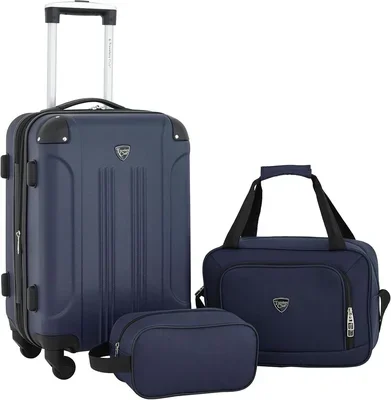
- Bundle with Travel Accessories: Some retailers throw in packing cubes, a toiletry kit, or a luggage tag when you buy a set — effectively lowering the per‑item cost.
- Read the Return Policy Fine Print: Ensure you can return a bag after a test pack (usually 30 days) without restocking fees. This lets you verify real‑world fit at home.
- Test In‑Store with Your Own Gear: Bring a laptop, a pair of shoes, and a bulky sweater. Pack them, expand the bag, and roll it. If the store forbids this, ask for a demo video or check the brand’s online “fit guide”.
- Register the Warranty Immediately: Many brands require online registration within 30 days to activate the full coverage period. Do it the day you receive the bag.
- Consider a Credit Card with Purchase Protection: Some premium cards extend the manufacturer warranty by an extra year and cover accidental damage for the first 90 days.

Frequently Asked Questions
Q: How much extra space does a typical expandable bag actually add?
A: Most carry‑ons gain 2‑4 cm (about 15‑25 % volume), while large checked bags can add 5‑8 cm (up to 30 %). Always verify the manufacturer’s “expanded dimensions” rather than relying on marketing percentages.
Q: Can I expand a carry‑on and still fit it in the overhead bin?
A: Only if the expanded dimensions stay within the airline’s maximum linear inches (usually 45 in / 115 cm total). Many airlines measure the bag at the gate, so a fully expanded carry‑on risks being gate‑checked.
Q: Are hard‑shell expandable bags more durable than soft‑side ones?
A: Hard shells resist impacts and water better, but the expansion gusset is a potential weak point. High‑quality soft‑side bags with ballistic nylon and reinforced gussets can be equally durable and often lighter.
Q: What’s the difference between a single‑stage and dual‑stage expansion zipper?
A: Single‑stage offers one “open” position — either fully closed or fully expanded. Dual‑stage gives you a modest expansion (e.g., +2 cm) and a full expansion (+5 cm), letting you fine‑tune capacity without overstuffing.
Q: Do spinner wheels wear out faster than inline wheels?
A: Spinner wheels have more moving parts, but modern sealed‑bearing polyurethane spinners last 5‑7 years with normal use. Inline wheels are simpler but can’t maneuver sideways, which many travelers find limiting.
Q: Is a built‑in TSA lock worth the extra cost?
A: Yes, if you value convenience. A built‑in lock secures both the main compartment and the expansion zipper with one combination, and TSA agents can open it without cutting. Separate padlocks can be lost or forgotten.
Q: How do I clean and maintain an expandable luggage bag?
A: Wipe hard shells with a damp cloth and mild soap; avoid harsh solvents. For soft‑side bags, spot‑clean with a fabric cleaner, then air‑dry. Lubricate zipper teeth annually with a silicone‑based zipper lubricant to keep expansion smooth.
Q: Can I replace a broken wheel myself?
A: Many mid‑range and premium brands sell wheel kits (wheel, axle, bearing) that snap in with a screwdriver. Check the brand’s website for part numbers; if unavailable, a local luggage repair shop can usually source a compatible wheel.
Q: What should I do if the expansion zipper gets stuck?
A: Gently work the zipper back and forth while applying a graphite pencil tip or zipper lubricant to the teeth. Never force it — forcing can tear the gusset fabric. If the slider is bent, replace the slider rather than the whole zipper.
Q: Are there any airline restrictions on expandable luggage weight when expanded?
A: Airlines enforce weight limits regardless of expansion state. An expanded bag that exceeds the weight allowance will incur overweight fees. Weigh your packed bag before heading to the airport.
Our Final Recommendations
- Best for Budget‑Conscious Buyers: Travelpro Maxlite 5 Expandable Carry‑On — lightweight 600‑denier polyester, 2‑stage expansion, smooth inline wheels, 5‑year warranty, typically under $130.
- Best Overall Value: Samsonite Freeform Hardside Spinner 21″ — 100 % polycarbonate, dual‑stage expansion, four silent spinners, integrated TSA lock, 10‑year warranty, around $220.
- Best Premium Option: Briggs & Riley Baseline Domestic Carry‑On Expandable — ballistic nylon, CX expansion system (up to 25 % more), lifetime warranty with free repairs, premium leather handles, approx. $450.
- Best for Beginners: Amazon Basics 21″ Hardside Spinner — simple one‑stage expansion, four double wheels, 3‑year limited warranty, under $100. Great for first‑time buyers who want a no‑frills reliable bag.
- Best for Advanced Users: Rimowa Essential Cabin Plus — aluminum‑magnesium alloy frame, multi‑stage expansion, electronic tag ready, ultra‑quiet Japanese Hinomoto wheels, 5‑year warranty, $800+. Ideal for frequent flyers who demand flawless performance and style.
Conclusion: Making the Right Choice
Expandable luggage constraints are really about balancing three variables: how much extra space you truly need, how much weight you’re willing to carry, and how rough the journey will be on your bag. By focusing first on the expansion mechanism, frame durability, and wheel quality, you filter out the majority of disappointing purchases. Next, match the bag’s size and weight to your most restrictive airline, then layer in organization features, security, and warranty support. Remember that a mid‑range spinner with a solid 5‑year warranty often outperforms a flashy luxury model that lacks replaceable parts.
Take the time to test a bag with your actual packing list, read recent user reviews for recurring issues, and register the warranty the moment the box arrives. With the knowledge from this guide, you can walk into any store or click “Add to Cart” knowing you’ve chosen a travel companion that will expand when you need it — and endure when you don’t. Happy travels, and may your next trip be as smooth as a well‑oiled spinner wheel.