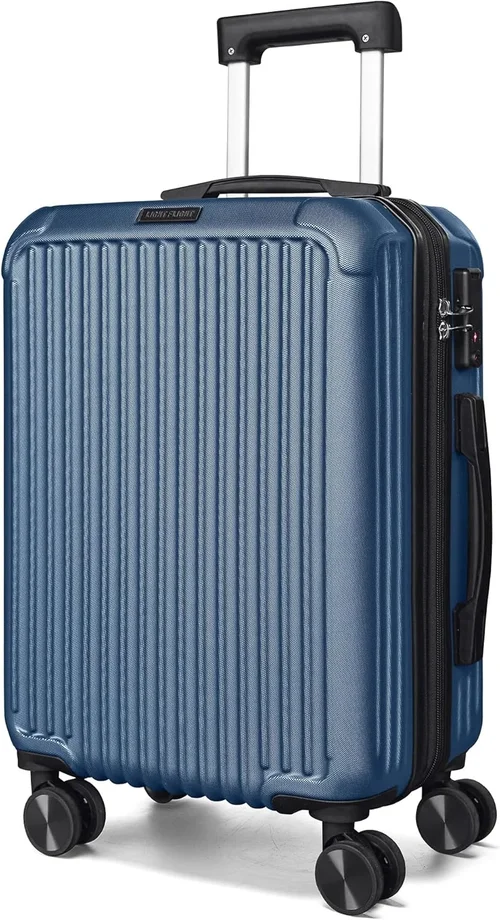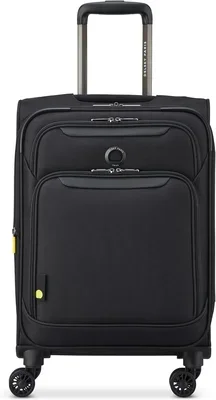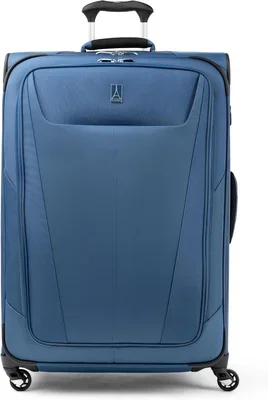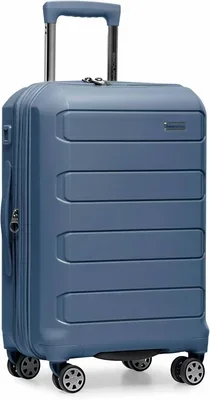
Choosing the right expandable carry‑on with roller wheels can feel like navigating a maze of specs, brands, and price tags. I’ve spent years helping travelers—from weekend warriors to frequent flyers—find luggage that actually survives the overhead bin and still looks good on the carousel. This guide distills that experience into a clear, step‑by‑step roadmap so you can shop with confidence and avoid the common pitfalls that turn a dream trip into a luggage nightmare.
In the next sections you’ll learn which features truly matter, how to decode the technical jargon, and where the sweet spots lie in each budget tier. I’ll also share the mistakes I see most often, insider timing tips for the best deals, and a quick‑reference FAQ that answers the questions I hear on a daily basis. By the end you’ll have a personalized checklist that matches your travel style, body type, and wallet.
The market today is flooded with options ranging from ultra‑light polycarbonate shells to rugged ballistic nylon hybrids. Some brands focus on maximum expansion, others on silent spinner wheels, and a few try to do everything at once. Understanding the trade‑offs before you click “buy” saves you money, time, and the frustration of a broken handle halfway through a trip.

What to Look for When Buying Buying Guide
1. Size Compliance and Expandability
Airline carry‑on limits are the first gatekeeper. Most U.S. carriers allow 22 × 14 × 9 inches (including wheels and handles), while many European airlines shrink that to 21.5 × 15.5 × 9 inches. An expandable bag typically adds 1.5–2 inches of depth when the zipper is unzipped. Look for a model that stays within the base dimensions when compressed, then offers a true “expanded” volume of at least 30 liters for a week’s worth of clothing. Verify the manufacturer’s listed dimensions against the airline’s policy—some brands quote interior dimensions only, which can be misleading.
2. Wheel System: Spinner vs. Inline
Four‑wheel spinners (360° rotation) let you glide the bag beside you, reducing wrist strain on long terminal walks. Inline two‑wheel models are more stable on rough pavement and curbs but require tilting. For expandable carry‑ons, spinners are generally preferred because the added depth can make a tilted bag top‑heavy. Check wheel housing material—polyurethane or high‑grade rubber lasts longer than cheap plastic. Also confirm the wheels are recessed into the shell; protruding wheels eat into the allowed dimensions.
3. Shell Material and Durability
Hard‑shell options usually use polycarbonate, ABS, or a polycarbonate/ABS blend. Polycarbonate flexes on impact, resisting cracks, while ABS is cheaper but more brittle. Soft‑shell bags rely on ballistic nylon (1680D or higher) or Cordura for abrasion resistance. A hybrid—hard shell front, soft back—offers a compromise: structure for protection, fabric expansion for extra packing room. Look for reinforced corners, double‑stitched seams, and a water‑resistant coating if you travel in rainy climates.
4. Handle System and Ergonomics
The telescopic handle should lock at multiple heights (typically 38, 41, 44 inches) to suit different user heights. Aluminum or aircraft‑grade alloy tubes resist bending; plastic tubes can snap under a heavy load. Grip material matters too—rubberized or contoured foam reduces hand fatigue. Test the handle’s “play” by extending and retracting it several times; a smooth, quiet action signals quality bearings.
5. Interior Organization
Expandable bags shine when they keep contents tidy. Look for a full‑length zippered divider, mesh pockets for toiletries, compression straps to cinch clothing, and a dedicated laptop sleeve (usually 15‑inch). Some premium models add a removable packing cube system that slides into the expansion zipper, turning the extra space into organized modules rather than a chaotic void.
6. Weight and Carry‑On Weight Limits
Many airlines now enforce a 7‑kg (15 lb) carry‑on weight limit. A lightweight shell (under 6 lb empty) leaves more allowance for your gear. Ultra‑light polycarbonate models can weigh as little as 4.5 lb, while rugged ballistic nylon hybrids may sit around 7 lb. Weigh the empty bag on a kitchen scale before purchasing; manufacturers sometimes quote “dry weight” without wheels or handles.
7. Warranty, Repairability, and Brand Support
A lifetime limited warranty is the gold standard—brands like Briggs & Riley, Travelpro, and Osprey back their frames and wheels for the life of the product. Check whether the warranty covers “wear and tear” or only manufacturing defects. Also verify if replacement parts (wheels, handle tubes, zipper pulls) are sold separately; a bag you can repair yourself extends its lifespan dramatically.
8. Security Features
TSA‑approved combination locks integrated into the zipper pulls prevent unauthorized access while allowing security agents to inspect without cutting. Some models add a lockable laptop compartment or a hidden RFID‑blocking pocket for passports and credit cards. If you travel internationally, a lock that meets both TSA and European standards (e.g., Travel Sentry) is a smart investment.
Different Types of Buying Guide

Common Buying Mistakes to Avoid
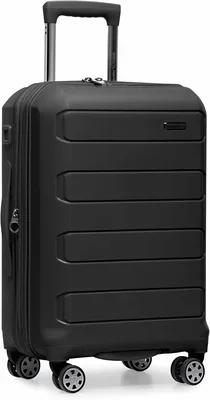
❌ Mistake: Ignoring Airline‑Specific Size Rules
Why it’s bad: A bag that fits United’s 22 × 14 × 9 in may be rejected by Ryanair or easyJet, which enforce tighter limits. Gate‑checking incurs fees and risks damage.
What to do instead: Compile a list of the airlines you fly most often and choose a bag that meets the strictest dimensions among them. Keep a printed cheat sheet in your travel wallet.
❌ Mistake: Prioritizing Expansion Over Base Volume
Why it’s bad: An expandable zipper adds depth but can compromise structural integrity; over‑stuffed bags stress seams, zippers, and wheel housings.
What to do instead: Select a model whose non‑expanded capacity already covers 80 % of your typical packing list. Use expansion only for souvenirs or a last‑minute outfit.
❌ Mistake: Choosing Wheels Based Solely on Marketing Photos
Why it’s bad: Glossy renderings hide cheap plastic bearings that seize after a few cobblestone streets.
What to do instead: Read verified buyer reviews focusing on wheel noise, wobble, and replacement availability. Spin the wheels in‑store if possible.
❌ Mistake: Overlooking Handle Height Range
Why it’s bad: A handle that stops at 38 in forces taller travelers to hunch, causing back strain on long walks.
What to do instead: Match the handle’s maximum extension to your height (add 2‑3 in for comfortable posture). Test the lock positions before buying.
❌ Mistake: Skipping Warranty Registration
Why it’s bad: Many lifetime warranties require online registration within 30 days; missing this voids coverage.
What to do instead: Register the product immediately after purchase and save the confirmation email. Keep the original receipt in a cloud folder.
❌ Mistake: Buying the Cheapest Option Without Checking Repair Parts
Why it’s bad: A $70 bag with proprietary wheels becomes a disposable item when a wheel cracks.
What to do instead: Verify that the brand sells spare wheels, handle tubes, and zipper pulls. A slightly pricier bag with parts availability saves money long‑term.
❌ Mistake: Forgetting Weight Distribution
Why it’s bad: Packing all heavy items at the top makes a spinner tip over; a two‑wheel bag drags unevenly.
What to do instead: Place dense items (shoes, electronics) near the wheels and center of gravity. Use compression straps to lock the load in place.
Budget Guidelines: How Much Should You Spend?
Entry‑Level ($60 – $110)
At this tier you’ll find ABS hard shells or basic polyester soft shells with two inline wheels. Expect a single‑stage telescopic handle, minimal interior organization, and a one‑year limited warranty. These bags work for occasional leisure trips (2‑3 times a year) where you pack light and don’t mind replacing the bag every 2‑3 years. Look for models with recessed wheels and a TSA lock to get the most value.
Mid‑Range ($120 – $250)
This is the sweet spot for most travelers. You’ll see polycarbonate/ABS blends, ballistic nylon 1680D, four‑wheel spinners with polyurethane tires, multi‑stage aluminum handles, and a 5‑ to 10‑year warranty. Interior layouts usually include a full divider, mesh pockets, and compression straps. Brands like Travelpro, Samsonite, and Delsey dominate here. Expect a bag weight of 5.5‑6.5 lb and reliable performance for 5‑7 years of regular use.
Premium ($250 – $450)
Premium models upgrade to pure polycarbonate or Makrolon shells, magnesium‑alloy frames, silent Japanese Hinomoto spinner wheels, and lifetime limited warranties with free repair kits. Organization becomes modular—removable packing cubes, dedicated shoe compartments, and RFID‑blocking pockets. Weight drops to 4.5‑5.5 lb. These bags survive weekly business travel and international hop‑scotching with ease.
Luxury ($450 +)
Luxury luggage adds carbon‑fiber frames, hand‑stitched leather accents, bespoke colorways, and concierge‑level service (door‑to‑door repair pickup). Brands such as Rimowa, Tumi, and Briggs & Riley’s “Baseline” series sit here. While the functional gains over premium are marginal, the resale value and status appeal justify the price for frequent premium‑cabin flyers.
Expert Tips for Getting the Best Deal
- Shop End‑of‑Season Sales: Major retailers clear inventory in January (post‑holiday) and July (mid‑year). Discounts of 20‑35 % are common on previous‑year models.
- Use Price‑Tracking Tools: Browser extensions like Honey or CamelCamelCamel alert you when a specific SKU drops below your target price.
- Check Manufacturer Refurbished Programs: Brands such as Travelpro and Samsonite sell certified refurbished units with full warranty at 30‑40 % off.
- Leverage Credit‑Card Travel Perks: Some premium cards offer statement credits for luggage purchases or complimentary baggage insurance.
- Buy In‑Store for Fit Test: Even if you order online, visit a store first to extend the handle, spin the wheels, and feel the weight distribution.
- Read the Fine Print on Returns: A 30‑day no‑questions‑asked return policy lets you test the bag on a real trip; keep all tags and packaging.
- Bundle with Packing Cubes: Many retailers discount a set of packing cubes when purchased with a carry‑on, giving you instant organization.
- Consider a “Buy‑It‑For‑Life” Mindset: Spending an extra $50 on a model with replaceable wheels can save $200 in replacements over a decade.

Frequently Asked Questions
Q: What is the maximum expandable depth allowed on most U.S. carriers?
A: Most U.S. airlines allow an extra 1.5‑2 inches of depth when the expansion zipper is open, but the total dimensions (including wheels and handles) must still stay within 22 × 14 × 9 in. Always measure the fully expanded bag before you fly.
Q: Are spinner wheels more prone to breakage than inline wheels?
A: Spinner wheels have more moving parts, so they can wear faster on rough surfaces. However, high‑quality polyurethane spinners (e.g., Hinomoto) outlast cheap inline wheels. Choose recessed, double‑ball‑bearing spinners for durability.
Q: Can I repair a cracked polycarbonate shell myself?
A: Small hairline cracks can be stabilized with a clear epoxy, but structural cracks compromise impact protection. Most premium brands offer shell replacement programs; check warranty terms before attempting DIY fixes.
Q: How do I clean a ballistic nylon expandable carry‑on?
A: Spot‑clean with mild soap, a soft brush, and lukewarm water. Avoid machine washing; the agitation can delaminate the water‑resistant coating and damage the expansion zipper.
Q: Does a heavier bag mean it’s more durable?
A: Not necessarily. Weight often comes from thicker shells or metal frames, but advanced materials (e.g., Makrolon polycarbonate) achieve high strength at low weight. Compare material specs, not just pounds.
Q: What’s the difference between a TSA lock and a regular combination lock?
A: TSA locks have a master keyhole that allows security agents to open and relock the bag without cutting the lock. Regular locks lack this feature and may be destroyed during inspection.
Q: Should I buy a matching checked‑bag set?
A: Sets ensure aesthetic consistency and sometimes offer a discount, but you may not need the same features for checked luggage (e.g., expansion is less critical). Evaluate each piece on its own merit.
Q: How often should I lubricate spinner wheels?
A: Once a year, apply a few drops of silicone‑based lubricant to each wheel axle. Wipe excess to avoid attracting dirt. This keeps rolling smooth and extends bearing life.
Q: Can I carry a 15‑inch laptop in any expandable carry‑on?
A: Most modern expandable carry‑ons include a padded laptop sleeve that fits up to 15.6 in. Verify the sleeve dimensions; some budget models only accommodate 13‑inch devices.
Q: What’s the best way to pack to maximize expansion space?
A: Roll clothing instead of folding, use packing cubes for categories, and place heavy items at the bottom near the wheels. Leave the expansion zipper closed until you need the extra room—this keeps the bag’s shape stable.
Our Final Recommendations
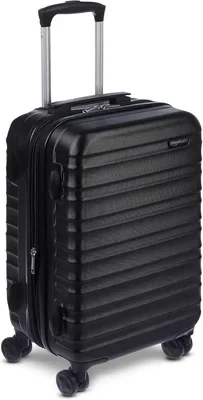
- Best for Budget‑Conscious Buyers: AmazonBasics 21‑Inch Hardside Spinner – $78. Meets most U.S. size limits, four double‑spinner wheels, 3‑year limited warranty. Good for 2‑3 trips per year.
- Best Overall Value: Travelpro Platinum Elite 21‑Inch Expandable Spinner – $225. Polycarbonate shell, MagnaTrac spinner wheels, PrecisionGlide handle, lifetime warranty with free repair kit. Handles business and leisure equally well.
- Best Premium Option: Briggs & Riley Baseline Domestic Carry‑On Expandable – $379. Ballistic nylon with CX expansion system, lifetime “no‑questions” warranty, self‑healing zippers. Ideal for weekly flyers who demand zero‑hassle repairs.
- Best for Beginners: Samsonite Freeform 21‑Inch Spinner – $160. Lightweight polycarbonate, simple interior layout, 10‑year warranty. Easy to use right out of the box.
- Best for Advanced Users: Rimowa Essential Cabin Plus – $595. Polycarbonate‑aluminum hybrid, multi‑stage telescopic handle, silent Japanese wheels, optional leather tags. For travelers who treat luggage as a long‑term investment.
Conclusion: Making the Right Choice
You now have a complete toolkit: a checklist of eight critical factors, a clear comparison of the five main luggage categories, a list of seven costly mistakes to sidestep, budget bands that match real‑world performance, eight insider buying tips, and answers to the ten most common questions. The final step is simple—match your travel frequency, packing style, and price comfort zone to the recommendation that feels right.
Remember, the perfect expandable carry‑on isn’t the one with the most features; it’s the one that disappears into the overhead bin, rolls silently beside you, and still looks sharp after dozens of trips. Take your measurements, read the warranty, test the handle, and trust the process. Your next journey deserves luggage that works as hard as you do.
Happy travels, and may your overhead bin always have space.