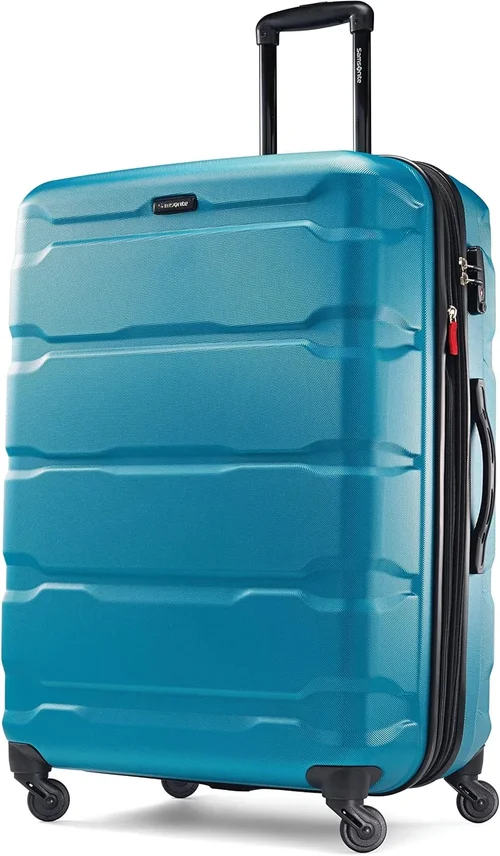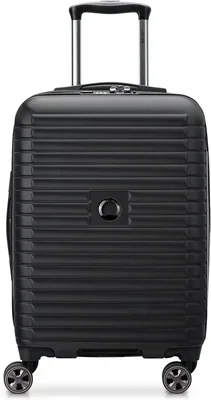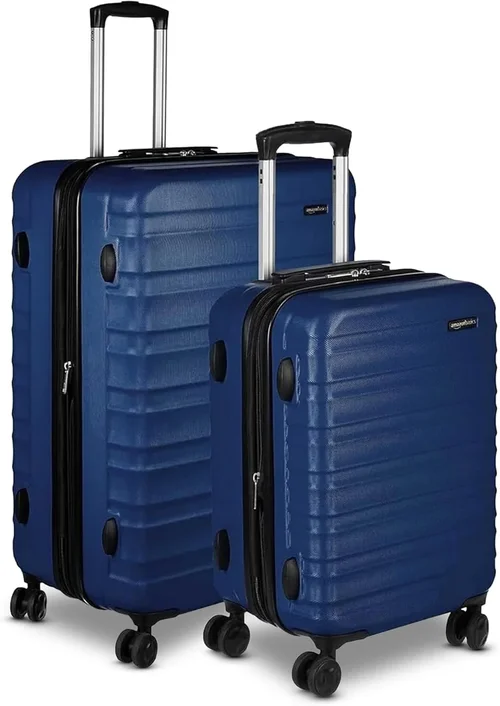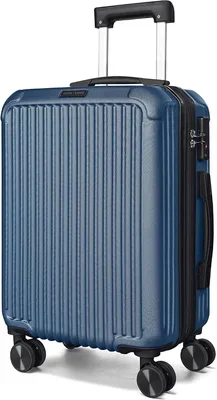
Choosing the right expandable carry‑on luggage with wheels can feel like picking a travel partner – you want something reliable, flexible, and easy to maneuver through crowded terminals. With airlines tightening size limits and travelers demanding more packing space, the market has exploded with options that promise extra capacity at the push of a zipper. This guide walks you through every critical factor, breaks down the different styles on the market, highlights common pitfalls, and gives you a clear budget roadmap so you can invest confidently in a bag that will survive countless trips.
Over the next sections you’ll learn how to evaluate size compliance, expandability mechanisms, wheel quality, handle ergonomics, material durability, weight, interior organization, and warranty coverage. We’ll also compare hardshell, softside, hybrid, smart, and budget categories side‑by‑side, point out the mistakes that cost travelers money and frustration, and share pro‑level buying tips that seasoned flyers swear by. By the end you’ll have a personalized checklist that matches your travel style, budget, and packing habits.
The carry‑on landscape changes fast – new materials, spinner‑wheel innovations, and integrated tech appear every season. Whether you’re a weekend warrior, a business road‑warrior, or a family vacation planner, this guide is built to help you cut through marketing hype and focus on the features that truly matter for smooth, stress‑free journeys.

What to Look for When Buying Buying Guide
1. Size & Airline Compatibility
Before you fall in love with a sleek design, verify that the bag’s external dimensions (including wheels, handles, and any expanded sections) meet the most restrictive airline you fly. Most U.S. carriers allow 22 × 14 × 9 inches, but international airlines can be stricter – some limit total linear inches to 45 or even 42. Measure the bag yourself or trust the manufacturer’s published specs, and keep a tape measure handy when you shop in‑store. A bag that’s a fraction over the limit can force you to gate‑check, negating the whole point of a carry‑on.
2. Expandability Mechanism & Capacity Gain
Expandable carry‑ons typically add 1.5 to 3 inches of depth via a gusseted zipper or a hidden panel. The mechanism should operate smoothly – no snagging, no fabric bunching – and the expanded volume must stay within airline limits when fully opened. Look for reinforced stitching around the expansion seam and a zipper that locks in place (often a double‑track or “self‑locking” design). A well‑engineered expansion can give you an extra 20‑30 % packing space, perfect for souvenirs or a last‑minute business outfit.
3. Wheel Quality & Maneuverability
Four‑wheel spinner systems are the gold standard for 360° maneuverability, but not all spinners are created equal. High‑end bags use precision‑ball‑bearing wheels made from polyurethane or high‑grade rubber that roll silently over carpet, tile, and cobblestones. Cheaper models often rely on plastic hubcaps that wobble, develop flat spots, or seize after a few trips. Test the bag by pushing it forward, backward, and sideways – it should glide without requiring a constant correcting force.
4. Handle System & Ergonomics
The telescoping handle should extend in at least three height settings, lock securely, and retract with a single press. Aluminum or magnesium alloy tubes resist bending better than plain steel. Grip material matters too – a contoured, rubberized handle reduces hand fatigue during long walks through terminals. Some premium bags add a secondary top‑carry handle and a side handle for lifting into overhead bins; these are invaluable when the bin is high or you’re loading a heavy bag.
5. Material & Durability
Hardshell cases usually employ polycarbonate, ABS, or a polycarbonate‑ABS blend. Polycarbonate offers the best impact resistance and flexibility, while ABS is lighter but more prone to cracking. Softside bags rely on ballistic nylon (1680D or higher), Cordura, or high‑tenacity polyester with a water‑repellent coating. Look for reinforced corners, double‑stitched seams, and a protective “kick plate” on the bottom. A durable shell or fabric will survive baggage‑handler tosses, conveyor‑belt abrasion, and the occasional rain shower.
6. Weight & Portability
Every ounce counts when you’re trying to stay under the 7‑10 kg (15‑22 lb) carry‑on weight limit many airlines enforce. Ultra‑light hardshells can weigh as little as 4.5 lb, while feature‑packed softsides may hit 7 lb. Remember that the bag’s empty weight subtracts directly from your packing allowance. If you’re a minimalist packer, a lighter bag lets you bring more; if you tend to overpack, a slightly heavier, sturdier bag may be worth the trade‑off.
7. Interior Organization & Accessibility
Smart interior layouts save time at security and keep clothes wrinkle‑free. Features to prioritize: a full‑length zippered divider, compression straps, a padded laptop/tablet sleeve (15‑inch compatible), multiple mesh pockets for toiletries, and a separate wet/dry pocket. Some models add a removable packing cube system or a built‑in garment folder. External quick‑access pockets for boarding passes, passport, or a phone are a nice bonus but shouldn’t compromise the bag’s structural integrity.
8. Warranty & Customer Support
A solid warranty signals manufacturer confidence. Look for a limited lifetime warranty covering defects in materials and workmanship, plus a clear claim process (online portal, email, phone). Brands like Briggs & Riley, Travelpro, and Samsonite often offer “no‑questions‑asked” repair or replacement for the first few years. Check whether the warranty covers wheel replacement, handle repair, and zipper failure – the most common wear points.
Different Types of Buying Guide

Common Buying Mistakes to Avoid
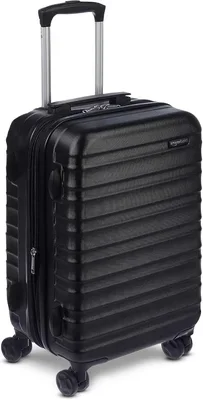
❌ Mistake: Ignoring Airline Size Limits
Why it’s bad: A bag that looks perfect in the store may exceed the maximum linear inches once wheels and handles are counted. Gate‑checking fees, delayed bags, and the hassle of retrieving luggage at baggage claim defeat the purpose of a carry‑on.
What to do instead: Measure the bag yourself (including wheels) and cross‑reference with the strictest airline you use. Keep a printout of the airline’s carry‑on policy in your travel folder.
❌ Mistake: Choosing Style Over Wheel Quality
Why it’s bad: Flashy colors and sleek shells are tempting, but cheap plastic spinners will wobble, jam, or break after a few trips, turning a smooth glide into a wrestling match.
What to do instead: Prioritize ball‑bearing polyurethane wheels. Spin the bag in the store; it should rotate freely with minimal effort.
❌ Mistake: Overlooking Empty Weight
Why it’s bad: A 7‑lb bag leaves you only 8‑15 lb for contents on a 22‑lb limit. You’ll either pay overweight fees or leave essentials behind.
What to do instead: Target a bag under 5.5 lb for maximum packing freedom. If you need extra durability, accept a slightly heavier model but plan your packing list accordingly.
❌ Mistake: Skipping Warranty Details
Why it’s bad: A “lifetime warranty” that only covers the shell but not wheels or handles leaves you paying for the most common repairs.
What to do instead: Read the fine print. Ensure coverage includes wheels, handles, zippers, and expansion mechanisms for at least 5 years.
❌ Mistake: Buying Without Testing the Expansion
Why it’s bad: Some expansion zippers seize or the gusset fabric tears under load, rendering the extra space useless.
What to do instead: Open and close the expansion fully in the store. Pack a few items to see if the bag holds shape and the zipper tracks smoothly.
❌ Mistake: Neglecting Interior Organization
Why it’s bad: A cavernous interior with no dividers leads to a jumbled mess, wrinkled clothes, and wasted time at security.
What to do instead: Look for a full‑length divider, compression straps, and dedicated laptop/tablet sleeves. If the bag lacks them, budget for aftermarket packing cubes.
❌ Mistake: Assuming All “Smart” Features Work
Why it’s bad: Built‑in power banks may be non‑removable (banned on some airlines), GPS trackers can have subscription fees, and integrated scales often lack accuracy.
What to do instead: Verify that any battery is removable and TSA‑compliant. Read real‑world reviews for GPS reliability and scale precision before paying a premium.
Budget Guidelines: How Much Should You Spend?
Your budget determines the material quality, wheel system, warranty length, and extra features you can expect. Below is a realistic breakdown for the U.S. market in 2024.
Entry‑Level ($40 – $100)
At this tier you’ll find mostly softside bags with basic two‑wheel inline rollers or entry‑level four‑wheel spinners. Materials are typically 600D‑900D polyester with a water‑repellent coating. Expansion is usually a simple gusset zipper without reinforcement. Warranties are limited to 1‑2 years and often exclude wheels. These bags work fine for a few trips a year, but expect wear on zippers and wheel bearings after 12‑18 months of frequent use.
Mid‑Range ($100 – $200)
This is the sweet spot for most travelers. You’ll see ballistic nylon (1680D) or polycarbonate‑ABS hardshells, precision ball‑bearing spinners, three‑stage telescoping handles, and a 5‑year limited warranty covering most components. Expansion mechanisms are reinforced, and interior organization includes a laptop sleeve, compression straps, and multiple mesh pockets. Brands like Travelpro, Samsonite, and Delsey dominate this segment.
Premium ($200 – $350)
Premium bags upgrade to pure polycarbonate or high‑grade aluminum frames, dual‑wheel spinners, magnesium telescoping handles, and often a lifetime warranty with “no‑questions‑asked” repair. Features may include a built‑in TSA‑approved lock, a removable power bank (TSA‑compliant), and a sophisticated packing system (e.g., garment folder, shoe compartment). The weight is usually optimized – many premium hardshells stay under 5 lb.
Luxury ($350+)
Luxury models add hand‑stitched leather accents, custom‑fit interior modules, integrated GPS tracking with a dedicated app, and sometimes a self‑weighing handle that displays weight on a tiny LCD. Brands like Rimowa, Tumi, and Briggs & Riley’s top lines sit here. The price reflects brand prestige, meticulous craftsmanship, and a concierge‑level warranty (often lifetime with free shipping for repairs). If you travel weekly and value status plus absolute reliability, this tier makes sense.
Expert Tips for Getting the Best Deal
- Shop Off‑Season: Major sales occur in January (post‑holiday), May (Memorial Day), and September (Labor Day). Retailers clear inventory for new collections, often discounting 20‑30 %.
- Compare Online & In‑Store: Use price‑comparison tools (Google Shopping, CamelCamelCamel) but also visit a physical store to feel the wheel action and handle ergonomics. Some brands offer “price‑match” guarantees.
- Sign Up for Brand Newsletters: First‑subscriber discounts of 10‑15 % are common. You’ll also get early access to flash sales and exclusive colorways.
- Check Refurbished / Open‑Box Programs: Manufacturers like Briggs & Riley and Travelpro sell certified refurbished units with full warranty at 30‑40 % off.
- Leverage Credit‑Card Travel Perks: Many premium cards (e.g., Chase Sapphire Reserve, Amex Platinum) provide statement credits for luggage purchases or complimentary baggage insurance.
- Read Verified Purchase Reviews: Filter for reviews from buyers who have owned the bag 6+ months. Look for comments on wheel durability, zipper longevity, and warranty claims.
- Test the Return Policy: Buy from retailers with a 30‑day no‑questions return (Amazon, REI, Nordstrom). Pack the bag for a weekend trip; if it doesn’t feel right, return it.
- Bundle Accessories: Some brands sell a “travel kit” (packing cubes, toiletry bag, luggage tag) at a discount when purchased with the suitcase.

Frequently Asked Questions
Q: What is the maximum size for an expandable carry‑on on most U.S. airlines?
A: The standard domestic limit is 22 × 14 × 9 inches (56 × 35 × 23 cm) including wheels and handles. When expanded, many bags exceed the depth allowance, so always verify the expanded dimensions against the airline’s policy before you fly.
Q: Are four‑wheel spinners better than two‑wheel inline rollers?
A: Four‑wheel spinners offer 360° maneuverability, making them easier to navigate tight aisles and crowded terminals. Two‑wheel rollers can be more stable on rough pavement but require tilting to turn. For most travelers, spinners are the preferred choice.
Q: How do I clean a hardshell polycarbonate suitcase?
A: Wipe the exterior with a damp microfiber cloth and mild soap. Avoid abrasive cleaners or solvents that can dull the finish. For scuffs, a small amount of automotive polishing compound applied with a soft cloth can restore shine.
Q: Can I replace the wheels myself if they break?
A: Many mid‑range and premium bags use screw‑on wheel assemblies that can be swapped with a basic screwdriver. Check the manufacturer’s website for replacement part numbers. Entry‑level bags often have riveted wheels that are not user‑serviceable.
Q: Is a built‑in USB port worth the extra cost?
A: Only if the power bank is removable and TSA‑compliant (≤ 100 Wh). Integrated, non‑removable batteries can be prohibited on certain airlines. A separate high‑capacity power bank you already own is usually more versatile.
Q: How much extra space does a typical expansion add?
A: Most expandable carry‑ons add 1.5‑3 inches of depth, translating to roughly 20‑30 % more volume (about 2‑4 liters). That’s enough for a light jacket, a pair of shoes, or a few souvenirs.
Q: What’s the difference between ballistic nylon and Cordura?
A: Both are high‑tenacity nylon fabrics. Ballistic nylon (typically 1680D) was originally developed for military flak jackets and offers excellent abrasion resistance. Cordura is a brand name for a range of durable fabrics, often with a slightly softer hand feel. Either is a solid choice for softside luggage.
Q: Should I buy a matching checked‑bag set?
A: Sets can be convenient and sometimes cheaper per piece, but only if you truly need a checked bag. If you rarely check luggage, investing in a single high‑quality carry‑on is smarter than paying for a mediocre checked companion.
Q: How do I know if a warranty claim will be honored?
A: Register the product on the brand’s website within 30 days of purchase, keep the original receipt, and photograph any defect. Brands with a reputation for honoring claims (Briggs & Riley, Travelpro, Samsonite) usually have a straightforward online claim form and prepaid shipping labels.
Q: Are there any carry‑ons that fit under the seat as well as overhead?
A: “Underseat” carry‑ons are typically 18 × 14 × 8 inches. Some expandable models are designed to compress to that profile when the expansion zipper is closed, giving you the flexibility to stow under the seat on regional jets.
Our Final Recommendations
- Best for Budget‑Conscious Buyers: Amazon Basics 21‑Inch Hardside Spinner – ~ $70, 4.5 lb, polycarbonate shell, basic expansion, 3‑year limited warranty. Great for occasional trips.
- Best Overall Value: Travelpro Platinum Elite 22‑Inch Expandable Spinner – ~ $180, 5.2 lb, ballistic nylon, precision spinners, lifetime warranty with “trusted companion” promise. Balances durability, organization, and price.
- Best Premium Option: Samsonite Freeform Hardside Expandable Carry‑On – ~ $260, 4.8 lb, 100 % polycarbonate, dual‑wheel spinners, TSA lock, 10‑year warranty. Excellent protection and sleek design.
- Best for Beginners: Delsey Paris Chatelet Hard+ 21‑Inch – ~ $200, 5.5 lb, polycarbonate, brake‑system wheels (lock in place), elegant faux‑leather accents. Easy to use, stylish, and forgiving for first‑time buyers.
- Best for Advanced Users: Briggs & Riley Baseline Domestic Carry‑On Expandable – ~ $380, 6.2 lb, ballistic nylon, CX expansion (adds 25 % volume), lifetime “no‑questions” warranty, integrated garment folder. Built for heavy‑duty, frequent travel.
Conclusion: Making the Right Choice
Selecting an expandable carry‑on with wheels is a blend of practical constraints – airline size rules, weight limits, and durability needs – and personal preferences like packing style, aesthetic, and tech integration. Start by confirming the exact dimensions your most restrictive airline allows, then prioritize a smooth‑rolling, ball‑bearing spinner system and a handle that locks at your height. Choose a material that matches your travel intensity: polycarbonate for maximum impact protection, ballistic nylon for flexible packing and external pockets. Don’t forget to test the expansion zipper in person, verify a comprehensive warranty, and factor in the bag’s empty weight against your typical load.
Use the budget tiers as a roadmap, but remember that a slightly higher upfront spend often saves money on repairs and replacements down the line. Leverage seasonal sales, brand newsletters, and credit‑card perks to stretch your dollar further. And always keep a copy of the airline’s carry‑on policy handy – it’s the ultimate cheat sheet for avoiding gate‑check surprises.
You now have a complete checklist, a clear comparison of categories, and expert‑level buying strategies. Trust your research, match the bag to your real‑world travel habits, and you’ll roll through airports with confidence for years to come. Happy travels!