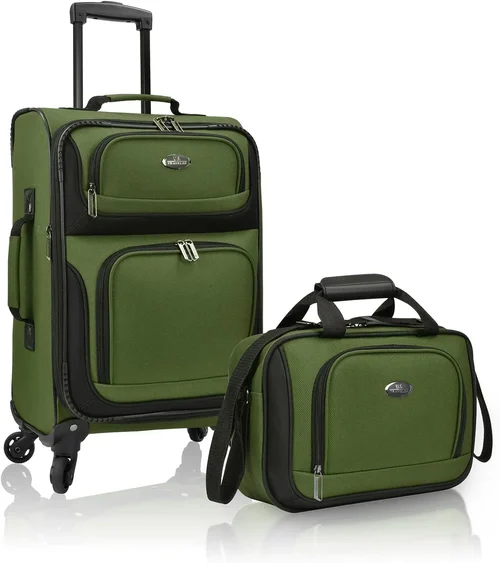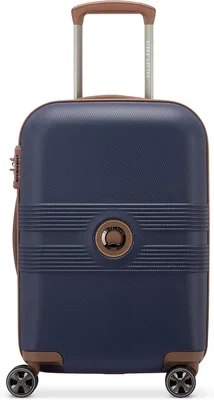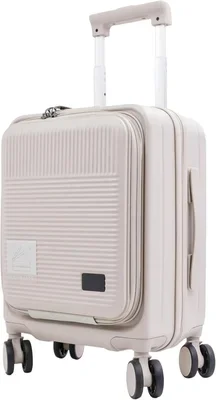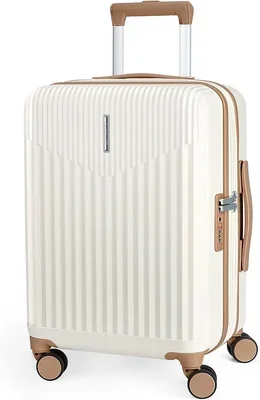
Choosing the right expandable hardside carry‑on can feel like navigating a maze of specs, brands, and price tags. As a veteran shopping consultant I have watched travelers wrestle with cracked shells, jammed zippers, and the frustration of a bag that won’t fit in the overhead bin. This guide exists to cut through the noise, give you a clear decision‑making framework, and help you walk away with a suitcase that survives the rigors of modern travel while still looking sharp at the gate.
In the next sections you will learn the eight critical factors that separate a reliable companion from a short‑lived disappointment, see a side‑by‑side comparison of the main luggage categories, discover the most common buying pitfalls, and get a realistic budget breakdown. I’ll also share expert timing tips, answer the questions I hear most often, and finish with concrete recommendations for every type of traveler. By the end you’ll have the confidence to pick a carry‑on that matches your itinerary, your style, and your wallet.

What to Look for When Buying Buying Guide
1. Shell Material and Construction
The shell is the first line of defense against baggage handlers, conveyor belts, and the occasional coffee spill. Most expandable hardside carry‑ons use either polycarbonate, ABS, or a hybrid blend. Polycarbonate is the gold standard for impact resistance; it flexes under pressure and snaps back, which means fewer cracks after a rough handling. ABS is lighter and cheaper but tends to brittle over time, especially in extreme temperatures. A hybrid shell often sandwiches a polycarbonate outer layer with an ABS core, giving a decent compromise. Look for a seamless, injection‑molded construction rather than a glued‑together clamshell; the latter can separate at the seams after a few trips.
2. Expandable Mechanism and Zipper Quality
The expandable feature is what lets you squeeze in that extra pair of shoes or a souvenir without checking a bag. The mechanism is usually a gusseted zipper that runs around the perimeter of the case. Two things matter: the zipper teeth material and the gusset fabric. YKK or SBS branded zippers with metal or high‑strength nylon teeth are far less likely to snag or break. The gusset should be a reinforced ballistic nylon or a high‑denier polyester that resists tearing when the bag is stretched to its limit. Test the zipper by opening and closing it several times; it should glide smoothly without catching.
3. Wheel System and Maneuverability
Four‑wheel spinner systems have become the norm because they let you push the bag beside you rather than drag it. Look for double‑spinner wheels (eight wheels total) with a wide stance; they distribute weight evenly and handle cobblestones, carpet, and airport tile with ease. Wheel housings should be recessed into the shell to protect them from impact. Bearings sealed against dust and moisture extend life dramatically. If you frequently navigate tight airplane aisles, a 360‑degree rotating wheel that locks into a straight‑track mode can be a lifesaver.
4. Handle Ergonomics and Telescoping Mechanism
A comfortable handle reduces wrist fatigue on long walks through terminals. The telescoping handle should have at least three height stops, lock securely in each position, and retract with a smooth, quiet motion. Aluminum or reinforced fiberglass tubes resist bending better than thin steel. The grip material matters too — soft‑touch rubber or contoured silicone molds to your hand and stays grippy when wet. Avoid handles that wobble or have a single locking point; they tend to loosen after a few months.
5. Interior Organization and Compression
Inside, you want a layout that keeps clothes neat and prevents shifting. A full‑length divider with a zippered mesh pocket on one side and compression straps on the other is ideal. Compression straps let you cinch down bulky items, maximizing the expandable volume. Some premium models add a removable garment sleeve, a dedicated laptop pocket, or a wet/dry compartment for toiletries. Check that the lining is tear‑resistant and that the seams are double‑stitched; a ripped liner can spill contents into the wheel well.
6. Size Compliance and Weight
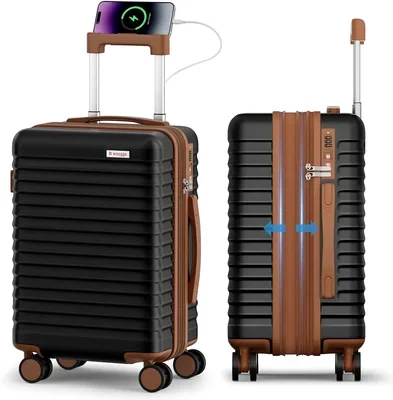
Airline carry‑on limits vary, but the most common maximum is 22 × 14 × 9 inches (56 × 36 × 23 cm) including wheels and handles. An expandable bag often measures 22 × 14 × 9 inches in its standard state and adds 1.5–2 inches of depth when expanded. Choose a model that fits the strictest carrier you fly regularly; otherwise you risk gate‑checking. Weight is equally crucial — every pound of luggage eats into your personal item allowance. Aim for a bare‑bones weight under 7 lb (3.2 kg) for a 22‑inch spinner.
7. Security Features
TSA‑approved combination locks are standard on most hardside cases. The lock should be integrated into the zipper pulls, not a separate padlock that can be cut off. Some brands offer a double‑locking system that secures both the main compartment and the expansion zipper simultaneously. If you travel with valuables, consider a model with a built‑in cable lock that can be anchored to a fixed object in a hotel room.
8. Warranty, Customer Service, and Repairability
A solid warranty signals confidence in build quality. Look for at least a 5‑year limited warranty covering shell cracks, wheel failure, and handle defects. Brands that offer a “repair‑or‑replace” program and have service centers in major airports save you the hassle of shipping a broken bag across the country. Check online reviews for how quickly the company honors claims; a long warranty on paper means little if the process is a nightmare.
Different Types of Buying Guide

Common Buying Mistakes to Avoid
❌ Mistake: Ignoring Airline Size Limits
Why it’s bad: An expandable bag that exceeds the carrier’s maximum dimensions will be gate‑checked, defeating the purpose of a carry‑on and exposing your belongings to rough handling.
What to do instead: Measure the bag in its non‑expanded state and verify it meets the strictest airline you fly. Keep a printed copy of the dimensions in your travel wallet for quick reference.
❌ Mistake: Choosing the Lightest Model Without Checking Build Quality
Why it’s bad: Ultra‑light shells often sacrifice polycarbonate thickness, leading to cracks after a single rough baggage drop.
What to do instead: Target a weight between 6.5 lb and 7.5 lb for a 22‑inch spinner; this range usually indicates a balanced polycarbonate thickness.
❌ Mistake: Overlooking Wheel Housing Design
Why it’s bad: Exposed wheels snag on conveyor belts and can be ripped off, leaving you dragging a lopsided bag.
What to do instead: Select recessed, double‑spinner wheels with sealed bearings. Spin each wheel in the store; they should rotate freely and quietly.
❌ Mistake: Buying Based Solely on Brand Name
Why it’s bad: Even reputable brands produce entry‑level lines that cut corners on zippers, handles, and warranty terms.
What to do instead: Compare the specific model’s specs and user reviews rather than assuming the logo guarantees quality.
❌ Mistake: Skipping the Expansion Test
Why it’s bad: Some bags expand only on paper; the zipper jams or the gusset tears when you actually try to use the extra space.
What to do instead: In‑store, fully unzip the expansion, pack a few items, and zip it back up. Feel for resistance or fabric strain.
❌ Mistake: Neglecting Warranty Registration
Why it’s bad: Many manufacturers require online registration within 30 days to activate the full warranty period.
What to do instead: Register the product immediately after purchase and keep the receipt and registration confirmation in a travel folder.
❌ Mistake: Forgetting About Interior Organization
Why it’s bad: A cavernous interior without dividers leads to wrinkled clothes and lost small items.
What to do instead: Prioritize models with a full divider, compression straps, and at least one zippered mesh pocket.
Budget Guidelines: How Much Should You Spend?
Entry‑Level ($90 – $150)
At this price you’ll find mostly ABS/polycarbonate hybrids with single‑spinner wheels, basic TSA locks, and a one‑year warranty. The shell thickness is usually 2–2.5 mm, which is adequate for occasional leisure trips but may crack under heavy airline handling. Expect a weight around 7.5–8 lb. Interior organization is minimal — often just a single divider and a few elastic straps. These bags are fine for a few flights per year, but frequent flyers will likely replace them within 18‑24 months.
Mid‑Range ($150 – $300)
This is the sweet spot for most travelers. You get a full polycarbonate shell (2.5–3 mm), double‑spinner wheels, a three‑stage telescoping handle with a comfortable grip, and a 5‑year limited warranty. Expansion zippers are typically YKK with reinforced gussets. Weight drops to 6.5–7 lb. Interior layouts include a full divider, compression straps, a zippered mesh pocket, and sometimes a removable garment sleeve. Brands in this tier often have service centers in major hubs, making repairs straightforward.
Premium ($300 – $500)
Premium models push the envelope on materials and details. Look for 3–3.5 mm polycarbonate, sometimes reinforced with a carbon‑fiber lattice, ultra‑quiet Hinomoto or Japanese‑made spinner wheels, and an ergonomic handle with a magnetic lock‑in feature. Warranties extend to 10 years or lifetime on the shell. Extras include integrated USB‑C charging ports (with removable power bank), built‑in luggage tags, and a dedicated laptop compartment that meets TSA checkpoint requirements. Weight can be as low as 5.8 lb thanks to advanced molding techniques.
Luxury ($500 +)
Luxury carry‑ons are often aluminum‑frame or full‑carbon‑fiber constructions. They feature hand‑stitched leather accents, bespoke interior layouts (customizable modular inserts), and a concierge‑level warranty that includes free global repair pickup. Wheels are precision‑machined, and the telescoping handle uses a single‑piece titanium tube. These bags are status pieces as much as functional tools; they excel in durability but the cost per trip is hard to justify unless you travel weekly and value the brand experience.
Expert Tips for Getting the Best Deal
- Shop Off‑Season: Late January and September see the deepest discounts as retailers clear inventory before new collections launch.
- Sign Up for Brand Newsletters: Many direct‑to‑consumer luggage brands offer a 10‑15 % welcome coupon plus early‑access to flash sales.
- Use Price‑Tracking Tools: Browser extensions like Honey or CamelCamelCamel alert you when a specific model drops below your target price.
- Check Authorized Refurbished Programs: Brands such as Travelpro and Briggs & Riley sell factory‑refurbished units with full warranties at 30‑40 % off.
- Leverage Credit‑Card Purchase Protection: Some premium cards extend the manufacturer’s warranty by an extra year and cover accidental damage for the first 90 days.
- Test In‑Store Before Buying Online: Even if you plan to order online, visit a physical store to feel the handle, spin the wheels, and operate the expansion zipper.
- Read the Fine Print on Returns: A 30‑day free return policy with prepaid shipping is a safety net if the bag doesn’t fit your overhead bin.
- Bundle with Accessories: Some retailers discount packing cubes, garment folders, or a travel‑size umbrella when purchased with a carry‑on.

Frequently Asked Questions
Q: Can I use the expansion feature on every flight?
A: Only if the expanded dimensions still fall within your airline’s carry‑on limits. Most carriers allow a maximum depth of 9 inches; many expandable bags add 1.5–2 inches, pushing you over. Use expansion sparingly — typically on the return leg when you have souvenirs.
Q: Are spinner wheels better than two‑wheel inline models?
A: For most travelers, four double‑spinner wheels provide superior maneuverability in crowded terminals and narrow aisles. Two‑wheel inline bags excel on rough pavement and stairs but require tilting and pulling, which can strain your wrist over long distances.
Q: How do I clean a hardside shell without damaging the finish?
A: Wipe the exterior with a soft microfiber cloth dampened with mild soap and water. Avoid abrasive cleaners, alcohol‑based wipes, or magic erasers, which can dull the polycarbonate’s glossy coating. For scuff marks, a small amount of automotive rubbing compound applied gently can restore shine.
Q: What does “TSA‑approved lock” actually mean?
A: It means the lock can be opened by Transportation Security Administration agents using a universal master key without destroying the lock. The lock remains secure against casual theft, but TSA can inspect the bag if needed. Always set your own combination after purchase.
Q: Is a built‑in USB port worth the extra cost?
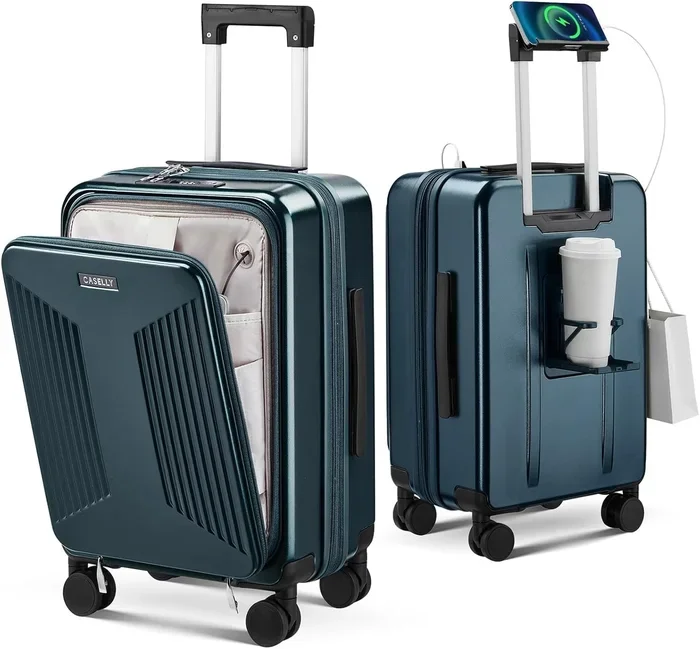
A: Only if you regularly run out of phone battery before reaching a charging station. Remember that the power bank must be removable (most airlines prohibit non‑removable batteries in checked luggage) and you’ll need to carry the bank in your personal item during security screening.
Q: How often should I lubricate the wheel bearings?
A: Once a year, or whenever you hear a faint grinding noise. Use a lightweight silicone spray; avoid WD‑40 as it attracts dust and can degrade plastic wheel housings.
Q: Can I repair a cracked polycarbonate shell myself?
A: Small hairline cracks can be stabilized with a two‑part epoxy designed for plastics, but the repair will be visible and may not restore full impact resistance. For anything larger than a quarter‑inch, professional repair or warranty replacement is recommended.
Q: What’s the difference between a “lifetime warranty” and a “limited lifetime warranty”?
A: A true lifetime warranty covers defects in materials and workmanship for the life of the product, often with no questions asked. A limited lifetime warranty typically excludes normal wear and tear, damage from airline handling, and may require the original receipt and registration.
Q: Should I buy a matching checked‑bag set?
A: Sets can be a good value if you need both sizes and the brand’s quality is consistent across the line. However, carry‑on and checked luggage endure different stresses; a brand that excels at carry‑ons may cut corners on larger checked pieces. Evaluate each piece independently.
Our Final Recommendations
- Best for Budget‑Conscious Buyers: Samsonite Freeform Hardside Expandable Carry‑On — Priced around $130, it offers a polycarbonate shell, double‑spinner wheels, and a 10‑year limited warranty. The expansion zipper is smooth, and the interior includes a full divider with compression straps. Weight sits at 7.1 lb, making it a solid entry‑level workhorse.
- Best Overall Value: Travelpro Platinum Elite Expandable Spinner — At $250‑$280 you get a 3 mm polycarbonate shell, MagnaTrac double‑spinner wheels, a precision‑glide handle with contour grip, and a lifetime warranty on the shell. The interior features a removable suiter, a padded laptop pocket, and a wet/dry compartment. Weight is an impressive 6.4 lb.
- Best Premium Option: Briggs & Riley Baseline Domestic Carry‑On Expandable — Around $450, this bag boasts a ballistic‑nylon‑reinforced polycarbonate shell, CX expansion system that adds 25 % more packing space without increasing external dimensions, and a lifetime “Simple as that” warranty that even covers airline damage. Weight is 6.8 lb.
- Best for Beginners: Away The Bigger Carry‑On — Priced at $275, it combines a sleek polycarbonate shell, 360‑degree Hinomoto wheels, an ejectable battery (optional), and a minimalist interior with a compression pad. The brand’s 100‑day trial period lets you test it risk‑free. Weight is 7.2 lb.
- Best for Advanced Users: Rimowa Essential Cabin — At $650+, the iconic grooved aluminum‑magnesium alloy shell delivers unmatched rigidity, a multi‑stage telescoping handle with a leather grip, and a smooth, near‑silent wheel system. The interior uses a flexible divider system that can be reconfigured for each trip. Weight is 9.3 lb, but the durability justifies it for weekly flyers.
Conclusion: Making the Right Choice
You now have a complete roadmap: start with the shell material and expansion zipper, verify wheel and handle quality, confirm size compliance, and then match the price tier to your travel frequency. Remember that the “perfect” carry‑on is the one that aligns with your personal itinerary — whether that’s a weekend getaway, a month‑long business circuit, or a family vacation with extra souvenirs. Prioritize the factors that matter most to you, test the bag in person if possible, and don’t hesitate to leverage sales, refurbished programs, or credit‑card protections to stretch your budget.
Travel is stressful enough without worrying about a broken handle or a zipper that gives out mid‑trip. Invest in a carry‑on that earns its keep, and you’ll glide through terminals with confidence, knowing your gear is protected and your packing space is maximized. Safe travels, and may your next overhead‑bin experience be effortless.