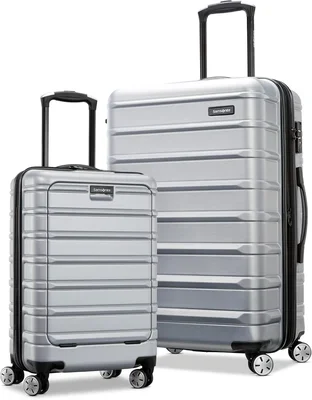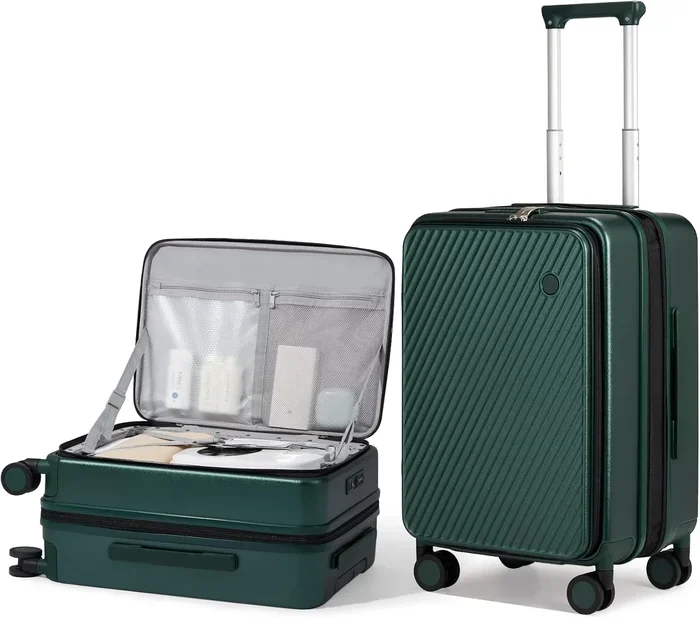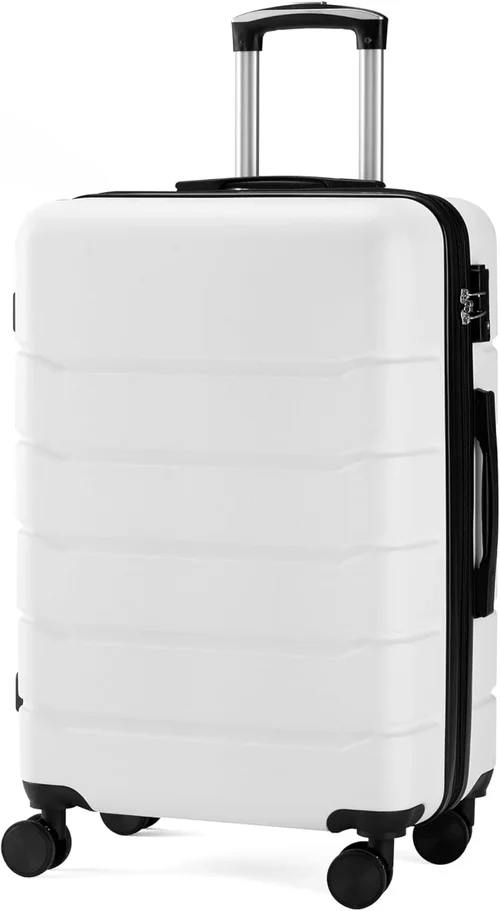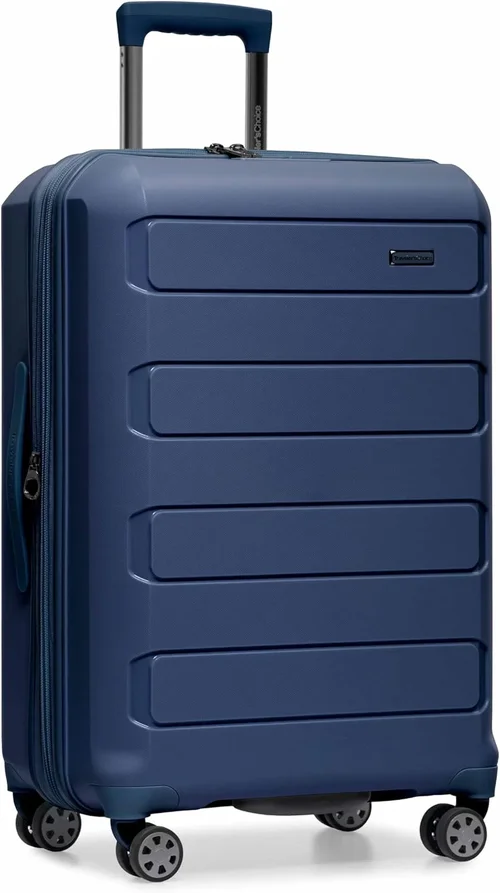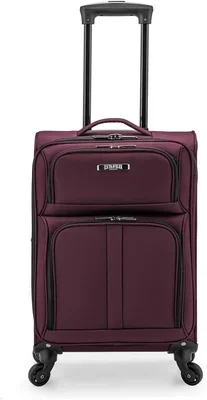
Choosing the right expandable carry‑on spinner can feel like navigating a maze of specifications, brand promises, and price points. Whether you’re a frequent business traveler, a weekend adventurer, or someone who simply wants a reliable bag for occasional trips, the right piece of luggage makes every journey smoother. This guide breaks down every critical element you need to evaluate, explains the technical jargon in plain language, and gives you a clear framework for comparing budget, mid‑range, and premium options.
By the end of this article you will know exactly which features matter most for your travel style, how to spot a durable build versus a flashy gimmick, and where to find the best value without sacrificing quality. We’ll also highlight common pitfalls, share insider buying tips, and answer the questions travelers ask most often. Let’s start with the fundamentals.

What to Look for When Buying Buying Guide
1. Size Compliance and Expandability
Airline carry‑on limits vary, but the most common maximum dimensions are 22 × 14 × 9 inches (56 × 36 × 23 cm) including wheels and handles. An expandable model typically adds 1.5 to 2 inches of depth when the zipper is opened. Why it matters: If you frequently fly on carriers with strict sizing, a non‑expandable bag guarantees compliance. If you need extra space for souvenirs or a bulky jacket, the expansion zipper is a lifesaver—just remember to zip it closed before boarding.
2. Wheel System and Maneuverability
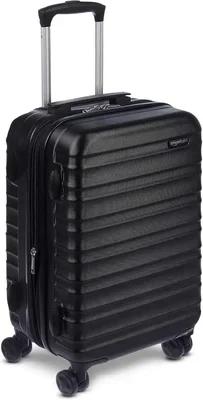
Spinner wheels rotate 360 degrees, allowing you to push the bag beside you rather than tilt and drag. Look for double‑wheel (twin) configurations—they distribute weight better and handle uneven surfaces more smoothly than single wheels. Key specs: wheel diameter (usually 2.5–3 inches), material (polyurethane vs. rubber), and whether the wheels are recessed into the shell for protection.
3. Shell Material and Durability
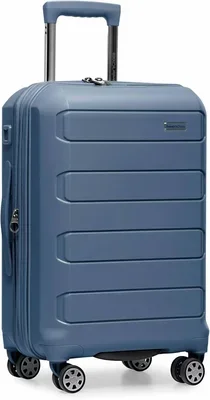
Hard‑shell luggage typically uses polycarbonate, ABS, or a polycarbonate/ABS blend. Polycarbonate is the most impact‑resistant and flexible, while ABS is lighter but more prone to cracking. Soft‑shell options rely on high‑denier nylon (e.g., 1680D ballistic nylon) or polyester with a water‑repellent coating. What to check: thickness of the shell, reinforcement at corners, and whether the material has a scratch‑resistant finish.
4. Handle System and Ergonomics
A telescopic handle should lock securely at multiple heights (usually three) and retract smoothly without wobble. Aluminum or reinforced alloy tubes are sturdier than plastic. The grip material—rubberized, foam, or leatherette—affects comfort during long walks. Test the handle’s locking mechanism by extending and collapsing it several times; a sticky or loose lock is a red flag.
5. Interior Organization and Packing Features
Look for a split‑case design with a zippered divider, mesh pockets, compression straps, and a dedicated laptop or tablet sleeve (often 15‑inch compatible). Some premium models include a removable toiletry kit, a garment folder, or a built‑in USB port with a power bank pocket. Practical tip: Compression straps keep clothes from shifting, reducing wrinkles and maximizing space.
6. Weight and Carry‑On Allowance
Every ounce counts when airlines enforce strict weight limits (often 7–10 kg for carry‑on). Hard‑shell spinners typically weigh 6–8 lb (2.7–3.6 kg); soft‑shell models can be 4–6 lb (1.8–2.7 kg). Choose the lightest bag that still meets your durability needs. Remember that the expansion zipper adds a few ounces when fully opened.
7. Warranty, Repair Network, and Brand Support
A solid warranty (often 5‑10 years or lifetime) signals confidence in build quality. Check whether the brand offers authorized repair centers or a mail‑in service, and whether replacement parts (wheels, handles, zippers) are readily available. Brands with global service networks are especially valuable for international travelers.
8. Security Features
TSA‑approved combination locks are standard on most modern carry‑ons. Some models integrate a built‑in lock that secures both the main compartment and the expansion zipper simultaneously. Others offer a lockable zipper pull that accepts a separate padlock. Verify that the lock is truly TSA‑compliant (look for the red diamond logo).
Different Types of Buying Guide

Common Buying Mistakes to Avoid
❌ Mistake: Ignoring Airline Size Restrictions
Why it’s bad: A bag that exceeds the carrier’s limits forces you to check it at the gate, incurring fees and risking damage. What to do instead: Verify the exact dimensions for every airline you fly regularly, and choose a model that fits the most restrictive specification.
❌ Mistake: Prioritizing Looks Over Wheel Quality
Why it’s bad: Stylish spinner wheels that are single‑wheel or made of cheap plastic will jam on cobblestones or airport carpets. What to do instead: Test the wheels in‑store (or watch video reviews) for smooth 360° rotation and listen for rattling.
❌ Mistake: Overlooking Weight of the Empty Bag
Why it’s bad: A heavy empty suitcase eats into your weight allowance before you pack anything. What to do instead: Target a bag under 7 lb (3.2 kg) for hard‑shell, under 5 lb (2.3 kg) for soft‑shell.
❌ Mistake: Skipping Warranty Details
Why it’s bad: A “lifetime warranty” that only covers manufacturing defects but not wheel wear leaves you paying for repairs. What to do instead: Read the fine print; look for coverage on wheels, handles, and zippers, plus a clear claim process.
❌ Mistake: Buying Without Testing the Handle
Why it’s bad: A telescopic handle that sticks or wobbles makes navigating terminals frustrating. What to do instead: Extend and collapse the handle at least five times; feel for smooth locking at each height.
Budget Guidelines: How Much Should You Spend?
Entry‑Level ($80 – $130)
Expect ABS or lower‑grade polycarbonate shells, single‑wheel spinners, basic TSA lock, and minimal interior organization. Durability is adequate for occasional leisure trips (2‑3 flights per year). Brands in this tier often offer a 2‑year limited warranty.
Mid‑Range ($130 – $250)
This is the sweet spot for most travelers. You’ll find true polycarbonate or high‑denier ballistic nylon, double‑wheel spinners, multi‑stage telescopic handles, compression straps, and a 5‑year or limited lifetime warranty. Many models include a removable laundry bag and a dedicated laptop sleeve.
Premium ($250 – $450)
Premium bags feature reinforced corners, scratch‑resistant finishes, precision‑engineered wheel bearings, aluminum handle tubes, and advanced organization (e.g., garment folder, RFID‑blocking pocket). Warranty often extends to lifetime with global repair centers. Some include integrated USB ports with a dedicated power‑bank compartment.
Luxury ($450+)
Top‑tier luggage uses aerospace‑grade polycarbonate, hand‑stitched leather accents, magnetic latch closures, and bespoke interior layouts. Brands provide concierge‑level service, on‑site repairs at major airports, and a true lifetime guarantee. These are investment pieces for frequent international travelers who value prestige and absolute reliability.
Expert Tips for Getting the Best Deal
- Shop off‑season: Late January and September see clearance of previous‑year models.
- Compare authorized retailers: Prices can differ by 10‑15 % between department stores, brand websites, and online marketplaces.
- Use price‑tracking tools: Browser extensions alert you when a specific SKU drops below your target.
- Check return policies: A 30‑day no‑questions‑asked return lets you test the bag on a real trip.
- Register the warranty immediately: Some brands require registration within 30 days for full coverage.
- Inspect in person if possible: Feel the wheel spin, handle lock, and zipper glide before committing.
- Consider refurbished or open‑box units: Manufacturer‑certified refurbs often carry the same warranty at 20‑30 % off.

Frequently Asked Questions
Q: Can I use an expandable carry‑on on all airlines?
A: Most airlines allow the expanded dimensions only if the bag still fits within the published size limits. Always zip the expansion closed before boarding; otherwise you risk gate‑check fees.
Q: Are spinner wheels better than inline wheels?
A: Spinners offer 360° maneuverability, making them easier to navigate crowded terminals. Inline wheels are more durable on rough terrain but require tilting the bag.
Q: How do I clean a polycarbonate shell?
A: Wipe with a damp microfiber cloth and mild soap. Avoid abrasive cleaners or solvents that can dull the finish.
Q: What is a TSA‑approved lock and why do I need one?
A: TSA agents have a master key to open these locks for inspection without cutting them. Using a non‑TSA lock may result in a broken lock if security needs to inspect your bag.
Q: Does a heavier bag mean better durability?
A: Not necessarily. Modern polycarbonate can be both light and extremely impact‑resistant. Weight alone is not a reliable durability indicator.
Q: Can I replace a broken spinner wheel myself?
A: Many brands sell replacement wheel kits and provide instructional videos. If the wheel is riveted, professional repair may be required.
Q: Is a built‑in USB port worth the extra cost?
A: Only if you regularly charge devices on the go and prefer not to carry a separate power bank. Remember the port is just a pass‑through; you still need your own battery pack.
Q: How do I maximize packing space in an expandable carry‑on?
A: Use packing cubes, roll clothing instead of folding, and utilize every pocket. Compression straps keep contents tight when the expansion zipper is closed.
Our Final Recommendations
- Best for Budget‑Conscious Buyers: Travelpro Maxlite 5 Expandable Spinner – lightweight polyester, 4‑wheel system, 5‑year warranty, under $130.
- Best Overall Value: Samsonite Freeform Hardside Expandable – polycarbonate shell, double wheels, TSA lock, 10‑year warranty, around $180.
- Best Premium Option: Briggs & Riley Baseline Domestic Carry‑On – ballistic nylon, CX expansion, lifetime warranty with free repairs, ~$350.
- Best for Beginners: Amazon Basics 21‑Inch Hardside Spinner – simple design, ABS shell, 3‑year warranty, under $100.
- Best for Advanced Users: Rimowa Essential Cabin – aluminum‑magnesium alloy, precision wheels, integrated TSA lock, lifetime service, $600+.
Conclusion: Making the Right Choice
Selecting an expandable carry‑on spinner comes down to matching the bag’s strengths to your travel habits. Start by confirming the size limits of your most‑flown airlines, then prioritize a smooth double‑wheel system, a durable shell material, and a handle that locks securely at your height. Don’t overlook interior organization—compression straps and a padded laptop sleeve save time and keep belongings wrinkle‑free. Weigh the warranty and repair network as heavily as the price tag; a bag that can be serviced worldwide will outlast several cheaper replacements.
Use the budget tiers as a roadmap: entry‑level for occasional trips, mid‑range for the sweet spot of performance and price, premium for frequent flyers who demand longevity, and luxury for those who want the ultimate in craftsmanship and service. Armed with the factors, pitfalls, and expert tips outlined here, you can walk into any store or click any product page with confidence.
Ready to upgrade your travel game? Pick the category that fits your needs, apply the checklist, and enjoy the freedom of a perfectly sized, effortlessly rolling companion on every adventure.