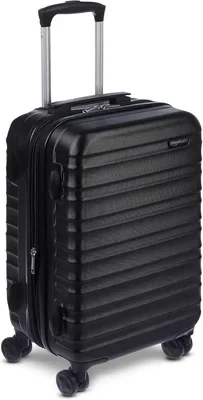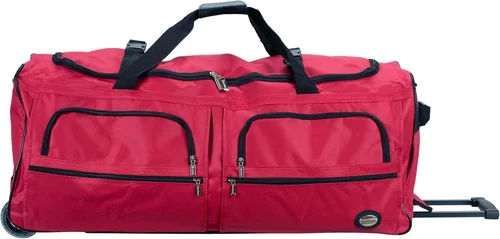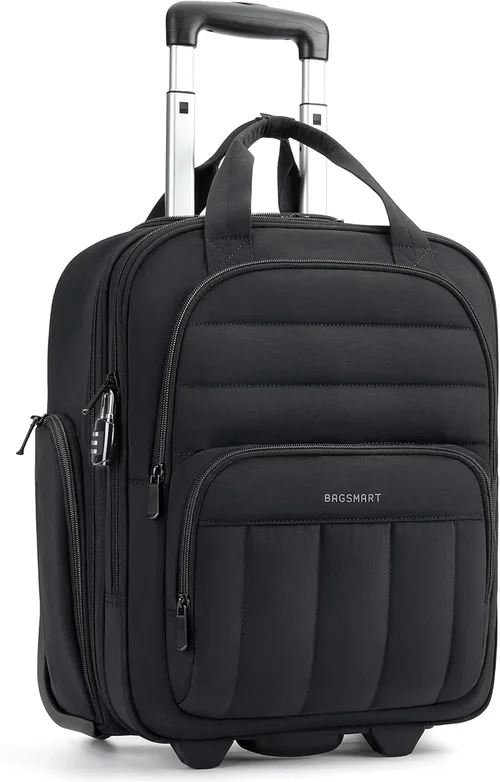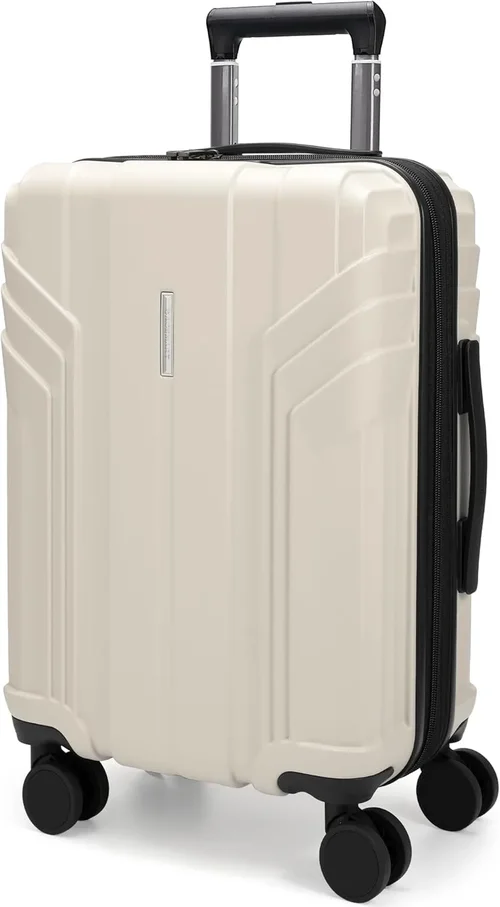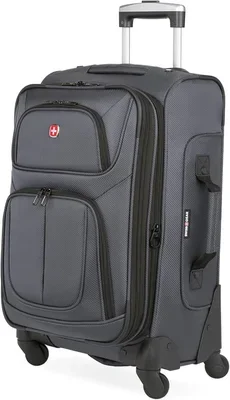
Choosing the right expandable softside carry‑on spinner can feel like navigating a maze of specifications, brand promises, and price tags. I’ve spent years watching travelers wrestle with bags that either burst at the seams or glide effortlessly through crowded terminals, and the difference almost always comes down to a handful of core decisions. This guide distills that experience into a clear, step‑by‑step framework so you can walk into a store or click “add to cart” with confidence.
In the next sections you’ll learn which factors deserve your attention first, how the major categories stack up against each other, the most common pitfalls that waste money, and realistic budget expectations. I’ll also share insider timing tricks, warranty wisdom, and a quick FAQ to settle the lingering questions that pop up at the checkout line. By the end you’ll have a personalized checklist that matches your travel style, frequency, and wallet.

What to Look for When Buying Buying Guide
1. Size & Airline Compliance
The very first filter is the external dimensions. Most U.S. carriers allow a maximum of 22 × 14 × 9 inches (including wheels and handles) for a carry‑on, but international airlines can be stricter—some European budget carriers cap at 21.5 × 15.5 × 9 inches. Measure the bag’s full footprint, not just the main compartment, because spinner wheels and telescoping handles add up to an inch or two. A bag that fits the tightest rule you’ll ever encounter saves you from gate‑check fees and the frustration of rearranging overhead bins.
2. Expandability Mechanism & Capacity
Expandable softside luggage typically uses a zippered gusset that adds 1.5–2.5 inches of depth. Look for a dual‑track zipper with a locking pull tab; single‑track zippers tend to snag and can burst under pressure. When the bag is fully expanded, the interior volume should increase by roughly 20‑30 percent—enough for a weekend’s worth of extra clothing or souvenirs—yet the bag must still compress back to the legal carry‑on size. Test the expansion in person if possible: pull the gusset, pack a few items, then zip it closed. The fabric should not strain or pucker.
3. Wheel System & Maneuverability
Four double‑spinner wheels are the gold standard. They should rotate 360 degrees silently on smooth polyurethane or high‑grade rubber. Cheap plastic wheels develop flat spots after a few trips, turning a graceful glide into a clunky drag. Check the wheel housing: recessed wheels protected by a raised bumper survive curb impacts better than exposed ones. If you frequently navigate cobblestones or carpeted hotel corridors, prioritize larger‑diameter wheels (at least 2.5 inches) and a wide wheelbase for stability.
4. Fabric Durability & Water Resistance
Softside bags rely on woven nylon or polyester. Denier (D) rating indicates thread thickness—higher numbers mean tougher fabric. A 1200D ballistic nylon or 1680D polyester shell resists abrasions from conveyor belts and overhead‑bin jostling. Water resistance comes from a durable water repellent (DWR) coating or a laminated TPU backing. While no softside is fully waterproof, a good DWR will shrug off light rain and spilled coffee. Look for reinforced corners and a double‑stitched bottom panel; these are the first places a bag fails.
5. Organizational Features & Access Points
Internal layout separates the “just‑in‑case” items from the “need‑right‑now” ones. A full‑length front zipper pocket lets you grab a laptop or travel documents without opening the main compartment. Inside, mesh divider pockets, compression straps, and a padded laptop sleeve (usually 15‑inch) keep contents from shifting. Some models add a removable toiletry pouch or a dedicated shoe compartment—nice bonuses if you pack light. External quick‑access pockets for a phone, passport, or boarding pass can shave minutes off security lines.
Different Types of Buying Guide

Common Buying Mistakes to Avoid
❌ Mistake: Ignoring Airline Size Limits
Why it’s bad: A bag that looks perfect in the store may be an inch too tall for a European low‑cost carrier, forcing a gate check and a fee that often exceeds the bag’s price difference.
What to do instead: Write down the strictest dimensions you’ll encounter and carry a tape measure when shopping. Verify the manufacturer’s listed “external dimensions” include wheels and handles.
❌ Mistake: Choosing the Lightest Bag Without Checking Durability
Why it’s bad: Ultra‑light fabrics (often 300‑400D) tear easily on conveyor belts, and the zippers are usually the first component to fail.
What to do instead: Aim for a sweet spot: 6‑7 lb empty weight with at least 1200D nylon or 1680D polyester. The extra pound buys years of service.
❌ Mistake: Overlooking Wheel Quality
Why it’s bad: Cheap wheels develop wobble, making the bag pull to one side and straining your wrist on long walks.
What to do instead: Spin each wheel by hand; it should rotate freely for several seconds. Look for sealed ball bearings and a polyurethane tread.
❌ Mistake: Skipping the Warranty Fine Print
Why it’s bad: Some “lifetime” warranties cover only the frame, not zippers or wheels—the parts that actually break.
What to do instead: Read the warranty card or website. Prefer brands that explicitly cover all components for at least five years and offer a simple claim process.
❌ Mistake: Buying Based Solely on Brand Name
Why it’s bad: Established brands sometimes coast on reputation while newer makers innovate with better materials and smarter organization.
What to do instead: Compare specs side‑by‑side. A lesser‑known brand with a 10‑year warranty and 1680D fabric can outperform a famous label with a 2‑year limited warranty.
Budget Guidelines: How Much Should You Spend?
Entry‑Level ($70 – $130)
Expect 600‑900D polyester, single‑track expansion zipper, basic two‑wheel or low‑profile four‑wheel spinners, and a one‑year limited warranty. Good for occasional leisure travelers who fly once or twice a year and don’t mind replacing the bag every 2‑3 years.
Mid‑Range ($130 – $250)
This is the sweet spot for most frequent flyers. You’ll find 1200D ballistic nylon or 1680D polyester, dual‑track expansion, four double‑spinner wheels with sealed bearings, a padded laptop sleeve, and a 5‑year or limited‑lifetime warranty. Weight typically falls between 6.5‑7.5 lb.
Premium ($250 – $450)
Premium models add features like a removable suiter system, TSA‑approved lock integrated into the zipper, high‑grade YKK RCW zippers, and a true lifetime “no‑questions‑asked” warranty. Materials may include 1680D ballistic nylon with a TPU laminate for water resistance. Empty weight stays under 7 lb thanks to advanced frame engineering.
Luxury ($450+)
Luxury carry‑ons use proprietary fabrics (e.g., Cordura® Ultra‑Lite), magnesium‑alloy telescoping handles, and hand‑stitched leather accents. They often include a dedicated garment folder, built‑in USB charging port with power bank pocket, and concierge‑level repair service. These are for travelers who view luggage as a long‑term investment and a style statement.
Expert Tips for Getting the Best Deal
- Shop off‑season: Late January and September see clearance of previous‑year models. Retailers need shelf space for new collections.
- Check outlet stores and authorized online outlets: They carry genuine overstock with full warranties at 20‑30 % off.
- Use price‑tracking tools: Browser extensions like CamelCamelCamel or Honey alert you when a specific SKU drops below your target.
- Leverage credit‑card travel perks: Some premium cards offer baggage‑delay insurance or extended warranty coverage that effectively adds value to your purchase.
- Test in‑store, buy online: Feel the handle, roll the wheels, then order the exact model from a reputable e‑tailer with a generous return window (30‑60 days).

Frequently Asked Questions
Q: Can I use an expandable softside as my only checked bag on a long trip?
A: Yes, but only if you stay within the airline’s linear‑inch limit when fully expanded. Most 22‑inch expandables max out at 45‑48 linear inches, which fits many international checked‑bag allowances. Verify your carrier’s policy before you pack.
Q: How do I clean a softside spinner?
A: Spot‑clean with a mild detergent and a soft brush. For deeper grime, remove the interior liner (if detachable) and hand‑wash in cool water. Air‑dry away from direct heat; never machine‑wash or tumble‑dry, as it can delaminate the water‑repellent coating.
Q: Are spinner wheels replaceable?
A: On most mid‑range and premium models, yes. Brands like Travelpro, Briggs & Riley, and Osprey sell wheel kits. Entry‑level bags often have riveted wheels that cannot be swapped.
Q: What’s the difference between a “spinner” and a “roller”?
A: Spinners have four 360° wheels, allowing you to push the bag upright beside you. Rollers have two fixed wheels and must be tilted. Spinners reduce wrist strain but add a few ounces and can be less stable on rough terrain.
Q: Does a higher denier always mean better durability?
A: Not necessarily. Weave type (ballistic vs. plain), coating, and stitching quality matter as much as denier. A 1200D ballistic nylon often outperforms a 1680D plain polyester because of its tighter weave and abrasion resistance.
Q: Can I fit a 15.6‑inch laptop in the front pocket of any expandable carry‑on?
A: Most mid‑range and premium models include a padded sleeve sized for 15.6‑inch laptops. Entry‑level bags may only accommodate up to 13‑inch devices. Check the pocket dimensions before buying.
Q: How important is a TSA‑approved lock?
A: It’s convenient for U.S. travel because agents can open and relock the bag without cutting the zipper. If you fly internationally often, a lock that meets both TSA and Travel Sentry standards is ideal. Many premium bags integrate this lock into the main zipper pull.
Our Final Recommendations
- Best for Budget‑Conscious Buyers: AmazonBasics 21‑Inch Expandable Spinner – 600D polyester, dual‑track expansion, four double wheels, 1‑year warranty. Priced around $85, it covers the basics for occasional trips.
- Best Overall Value: Travelpro Platinum Elite 22‑Inch Expandable Spinner – 1200D ballistic nylon, MagnaTrac® spinner wheels, built‑in TSA lock, 10‑year warranty. Typically $210‑$240, it balances durability, organization, and weight (6.9 lb).
- Best Premium Option: Briggs & Riley Baseline Domestic Carry‑On Expandable Spinner – 1680D ballistic nylon with TPU coating, CX™ expansion system, lifetime “no‑questions‑asked” warranty. Around $380, it’s built for daily road warriors.
- Best for Beginners: Samsonite Freeform 21‑Inch Expandable Spinner – Lightweight 100% polycarbonate‑reinforced fabric, simple one‑hand expansion, 10‑year limited warranty. At $150 it’s forgiving for first‑time spinner users.
- Best for Advanced Users: Osprey Meridian 22‑Inch Expandable Spinner – 420D high‑tenacity nylon with a removable daypack, straight‑line compression straps, and a lifetime “All Mighty” guarantee. $260‑$290, ideal for adventure‑business hybrid trips.
Conclusion: Making the Right Choice
You now have a roadmap that starts with the non‑negotiable—airline size compliance—and walks through expandability, wheels, fabric, and organization. Match each factor to how often you fly, what you pack, and how much you’re willing to invest. Remember that a slightly heavier bag with better wheels and a solid warranty often costs less over a decade than replacing a cheap model every two years.
Take the checklist you’ve built, head to a store or a trusted site, and test the feel of the handle, the glide of the wheels, and the smoothness of the expansion zipper. Your perfect carry‑on is out there, and with the knowledge you’ve gained, you’ll spot it instantly. Safe travels, and enjoy the confidence that comes from a well‑chosen companion.