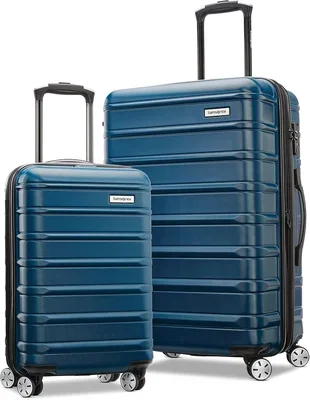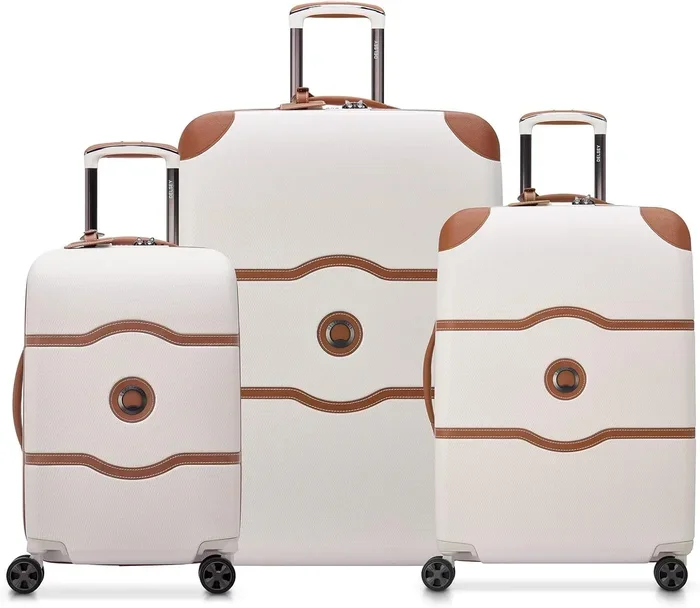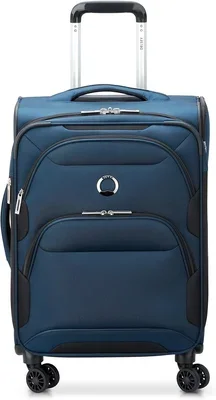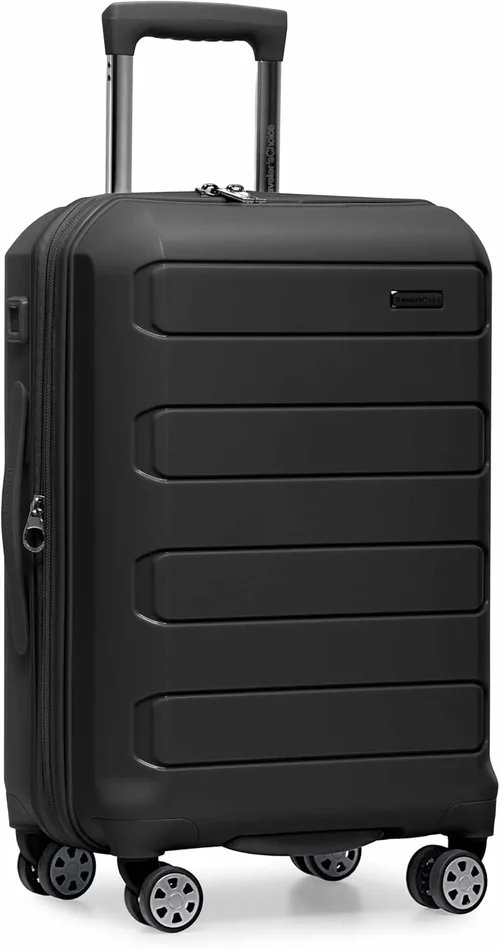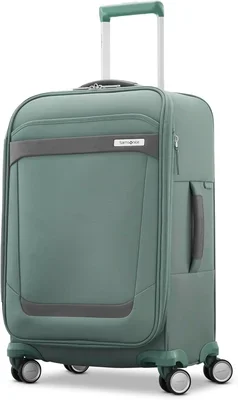
Choosing the right expandable softside carry‑on spinner luggage with packing cubes can feel like navigating a maze of specifications, brand promises, and price points. Whether you are a frequent business traveler, a weekend adventurer, or someone who simply wants a reliable bag that fits in the overhead bin, the decision impacts every trip you take. This guide is designed to cut through the noise, explain the technical details in plain language, and give you a clear framework for evaluating every option on the market.
In the following sections you will learn which features truly matter for durability, organization, and ease of movement, how to compare budget versus premium models, and the common pitfalls that lead to buyer’s remorse. We also provide a practical budget breakdown, expert shopping tips, and a curated list of recommendations tailored to different travel styles. By the end of this article you will have the confidence to select a carry‑on that matches your needs, fits your budget, and lasts for years of journeys.

What to Look for When Buying Buying Guide
1. Size and Airline Compliance
The first factor to verify is the external dimensions when the bag is both collapsed and expanded. Most U.S. domestic carriers allow a maximum of 22 × 14 × 9 inches (including wheels and handles) for a carry‑on, while many international airlines enforce stricter limits such as 21.5 × 13.5 × 7.5 inches. A softside bag that expands by 2 inches can be a lifesaver for extra souvenirs, but you must be prepared to compress it back to the legal size before boarding. Look for models that clearly state both the “standard” and “expanded” measurements, and check the manufacturer’s website for a compliance chart that matches your most‑flown airlines.
2. Build Quality and Materials
Softside luggage typically uses ballistic nylon, Cordura, or high‑denier polyester. Ballistic nylon (usually 1680D) offers exceptional abrasion resistance and a tight weave that resists punctures, making it a favorite for frequent flyers. Cordura adds a slightly softer hand feel while maintaining similar strength. Polyester in the 600D–1200D range is lighter and more affordable but can show wear faster on rough baggage handling. Examine the stitching: double‑stitched seams, reinforced stress points at the handle anchors, and bar‑tacked corners are hallmarks of a bag that will survive countless conveyor‑belt rides.
3. Wheel System and Maneuverability
Four‑wheel spinner systems are now the gold standard because they allow 360‑degree movement, reducing wrist strain on long terminal walks. Look for wheels made from polyurethane or high‑grade rubber rather than hard plastic; they roll quieter and absorb shocks better. The wheel housing should be recessed into the bag’s frame to protect the wheels from impacts. Test the spin: a quality spinner will rotate freely with a light push and stop smoothly without wobbling. Some premium models feature “silent” bearings and a wider wheelbase for added stability on uneven pavement.
4. Handle System Ergonomics
The telescoping handle should lock securely at multiple height settings (typically three to four) and retract flush with the bag’s body to avoid snagging. Aluminum or aircraft‑grade alloy tubes are lighter and stronger than steel. Grip material matters too — contoured rubber or textured thermoplastic elastomer (TPE) provides a comfortable, non‑slip hold even with sweaty palms. A top‑carry handle and a side‑carry handle with reinforced stitching give you extra lifting options when you need to hoist the bag into an overhead bin.
5. Expansion Mechanism and Capacity
Expandable carry‑ons usually add 1.5–2.5 inches of depth via a zippered gusset that runs around the perimeter. The expansion zipper should be a heavy‑duty YKK or similar brand with a lockable pull tab. When expanded, the bag’s interior volume can increase by 20‑30 %, which is perfect for a weekend’s worth of extra clothing or a bulky jacket. However, remember that an expanded bag may exceed airline size limits, so you must be able to compress it quickly. Some designs include a compression strap inside the expansion panel to keep contents from shifting when the bag is fully packed.
6. Integrated Packing Cubes and Organization
Many modern softside carry‑ons ship with a set of packing cubes that nest perfectly inside the main compartment. Look for cubes made from lightweight ripstop nylon with mesh top panels for visibility and breathability. A typical set includes a large cube for clothing, a medium cube for shoes or toiletries, and a slim cube for electronics or accessories. The cubes should have sturdy zippers (preferably double‑pull) and a handle or loop for easy removal. If the luggage does not include cubes, verify that the interior dimensions accommodate standard cube sizes (e.g., 17 × 12 × 4 inches for a large cube).
7. Security Features
TSA‑approved combination locks integrated into the zipper pulls are a must for peace of mind. Some bags add a lockable zipper garage that hides the pulls when not in use, deterring opportunistic tampering. A few premium models embed a Bluetooth tracker slot or a built‑in GPS module, allowing you to locate the bag via a smartphone app. While not essential, these features can be valuable if you frequently check bags on connecting flights or travel to high‑theft destinations.
8. Warranty, Support, and Brand Reputation
A strong warranty signals confidence in the product. Look for a limited lifetime warranty that covers defects in materials and workmanship, plus a “repair or replace” policy for wheel and handle failures — the two most common breakage points. Brands with dedicated service centers (e.g., Travelpro, Briggs & Riley, Osprey) often offer free repairs for the first few years. Read recent customer reviews focusing on post‑purchase support; a brand that honors claims quickly will save you headaches down the road.
Different Types of Buying Guide

Common Buying Mistakes to Avoid
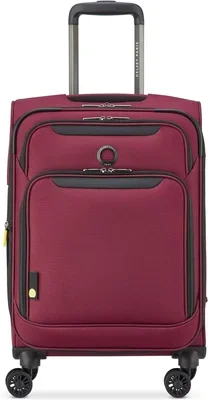
❌ Mistake: Ignoring Airline Size Limits
Why it’s bad: An expandable bag that looks perfect in the store may exceed the maximum dimensions once the expansion zipper is opened, forcing you to check it at the gate and pay fees.
What to do instead: Verify both the collapsed and expanded measurements against the airlines you fly most. Choose a model that stays within limits even when expanded, or be disciplined about compressing before boarding.
❌ Mistake: Prioritizing Weight Over Durability
Why it’s bad: Ultra‑light fabrics (e.g., 300D polyester) can tear on rough conveyor belts, leading to a ruined trip and a replacement purchase.
What to do instead: Aim for a sweet spot: 600D–1000D nylon or polyester with reinforced corners. The extra few ounces buy years of service.
❌ Mistake: Overlooking Wheel Quality
Why it’s bad: Cheap plastic wheels crack, wobble, or seize after a few trips, turning a smooth glide into a frustrating drag.
What to do instead: Insist on polyurethane or rubberized wheels with sealed bearings. Spin the wheels in‑store; they should rotate freely and silently.
❌ Mistake: Skipping the Packing Cube Compatibility Check
Why it’s bad: Buying a luggage set that claims “includes cubes” but the cubes are too small or oddly shaped wastes the organizational benefit.
What to do instead: Measure the interior dimensions and compare them to standard cube sizes (large ≈ 17 × 12 × 4 in). If the cubes are proprietary, ensure they are replaceable.
❌ Mistake: Not Testing the Handle Lock Positions
Why it’s bad: A handle that only locks at one height forces tall travelers to stoop or short travelers to stretch, causing fatigue.
What to do instead: Extend the handle fully, lock at each notch, and simulate pulling the bag. Choose a model with at least three secure height settings.
❌ Mistake: Assuming All Warranties Are Equal
Why it’s bad: Some “lifetime” warranties only cover the frame, excluding wheels, handles, and zippers — the parts that fail most often.
What to do instead: Read the fine print. Prefer brands that explicitly cover wheels, handles, and zippers for at least five years, with a simple claim process.
❌ Mistake: Buying Based Solely on Brand Name
Why it’s bad: Established brands sometimes coast on reputation while newer competitors offer better specs at lower prices.
What to do instead: Compare specifications side‑by‑side. A lesser‑known brand with ballistic nylon, silent wheels, and a solid warranty can outperform a famous label’s entry model.
Budget Guidelines: How Much Should You Spend?
Entry‑Level ($60 – $120): Expect polyester construction, basic two‑wheel or entry‑level four‑wheel spinners, minimal interior organization, and a one‑year limited warranty. These bags work for a few trips per year but may show wheel wear or zipper fatigue after 12‑18 months. Packing cubes are rarely included; you’ll likely buy them separately.
Mid‑Range ($130 – $250): This is the sweet spot for most travelers. You’ll find 800D–1000D ballistic nylon or high‑denier Cordura, smooth 360‑degree spinner wheels with sealed bearings, a multi‑stage telescoping handle, integrated TSA lock, and a set of three to four packing cubes. Warranties often extend to five years or a limited lifetime on the frame. Brands like Travelpro, Samsonite, and Delsey dominate this tier.
Premium ($260 – $450): Premium models use 1680D ballistic nylon or proprietary ultra‑tough fabrics, aircraft‑grade aluminum handles, silent‑run wheels, and advanced features such as built‑in USB ports, removable power banks, or Bluetooth trackers. Warranties are typically lifetime with “no‑questions‑asked” repair for wheels and handles. The included packing cubes are often custom‑fit with compression zippers. Expect a weight penalty of 1‑2 lb over mid‑range, but the durability payoff is substantial for weekly flyers.
Luxury ($450+): At this level you pay for brand prestige, hand‑crafted details, leather accents, and bespoke services (monogramming, dedicated concierge repair). Materials may include full‑grain leather trim, carbon‑fiber frames, or proprietary composite shells. While the performance gains over premium are marginal, the resale value and aesthetic appeal can justify the cost for status‑conscious travelers.
Expert Tips for Getting the Best Deal
- Shop Off‑Season: Major retailers discount luggage heavily in January (post‑holiday) and September (back‑to‑school). Black Friday and Cyber Monday also bring deep cuts, especially on last‑year’s colorways.
- Sign Up for Brand Newsletters: Many manufacturers offer a 10‑15 % welcome coupon and early‑access to flash sales. Combine with a store‑wide promo for maximum savings.
- Check Authorized Refurbished Programs: Brands like Briggs & Riley and Travelpro sell factory‑refurbished units with full warranties at 30‑40 % off retail. These are often returned for cosmetic reasons only.
- Use Price‑Tracking Tools: Browser extensions (Honey, CamelCamelCamel) alert you when a specific model drops below your target price.
- Leverage Credit‑Card Purchase Protection: Some premium cards extend manufacturer warranties by an extra year and cover accidental damage for the first 90‑120 days.
- Test In‑Store Before Buying Online: Visit a luggage shop to feel the handle, spin the wheels, and assess the expansion zipper. Then purchase the exact SKU online where the price is lower.
- Read Return Policies Carefully: A 30‑day no‑questions‑asked return window lets you trial the bag on a real trip. Avoid final‑sale clearance items unless you’re certain.
- Bundle with Packing Cubes: Some retailers offer a “luggage + cube set” bundle that saves $20‑$40 versus buying separately. Verify the cubes are the same quality as the standalone versions.

Frequently Asked Questions
Q: What is the difference between a softside and a hardside carry‑on?
A: Softside luggage uses woven fabrics (nylon, polyester) that flex, allowing a slight over‑pack and easier fitting into tight overhead bins. Hardside bags use polycarbonate or ABS shells that protect fragile items better but cannot expand and may crack under severe impact.
Q: Can I wash the packing cubes?
A: Most packing cubes are machine‑washable on a gentle cycle with cold water. Air‑dry them flat to preserve the mesh panels and zipper integrity. Always check the care label first.
Q: How do I clean the exterior of a ballistic nylon bag?
A: Spot‑clean with a mild detergent solution and a soft brush. For deeper cleaning, use a fabric‑safe cleaner and wipe with a damp cloth. Avoid submerging the bag; water can seep into the frame and wheel bearings.
Q: Are spinner wheels better than inline skate wheels?
A: Spinner wheels provide 360‑degree maneuverability, ideal for crowded terminals. Inline wheels are more durable on rough surfaces (cobblestones, gravel) because they have a larger contact patch. Choose spinners for airport‑centric travel; inline for mixed terrain.
Q: Does the expansion zipper weaken the bag’s structure?
A: A well‑designed expansion gusset uses reinforced stitching and a heavy‑duty zipper that distributes stress evenly. Cheap implementations can create a weak point, so inspect the stitching density before buying.
Q: What size packing cubes fit a standard 22‑inch carry‑on?
A: A typical large cube measures roughly 17 × 12 × 4 in, a medium 13 × 9 × 3 in, and a small 10 × 7 × 2 in. Three large cubes fill the main compartment; mixing sizes maximizes organization.
Q: Can I replace a broken spinner wheel myself?
A: Many mid‑range and premium bags use modular wheel housings that unscrew with a hex key. Manufacturers often sell replacement wheel kits. Entry‑level bags may have riveted wheels that require professional repair.
Q: Is a built‑in USB port worth the extra cost?
A: The port is just a pass‑through; you still need a power bank inside. If you already carry a power bank, the port adds convenience but also a potential failure point (cable fray). Evaluate whether you value the neat cable routing enough to pay $30‑$50 more.
Q: How do I know if a warranty claim will be honored?
A: Register the product on the brand’s website within 30 days of purchase, keep the original receipt, and photograph any defect. Brands with dedicated service centers (e.g., Osprey’s “All Mighty Guarantee”) typically process claims within two weeks.
Q: What is the ideal weight for a carry‑on spinner?
A: Aim for 6‑8 lb (2.7‑3.6 kg) for a durable mid‑range bag. Ultra‑light models under 5 lb often sacrifice wheel and handle robustness. Heavier bags over 9 lb eat into your airline weight allowance.
Our Final Recommendations
- Best for Budget‑Conscious Buyers: AmazonBasics 21‑Inch Expandable Softside Spinner – Priced around $85, it offers a 600D polyester shell, four double‑spinner wheels, a basic telescoping handle, and a one‑year warranty. Pair it with a third‑party packing cube set for full organization.
- Best Overall Value: Travelpro Maxlite 5 Expandable Carry‑On with Packing Cubes – At $180 you get 840D ballistic nylon, MagnaTrac spinner wheels, a PowerScope handle with three height stops, a TSA lock, and a matching three‑piece cube set. Five‑year warranty covers wheels and handle.
- Best Premium Option: Briggs & Riley Baseline Domestic Carry‑On Expandable – Around $350, this bag features 1680D ballistic nylon, CX expansion system (adds 2.5 in), aircraft‑grade aluminum handle, silent‑run wheels, and a lifetime “no‑questions‑asked” warranty that includes wheels and zippers. Custom‑fit compression cubes are included.
- Best for Beginners: Samsonite Freeform Hardside‑Softside Hybrid – Priced near $210, the front polycarbonate panel protects a laptop while the soft sides expand. Comes with a basic cube set, smooth spinners, and a 10‑year limited warranty. Easy to understand features make it a confidence‑building first purchase.
- Best for Advanced Users: Osprey Transporter Carry‑On 40L with Integrated Cubes – At $280, this bag blends a rugged 420D nylon chassis with a removable harness system, allowing backpack carry. The internal compression cubes are modular, and the lifetime “All Mighty” warranty covers any defect. Ideal for travelers who switch between rolling and shoulder carry.
Conclusion: Making the Right Choice
Selecting an expandable softside carry‑on spinner with packing cubes is ultimately about matching the bag’s capabilities to your travel rhythm. Start by confirming the size compliance for your most‑used airlines, then weigh the durability of the fabric against the weight you’re willing to carry. A smooth, quiet spinner wheel system and a comfortable, multi‑height handle will make every airport sprint feel effortless. Don’t underestimate the value of a well‑designed packing cube system — it turns a chaotic jumble into a tidy, accessible layout that saves time at security and at your destination.
Use the budget tiers as a guide, but remember that a slightly higher upfront investment in a premium model often pays off through fewer repairs, longer warranty coverage, and a better resale value. Leverage the expert tips — off‑season sales, refurbished programs, and price‑tracking tools — to stretch your dollars further. Finally, trust your hands‑on test: if the bag feels balanced, the zippers glide, and the expansion zipper seals confidently, you’ve likely found a travel companion that will serve you well for years.
Now that you have the knowledge, go ahead and pick the carry‑on that fits your journey. Safe travels and happy packing!