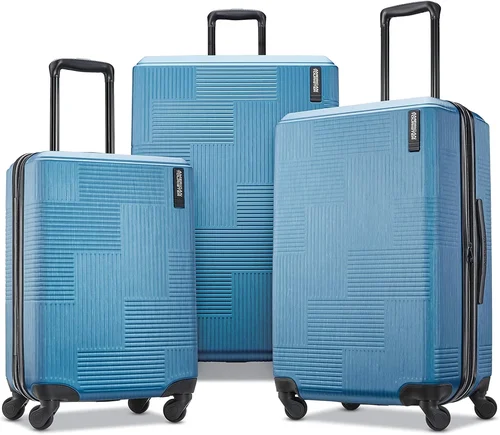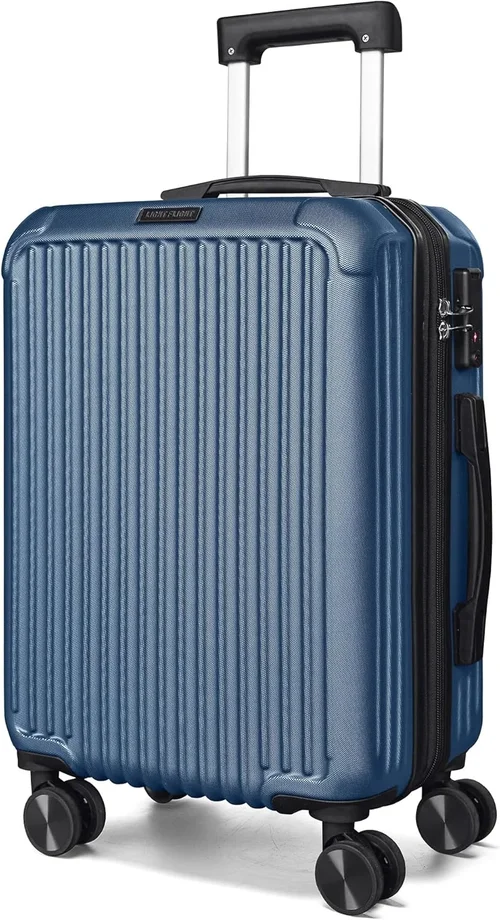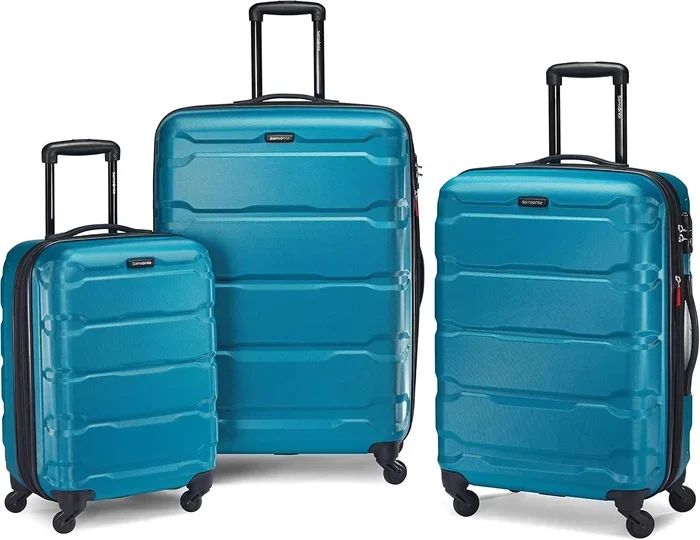
Shopping for expandable soft nylon luggage sets can feel overwhelming, especially when you’re hunting for a deal that balances durability, weight, and style. This guide exists to cut through the noise and give you a clear roadmap so you can pick a set that fits your travel habits without breaking the bank. By the end you’ll know exactly which specifications matter, how to spot a genuine bargain, and which price tier delivers the best value for your needs.
The market for soft‑sided luggage has exploded in recent years, with brands ranging from budget‑friendly names to premium labels that promise lifetime warranties. Sales events, outlet stores, and online flash deals add another layer of complexity. We’ll walk you through the essential factors, compare the main categories, highlight common pitfalls, and give you a realistic budget breakdown. Think of this as a conversation with a seasoned travel companion who’s already tested dozens of sets on the road.

What to Look for When Buying Buying Guide
1. Fabric Denier and Weave
The denier rating tells you how thick the individual nylon fibers are. A higher denier (e.g., 1680D) generally means a tougher, more abrasion‑resistant shell, while 600D–840D is common on entry‑level sets. Look for a tight ballistic or ripstop weave; these patterns stop small tears from spreading. If you frequently check bags or drag them over rough pavement, aim for at least 1000D ballistic nylon.
2. Expandable Zipper System
Expandable luggage relies on a secondary zipper that adds 1.5–2.5 inches of depth. Test the zipper’s smoothness in the store or read reviews that mention “snag‑free” operation. A quality expansion zipper should have reinforced stitching and a lockable pull tab so you can secure the extra space when you don’t need it.
3. Wheel Configuration and Bearings
Four‑wheel spinner sets glide effortlessly in any direction, but the wheel housing material matters. Polyurethane wheels with sealed ball bearings last longer than cheap plastic wheels that crack after a few trips. If you prefer two‑wheel “roller” bags for stability on cobblestones, ensure the wheels are recessed into the frame to protect them from impact.
4. Handle Ergonomics and Locking Mechanism
A telescopic handle should extend in at least three height settings and lock securely with a push‑button release. Grip material matters—rubberized or contoured handles reduce hand fatigue on long walks. Also check for a TSA‑approved combination lock integrated into the zipper pulls; it saves you from buying a separate lock.
5. Interior Organization
Look for a full‑length mesh divider, multiple zippered pockets, and compression straps that keep clothes from shifting. Some premium sets include a removable toiletry pouch or a dedicated laptop sleeve that fits a 15‑inch device. The more modular the interior, the easier it is to pack efficiently and find items quickly.
6. Weight and Carry‑On Compliance
Soft nylon is naturally lighter than hard‑shell polycarbonate, but weight still varies. A 22‑inch carry‑on should weigh under 7 lb (3.2 kg) to leave room for your belongings within airline limits. Verify the external dimensions (including wheels and handles) against the most restrictive carrier you fly—typically 22 × 14 × 9 in for U.S. domestic flights.
7. Warranty and Customer Support
A solid warranty signals confidence. Entry‑level brands often offer a 1‑year limited warranty covering manufacturing defects, while premium lines may provide a lifetime “repair or replace” policy. Check whether the brand has a dedicated claims portal and how quickly they ship replacement parts like wheels or handles.
Different Types of Buying Guide

Common Buying Mistakes to Avoid
❌ Mistake: Ignoring Real‑World Weight
Why it’s bad: A set that looks light in the spec sheet may feel heavy once you add the expandable zipper, wheels, and handle hardware. Overweight bags eat into your airline allowance and cause fatigue.
What to do instead: Weigh the empty set yourself if possible, or read verified buyer reviews that mention actual weight. Target a carry‑on under 7 lb and a checked bag under 10 lb.
❌ Mistake: Choosing Style Over Wheel Quality
Why it’s bad: Flashy colors and patterns are tempting, but cheap plastic wheels crack on the first cobblestone street, leaving you dragging a broken bag.
What to do instead: Prioritize polyurethane spinner wheels with sealed bearings. If you love a design, verify the wheel specs before buying.
❌ Mistake: Overlooking Expandable Zipper Durability
Why it’s bad: A flimsy expansion zipper can separate mid‑trip, spilling contents and rendering the extra space useless.
What to do instead: Look for double‑stitched zipper tracks and a lockable pull. Test the zipper’s glide in person or watch video reviews that stress‑test the expansion.
❌ Mistake: Skipping Warranty Registration
Why it’s bad: Many brands require online registration within 30 days to activate the full warranty. Missing this window leaves you with only a basic limited coverage.
What to do instead: Register the product immediately after purchase. Keep a digital copy of the receipt and warranty certificate.
❌ Mistake: Buying a Set Without Checking Airline Size Limits
Why it’s bad: Some “carry‑on” labeled bags exceed the strictest carrier dimensions once wheels and handles are included, forcing a gate check fee.
What to do instead: Measure the external dimensions yourself (including protrusions) and cross‑reference with the airlines you use most.
❌ Mistake: Assuming All Nylon Is Equal
Why it’s bad: Low‑denier nylon tears easily, especially at stress points like corner guards and handle attachments.
What to do instead: Verify the denier rating and weave type. Ballistic or ripstop nylon at 1000D+ is a safe baseline for frequent travel.
Budget Guidelines: How Much Should You Spend?
Entry‑Level ($80‑$130)
Expect 600D‑840D nylon, two‑wheel rollers, basic interior dividers, and a 1‑year limited warranty. These sets work fine for a couple of vacations a year but may show wear on wheels and zippers after 12‑18 months of heavy use.
Mid‑Range ($180‑$300)
This is the sweet spot for most travelers. You’ll get 1000D‑1680D ballistic nylon, four‑wheel spinners with sealed bearings, TSA locks, multiple compression straps, and a 3‑5 year warranty. Brands in this tier often include a removable toiletry kit.
Premium ($350‑$550)
Premium sets feature lifetime “repair or replace” warranties, self‑healing zippers, reinforced corner guards, and premium handle systems with ergonomic grips. Interiors are highly modular—think removable packing cubes and dedicated laptop sleeves. Weight is optimized, often under 6 lb for a 22‑inch carry‑on.
Luxury ($600+)
Luxury lines focus on aesthetics: leather accents, custom colorways, and designer collaborations. Performance matches premium, but you’re paying for brand prestige and exclusive detailing. Warranty terms are usually identical to premium.
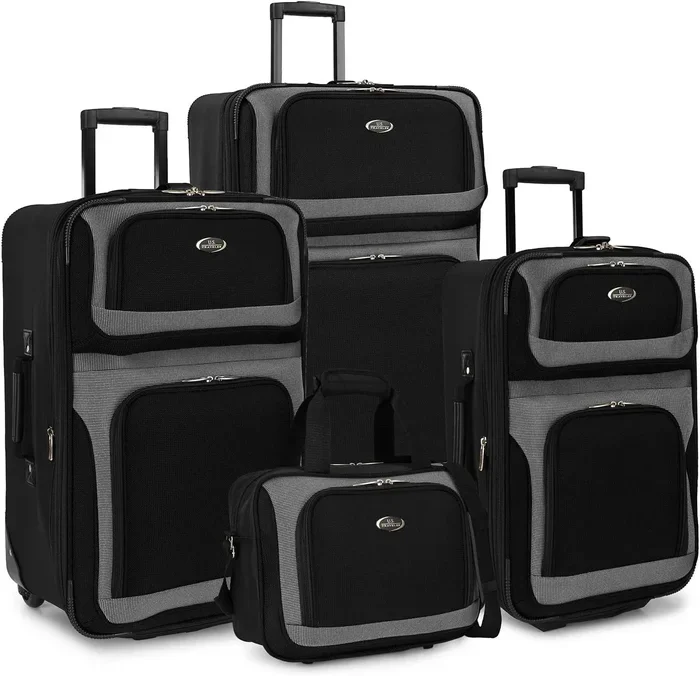
Expert Tips for Getting the Best Deal
- Shop Off‑Season: Major sales hit in January (post‑holiday), May (Memorial Day), and September (Labor Day). Retailers clear inventory before new collections launch.
- Use Price‑Tracking Extensions: Tools like Honey or Capital One Shopping automatically apply coupon codes and alert you when a watched set drops below your target price.
- Check Outlet and Refurbished Sections: Many brands sell “factory seconds” with cosmetic blemishes at 30‑50 % off. The structural integrity is usually intact.
- Bundle with Travel Accessories: Some retailers discount a luggage set when you add a packing cube set or a travel pillow. The combined price often beats buying separately.
- Read Return Policies Carefully: A 30‑day no‑questions‑asked return lets you test the bag on a short trip. Avoid final‑sale clearance items unless you’re certain.
- Leverage Credit Card Benefits: Premium travel cards often provide complimentary baggage insurance and extended warranty coverage, effectively adding value to your purchase.
- Test In‑Store When Possible: Roll the bag on a hard floor, extend the handle fully, and open the expansion zipper. Feel the weight distribution and listen for wheel noise.

Frequently Asked Questions
Q: How do I clean expandable nylon luggage?
A: Spot‑clean with a mild detergent and a soft brush. For deeper cleaning, remove the interior liner (if removable) and hand‑wash in cold water. Air‑dry away from direct heat; never machine‑wash or tumble‑dry.
Q: Can I replace a broken spinner wheel myself?
A: Most mid‑range and premium sets use standardized wheel housings. Replacement wheels are sold by the manufacturer or third‑party sellers. A simple screwdriver is usually enough, but check the warranty—some brands require authorized service to keep coverage valid.
Q: What does “ballistic nylon” actually mean?
A: Ballistic nylon is a high‑tenacity, 2‑ply woven fabric originally developed for military flak jackets. It resists tears, abrasions, and punctures far better than standard nylon, making it ideal for luggage that endures rough handling.
Q: Are expandable bags allowed as carry‑on when expanded?
A: Airlines measure the bag at its largest external dimensions. If the expanded depth pushes the bag over the carrier’s limit, you’ll be forced to check it. Use the expansion only when you’re sure the flight allows the larger size, or keep it compressed for carry‑on.
Q: How many pieces should a family of four buy?
A: A 3‑piece set (carry‑on, medium checked, large checked) plus an extra carry‑on for a child usually covers a week‑long trip. Consider a 4‑piece set if you frequently travel with bulky gear like strollers or sports equipment.
Q: Do soft‑sided bags protect fragile items as well as hard shells?
A: Soft bags absorb impact better but offer less rigid protection. Use padded packing cubes or a dedicated hard‑case insert for electronics and breakables. The expandable compartment can also act as a cushion when partially filled.
Q: What’s the difference between a TSA lock and a regular combination lock?
A: TSA locks have a special keyhole that allows security agents to open and relock the bag without cutting the lock. Regular locks may be cut off during inspection, leaving your bag unsecured.
Q: How long should a good nylon luggage set last?
A: With proper care, a mid‑range set lasts 5‑7 years of regular travel. Premium sets with lifetime warranties can exceed a decade, often only needing wheel or handle replacements.
Our Final Recommendations
- Best for Budget‑Conscious Buyers: Look for a 2‑piece 600D set from a reputable outlet brand. It covers basic carry‑on and checked needs for under $120.
- Best Overall Value: A 3‑piece 1000D ballistic spinner set in the $220‑$260 range. You get four‑wheel mobility, TSA locks, and a 5‑year warranty—ideal for most frequent flyers.
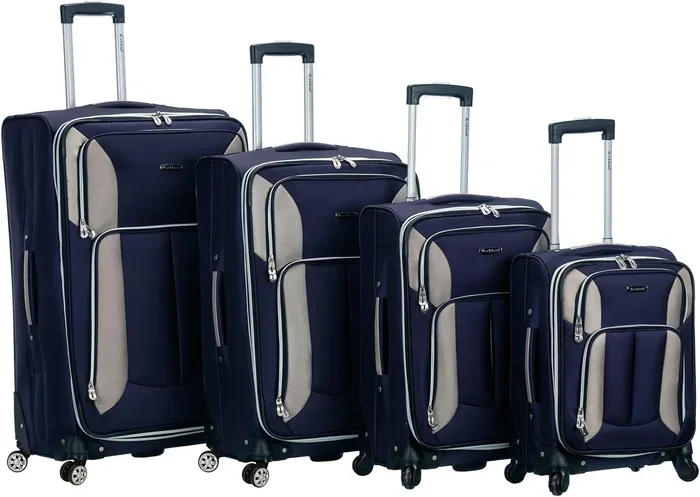
- Best Premium Option: A 4‑piece 1680D expandable set with lifetime warranty, self‑healing zippers, and modular interior. Expect to spend $400‑$480 but enjoy peace of mind for a decade.
- Best for Beginners: Choose a mid‑range 3‑piece set with clear instruction tags and a generous return window. The learning curve is low, and you can upgrade individual pieces later.
- Best for Advanced Users: Invest in a premium 4‑piece set that includes a dedicated laptop sleeve, removable packing cubes, and a built‑in USB charging port (power bank not included). The extra organization pays off on complex itineraries.
Conclusion: Making the Right Choice
Choosing an expandable soft nylon luggage set comes down to matching the bag’s strengths to your travel rhythm. Start by defining how often you fly, what you typically pack, and which airline restrictions you face most. Then use the factor checklist—fabric denier, wheel quality, expansion zipper, handle ergonomics, interior layout, weight, and warranty—to narrow the field. Remember that a modest step up from entry‑level to mid‑range often yields dramatically better durability and comfort without a massive price jump.
Armed with the budget tiers, common pitfalls, and expert timing tips, you’re ready to spot a genuine sale and walk away with a set that will accompany you on countless adventures. Happy travels, and may your next journey be as smooth as the spinner wheels on a well‑chosen bag.