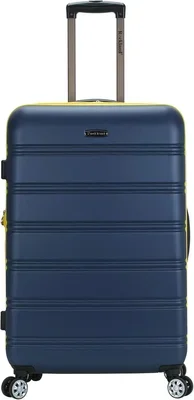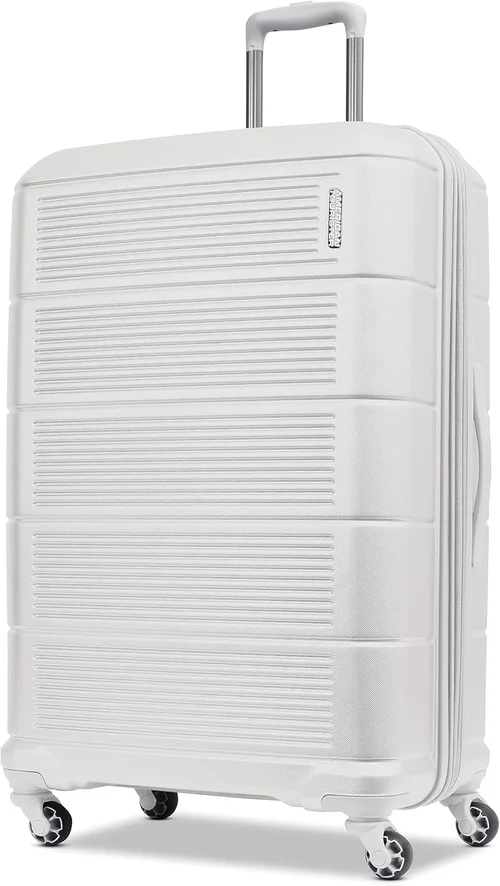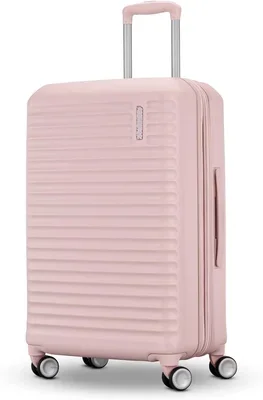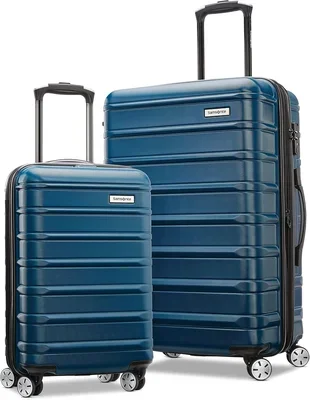
Choosing the right expandable luggage set can feel like navigating a maze of zippers, wheels, and warranty fine print. Whether you are a frequent flyer, a weekend road‑tripper, or a family packing for a summer vacation, the luggage you carry determines how smoothly your journey begins and ends. This guide exists to cut through the marketing noise, translate technical specifications into plain language, and give you a clear decision‑making framework so you can buy with confidence.
In the next sections you will learn which features truly matter, how to compare the major categories on the market, the most common buying pitfalls, realistic budget expectations, insider timing tips, and answers to the questions travelers ask most often. By the end you will have a personalized checklist that matches your travel style, budget, and durability needs — no guesswork required.
The expandable luggage market has exploded in recent years, with brands ranging from heritage names like Samsonite and Travelpro to direct‑to‑consumer upstarts offering lifetime warranties at a fraction of the price. Sales events such as Black Friday, end‑of‑season clearances, and back‑to‑school promotions can shave 30‑50 % off list prices, but only if you know what to look for. This guide will help you spot genuine value versus a flashy discount on a sub‑par product.

What to Look for When Buying Buying Guide
1. Size & Capacity Flexibility
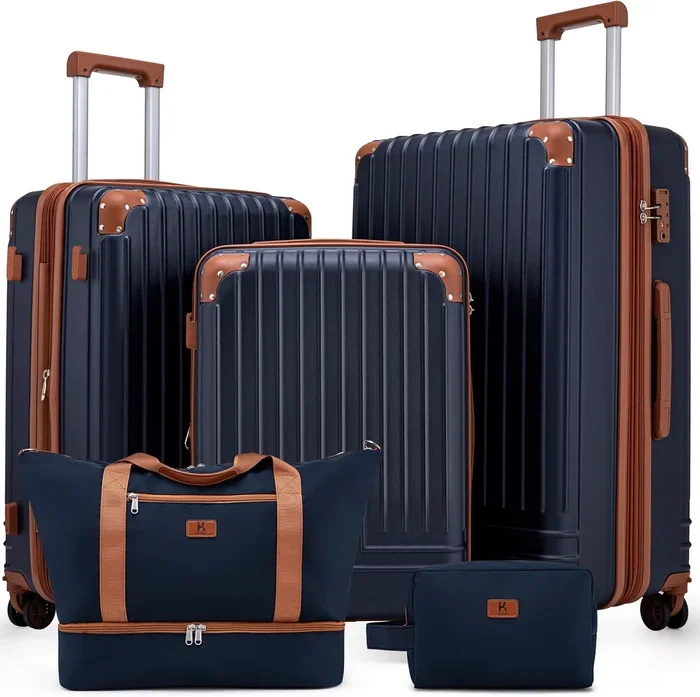
Expandable luggage is defined by its ability to increase interior volume, typically by 15‑25 % via a zippered gusset. The first decision is the baseline size: carry‑on (22‑24 in), medium checked (25‑27 in), and large checked (28‑32 in). A three‑piece set usually covers all three, but some brands sell a two‑piece (carry‑on + medium) or a four‑piece that adds a personal item or toiletry bag. Measure your most common airline’s carry‑on limits (often 22 × 14 × 9 in) and choose a set where the carry‑on fits even when expanded. Remember that expanded dimensions may exceed overhead‑bin allowances, so you may need to check the bag on full flights.
2. Shell Material & Durability
Hard‑shell cases dominate the expandable segment. The two most common polymers are polycarbonate (PC) and polypropylene (PP). Polycarbonate offers a high strength‑to‑weight ratio, excellent impact resistance, and a glossy finish that resists scratches. Polypropylene is slightly heavier but more flexible, which can absorb shocks without cracking. A newer entrant is a PC‑ABS blend that balances cost and toughness. For soft‑shell expandable sets, look for high‑denier ballistic nylon (1680D or higher) with a water‑repellent coating. Reinforced corners, double‑stitched seams, and a protective frame around the zipper track are hallmarks of a bag that survives baggage‑handler abuse.
3. Wheel System & Maneuverability
Four‑wheel spinner systems have become the gold standard because they allow 360‑degree movement, reducing wrist strain. Wheel quality varies: look for polyurethane (PU) wheels with sealed ball bearings — these roll silently over tile, carpet, and cobblestones. Two‑wheel “inline” rollers are still common on larger checked bags; they track better on rough pavement but require tilting. Test the wheel housing for wobble; a loose axle will develop a rattling noise after a few trips. Some premium sets feature “MagnaTrac” or “SilentRun” branded wheels that claim reduced friction — these are marketing terms for higher‑grade PU and precision bearings.
4. Handle Ergonomics & Telescoping Mechanism
A telescopic handle should extend in at least three lock positions to accommodate different user heights. Aluminum alloy tubes are lighter and sturdier than steel, while carbon‑fiber handles appear on ultra‑premium lines. The grip material matters: molded rubber or thermoplastic elastomer (TPE) provides a non‑slip surface even with sweaty palms. Check that the handle locks securely with a audible click and that the release button is recessed to avoid accidental collapse. A secondary top‑carry handle and a side‑carry handle are essential for lifting the bag into overhead bins or car trunks.
5. Expansion Mechanism & Zipper Quality
The expansion gusset is the heart of an expandable set. YKK or SBS brand zippers with self‑healing coils are the industry benchmark. A double‑track zipper (two rows of teeth) distributes stress and reduces the chance of a single tooth failure. The gusset fabric should be reinforced with a nylon tape backing to prevent tearing when the bag is overstuffed. Some brands add a “compression strap” inside the expansion panel that lets you cinch down the extra volume, keeping the bag’s profile slim for storage.
6. Interior Organization & Accessibility
Inside, look for a full‑length divider panel with mesh pockets, a zippered wet/dry compartment, and compression straps that secure clothing. A removable laundry bag or shoe pocket adds versatility. For business travelers, a dedicated laptop sleeve (padded, 15‑inch compatible) that can be accessed without opening the main compartment is a huge time‑saver. Soft‑shell sets often include external quick‑access pockets for boarding passes, passports, or a water bottle — handy when you’re rushing through security.
7. Weight & Airline Weight Limits
Every ounce counts when airlines impose 50 lb (23 kg) checked‑bag limits and 15‑22 lb (7‑10 kg) carry‑on limits. A typical 28‑inch hard‑shell spinner weighs 9‑11 lb empty; a lightweight polycarbonate model can be as low as 7 lb. Soft‑shell bags are generally lighter (5‑7 lb for a medium) but sacrifice impact protection. If you pack heavy items (books, electronics), a lighter bag gives you more payload before hitting the fee threshold. Weigh the empty bag on a bathroom scale before you buy — many retailers list “shipping weight” which includes packaging.
8. Warranty, Repair Network & Brand Reputation
A lifetime limited warranty is common among major brands, but the fine print varies. Some cover only manufacturing defects, while others include “damage from airline handling” for the first year. Check whether the brand has authorized repair centers in your country or offers a mail‑in service with prepaid shipping. Direct‑to‑consumer brands often provide a “no‑questions‑asked” replacement policy for the first 2‑3 years, which can be more valuable than a traditional warranty that requires proof of defect. Read recent customer reviews focusing on warranty claims — real‑world experience tells you more than the marketing brochure.
Different Types of Buying Guide

Common Buying Mistakes to Avoid
❌ Mistake: Ignoring Airline Size Restrictions
Why it’s bad: An expanded carry‑on that exceeds the carrier’s maximum dimensions will be gate‑checked, often incurring a fee and risking damage. What to do instead: Verify the exact linear inch limit for your most‑used airlines and choose a set whose carry‑on stays compliant even when fully expanded, or select a model with a compression strap that locks the expansion panel shut.
❌ Mistake: Choosing the Lightest Bag Without Checking Durability
Why it’s bad: Ultra‑light shells (under 6 lb for a large checked) often use thinner polycarbonate or low‑denier fabric that cracks or tears after a few rough handles. What to do instead: Aim for the “sweet spot” weight — 7‑9 lb for a 28‑inch hard‑shell — which balances payload capacity and structural integrity.
❌ Mistake: Overlooking Wheel Bearing Quality
Why it’s bad: Cheap plastic wheels with plain bearings develop flat spots and squeak within months, turning a smooth glide into a wrestling match. What to do instead: Insist on polyurethane wheels with sealed ball bearings; spin the wheel in‑store — it should rotate freely for several seconds without wobble.
❌ Mistake: Buying a Set Based Solely on Brand Name
Why it’s bad: Heritage brands sometimes license their name to lower‑tier manufacturers, resulting in products that don’t meet the original quality standards. What to do instead: Research the specific model’s reviews, warranty terms, and country of manufacture rather than relying on the logo alone.
❌ Mistake: Skipping the Interior Layout Check
Why it’s bad: A beautiful exterior hides a poorly organized interior — no compression straps, tiny mesh pockets, or a divider that doesn’t reach the bottom. What to do instead: Open the bag fully in the store (or watch unboxing videos) and simulate packing a typical load: shoes, folded shirts, a toiletry kit, and a laptop.
❌ Mistake: Not Testing the Telescoping Handle Under Load
Why it’s bad: Handles that feel solid empty may flex or jam when the bag is packed to 50 lb. What to do instead: Load the bag with 30‑40 lb of weight (e.g., dumbbells) and extend/retract the handle several times; it should move smoothly and lock firmly at each height.
❌ Mistake: Forgetting About Return & Exchange Policies
Why it’s bad: Online purchases during flash sales often have final‑sale restrictions, leaving you stuck with a bag that doesn’t fit your needs. What to do instead: Buy from retailers with a 30‑day no‑questions‑asked return window and free return shipping; keep all tags and packaging until you’ve done a real‑world test pack.
Budget Guidelines: How Much Should You Spend?
Entry‑Level ($120 – $200)
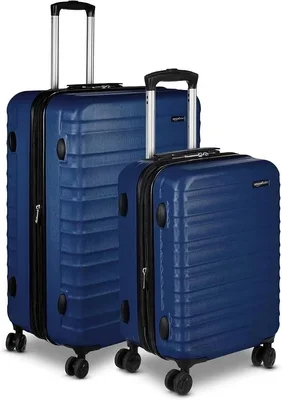
At this tier you’ll find basic three‑piece soft‑shell sets from brands like Amazon Basics, American Tourister, and entry‑level Samsonite lines. Expect polyester fabric (600‑900D), two‑wheel inline rollers on the large bag, and a single‑track expansion zipper. Warranty is usually 2‑3 years limited. These sets are perfectly adequate for occasional leisure travel (2‑3 trips per year) and for travelers who prioritize low upfront cost over longevity.
Mid‑Range ($200 – $400)
This is the sweet spot for most buyers. You’ll see polycarbonate or PC‑ABS hard‑shell spinners with four double‑spinner wheels, YKK double‑track expansion zippers, aluminum telescoping handles, and a 10‑year or limited lifetime warranty. Brands such as Travelpro Maxlite, Delsey Chatelet, and Briggs & Riley Baseline (on sale) sit here. Interior organization includes full dividers, compression straps, and often a removable wet bag. Weight for a 28‑inch spinner typically falls in the 8‑9 lb range.
Premium ($400 – $700)
Premium sets add refined details: MagnaTrac silent wheels, carbon‑fiber handle tubes, TSA‑approved combination locks integrated into the frame, and a “self‑healing” zipper coating. Brands like Rimowa Essential (polycarbonate), Tumi V4, and Victorinox Spectra 2.0 command this price. Warranty often covers airline damage for the first year and includes a global repair network. Weight drops to 6.5‑7.5 lb for a large spinner thanks to advanced shell molding.
Luxury ($700 +)
Luxury luggage leans into materials like anodized aluminum, full‑grain leather accents, and bespoke monogramming. Rimowa Original, Globe‑Trotter, and Louis Vuitton Horizon fall here. While they offer unparalleled aesthetics and concierge‑level service (in‑store repairs, loaner bags), the functional advantage over premium models is marginal for most travelers. Purchase only if brand prestige and design are top priorities.
Expert Tips for Getting the Best Deal
- Time your purchase. The deepest discounts appear during Black Friday/Cyber Monday, post‑holiday clearance (early January), and end‑of‑summer (late August). Retailers also clear inventory before new model launches in March.
- Shop both online and in‑store. Physical stores let you feel the wheel roll, test the handle, and inspect zipper smoothness. Online prices are often lower; use the in‑store experience to decide, then buy online with a price‑match request.
- Leverage loyalty programs. Many department stores and specialty luggage retailers offer 10‑15 % member discounts, free shipping, and extended return windows. Sign up before you shop.
- Check manufacturer refurbished sections. Brands like Travelpro and Briggs & Riley sell factory‑refurbished sets with full warranty at 20‑30 % off. These units have been inspected, repaired, and repackaged.
- Read the warranty fine print before checkout. Some “lifetime” warranties only cover the original purchaser and require registration within 30 days. Register immediately and keep the receipt digitally.
- Use a credit card with purchase protection. Many premium cards extend the manufacturer warranty by an extra year and cover theft or accidental damage for the first 90‑120 days.
- Bundle with accessories. Retailers often throw in a packing cube set, toiletry bag, or luggage tag when you buy a full set — adding $30‑$50 value at no extra cost.
- Test the bag on a short trip before a big vacation. Pack it for a weekend getaway; you’ll discover any handle wobble, zipper snag, or weight distribution issue before you’re stuck at an airport.

Frequently Asked Questions
Q: How much extra space does an expandable zipper really add?
A: Most expandable gussets add 1.5‑2.5 in of depth, translating to roughly 15‑25 % more volume. For a 28‑inch spinner that’s about 4‑6 L of additional packing room — enough for a couple of extra outfits or a bulky jacket.
Q: Can I check an expanded carry‑on?
A: Yes, but the bag’s external dimensions will exceed most airline carry‑on limits, so you must check it at the counter. The expansion panel is designed to be zipped shut for overhead‑bin compliance; if you leave it open, the airline will treat it as oversized luggage.
Q: Are spinner wheels more fragile than inline wheels?
A: Spinner wheels have more moving parts (four casters vs. two fixed wheels) and can be vulnerable to curb impacts. However, high‑quality PU wheels with sealed bearings are rated for 50 km of rolling on rough surfaces. Inline wheels are simpler and slightly more robust on very uneven terrain, but they require tilting the bag.
Q: What does “TSA‑approved lock” mean?
A: A TSA‑approved lock can be opened by Transportation Security Administration agents using a master key without damaging the lock. Most integrated locks on modern luggage are TSA‑compliant; look for the red diamond logo on the lock body.
Q: How do I clean a hard‑shell polycarbonate suitcase?
A: Wipe the exterior with a damp microfiber cloth and mild soap. Avoid abrasive cleaners or solvents (acetone, alcohol) that can dull the finish. For scuff marks, a small amount of non‑gel toothpaste rubbed gently with a soft cloth can restore shine.
Q: Is a lifetime warranty worth the extra cost?
A: If you travel more than four times a year, a lifetime warranty (especially one covering airline damage) can save hundreds in repair or replacement fees. For occasional travelers, a 5‑10 year limited warranty is usually sufficient.
Q: Can I replace wheels myself?
A: Many mid‑range and premium brands sell replacement wheel kits (often $15‑$30 per wheel) and provide instructional videos. Entry‑level bags may have riveted wheels that are not user‑serviceable.
Q: What’s the difference between a “spinner” and a “roller”?
A: A spinner has four 360‑degree rotating casters, allowing you to push the bag upright beside you. A roller (inline) has two fixed wheels and must be tilted and pulled behind you. Spinners reduce wrist strain but can drift on slopes; rollers track straighter on rough pavement.
Q: Should I buy a matching set or mix‑and‑match pieces?
A: Matching sets guarantee consistent wheel/handle feel and color coordination, and they’re often cheaper per piece. Mix‑and‑match lets you tailor sizes (e.g., a 22‑in carry‑on plus a 30‑in checked) but may result in mismatched aesthetics and varying warranty terms.
Q: How do I prevent my luggage from being lost?
A: Use a durable luggage tag with your name, phone, and email (no home address). Add a distinctive ribbon or sticker for quick visual identification. Register your bag’s serial number with the airline’s baggage tracking app if available. Consider a Bluetooth tracker (Tile, AirTag) placed inside a zippered pocket.
Our Final Recommendations
Best for Budget‑Conscious Buyers: Amazon Basics 3‑Piece Soft‑Shell Set — Priced around $130 on sale, it offers 600D polyester, inline wheels on the large bag, and a 3‑year limited warranty. Good for 2‑3 trips per year.
Best Overall Value: Travelpro Maxlite 5 3‑Piece Spinner Set — Frequently discounted to $250‑$280, it delivers polycarbonate‑reinforced corners, MagnaTrac spinner wheels, a 10‑year warranty, and a weight of 7.8 lb for the 28‑in spinner. Hits the sweet spot of durability, weight, and price.
Best Premium Option: Briggs & Riley Baseline Domestic 3‑Piece Set — At $550‑$600 (often on sale near $480), you get a lifetime “no‑questions‑asked” warranty covering airline damage, CX expansion system with compression straps, and a 6.9 lb large spinner. Ideal for road warriors who demand zero‑hassle service.
Best for Beginners: Samsonite Freeform 3‑Piece Hardside Spinner Set — Priced around $300, it features a simple push‑button handle, smooth double‑spinner wheels, and a 10‑year limited warranty. The design is intuitive, and the brand’s global service network makes repairs easy.
Best for Advanced Users: Rimowa Essential Cabin Plus + Check‑In L Set — At $1,200+ (sometimes $950 on sale), you receive ultra‑light polycarbonate shells (4.6 lb carry‑on, 7.2 lb large), precision‑engineered Japanese Hinomoto wheels, and a 5‑year warranty with worldwide repair. The modular interior system lets you configure dividers for camera gear, tech, or clothing.
Conclusion: Making the Right Choice
Selecting an expandable luggage set is ultimately about matching the bag’s capabilities to your travel rhythm. Start by defining the non‑negotiables — size compliance, weight budget, wheel type, and warranty coverage — then layer on the nice‑to‑haves like integrated TSA locks, interior tech sleeves, or aesthetic preferences. Use the comparison table to narrow the category, apply the budget tiers to set a realistic price ceiling, and run through the common‑mistake checklist before you click “buy.”
Remember that a sale price only represents value if the underlying product meets your durability and functionality thresholds. A $150 set that cracks after two trips costs more in frustration and replacement than a $300 set that survives a decade of weekly flights. Trust the data: prioritize wheel bearings, zipper brand, and warranty terms over flashy colors or influencer endorsements.
Armed with this guide, you can walk into any store or browse any site with a clear mental checklist. Test the handle, spin the wheels, zip the expansion panel, and imagine the bag full on a crowded terminal floor. When the bag feels like an extension of your own movement — light, quiet, and secure — you’ve found the right travel companion. Happy packing, and safe journeys!