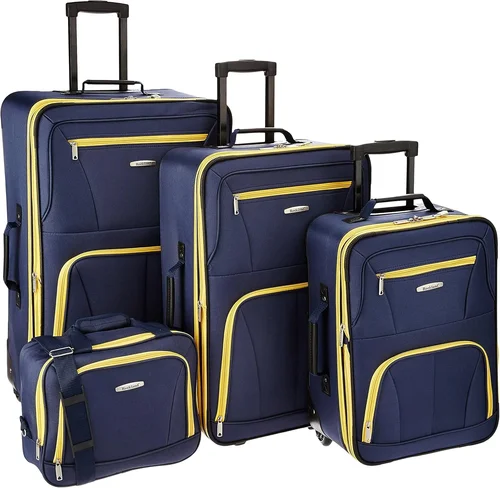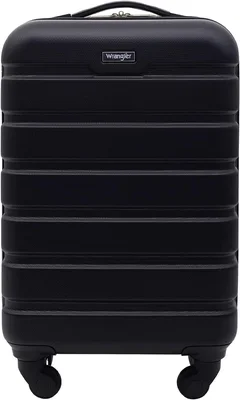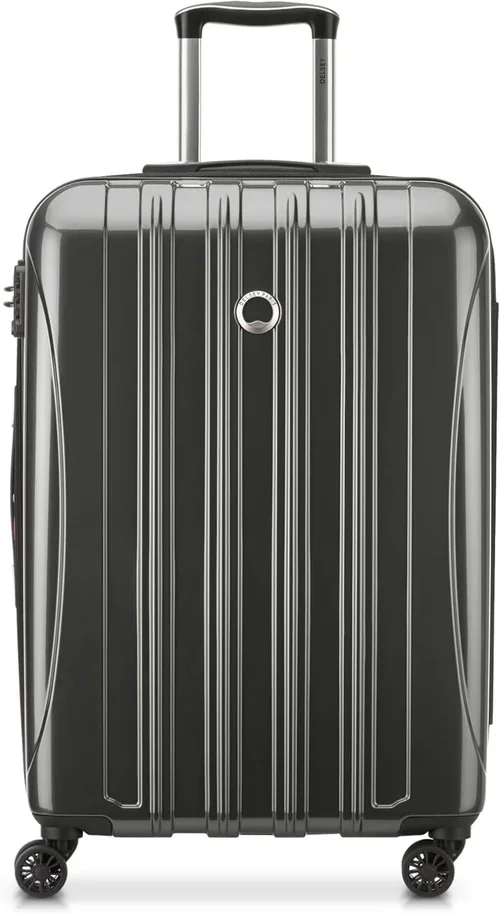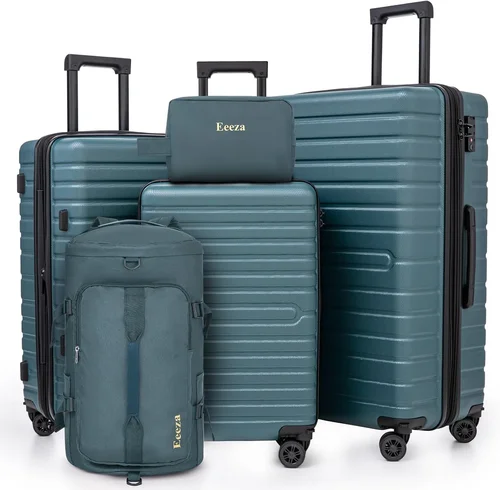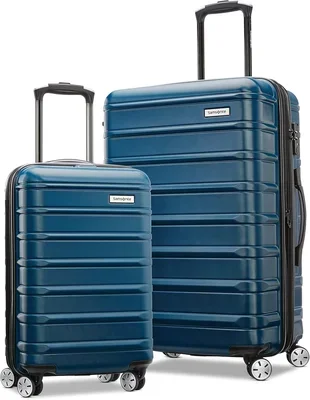
Choosing the right expandable luggage sets can feel like navigating a maze of zippers, wheels, and warranty fine print. Whether you are a frequent flyer, a weekend road‑tripper, or a family planning a once‑in‑a‑lifetime vacation, the luggage you pick becomes the silent partner that either smooths the journey or adds unnecessary stress. This guide is built to cut through the marketing noise and give you a clear, step‑by‑step framework for evaluating every option on the market.
In the next sections you will learn which specifications truly matter, how to translate technical jargon into everyday language, and where the sweet spot lies between price and performance. We’ll compare the major categories of expandable luggage sets, highlight the most common buying pitfalls, and break down realistic budget tiers so you can set expectations before you even open a browser tab. By the end, you’ll have the confidence to pick a set that fits your travel style, lasts for years, and protects your belongings without breaking the bank.
The market for expandable luggage sets has exploded in the last decade, with brands ranging from heritage names like Samsonite and Travelpro to direct‑to‑consumer upstarts that promise premium features at a fraction of the cost. Materials have shifted from heavy ballistic nylon to ultra‑light polycarbonate shells, and expansion mechanisms now include everything from simple zippered gussets to sophisticated accordion‑style frames. Understanding this landscape is the first step toward a purchase you won’t regret.

What to Look for When Buying Buying Guide
1. Size & Capacity
Size is the single most decisive factor because it dictates whether the set complies with airline carry‑on limits, fits in your car trunk, or accommodates a family’s worth of clothing. Most expandable luggage sets come in three standard sizes: a 20‑inch carry‑on, a 24‑inch medium, and a 28‑inch large. The expansion zipper typically adds 1.5 to 2 inches of depth, translating to roughly 15‑25 % extra packing volume. When evaluating size, measure the interior dimensions (length × width × height) rather than relying solely on the external label, because handles, wheels, and corner guards can eat into usable space.
2. Material & Shell Construction
The shell material determines weight, durability, and how the luggage handles impacts. Hard‑shell options usually employ polycarbonate, ABS, or a polycarbonate‑ABS blend. Polycarbonate is the gold standard: it flexes under pressure instead of cracking, keeping weight low (typically 6‑8 lb for a 28‑inch). ABS is cheaper but more brittle. Soft‑shell sets use ballistic nylon, Cordura, or high‑denier polyester. These fabrics resist abrasion and tears, and they often include a water‑repellent coating. Hybrid designs combine a polycarbonate frame with fabric panels for a balance of structure and flexibility.
3. Wheel System & Maneuverability
Four‑wheel spinner systems have become the norm because they allow 360° rotation, letting you glide the bag beside you rather than dragging it. Look for wheels mounted on sealed ball bearings and recessed into the shell to protect them from curb impacts. Wheel diameter matters: 3‑inch wheels handle carpet and cobblestones better than 2‑inch ones. Two‑wheel “inline” models are still preferred by some travelers for stability on rough terrain, but they require tilting the bag to move.
4. Handle Mechanism & Ergonomics
A telescopic handle should lock securely at multiple height settings (usually three) and retract smoothly without wobble. Aluminum or reinforced fiberglass tubes resist bending. The grip material—rubberized, foam, or molded plastic—affects comfort during long walks through terminals. Top‑carry and side‑carry handles should be padded and stitched with reinforced bar‑tack seams; these are the handles you’ll grab when lifting the bag into overhead bins or car roofs.
5. Expansion Mechanism & Zipper Quality
The expansion system is the defining feature of expandable luggage sets. Most use a secondary zipper that opens a hidden gusset. High‑quality sets employ YKK or SBS zippers with self‑healing teeth and a water‑resistant coating. The gusset fabric should be the same denier as the main body to avoid weak points. Some premium models feature an “accordion” frame that expands the entire perimeter, delivering a more uniform volume increase and reducing stress on a single zipper line.
6. Interior Organization & Compartments
Internal layout can make packing and unpacking a breeze or a battle. Look for a full‑length zippered divider, compression straps, and a dedicated mesh pocket for toiletries or electronics. Removable packing cubes or a built‑in garment sleeve add versatility. A lined interior with a soft fabric protects delicate items from the hard shell’s interior ribs.
7. Weight & Airline Compliance
Every pound of luggage weight reduces your payload allowance. A 28‑inch hard‑shell that weighs 9 lb leaves you only 41 lb for contents on a typical 50 lb checked‑bag limit. Ultra‑light models can dip below 6 lb, but they may sacrifice corner reinforcement. Always verify the manufacturer’s stated weight against independent reviews, as marketing numbers sometimes omit wheels and handles.
8. Warranty, Repairability & Brand Support
A robust warranty signals confidence. Lifetime limited warranties that cover zipper, wheel, and handle defects are common among top brands. Check whether the brand offers replacement parts (wheels, handles, zipper pulls) and authorized repair centers. Direct‑to‑consumer brands often provide a 10‑year warranty but may require you to ship the bag to a central depot, adding time and cost.
Different Types of Buying Guide

Common Buying Mistakes to Avoid
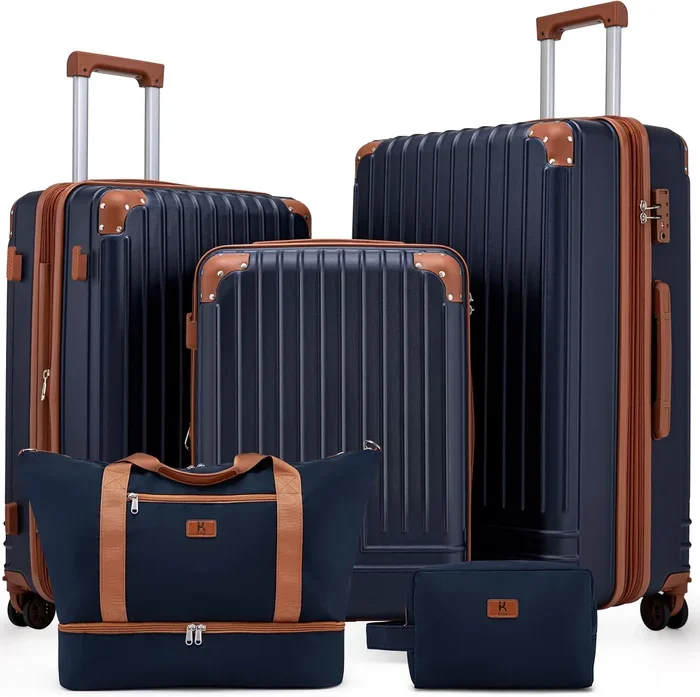
❌ Mistake: Ignoring Airline Size Restrictions
Why it’s bad: Many buyers select a 22‑inch carry‑on that expands to 24 inches, only to discover the airline’s maximum is 21.5 inches. The bag then gets gate‑checked, risking damage and fees.
What to do instead: Verify the exact carry‑on dimensions for every airline you fly regularly. Choose a set whose carry‑on stays compliant even when fully expanded, or plan to check the larger pieces.
❌ Mistake: Prioritizing Aesthetics Over Wheel Quality
Why it’s bad: A beautiful matte finish means little if the wheels seize after two trips. Cheap plastic wheels crack on uneven pavement, forcing you to drag the bag.
What to do instead: Spin the wheels in‑store or watch video reviews that show the bag on carpet, tile, and cobblestones. Look for sealed ball bearings and recessed mounting.
❌ Mistake: Overlooking Zipper Durability
Why it’s bad: The expansion zipper is the most stressed component. A low‑grade zipper can split, leaving the bag unable to close or expand.
What to do instead: Seek YKK or SBS branded zippers with a water‑resistant coating. Test the zipper’s smoothness by opening and closing the expansion gusset several times.
❌ Mistake: Buying a Set Without Considering Weight Distribution
Why it’s bad: A heavy empty bag reduces packing capacity and can exceed weight limits before you even add clothes.
What to do instead: Compare the tare weight of each piece. Aim for a 28‑inch checked bag under 7 lb and a carry‑on under 5 lb.
❌ Mistake: Skipping Warranty Registration
Why it’s bad: Many lifetime warranties require online registration within 30 days. Missing this window voids coverage for wheel or handle failures.
What to do instead: Register the product immediately after purchase. Keep the receipt and a photo of the serial tag.
❌ Mistake: Assuming All “Expandable” Means the Same Volume Gain
Why it’s bad: Expansion depth varies from 1 inch to 3 inches across brands, translating to a 10‑30 % volume difference.
What to do instead: Check the manufacturer’s stated expansion depth and calculate the added liters. Match that to your typical overflow needs.
❌ Mistake: Neglecting Interior Organization Features
Why it’s bad: A cavernous interior without dividers leads to wrinkled clothes and tangled cables.
What to do instead: Look for a full‑length divider, compression straps, and at least one mesh pocket. Removable packing cubes are a bonus.
Budget Guidelines: How Much Should You Spend?
Entry‑Level ($120 – $200)
At this tier you’ll find mostly polypropylene or ABS hard‑shell sets and basic polyester soft‑shells. Expect two‑wheel inline designs, simple zipper expansion, and minimal interior organization. Wheels are often plastic with sleeve bearings. These sets suit occasional vacationers who travel once or twice a year and don’t mind replacing a bag after 3‑4 trips. Warranty coverage is typically limited to 1‑2 years.
Mid‑Range ($200 – $450)
This is the sweet spot for most travelers. You’ll see polycarbonate or polycarbonate‑ABS blends, four‑wheel spinner systems with ball bearings, YKK zippers, and thoughtful interior layouts (dividers, compression straps, mesh pockets). Handles are usually aluminum with multiple lock positions. Brands like Travelpro, Samsonite, and Delsey dominate here, offering 5‑10 year warranties and readily available replacement parts.
Premium ($450 – $800)
Premium sets push material science further: 100 % polycarbonate shells with proprietary impact‑absorbing corners, magnetic compression straps, integrated TSA‑approved locks, and sometimes built‑in USB ports or removable power banks. Wheel assemblies are often double‑ball‑bearing and oversized for silent glide. Interiors feature modular packing cubes, garment sleeves, and RFID‑blocking pockets. Warranties extend to lifetime with global repair networks.
Luxury ($800 +)
Luxury expandable luggage sets enter the realm of aluminum‑frame or carbon‑fiber construction, hand‑stitched leather accents, and bespoke customization (monograms, color combos). Brands such as Rimowa, Tumi, and Briggs & Riley offer near‑indestructible frames, precision‑engineered spinners, and concierge‑level service (door‑to‑door repair pickup). These are investment pieces meant to last decades and often retain resale value.
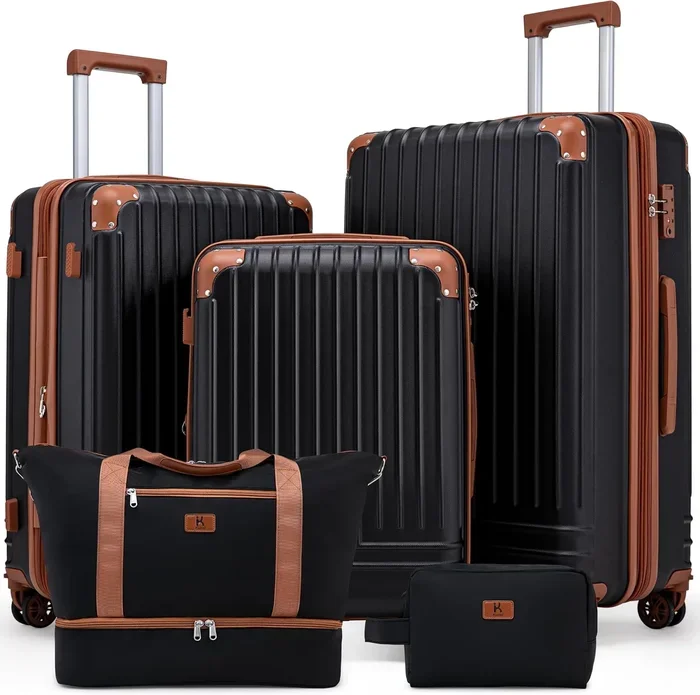
Expert Tips for Getting the Best Deal
- Shop Off‑Season: Major sales occur in January (post‑holiday), May (pre‑summer), and September (back‑to‑school). Retailers clear inventory to make room for new collections.
- Compare Authorized Retailers vs. Direct‑to‑Consumer: Authorized dealers honor manufacturer warranties; unauthorized sellers may void them. Direct brands often offer free shipping and easy returns.
- Use Price‑Tracking Tools: Browser extensions like Honey or CamelCamelCamel alert you when a specific model drops below your target price.
- Check Return Policies Before Buying: A 30‑day no‑questions‑asked return lets you test the bag on a short trip. Some brands charge restocking fees for opened luggage.
- Inspect In‑Store When Possible: Feel the handle lock, spin the wheels, and open the expansion zipper. Online photos can hide stiff zippers or wobbly handles.
- Leverage Credit Card Benefits: Many premium cards provide extended warranty protection and purchase protection that covers damage or theft for the first 90‑120 days.
- Buy Sets, Not Singles: Purchasing a 3‑piece set is typically 15‑25 % cheaper per piece than buying each size separately.
- Consider Refurbished or Open‑Box: Manufacturer‑refurbished units carry the same warranty at 20‑30 % off. Verify the seller’s refurbishment standards.
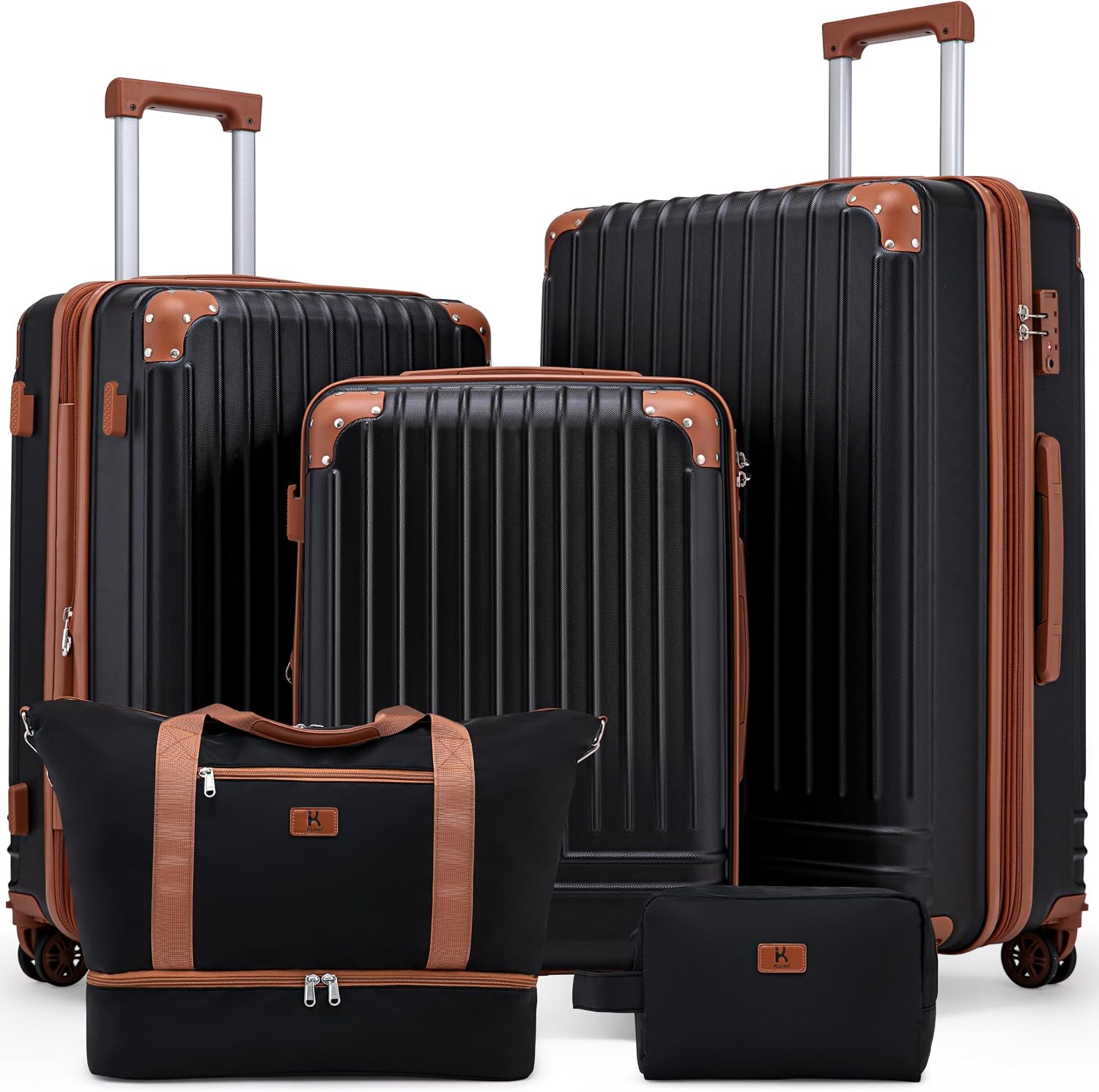
Frequently Asked Questions
Q: How much extra space does an expandable luggage set really give?
A: Most expandable luggage sets add 1.5‑2 inches of depth, which translates to roughly 15‑25 % more volume. For a 28‑inch bag that’s about 8‑12 liters of additional packing room—enough for a few extra outfits or souvenirs.
Q: Are hard‑shell expandable bags less durable than soft‑shell?
A: Not necessarily. High‑quality polycarbonate hard shells flex on impact and resist cracking, while ballistic nylon soft shells resist abrasion and tears. Durability depends more on material grade and construction than on shell type alone.
Q: Can I use the expansion feature on a carry‑on without exceeding airline limits?
A: Only if the expanded dimensions stay within the airline’s maximum. Many carriers allow a 22‑inch carry‑on; expanding to 24 inches will likely cause a gate check. Choose a carry‑on whose expanded size remains compliant.
Q: What is the difference between a spinner and an inline wheel system?
A: Spinner wheels rotate 360°, letting you push the bag upright beside you. Inline wheels are fixed in one direction, requiring you to tilt the bag to roll it. Spinners excel on smooth airport floors; inlines handle rough terrain better.
Q: Do expandable luggage sets come with TSA‑approved locks?
A: Many mid‑range and premium sets include integrated TSA‑approved combination locks. Entry‑level models often have a lockable zipper pull but require a separate padlock.
Q: How do I clean and maintain my expandable luggage?
A: Wipe hard shells with a damp cloth and mild soap. For soft shells, spot‑clean with a fabric cleaner. Lubricate wheel bearings annually with silicone spray. Store bags empty, unzipped, and in a cool dry place to prevent mold.
Q: Is it worth paying extra for a lifetime warranty?
A: If you travel frequently, a lifetime warranty that covers wheels, handles, and zippers can save hundreds in repair costs. Ensure the brand has accessible service centers or a straightforward mail‑in process.
Q: Can I replace a broken wheel myself?
A: Many brands sell replacement wheel kits and provide video tutorials. The process usually requires a Phillips screwdriver and takes 10‑15 minutes. Check the manufacturer’s website for part numbers.
Q: What should I look for in interior organization?
A: A full‑length zippered divider, compression straps, a mesh pocket for toiletries, and a dedicated laptop or tablet sleeve are the most useful features. Removable packing cubes add flexibility.
Our Final Recommendations
- Best for Budget‑Conscious Buyers: AmazonBasics 3‑Piece Polycarbonate Set – Offers solid spinner wheels, decent expansion, and a 3‑year limited warranty under $180.
- Best Overall Value: Travelpro Maxlite 5‑Piece Expandable Set – Lightweight polycarbonate‑ABS blend, smooth 360° spinners, YKK zippers, and a 10‑year warranty around $300.
- Best Premium Option: Samsonite Freeform Hardside 3‑Piece Set – 100 % polycarbonate, double‑ball‑bearing wheels, integrated TSA lock, and lifetime warranty near $550.
- Best for Beginners: Kenneth Cole Reaction 3‑Piece Softside Set – Simple layout, exterior pockets for quick access, and a forgiving price point under $200.
- Best for Advanced Users: Briggs & Riley Baseline Domestic 3‑Piece Set – Ballistic nylon, CX expansion system with 25 % more volume, lifetime “no‑questions‑asked” warranty, priced around $850.
Conclusion: Making the Right Choice
Selecting the perfect expandable luggage sets comes down to matching your travel habits with the right blend of size, material, wheel quality, and warranty coverage. Start by defining the trips you take most often—short business hops, family vacations, or rugged road adventures—then prioritize the factors that matter for those scenarios. Remember that a slightly higher upfront investment in a mid‑range or premium set often pays dividends through fewer repairs, smoother airport navigation, and peace of mind when you’re rushing to a gate.
Use the comparison table, budget tiers, and expert tips in this guide as a checklist when you browse online or walk the aisles of a luggage store. Test the handle, spin the wheels, and open the expansion zipper yourself whenever possible. Register the warranty the moment the box arrives, and keep the receipt in a safe place.
You now have the knowledge to cut through marketing hype and choose a set that will faithfully accompany you on countless journeys. Pack smart, travel light, and enjoy the confidence that comes from knowing your luggage is up to the task. Happy travels!