Choosing the right luggage can feel overwhelming, especially when you are faced with dozens of brands, materials, and feature sets all promising to make your travels smoother. An expandable luggage set is one of the smartest investments a frequent traveler can make because it adapts to your packing needs, whether you are heading out for a weekend getaway or a month-long adventure. This guide is designed to cut through the marketing noise and give you the practical knowledge you need to pick a set that will last for years.
In the following sections, we will walk through every critical factor you should evaluate before spending your money. We will explain technical terms like denier count and spinner wheel configurations in plain English, compare the different categories of sets on the market, and highlight the common pitfalls that lead to buyer’s remorse. By the end, you will have a clear framework for deciding how much to spend, which features actually matter for your travel style, and how to spot a genuine deal versus a clever upsell.
The luggage market today is split between budget-friendly basics, mid-range workhorses, and premium luxury lines. Each tier has distinct trade-offs in durability, weight, warranty coverage, and organizational features. Understanding where your needs fit within that spectrum is the first step to making a confident purchase. Let’s dive in and start building your perfect travel arsenal.

What to Look for When Buying Expandable Luggage Set
1. Size Configuration and Airline Compliance
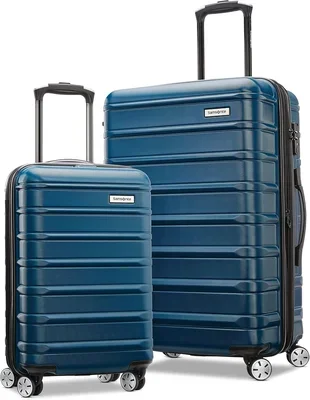
The very first thing to examine is the size mix included in the set. Most expandable luggage sets come in two-piece or three-piece configurations, typically pairing a carry-on (20 to 22 inches) with a medium checked bag (24 to 26 inches) and sometimes a large checked bag (28 to 30 inches). You need to match these dimensions to the airlines you fly most often. Domestic carriers in the United States generally allow a carry-on up to 22 x 14 x 9 inches including wheels and handles, while international carriers can be stricter, sometimes limiting you to 21.5 x 13.5 x 7.5 inches. If you frequently fly budget airlines in Europe or Asia, a slightly smaller carry-on around 20 inches is a safer bet.
Expandability adds roughly 1.5 to 2.5 inches of depth when the zipper is opened, which is fantastic for bringing home souvenirs but can push a carry-on over the limit. Always measure the expanded dimensions and decide if you will realistically use that extra space as a checked bag only. A pro move is to look for sets where the carry-on expands but still fits within the sizer when compressed, giving you flexibility without risking a gate check fee.
2. Shell Material: Hardside vs. Softside
The material of the shell dictates weight, durability, water resistance, and even how the bag looks after a few trips. Hardside luggage is usually made from polycarbonate, ABS, or a blend of both. Polycarbonate is the gold standard because it flexes under impact rather than cracking, making it ideal for checked bags that get tossed onto conveyor belts. ABS is cheaper but more brittle; it is fine for occasional leisure travel but not for heavy-duty use. A polycarbonate-ABS blend tries to split the difference, offering decent impact resistance at a lower price point.
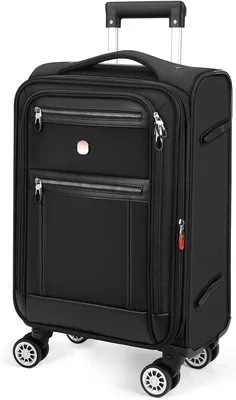
Softside luggage uses woven nylon or polyester fabrics rated by denier (a measure of fiber thickness). Ballistic nylon (typically 1680D) is exceptionally abrasion-resistant and was originally developed for military flak jackets. Cordura is another high-performance fabric known for tear strength. Standard polyester (600D to 1200D) is lighter and less expensive but shows wear faster. Softside bags often have exterior pockets for quick access to travel documents or a water bottle, and they can squeeze into tight overhead bins more easily than rigid hardshells.
3. Wheel System: Spinner vs. Inline Skate Wheels
Wheels are the single biggest factor in how a bag feels when you are rushing through a terminal. Four-wheel spinners rotate 360 degrees, letting you push the bag beside you or glide it down narrow airplane aisles without tilting. Look for double-spinner wheels (eight wheels total) because they distribute weight better and are more stable on uneven pavement. The wheels should be recessed into the body of the bag; protruding wheels are prone to snapping off if the bag is dropped or crushed.
Two-wheel inline skate wheels are larger in diameter and handle rough surfaces like cobblestones or gravel paths better than small spinners. They also tend to be more durable because the wheel housing is simpler. However, you must tilt the bag and pull it behind you, which can strain your wrist over long distances. If your travel involves mostly smooth airport floors and hotel lobbies, spinners win. If you frequently navigate uneven sidewalks, train platforms, or dirt roads, two-wheelers are more reliable.
4. Handle System: Telescoping Mechanism and Grip Comfort
A telescoping handle should lock securely at multiple heights so travelers of different statures can roll the bag without stooping or hitting their heels. Aluminum alloy tubes are lighter and stronger than steel, and a double-tube design (two parallel poles) resists twisting better than a single tube. Test the button release; it should operate smoothly with one thumb and not require two hands or excessive force.
Top and side carry handles are equally important. They need thick, padded grips with reinforced stitching at the attachment points. A handle that tears off when you hoist a 50-pound bag into a trunk is a design failure. Some premium sets feature a bottom grip handle as well, which makes lifting the bag onto a luggage rack or carousel significantly easier.
5. Expandability Mechanism and Gusset Quality
The expandable zipper is the heart of this product category. You want a heavy-duty YKK or similar brand zipper with large teeth that won’t separate under stress. The expansion gusset (the extra fabric panel that unfolds) should be made from the same high-denier material as the main body, not a thin mesh that will rip the first time you overpack. Look for a gusset that adds at least 1.5 inches of depth; some premium models offer up to 2.5 inches, effectively increasing capacity by 20 to 25 percent.
When the bag is not expanded, the gusset should lie flat and not create bulges that catch on conveyor belts. A well-designed expansion zipper often has a secondary security zipper or a Velcro flap covering the teeth, which adds a layer of tamper resistance and keeps the expansion panel from accidentally unzipping during transit.
6. Interior Organization and Compression Straps
Open the bag and evaluate the layout. A full-length zippered divider panel separates the two halves, keeping clean clothes away from shoes or dirty laundry. Multiple mesh zip pockets on the divider are perfect for underwear, socks, chargers, and toiletries. Compression straps (ideally two per compartment) cinch down clothing to minimize wrinkles and prevent items from shifting, which also helps the bag maintain its shape when expanded.
Some sets include a removable wet/dry pocket or a dedicated laptop sleeve in the carry-on. If you travel with electronics, a padded laptop compartment that meets TSA checkpoint-friendly design (lies flat when unzipped) can save you time at security. For checked bags, a built-in garment folder or suiter system is a huge plus for business travelers who need to keep suits or dresses wrinkle-free.
7. Weight and Packing Capacity
Every ounce of luggage weight eats into your airline weight allowance. Most airlines limit checked bags to 50 pounds (23 kg) for economy class. A large hardside spinner can weigh 9 to 11 pounds empty, leaving you only 39 to 41 pounds for your belongings. Softside bags are often 2 to 3 pounds lighter for the same volume. Check the manufacturer’s listed weight and verify it with independent reviews, as specs are sometimes optimistic.
Capacity is measured in liters. A 22-inch carry-on typically holds 35 to 40 liters; a 25-inch medium checked holds 65 to 75 liters; a 29-inch large checked holds 95 to 110 liters. Expandability adds roughly 5 to 10 liters per bag. Match capacity to your trip length: a weekend trip needs 35 to 40 liters, a week needs 60 to 75 liters, and two weeks or more often requires the large checked bag plus a carry-on.
8. Warranty, Brand Support, and Repairability
A warranty tells you how much the manufacturer trusts its own product. Limited lifetime warranties (covering defects in materials and workmanship for the life of the product) are standard from reputable brands like Travelpro, Briggs & Riley, and Osprey. Read the fine print: some exclude wheels, handles, or zippers after a certain period, or they require you to pay shipping both ways for repairs. Briggs & Riley stands out with a truly unconditional lifetime warranty that even covers airline damage.
Check if the brand has authorized repair centers or offers replacement parts (wheels, handle tubes, zipper pulls) for sale. Being able to replace a $15 wheel instead of buying a $300 bag is a massive long-term value. Also, consider customer service responsiveness; a quick search for “[Brand] warranty claim experience” on forums like Reddit or FlyerTalk will reveal real-world reliability.
Different Types of Expandable Luggage Set

Common Buying Mistakes to Avoid
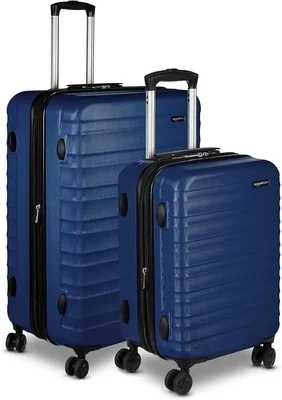
❌ Mistake: Buying Based Solely on Price
Why it’s bad: A $120 three-piece set from a big-box store often uses thin ABS plastic, single-tube handles, and cheap wheels that fail within a few trips. You end up replacing it sooner, spending more in the long run.
What to do instead: Set a realistic budget (see the Budget Breakdown section) and aim for the best quality within that range. A $250 mid-range set from a reputable brand will typically outlast three budget sets.
❌ Mistake: Ignoring Airline Size Restrictions
Why it’s bad: Many “carry-on” bags in sets are actually 23 or 24 inches tall including wheels, which exceeds the 22-inch limit on most US domestic flights and is definitely too big for European budget carriers. You risk forced gate checks and fees of $35 to $75 per bag.
What to do instead: Measure the external dimensions yourself (or trust verified reviewer measurements) and compare them to your most-flown airlines’ published limits. When in doubt, size down.
❌ Mistake: Overlooking Weight of the Empty Bag
Why it’s bad: A beautiful 11-pound hardside large checked bag leaves you only 39 pounds for contents on a 50-pound limit. If you pack heavy items (shoes, books, gifts), you will hit overweight fees fast.
What to do instead: Prioritize lightweight materials (polycarbonate over ABS, high-denier nylon over heavy polyester). Target a carry-on under 7 pounds and a large checked under 9 pounds if possible.
❌ Mistake: Assuming All Spinner Wheels Are Equal
Why it’s bad: Cheap single-spinner wheels wobble, catch on cracks, and snap off. They also lack brakes, so the bag rolls away on inclined surfaces.
What to do instead: Insist on double-spinner wheels (eight wheels total) with sealed ball bearings. Test the bag in-store: push it straight, turn it sharply, and tilt it. It should track straight without fishtailing.
❌ Mistake: Neglecting Interior Organization Features
Why it’s bad: A cavernous empty shell leads to a jumbled mess. Clothes wrinkle, liquids leak onto electronics, and you waste time digging for items.
What to do instead: Look for a full zippered divider, multiple mesh pockets, compression straps, and a dedicated wet pocket. If the set lacks these, budget for packing cubes to add organization yourself.
❌ Mistake: Skipping Warranty Registration and Documentation
Why it’s bad: Many lifetime warranties require online registration within 30 to 90 days of purchase. Without it, you may only get a one-year limited warranty. Also, keep the receipt; some brands won’t honor claims without proof of purchase.
What to do instead: Register the product immediately upon arrival. Take photos of the receipt and the warranty card. Store digital copies in your email or cloud storage.
❌ Mistake: Choosing Style Over Substance
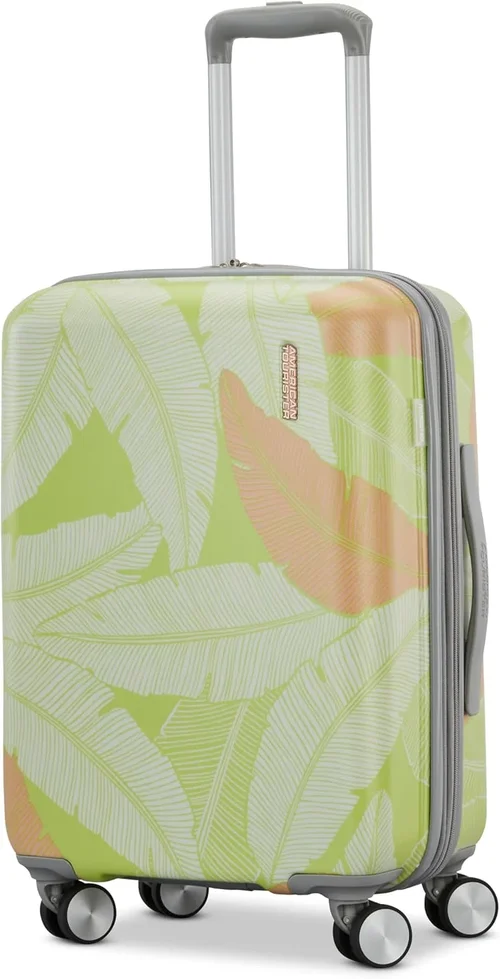
Why it’s bad: Trendy colors, patterned fabrics, or ultra-slim profiles often sacrifice durability, wheel quality, or interior space. A scratched, faded bag after two trips looks worse than a classic black workhorse after ten.
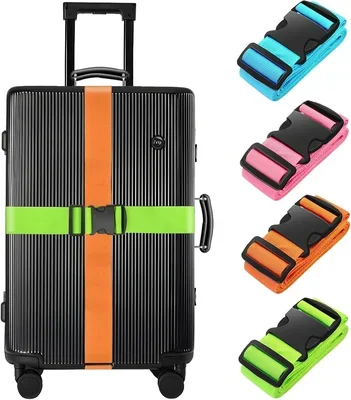
What to do instead: Pick a timeless color (black, navy, graphite, olive) and a design focused on function. Add a distinctive luggage tag or colorful strap for easy identification on the carousel.
Budget Guidelines: How Much Should You Spend?
Entry-Level ($100 – $200 for a 3-piece set)
At this price point, you are looking at mostly ABS hardshells or 600D-900D polyester softside sets. Wheels will likely be single spinners or basic inline wheels with plastic hubs. Handles are often single-tube steel. Zippers are generic, not YKK. These sets are fine for occasional leisure travelers (1-2 trips per year) who pack light and don’t check bags often. Expect a lifespan of 2 to 4 years with careful use. Brands in this tier include Amazon Basics, Rockland, and Merax.
Mid-Range ($200 – $400 for a 3-piece set)
This is the sweet spot for most travelers. You get polycarbonate or polycarbonate-ABS blend hardshells, or 1200D-1680D ballistic nylon softside. Double-spinner wheels with sealed bearings become standard. Telescoping handles are double-tube aluminum. YKK zippers are common. Warranties extend to 5-10 years or limited lifetime. These sets handle 4-6 trips per year easily and last 5-10 years. Key players: Travelpro (Platinum Elite, Maxlite), Samsonite (Freeform, Winfield), Delsey (Chatelet, Helium), American Tourister (Stratum, Belle Voyage).
Premium ($400 – $700 for a 3-piece set)
Premium sets feature 100% virgin polycarbonate (often Makrolon or Bayer sourced), precision-molded corners, and advanced wheel systems like Hinomoto Lisof silent-run wheels. Softside options use Cordura or 1680D ballistic nylon with Teflon coating. Interiors are fully lined with premium fabrics, multiple organization panels, and often include suiter systems or removable packing cubes. Warranties are typically unconditional lifetime (Briggs & Riley, Tumi, Rimowa Essential). These are built for weekly business travelers or heavy international adventurers. Expect 10-15+ years of service.
Luxury ($700+ for a 3-piece set)
Luxury luggage enters the realm of status objects and heirloom quality. Materials include aluminum-magnesium alloys (Rimowa Original, Tumi Alpha 3), full-grain leather accents, and proprietary composites. Wheels are engineered for whisper-quiet operation. Craftsmanship includes hand-stitched handles, custom hardware, and serial-numbered limited editions. Warranties are comprehensive with white-glove repair service. Buyers here value brand heritage, resale value, and aesthetics as much as function. Lifespan can be decades with proper care.
Expert Tips for Getting the Best Deal
- Time your purchase: The best sales happen in January (post-holiday clearance), May (pre-summer travel season), July (Amazon Prime Day), and November (Black Friday/Cyber Monday). Luggage is often 20-40% off during these windows.
- Shop outlet stores and authorized online outlets: Brands like Travelpro, Briggs & Riley, and Tumi have official outlet sites selling overstock or previous-season colors at 30-50% off with full warranty.
- Consider open-box or refurbished: Retailers like Nordstrom Rack, Sierra, and Backcountry often carry returned luggage in like-new condition at steep discounts. Verify the warranty still applies.
- Use price tracking tools: CamelCamelCamel for Amazon, Honey, or Capital One Shopping can alert you when a specific model drops to your target price.
- Bundle with packing cubes: Some brands (e.g., Eagle Creek, Away) offer bundle deals where adding a packing cube set costs only $10-20 more. This saves you a separate purchase.
- Check credit card benefits: Premium travel cards (Chase Sapphire Reserve, Amex Platinum, Capital One Venture X) often provide statement credits for luggage purchases or extended warranty protection that doubles the manufacturer’s coverage.
- Test in person before buying online: Visit a department store or luggage specialty shop to roll the exact model you want. Check handle height, wheel smoothness, zipper action, and interior layout. Then buy online at the best price.
- Read the return policy carefully: Ensure you can return the set after a test pack at home. Some retailers charge restocking fees for luggage or require original packaging. Amazon and Zappos generally offer free returns.

Frequently Asked Questions
Q: What does “expandable” actually mean in terms of extra capacity?
A: Expandable luggage features a zippered gusset (an extra panel of fabric or shell) that, when unzipped, increases the depth of the bag by typically 1.5 to 2.5 inches. This translates to roughly 15-25% more packing volume. For a 25-inch checked bag, that’s an extra 5-10 liters, enough for a few extra outfits or souvenirs.
Q: Can I use an expanded carry-on as a carry-on?
A: Usually not. Once expanded, the bag will exceed the airline’s maximum carry-on dimensions. Use the expansion feature only when you plan to check the bag, or ensure the expanded dimensions still fall within your airline’s specific limits (rare). Always compress the bag before reaching the gate.
Q: Are spinner wheels or two wheels better for durability?
A: Two-wheel inline skate wheels are generally more durable because they have fewer moving parts, larger diameter, and are recessed deeper into the bag. However, high-quality double-spinner wheels (eight wheels) from brands like Hinomoto or Travelpro’s MagnaTrac are extremely robust and handle 90% of travel scenarios beautifully. Avoid cheap single-spinner wheels.
Q: How do I clean and maintain my luggage?
A: For hardside: wipe with a damp cloth and mild soap; avoid harsh chemicals that can damage the finish. For softside: spot clean with a fabric cleaner or mild detergent; brush off dirt. Lubricate wheel bearings annually with a drop of light machine oil. Store bags nested inside each other in a cool, dry place.
Q: What is the difference between polycarbonate and ABS?
A: Polycarbonate is a high-performance thermoplastic that flexes under impact and returns to shape, making it highly crack-resistant. ABS is a cheaper, more rigid plastic that is prone to cracking on hard impacts. Polycarbonate-ABS blends offer a middle ground. For checked luggage, pure polycarbonate or a high-percentage blend is worth the extra cost.
Q: Do I need a TSA lock if the bag has zipper pulls that accept a padlock?
A: Yes. If you use a non-TSA padlock, security agents in the US (and many other countries) have the authority to cut it off to inspect your bag. TSA-accepted locks have a special keyway that allows agents to open and relock them. Many modern bags come with built-in TSA combination locks integrated into the zipper pulls.
Q: How many pieces should I get in a set?
A: A 2-piece set (carry-on + medium checked) covers 90% of trips for solo travelers or couples. A 3-piece set adds a large checked bag for family trips, long stays, or bringing back bulky items. If you rarely check bags, a 2-piece set saves money and storage space at home.
Q: Can I replace wheels or handles myself?
A: On many mid-range and premium bags, yes. Brands like Travelpro, Briggs & Riley, and Osprey sell replacement wheel kits and handle assemblies. It usually requires a Phillips screwdriver and 15 minutes. On budget bags, parts are often riveted or not available, making repair impossible.
Q: What is the best way to pack an expandable bag to avoid wrinkles?
A: Use the compression straps to secure clothing flat. Roll casual items (t-shirts, jeans) and fold structured items (blazers, dress shirts) on top. Place heavier items (shoes, toiletries) at the wheel end for better balance. Use packing cubes to compartmentalize and compress further.
Q: Are expensive luggage brands like Rimowa or Tumi worth the money?
A: If you travel weekly for business and value status, aesthetics, and an unconditional lifetime warranty with rapid repair service, yes. For the average traveler taking 2-4 trips a year, a $300-$400 mid-range set delivers 90% of the performance for half the price. Diminishing returns set in above $500.
Our Final Recommendations
Best for Budget-Conscious Buyers: Travelpro Maxlite 5 Softside 3-Piece Set. It weighs under 6 pounds for the carry-on, uses durable 1200D polyester, has smooth double-spinner wheels, and carries a limited lifetime warranty. Often found under $250 on sale.
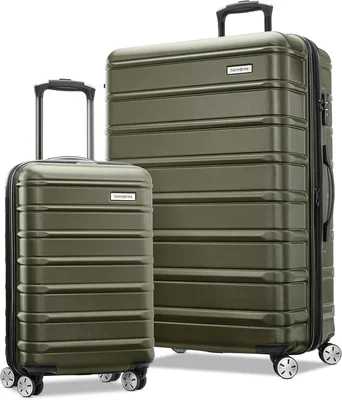
Best Overall Value: Samsonite Freeform Hardside 3-Piece Set. 100% polycarbonate shell, double-spinner wheels, TSA lock, and a 10-year limited warranty. Regularly priced around $300-$350, it balances durability, weight, and price better than almost anything else.
Best Premium Option: Briggs & Riley Baseline Domestic 3-Piece Set. Ballistic nylon exterior, CX expansion system (expands 25% then compresses back flat), lifetime warranty that covers airline damage, and superb organization. Pricey at $600-$700, but likely the last set you’ll ever buy.
Best for Beginners: American Tourister Stratum XLT 3-Piece Set. Lightweight hardside, simple interior, reliable spinner wheels, and a 10-year warranty. Under $200 frequently. Great for learning what features you value before upgrading.
Best for Advanced Users / Heavy Travelers: Travelpro Platinum Elite 3-Piece Set. PrecisionGlide wheels, PowerScope handle with Contour Grip, high-density nylon fabric with DuraGuard coating, and a dedicated wet pocket. Designed for crew members and road warriors; priced $500-$600.
Conclusion: Making the Right Choice
Buying an expandable luggage set is ultimately about matching the gear to your travel reality. If you fly once a year for vacation, a lightweight mid-range hardside set will serve you beautifully for a decade. If you are on a plane every week, investing in a premium ballistic nylon system with a no-questions-asked warranty will save you money and headaches over time. The key is to prioritize the factors that affect you most: airline size compliance, weight, wheel quality, and warranty support.
Don’t be swayed by flashy features you’ll never use (built-in scales, USB ports, GPS trackers) if they come at the expense of core durability. Focus on the fundamentals: a shell that resists cracking, wheels that roll straight, a handle that doesn’t wobble, and a company that stands behind its product. Use the budget tiers as a guide, but always read recent verified buyer reviews for the specific model you’re considering — manufacturing runs change.
You now have the knowledge to walk into any store or browse any website with confidence. Measure your needs, set your budget, and pick the set that makes packing feel like the start of an adventure, not a chore. Safe travels, and may your wheels always roll smooth.