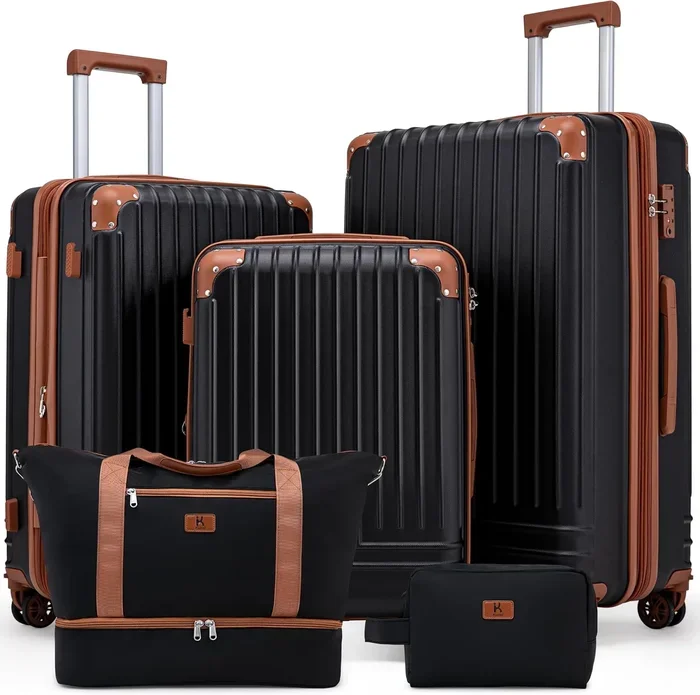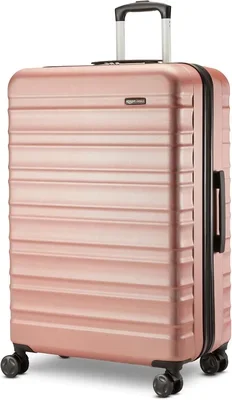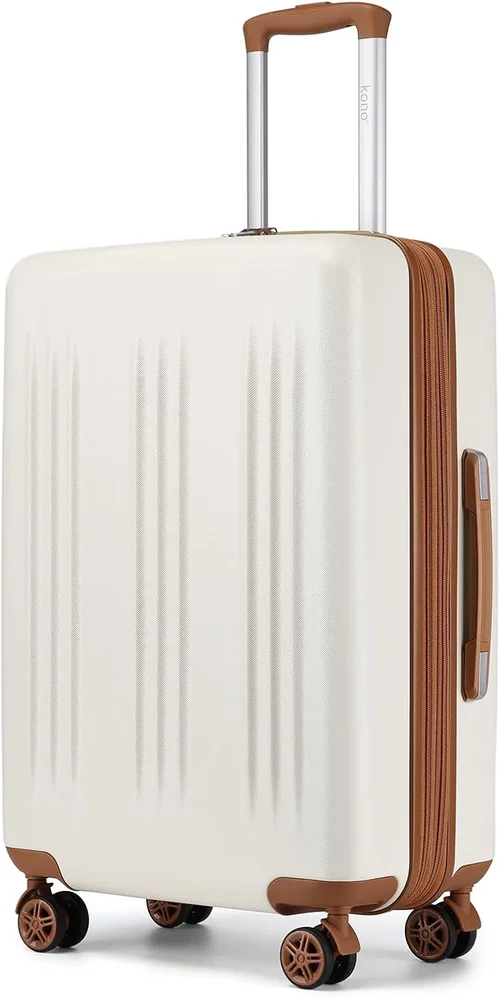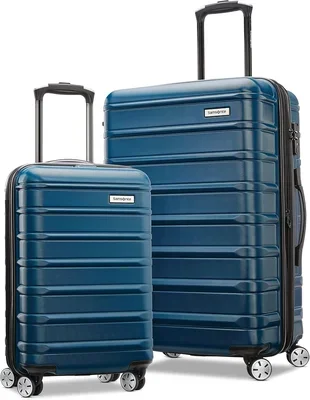
Buying an expandable luggage set of two can feel overwhelming when you first start looking. There are dozens of brands, a wide range of prices, and a laundry list of features that all sound important. But here is the good news: you don’t need to be a luggage expert to make a smart purchase. You just need to know which factors actually matter for your travel style. This guide is designed to cut through the marketing noise and give you a clear framework for evaluating any two-piece expandable set on the market today.
Over the next several sections, we will walk through the critical decision points in order of priority. We will start with the fundamentals like size compliance and durability, move into the nuances of wheel systems and handle ergonomics, and finish with budget strategy and expert buying tips. Whether you are a weekend warrior looking for a carry-on and a checked bag combo, or a frequent flyer who needs maximum packing flexibility, this guide will help you match the right set to your real-world needs.
The market for expandable luggage sets has matured significantly in recent years. You will find everything from budget-friendly polyester sets under $150 to premium polycarbonate hardside collections pushing $600. The expandable feature itself—usually a zippered gusset that adds 1.5 to 2.5 inches of packing depth—has become standard, but the quality of that expansion mechanism varies wildly. By the end of this article, you will know exactly what to look for, what to avoid, and how to get the best value for your money.

What to Look for When Buying Expandable Luggage Set of 2
1. Size Compliance and Airline Restrictions
The very first thing you must verify is whether the dimensions of the set match the airlines you fly most often. A two-piece set typically includes a carry-on (around 21-22 inches) and a medium or large checked bag (25-29 inches). However, “carry-on” is not a universal standard. Major U.S. domestic carriers like Delta, United, and American generally allow 22 x 14 x 9 inches including wheels and handles. International carriers and budget airlines often enforce stricter limits, sometimes as low as 21.5 x 13.5 x 7.5 inches.
When a bag is labeled “expandable,” the listed dimensions usually refer to its non-expanded state. You need to check the expanded dimensions as well. If you expand your carry-on, it will almost certainly exceed overhead bin limits. That is fine if you plan to check it at the gate, but it defeats the purpose of a carry-on. For the checked piece, expansion is a huge asset for return trips when you have souvenirs or dirty laundry. Make sure the expanded depth still falls within the 62 linear inch limit (length + width + height) for standard checked baggage to avoid oversize fees.
2. Shell Material: Hardside vs. Softside
This is the biggest fork in the road. Hardside luggage, typically made from polycarbonate, ABS, or a composite blend, offers superior protection for fragile items and better water resistance. Polycarbonate is the gold standard—it flexes under impact rather than cracking, and it is lighter than ABS. If you see “100% polycarbonate” in the specs, that is a strong durability signal. ABS is cheaper but more brittle; it is fine for occasional travel but may crack after a few rough baggage handler encounters.
Softside luggage, usually made from ballistic nylon, Cordura, or high-denier polyester, offers external pockets for quick access to travel documents, liquids, or a laptop. It also has a little “give,” allowing you to squeeze it into tight overhead bins or overstuffed car trunks. The trade-off is less protection for breakables and potential water absorption in heavy rain. For a two-piece set, many travelers prefer a hardside checked bag for durability and a softside carry-on for the external pockets and flexibility.
Hybrid sets exist—hardside with a softside front pocket—but they often add weight and complexity. If you choose a softside set, look for a denier rating of at least 1200D (denier measures fabric thickness). Ballistic nylon (1680D) is the toughest commonly available fabric. For hardside, a textured or matte finish hides scratches better than high-gloss finishes.
3. Wheel System: Spinner vs. Inline Skate Wheels
Four-wheel spinners (360-degree rotation) are now the dominant design, and for good reason. They allow you to push the bag beside you rather than dragging it behind, reducing wrist and shoulder strain. However, not all spinners are created equal. Look for double wheels (two wheels per corner, eight total). Double wheels distribute weight better, roll smoother over cracks and carpet, and are far more durable than single wheels. Single-wheel spinners tend to wobble when fully loaded and snap off more easily.
Inline skate wheels (two fixed wheels) are still found on some softside bags and premium brands like Briggs & Riley. They are recessed into the body, protecting them from impacts, and they roll exceptionally well on rough pavement, cobblestones, and curbs. The downside: you must tilt and pull the bag, which puts more torque on your wrist. If you have any shoulder or wrist issues, spinners are the clear winner. If you frequently travel on uneven terrain (European cobblestones, dirt paths), high-quality inline wheels can actually be more reliable.
Check the wheel housing. Recessed wheels are protected by the shell itself. Protruding wheels are vulnerable to snapping off if the bag is dropped or crushed. Spin the wheels in the store (or watch video reviews) – they should rotate freely with no grinding noise and continue spinning for several seconds after a flick.
4. Handle System: Telescoping Mechanism and Grip Comfort
The telescoping handle (often called the trolley handle) is your primary interface with the bag. A good handle locks securely at multiple heights (usually three stops) to accommodate different user heights. It should extend and retract with a smooth, positive click—not a sticky, grinding motion. Cheap handles use thin aluminum tubes that bend if you lean on the bag; premium handles use thicker aircraft-grade aluminum or steel with reinforced joints.
The grip material matters more than you might think. Hard plastic grips become slippery with sweaty hands. Look for contoured rubber, gel, or leather-wrapped grips. Some premium sets feature a “comfort grip” that is wider and padded. Also, check the top carry handle and side carry handle. They should be padded and securely riveted or stitched. On a heavy checked bag, you will be lifting it by the top handle into overhead bins or onto scales; a thin, unpadded handle digs into your fingers painfully.
One often overlooked detail: the handle lock button. It should be recessed or flush so it doesn’t get accidentally depressed when stacking bags or during transit. A protruding button can release the handle unexpectedly, causing the bag to topple.
5. Expansion Mechanism: Gusset Quality and Zipper Durability
Since the defining feature of this purchase is expandability, you need to scrutinize the expansion gusset. This is the folded panel of fabric (softside) or the zippered gap between shell halves (hardside) that opens to add volume. On softside bags, the gusset should be made of the same high-denier fabric as the main body, not a thin mesh that will tear. The expansion zipper must be a heavy-duty coil zipper (YKK or equivalent) with large, easy-to-grip pulls. It should run smoothly around corners without catching.
On hardside bags, the expansion zipper separates the two shell halves. This is a stress point. Look for a double-coil zipper (two rows of teeth) for redundancy. If one coil fails, the other holds. The zipper should be covered by a fabric or plastic flap to protect it from snagging on conveyor belts. Test the expansion: open it fully, pack it tight, then close it. The zipper should not require excessive force to close—if you have to sit on the bag to zip it, the gusset is too tight or the zipper is undersized.
Consider how much expansion you actually need. Most carry-ons expand 1.5 to 2 inches (adding roughly 15-20% volume). Checked bags expand 2 to 2.5 inches (20-25% volume). More expansion sounds better, but a bag expanded to its limit becomes bulky, heavy, and prone to zipper failure. A modest, well-engineered expansion is superior to a massive, flimsy one.
6. Interior Organization: Compartments, Straps, and Liners
Open the bag. The interior layout determines how efficiently you pack and how well your clothes arrive. A fully lined interior (fabric covering the raw edges of the shell or frame) is a baseline quality indicator. Unlined interiors snag clothing on rivets and rough edges. Look for a divider panel (often called a “mid-panel” or “privacy panel”) that separates the two halves. The best dividers have a zippered pocket and a large mesh pocket for laundry or shoes.
Compression straps (also called tie-down straps) are essential. They should be wide (at least 1 inch), elasticized or adjustable, and anchored to the frame or shell—not just sewn into the liner. Good straps compress your clothing flat, preventing shifting and wrinkles. Some premium sets feature a suiter system (a fold-out garment sleeve) in the checked bag. This is valuable if you travel with suits, dresses, or wrinkle-prone business attire.
For the carry-on, check for a dedicated padded laptop/tablet sleeve. Many modern carry-ons include a quick-access front pocket (on softside) or a clamshell opening with a built-in tech organizer (on hardside). If you carry electronics, this feature alone can dictate your choice. Also, look for a wet pocket (water-resistant zippered pouch) for toiletries or swimwear.
7. Weight and Weight Distribution
Airline weight limits are strict: 50 lbs (23 kg) for standard checked bags on most U.S. carriers, 40 lbs (18 kg) on many international and budget airlines. Every pound of luggage weight is a pound less you can pack. A typical hardside carry-on weighs 6-7.5 lbs. A premium polycarbonate carry-on can be as light as 4.5-5.5 lbs. Softside carry-ons range from 5-8 lbs. For the checked bag, 8-10 lbs is common for hardside; 7-9 lbs for softside.
But weight distribution matters too. A bag that is “top-heavy” (heavy handle mechanism, light base) will tip over constantly when standing upright. A well-balanced bag has a low center of gravity—reinforced corners, wheel housing integrated into the base, and the handle mechanism centered. Pick up the empty bag by the top handle. Does it hang level? Does it feel balanced? Now extend the handle and roll it. Does it track straight or veer? A bag that veers has misaligned wheels or a bent frame.
8. Warranty, Repair Network, and Brand Support
Luggage takes a beating. A strong warranty is the manufacturer’s vote of confidence in their product. Lifetime warranties (often limited to defects in materials and workmanship) are offered by brands like Briggs & Riley, Travelpro, Osprey, and Eagle Creek. “Limited lifetime” usually excludes airline damage, normal wear and tear, and zippers. Read the fine print. Some brands (e.g., Samsonite, Delsey) offer 10-year or 3-year warranties that are more comprehensive for the first few years.
Equally important is the repair network. Can you get a wheel replaced in your city? Does the brand have authorized repair centers? Briggs & Riley and Travelpro have extensive networks. Many direct-to-consumer brands (Away, Monos, July) require you to ship the bag to a central facility for repairs, leaving you without luggage for weeks. If you travel frequently, local repairability is a huge advantage.
Check the claims process. Do you need the original receipt? (Keep a digital copy.) Do they require product registration? Some brands offer “no questions asked” repair for the first year or two, then shift to defect-only. A warranty that covers airline damage is rare but exists—Briggs & Riley’s “Simple as That” lifetime warranty covers airline damage for the life of the bag. That is a major differentiator for checked luggage.
Different Types of Expandable Luggage Set of 2

Common Buying Mistakes to Avoid
❌ Mistake: Buying Based Solely on Price
Why it’s bad: A $100 set seems like a steal until a wheel snaps on your first trip, the zipper fails, or the handle jams halfway extended. Cheap luggage often uses thin ABS plastic that cracks, single-wheel spinners that wobble, and zippers that separate under stress. You end up replacing it within a year, spending more in the long run.
What to do instead: Set a realistic budget floor. For a decent two-piece expandable set that will last 5+ years, plan to spend at least $200-$250. Wait for sales (see Expert Tips) to get a mid-range set at a budget price. Consider cost-per-trip: a $300 set used for 30 trips costs $10/trip. A $120 set replaced three times in that period costs $12/trip—and includes the hassle of shopping again.
❌ Mistake: Ignoring Airline Size Limits for Your Specific Routes
Why it’s bad: You buy a “carry-on” that is 23 inches tall because it holds more. Then you fly a budget European carrier (Ryanair, EasyJet) or a regional U.S. connector and are forced to gate-check it for a $60+ fee. Or you expand the carry-on and it no longer fits the sizer.
What to do instead: Identify the strictest airline you fly regularly. Buy to that standard. If you only fly major U.S. carriers domestically, a 22-inch carry-on is fine. If you ever fly basic economy, international, or budget airlines, get a 21-inch or 20-inch carry-on. For the checked bag, ensure the expanded dimensions stay under 62 linear inches.
❌ Mistake: Choosing Single-Wheel Spinners
Why it’s bad: Single wheels (one per corner) look sleek but concentrate all load on a tiny axle. They wobble when the bag is full, catch on cracks, and snap off if the bag is dropped or thrown. They are nearly impossible to replace yourself.
What to do instead: Insist on double wheels (two per corner, eight total). They are standard on quality luggage from Travelpro, Samsonite, Briggs & Riley, Delsey, and most premium direct-to-consumer brands. Double wheels roll straight, handle weight evenly, and individual wheels can often be replaced with a screwdriver.
❌ Mistake: Overlooking Weight of the Empty Bag
Why it’s bad: A beautiful 11-lb checked bag leaves you only 39 lbs for your belongings on a 50-lb limit. Pack a few pairs of shoes, a laptop, and some souvenirs, and you are overweight before you know it. Overweight fees are $100-$200 per bag.
What to do instead: Target a carry-on under 7 lbs and a checked bag under 9.5 lbs. Polycarbonate hardsides are generally lighter than ABS. Ballistic nylon softsides are lighter than heavy polyester. Weigh the empty bags before you buy if possible.
❌ Mistake: Assuming “Expandable” Means You Can Always Expand
Why it’s bad: You pack the carry-on expanded, arrive at the gate, and the agent says it won’t fit the sizer. You have to check it (fee) or remove items publicly. Expanded checked bags can exceed 62 linear inches, triggering oversize fees ($150-$200).
What to do instead: Treat expansion as a return-trip feature. Pack the carry-on unexpanded for the outbound. Use the expansion on the return for dirty laundry or souvenirs. For the checked bag, know your airline’s linear inch limit and measure the bag expanded. If it’s close, don’t expand fully.
❌ Mistake: Neglecting Handle Height and Ergonomics
Why it’s bad: If you are 6’2″ and the handle maxes out at 38 inches, you will hunch over, causing back pain. If you are 5’2″ and the lowest setting is 36 inches, you will shrug your shoulder. A handle with only two height stops fits fewer body types.
What to do instead: Look for at least three height stops (ideally four). If shopping in store, extend the handle and walk with it. Your arm should be at a natural 90-degree angle, wrist neutral. If buying online, check the handle height range in specs (e.g., “adjusts from 36 to 42 inches”).
❌ Mistake: Not Checking Warranty Transferability and Repair Logistics
Why it’s bad: You buy a “lifetime warranty” bag as a gift or used. The warranty is void because it’s only for the original purchaser with a receipt. Or the brand requires you to ship the bag cross-country for a $15 wheel replacement.
What to do instead: Read the warranty terms before buying. Prefer brands with transferable warranties (Briggs & Riley, Osprey) or those that don’t require receipts for obvious defects. Check if there is an authorized repair center within 50 miles. If not, factor in shipping time and cost for repairs.
Budget Guidelines: How Much Should You Spend?
Entry-Level ($80 – $180): Functional for Occasional Travel
At this price, you are looking at polyester softside sets or ABS hardside sets from brands like American Tourister, Rockland, Merax, or Amazon Basics. Expect single-wheel spinners (or low-quality double wheels), thin telescoping handles, basic zippers (non-YKK), and minimal interior organization. The fabric may be 600D-900D polyester. Expansion gussets are often thin mesh. Weight is often higher due to cheap materials and heavy frames.
Who this is for: Travelers taking 1-2 trips per year, mostly driving or short domestic flights, packing light, who don’t mind replacing the set every 2-3 years. It gets the job done but will show wear fast—frayed corners, sticky zippers, wobbly wheels.
What you sacrifice: Long-term durability, smooth rolling, warranty support, weight savings, and interior organization. You are paying for a box with wheels, not a travel tool.
Mid-Range ($180 – $350): The Sweet Spot for Most Travelers
This is where you find the best value. Brands like Travelpro (Platinum Elite, Maxlite), Samsonite (Freeform, Winfield 3), Delsey (Chatelet, Helium), and Kenneth Cole Reaction live here. You get double-wheel spinners, YKK or equivalent zippers, polycarbonate or high-denier ballistic nylon (1200D-1680D), comfortable multi-stage handles, and thoughtful interiors (suiter systems, wet pockets, compression straps). Warranties are typically 10-year or limited lifetime with decent repair networks.
Who this is for: The majority of travelers—business travelers flying monthly, families taking annual vacations, anyone who wants a reliable set for 5-10 years without babying it. Weight is competitive (carry-on 6-7 lbs, checked 8-9.5 lbs). Expansion mechanisms are robust.
What you gain: Peace of mind. These bags survive baggage handlers, fit overhead bins, roll straight, and have parts available if something breaks. This is the “buy once, cry once” zone.
Premium ($350 – $600): Refined Engineering and Premium Materials
Here you enter the realm of Briggs & Riley (Baseline, Sympatico), Tumi (19 Degree, Latitude), Victorinox (Spectra, Apex), and high-end lines from Samsonite (Proxis, Securipak). Materials are top-tier: 100% virgin polycarbonate (often German Makrolon or Bayer), 1680D ballistic nylon with Teflon coating, leather accents, precision-machined aluminum handles. Wheels are often custom-designed, sealed-bearing, whisper-quiet. Interiors are modular with removable packing cubes, suiter systems, and RFID pockets.
Who this is for: Frequent flyers (50+ flights/year), luxury travelers, professionals who need garment care, anyone who values craftsmanship and plans to keep the set for a decade or more. Warranties are often truly lifetime, covering airline damage (Briggs & Riley) with global repair networks.
What you gain: Heirloom quality. These bags age gracefully. Scratches polish out of polycarbonate. Ballistic nylon develops a patina. Repairs are often free and fast. The rolling experience is noticeably smoother. You are paying for engineering that eliminates friction points.
Luxury ($600+): Status, Bespoke Features, and Exotic Materials
This tier includes Rimowa (Essential, Classic), Globe-Trotter, Tumi’s top collections, and bespoke makers. You pay for brand heritage, hand-crafted details (leather handles, magnesium frames), unique materials (aluminum-magnesium alloy, vulcanized fiberboard), and status signaling. Functionally, they are not significantly more durable than the premium tier, but the ownership experience is different.
Who this is for: Collectors, travelers for whom luggage is part of their personal brand, those who want the absolute lightest aluminum or polycarbonate shells (Rimowa Essential Cabin is 4.3 lbs). If you have to ask, this tier is probably not for you—but if it is, you already know.
Expert Tips for Getting the Best Deal
- Time your purchase: The best sales are Presidents’ Day (February), Memorial Day (May), Labor Day (September), and Black Friday/Cyber Monday (November). January (post-holiday clearance) and July (Amazon Prime Day) are also strong. Avoid buying at full price in March-April or October-November unless you have an immediate trip.
- Check outlet stores and authorized refurbished: Travelpro, Briggs & Riley, Samsonite, and Tumi have outlet stores (physical and online) selling last season’s colors or minor cosmetic blemishes at 30-50% off with full warranties. Briggs & Riley’s “Factory Seconds” are a legendary value.
- Buy the set, not the pieces: A matched two-piece set is almost always cheaper than buying the carry-on and checked bag separately (10-20% savings). Plus, they nest for storage. If you only need one piece now, check if the brand sells the companion piece later—some lines are discontinued quickly.
- Use price tracking tools: CamelCamelCamel for Amazon, Honey, or Keepa. Set alerts for your target model. Luggage prices fluctuate weekly. A $280 set often drops to $220 for 48 hours.
- Leverage credit card benefits: Many premium travel cards (Chase Sapphire Reserve, Amex Platinum, Capital One Venture X) offer statement credits for luggage purchases or extended warranty protection (adding 1-2 years to manufacturer warranty). Some offer purchase protection against damage/theft for 90-120 days.
- Test in person if possible: Even if you buy online, visit a luggage store, department store, or brand showroom. Roll the bag. Extend the handle. Open the expansion. Feel the weight. Sit on it (gently) to test frame rigidity. Your hands will tell you things specs cannot.
- Register your warranty immediately: Take a photo of the receipt and the warranty card/serial number. Register on the brand’s website the day you receive it. This saves enormous hassle if you need a repair later. Some brands (Briggs & Riley) require registration for the full lifetime coverage.
- Understand the return policy: Buy from retailers with generous return windows (30-60 days) and free return shipping. Amazon, Zappos, Nordstrom, REI, and brand direct sites are good. Avoid final-sale clearance items unless you are certain. You want to live with the bag for a week—pack it, roll it around your house, simulate a trip—before committing.

Frequently Asked Questions
Q: What is the ideal size combination for a two-piece expandable luggage set?
A: For most travelers, a 21-inch carry-on paired with a 25-inch checked bag is the versatile sweet spot. The 21-inch fits virtually all domestic and international overhead bins (unexpanded). The 25-inch checked bag holds 7-10 days of clothing, stays under 50 lbs when packed reasonably, and fits in standard taxi trunks. If you check bags frequently and pack heavy, swap the 25-inch for a 27-inch or 29-inch. If you rarely check bags, consider a 20-inch carry-on and a 24-inch checked bag for lighter weight.
Q: Are hardside or softside expandable luggage sets better?
A: Neither is universally “better”—they serve different priorities. Hardside (polycarbonate) wins for protecting fragile items, water resistance, durability against crushing, and modern aesthetics. Softside (ballistic nylon) wins for external pockets, flexibility to squeeze into tight spaces, lighter weight (sometimes), and often better interior organization. Many experienced travelers prefer a hybrid: hardside checked bag for durability, softside carry-on for accessibility.
Q: How much extra space does the expansion feature actually add?
A: Typically 1.5 to 2.5 inches of depth. On a carry-on, that is roughly 15-20% more volume (e.g., 40L to 48L). On a checked bag, 20-25% more (e.g., 90L to 110L). In practical terms, a carry-on expansion fits an extra pair of shoes, a light jacket, or a few souvenirs. A checked bag expansion fits a week’s worth of laundry or a bulky souvenir. Remember: expanded carry-ons usually exceed airline size limits.
Q: Can I repair a broken wheel or handle myself?
A: On many mid-range and premium bags, yes. Double wheels are often attached with a single screw (Phillips or Torx) accessible from inside the wheel well. Handles can be trickier but replacement kits exist for Travelpro, Briggs & Riley, and Samsonite. Check iFixit or YouTube for your specific model. If you are not handy, factor in the cost and convenience of authorized repair centers. Budget bags are rarely designed for repair.
Q: What does “linear inches” mean and how do I calculate it?
A: Linear inches = Length + Width + Height (including wheels, handles, and any protrusions). Most airlines allow 62 linear inches for standard checked bags. Example: a bag measuring 29″ x 20″ x 11″ = 60 linear inches (OK). Expanded: 29″ x 20″ x 13.5″ = 62.5 linear inches (oversize fee risk). Measure your bag at its widest points, including wheels.
Q: Is a TSA-approved lock necessary?
A: Most quality luggage sets now include built-in TSA-approved combination locks (often integrated into the zipper pulls). They allow TSA agents to open and relock your bag without cutting the lock. If your set doesn’t have one, buy a separate TSA-approved cable lock ($10-15). Non-TSA locks will be cut off if your bag is selected for inspection. Built-in locks are more convenient and harder to lose.
Q: How do I clean and maintain my expandable luggage set?
A: For hardside: wipe with a damp cloth and mild soap. Avoid harsh chemicals. For scuffs, a magic eraser works wonders on polycarbonate. For softside: vacuum the interior, spot-clean the exterior with a fabric cleaner (test hidden area first). Lubricate zippers annually with silicone zipper lubricant or a graphite pencil. Check wheel bearings for hair/debris buildup. Store bags nested, unzipped, in a cool dry place to prevent mold and zipper stress.
Q: What is the difference between polycarbonate and ABS hardside luggage?
A: Polycarbonate is a premium thermoplastic: flexible, impact-resistant, lightweight, and temperature-stable. It flexes under stress and returns to shape. ABS is a cheaper, rigid plastic: heavier, more brittle, prone to cracking on impact, especially in cold temperatures. “PC/ABS blend” is a compromise. For durability, insist on 100% polycarbonate (often labeled “Makrolon” or “Bayer”). The price difference is worth it.
Q: Should I buy a matching set or mix and match brands?
A: A matched set ensures nesting storage, consistent aesthetics, same wheel/handle feel, and usually a bundle discount. Mixing brands lets you optimize each piece (e.g., a Briggs & Riley checked bag for lifetime warranty + a Peak Design carry-on for camera gear). If you are building a system over time, mixing is fine. For a one-time purchase, a matched set is simpler and cheaper.
Q: How long should a good expandable luggage set last?
A: A mid-range set ($200+) should last 5-10 years with regular use (10-15 trips/year). A premium set ($350+) can last 15-20+ years with occasional repairs (wheels, handle). Budget sets ($100) often last 1-3 years. The limiting factors are usually wheels, handles, and zippers—not the shell or fabric. Buying repairable brands extends life indefinitely.
Our Final Recommendations
Best for Budget-Conscious Buyers: Travelpro Maxlite 5 2-Piece Set
This set (21″ carry-on + 25″ checked) consistently hits the $180-$220 range. It uses lightweight polyester (360D/600D), double-wheel spinners, a comfortable PowerScope handle, and a decent expansion gusset. It weighs only 5.4 lbs (carry-on) and 7.1 lbs (checked). The warranty is a limited lifetime with good coverage for the first 5 years. It lacks the bombproof durability of ballistic nylon, but for 3-5 trips a year, it is exceptional value.
Best Overall Value: Samsonite Freeform 2-Piece Set
Often priced $220-$280, the Freeform uses 100% polycarbonate (rare at this price), double spinner wheels, a TSA lock, and a 10-year limited warranty. The carry-on is 6.5 lbs, checked is 8.8 lbs. The expansion is smooth, the interior has a divider with zippered pocket and compression straps. It looks modern, rolls quietly, and survives baggage handling impressively. This is the set I recommend to friends who want one purchase to last a decade.
Best Premium Option: Briggs & Riley Baseline Domestic 2-Piece Set
At $550-$650, this is an investment. But you get the “Simple as That” lifetime warranty covering airline damage, 1680D ballistic nylon with Teflon, CX expansion (adds 25% then compresses back flat), self-repairing YKK zippers, and a handle system that is the industry benchmark. The carry-on has a suiter. The checked bag has a full suiter system. Repairs are free and fast at hundreds of locations. If you travel weekly, this pays for itself in avoided replacements and repair bills.
Best for Beginners: Delsey Paris Chatelet Air 2.0 2-Piece Set
Priced around $300-$380, the Chatelet Air 2.0 combines French style with practical features: 100% polycarbonate, silent double wheels, a brake system (locks wheels on inclines), a built-in TSA lock, and a gorgeous leather-accented handle. The interior is thoughtfully organized with a laundry bag, shoe bag, and wet pocket. It feels premium but is forgiving for new travelers—easy to pack, easy to roll, hard to damage. The 10-year warranty is solid.
Best for Advanced Users: Travelpro Platinum Elite 2-Piece Set
Designed with input from airline crews, this set ($400-$500) uses high-density nylon with Duraguard coating, precision-glide wheels with MagnaTrac (self-aligning), a contour grip handle with rubberized touchpoints, and a PowerScope extension that locks at 1-inch increments. The interior features a removable wet pocket, a suiter, and a dedicated laptop/tablet compartment in the carry-on. The lifetime warranty covers airline damage for the first year. This is the set for someone who treats luggage as a professional tool.
Conclusion: Making the Right Choice
Choosing an expandable luggage set of two is ultimately about matching the gear to your travel reality. If you take away one thing from this guide, let it be this: prioritize the components that touch the ground and the components you touch. Wheels, handles, and zippers are the failure points. Spend your budget there. A beautiful shell with wobbly wheels is a frustration; a plain shell with silent double wheels and a handle that fits your hand is a joy.
Start by honestly assessing your travel frequency, typical trip length, airline mix, and packing style. Are you a light packer who needs a carry-on that slides under the seat? A road tripper who needs a checked bag that survives a trunk? A business traveler who needs a suiter for Monday-morning meetings? Your answers will point you to the right size combination, material, and price tier.
Don’t be afraid to invest in the mid-range or premium tier if you travel more than a few times a year. The cost per trip drops rapidly, and the reduction in stress—smooth rolling, reliable zippers, a handle that doesn’t jam—is worth every dollar. And remember: the best luggage is the luggage you don’t notice. It just works, trip after trip, letting you focus on the journey, not the gear.
Now you have the knowledge. Measure your needs, set your budget, watch for a sale, and buy with confidence. Your perfect two-piece expandable set is out there. Happy travels.