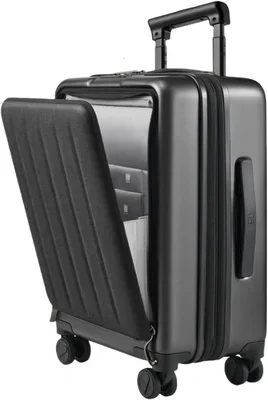
Choosing the right expandable carry‑on luggage can feel like a puzzle, especially when you juggle airline size limits, packing habits, and a budget that refuses to stretch. I’ve spent years testing bags on everything from weekend getaways to month‑long business trips, and I’ve learned that the perfect carry‑on isn’t about the flashiest brand—it’s about matching the bag’s features to your travel style. In this guide you’ll discover the key factors that matter most, the different types of expandable carry‑ons on the market, common pitfalls to avoid, and clear budget tiers so you can shop with confidence. By the end you’ll know exactly what to look for, how much to spend, and which models deserve a spot in your overhead bin.
We’ll start with the basics: size regulations, durability clues, wheel quality, handle ergonomics, and the all‑important expansion mechanism. Then we’ll compare hard‑shell versus soft‑shell designs, spinner versus inline wheels, and the extra organizational features that can make or break a packing session. I’ll also share the mistakes that cost travelers time and money, a realistic price breakdown, pro tips for snagging deals, and answers to the questions I hear most often. Whether you’re a frequent flyer or an occasional vacationer, this guide will help you pick a bag that fits your life—and the overhead compartment.

What to Look for When Buying Buying Guide
1. Airline Size Compliance
Every airline publishes maximum dimensions for carry‑on bags, typically around 22 × 14 × 9 inches (56 × 36 × 23 cm) including wheels and handles. An expandable carry‑on luggage that exceeds those limits when fully expanded can force you to check it at the gate, adding fees and hassle. Look for a model that stays within the limit in its standard configuration and only expands by an inch or two. Check the manufacturer’s specs and read recent user reviews for real‑world fit reports on your most‑flown carriers.
2. Build Material and Durability
Hard‑shell bags usually use polycarbonate, ABS, or a blend. Polycarbonate is lighter and more impact‑resistant; ABS is cheaper but can crack under heavy pressure. Soft‑shell options rely on ballistic nylon, Cordura, or high‑denier polyester. Higher denier numbers mean thicker, more abrasion‑resistant fabric. Look for reinforced corners, double‑stitched seams, and water‑repellent coatings if you travel in rainy climates.
3. Wheel System Quality
Spinner wheels (four 360‑degree wheels) let you glide the bag beside you, reducing wrist strain. Inline wheels (two fixed wheels) are more durable on rough pavement but require tilting. Test the wheel housing: it should be recessed into the shell to protect against curb impacts. Polyurethane wheels roll quieter and last longer than cheap plastic ones. If you frequently navigate cobblestones or carpeted hotel lobbies, spinners are worth the extra cost.
4. Handle Ergonomics and Locking Mechanism
A telescopic handle should extend in at least two height settings and lock securely with a positive click. Aluminum or reinforced polymer tubes resist bending. The grip should be contoured and padded for comfort during long walks. Integrated TSA‑approved combination locks let security agents inspect your bag without cutting a lock. Some models add a secondary zipper lock for the expansion compartment—handy when you need extra space but want peace of mind.
5. Expansion Mechanism and Capacity Gain
Expansion is usually achieved by a zippered gusset that adds 1‑2 inches of depth. A quality expansion zipper runs the full perimeter and uses a YKK or similar brand for smooth operation. When expanded, the bag should still close flat without bulging seams. Check that the expansion doesn’t compromise the bag’s structural integrity—some cheap models warp when fully opened, making them harder to fit in overhead bins.
6. Interior Organization and Compression
Look for a main compartment with a zippered divider, mesh pockets for toiletries, and compression straps that cinch clothing down. A dedicated laptop sleeve (padded, 15‑inch compatible) is a bonus for business travelers. Some bags include a removable laundry bag or a wet/dry pocket. Good organization reduces wrinkles and lets you pack more efficiently, which is the whole point of an expandable carry‑on luggage.
7. Weight and Portability
Airlines increasingly enforce weight limits (often 7‑10 kg / 15‑22 lb). A lightweight shell—under 6 lb (2.7 kg) for a 22‑inch bag—leaves more allowance for your belongings. Soft‑shell bags tend to be lighter than hard‑shells, but modern polycarbonate models have closed the gap. Consider the bag’s weight when empty; every ounce counts on a long trip.
8. Warranty, Customer Support, and Brand Reputation
A solid warranty (5‑10 years or lifetime) signals confidence in durability. Read the fine print: does it cover wheel replacement, zipper failure, or handle damage? Brands with responsive customer service and easy claim processes (prepaid shipping labels, quick turnaround) save you headaches. Check online forums and review sites for patterns—repeated complaints about a specific component are red flags.
Different Types of Buying Guide

The table above captures the four most common categories you’ll encounter. Hard‑shell spinners dominate the premium segment because they protect fragile items and look professional. Soft‑shell spinners win on weight and outside pockets for quick access. Inline wheels are a cost‑saver and hold up better on uneven sidewalks. Hybrid designs try to give you the best of both worlds, but they often sit at a higher price point.
Common Buying Mistakes to Avoid
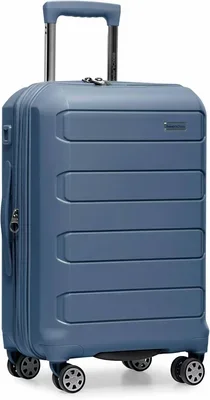
❌ Mistake: Ignoring Airline‑Specific Dimensions
Why it’s bad: A bag that fits one carrier may be rejected by another, especially low‑cost airlines with tighter limits. You risk gate‑check fees and the inconvenience of waiting at baggage claim.
What to do instead: List the airlines you fly most, note their exact carry‑on dimensions, and choose a bag that meets the strictest set. Keep a printed copy of the specs in your travel wallet.
❌ Mistake: Choosing Style Over Function
Why it’s bad: A gorgeous leather‑trimmed bag may lack a laptop sleeve, have flimsy wheels, or exceed weight limits. You’ll end up frustrated on every trip.
What to do instead: Prioritize the features you use daily—spinner wheels, compression straps, TSA lock—then pick the best‑looking model that checks those boxes.
❌ Mistake: Overlooking Expansion Zipper Quality
Why it’s bad: Cheap zippers snag, break, or fail to seal, leaving your clothes exposed to moisture and theft.
What to do instead: Test the zipper in store (or watch video reviews) for smooth, full‑length operation. Look for YKK or SBS branding and a double‑zipper pull for security.
❌ Mistake: Buying the Lightest Bag Without Checking Durability
Why it’s bad: Ultra‑light fabrics can tear on conveyor belts or when stuffed into tight overhead bins.
What to do instead: Aim for a sweet spot: 5.5‑6.5 lb for a 22‑inch hard‑shell, 4.5‑5.5 lb for soft‑shell. Read long‑term reviews for wear patterns.
❌ Mistake: Skipping Warranty Registration
Why it’s bad: Many brands require online registration within 30 days to activate the full warranty. Missing that window leaves you uncovered for wheel or handle failures.
What to do instead: Register the product the day you receive it. Save the confirmation email and a photo of the serial tag.
❌ Mistake: Assuming All Spinner Wheels Are Equal
Why it’s bad: Low‑quality spinners wobble, lock up on carpet, or detach after a few trips.
What to do instead: Look for recessed, double‑ball‑bearing wheels made of polyurethane. Push the bag loaded with 15 lb; it should glide straight without veering.
Budget Guidelines: How Much Should You Spend?
Entry‑Level ($80 – $130)
At this tier you’ll find basic soft‑shell spinners and a few hard‑shell inline models. Expect polyester or low‑denier nylon, single‑stage handles, and simple expansion zippers. Wheels may be plastic and handles can feel wobbly after a year. These bags work for occasional weekend trips but may not survive heavy weekly use.
Mid‑Range ($130 – $250)
This is the sweet spot for most travelers. You get polycarbonate or high‑denier ballistic nylon, double‑stage aluminum handles, YKK expansion zippers, and quality spinner wheels. Many include a TSA lock, laptop sleeve, and compression straps. Brands often back these with 5‑year warranties. You’ll notice smoother rolling, better weight distribution, and a more polished finish.
Premium ($250 – $400)
Premium models add features like removable laundry bags, integrated USB ports (power bank not included), self‑healing zippers, and advanced interior organization (modular packing cubes, dedicated shoe compartments). Shells use multi‑layer polycarbonate or proprietary composites for superior impact resistance. Warranties extend to 10 years or lifetime. These bags target frequent business travelers who value time‑saving details.
Luxury ($400+)
Luxury carry‑ons use materials such as Tegris, carbon‑fiber reinforced shells, or full‑grain leather accents. They often come with bespoke services—monogramming, dedicated concierge for repairs, and global repair networks. While the performance gains over premium are marginal, the prestige and service ecosystem appeal to executives and style‑focused globetrotters.
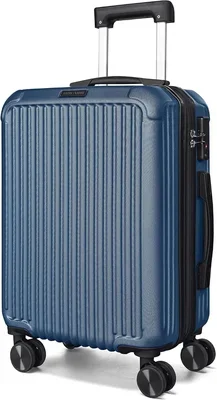
Expert Tips for Getting the Best Deal
- Shop off‑season: Late January and September see clearance sales as retailers make room for new collections.
- Sign up for brand newsletters: First‑time subscriber codes often give 10‑15 % off.
- Compare authorized retailers: Prices can vary $30‑$50 between the brand’s site, major department stores, and specialty luggage shops.
- Check refurbished or open‑box programs: Brands like Travelpro and Briggs & Riley sell certified refurbished units with full warranties at 30‑40 % off.
- Use price‑tracking tools: Browser extensions alert you when a specific model drops below your target price.
- Test in‑store before buying online: Feel the handle, roll the wheels, and open the expansion zipper. Then purchase the exact SKU online for the best price.
- Read the return policy: A 30‑day no‑questions return lets you trial the bag on a real trip.

Frequently Asked Questions
Q: Can I use an expandable carry‑on on all airlines?
A: Most major airlines accept the standard 22‑inch size when the bag is not expanded. Always verify the specific carrier’s dimensions before you fly, especially for budget airlines in Europe and Asia that enforce stricter limits.
Q: Does expanding the bag void the warranty?
A: No. Manufacturers design the expansion gusset for regular use. Damage caused by over‑packing beyond the zipper’s capacity could be considered misuse, but normal expansion is covered.
Q: Are spinner wheels really better than inline wheels?
A: Spinners reduce wrist strain and excel on smooth airport floors. Inline wheels handle rough pavement and curbs better. Choose based on where you roll the bag most.
Q: How do I clean a hard‑shell carry‑on?
A: Wipe the exterior with a damp microfiber cloth and mild soap. Avoid harsh solvents that can dull the finish. For scuffs, a small amount of automotive polishing compound restores shine.
Q: What’s the difference between a TSA lock and a regular combination lock?
A: TSA locks have a master key that security agents can use to open and relock your bag without cutting the lock. Regular locks must be cut if inspection is needed.
Q: Can I replace wheels myself?
A: Many mid‑range and premium bags use screw‑on wheel housings that you can swap with a basic screwdriver. Entry‑level models often have riveted wheels that require professional repair.
Q: Is a built‑in USB port worth it?
A: The port is just a pass‑through; you still need a power bank. It’s convenient if you like charging your phone without digging for the bank, but it adds a small weight penalty.
Q: How much extra space does expansion really give?
A: Typically 1‑2 inches of depth, translating to roughly 15‑25 % more volume. That’s enough for a couple of extra outfits or a souvenir, but not a full extra wardrobe.
Q: Should I buy a matching checked‑bag set?
A: Sets ensure aesthetic consistency and sometimes offer a discount, but you may not need the same features on a checked bag. Evaluate each piece independently.
Our Final Recommendations
- Best for Budget‑Conscious Buyers: Amazon Basics 21‑Inch Hardside Spinner – solid polycarbonate shell, decent spinner wheels, and a functional expansion zipper under $100. Good for a few trips a year.
- Best Overall Value: Travelpro Platinum Elite 22‑Inch Expandable Spinner – high‑denier nylon, precision glide wheels, built‑in TSA lock, and a lifetime warranty. Hits the mid‑range price with premium feel.
- Best Premium Option: Briggs & Riley Baseline Domestic Carry‑On Expandable Spinner – CX expansion‑compression system, ballistic nylon, and an unconditional lifetime warranty that even covers airline damage.
- Best for Beginners: Samsonite Freeform 21‑Inch Spinner – lightweight polycarbonate, simple interior layout, and a 10‑year limited warranty. Easy to use right out of the box.
- Best for Advanced Users: Rimowa Essential Cabin Plus – polycarbonate with aluminum frame, multi‑wheel system, and modular interior accessories. Pricey, but the engineering shines on heavy travel schedules.
Conclusion: Making the Right Choice
You now have a roadmap for selecting expandable carry‑on luggage that fits your travel rhythm, respects airline rules, and stays within your budget. Start by measuring the strictest size limit you’ll encounter, then prioritize durability cues—wheel housing, zipper brand, handle construction—over flashy aesthetics. Match the bag type to your typical terrain: spinners for polished terminals, inline wheels for city streets. Use the budget tiers to set expectations, and don’t forget to register the warranty the moment the box arrives.
Remember, the best bag is the one you hardly notice while you’re moving through the airport—light, smooth, and organized. Take the time to test a few models, read recent traveler reviews, and apply the pro tips above. Your next trip will feel lighter, smoother, and a lot more enjoyable. Happy travels!