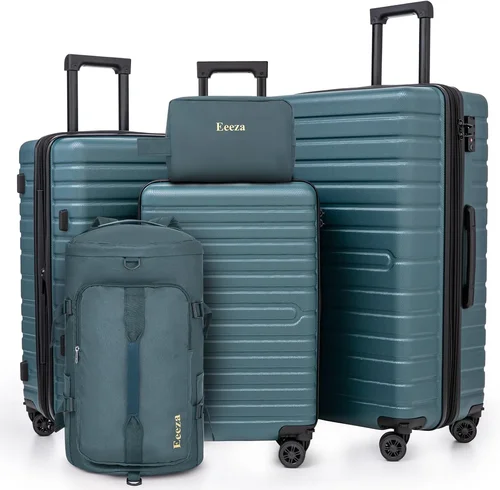
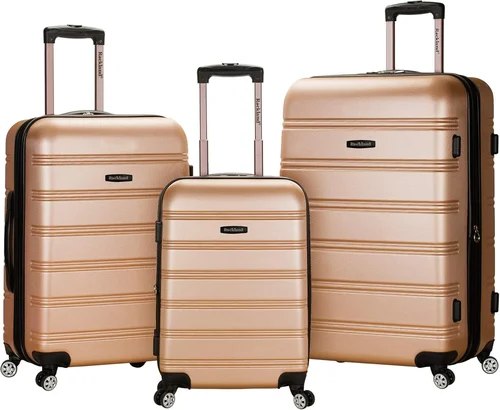
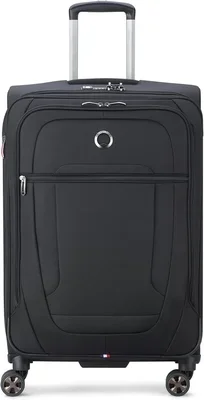
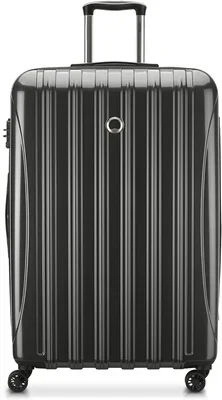
Shopping for a large checked suitcase can feel overwhelming, especially when you’re staring down dozens of options that all look remarkably similar on a screen. You want something that survives baggage handlers, fits everything for a two-week trip, and doesn’t eat up your entire travel budget before you’ve even booked the flight. That’s exactly why this guide exists. We’re going to walk through everything you need to know about the Delsey Chatelet 29-inch expandable spinner, but more importantly, we’re going to teach you how to evaluate any large checked bag like a pro so you can buy with total confidence.
Over the next several sections, we’ll break down the critical factors that separate a travel companion from a travel headache. We’ll decode the marketing jargon, compare the Chatelet against its natural competitors, highlight the costly mistakes that trap unsuspecting buyers, and give you a clear framework for deciding how much to spend. Whether you’re a frequent flyer upgrading your rotation or a casual traveler buying your first serious piece of luggage, you’ll finish this guide knowing exactly what to look for, what to avoid, and how to spot a genuine deal.

What to Look for When Buying Buying Guide
1. Construction Material and Shell Durability
The shell material is the single biggest predictor of how your luggage handles the inevitable abuse of modern air travel. The Delsey Chatelet uses a 100% polycarbonate shell, which sits at the sweet spot of the hardside market. Polycarbonate is technically a thermoplastic polymer, but in plain English, it means the material flexes under pressure instead of cracking or shattering. When a baggage handler tosses your bag onto a conveyor belt or stacks it under 200 pounds of other suitcases, a polycarbonate shell absorbs that impact by temporarily deforming and then springing back to shape.
Compare this to ABS plastic, which you’ll find on budget cases under $150. ABS is rigid and brittle. It looks fine in the store, but one hard impact at cold temperatures can spider-web the shell. On the flip side, aluminum luggage (think Rimowa or Away’s premium line) offers incredible durability but weighs 3-5 pounds more and dents permanently. The Chatelet’s polycarbonate construction typically weighs around 11.2 pounds for the 29-inch size, which is remarkably light for a bag this large. When evaluating any hardside, press firmly on the center of the shell with your thumb. Quality polycarbonate gives slightly and rebounds. Cheap plastic feels dead rigid or, worse, creaks.
2. Wheel System Quality and Maneuverability
Wheels are where the rubber meets the road—literally. The Chatelet employs four double-spinner wheels, meaning each corner has two wheels side-by-side on a single axle. This is a significant upgrade over single-spinner wheels. Double wheels distribute the load across a wider surface area, reducing the pressure on each individual wheel bearing. They also bridge gaps better. When you roll over a grate, a cobblestone gap, or the threshold between carpet and tile, a single wheel can drop into the gap and stop dead. Double wheels keep rolling because at least one wheel maintains contact.
Look for recessed wheel housings. The Chatelet’s wheels sit partially inside the shell contour rather than protruding outward. This protects the wheels from snapping off if the bag is dropped on its side or crushed in a cargo hold. Spin each wheel in the store. They should rotate freely for several seconds after a firm flick with zero grinding noise. Grab the handle and push the bag alongside you at a normal walking pace. A quality spinner tracks straight without constant correction. If the bag wants to veer left or right, the wheel alignment is off or the frame is warped—walk away.
3. Handle System Ergonomics and Strength
The telescoping handle is your primary interface with the bag, and a poorly designed one turns a pleasant stroll through the terminal into a wrist-straining ordeal. The Chatelet uses a dual-tube aluminum handle with multiple locking positions. Dual tubes resist twisting forces better than a single tube. When you’re pulling a 50-pound bag through a crowded airport, the handle wants to rotate in your grip. Dual tubes keep the handle orientation stable.
Pay attention to the grip material. The Chatelet features a leather-wrapped top carry handle and a comfortable rubberized grip on the telescoping handle. Leather ages beautifully and provides a secure grip even with sweaty hands. Rubberized grips on the trolley handle reduce vibration transfer to your wrist. Test the extension mechanism. It should glide out and lock into each notch with a solid click. Push down on the extended handle firmly. There should be zero wobble or play at the connection points. A loose handle develops into a broken handle fast.
4. Expandability and Real-World Capacity
The “29-inch” designation refers to the height measurement, but capacity is what actually matters. The Chatelet 29-inch offers approximately 105 liters in standard configuration and expands to roughly 115-118 liters with the 2-inch expansion zipper engaged. That extra 10-13 liters translates to roughly two to three additional outfits, a pair of shoes, or your souvenir haul. The expansion gusset on the Chatelet is reinforced with a fabric panel that maintains structure when expanded, preventing the “pregnant suitcase” look where the sides bulge awkwardly.
Here’s the reality check: most airlines have a 62 linear inch limit (length + width + height) for checked bags. The Chatelet 29-inch measures approximately 29.5″ x 19.5″ x 12.5″ standard, totaling 61.5 linear inches. Expanded, it becomes roughly 29.5″ x 19.5″ x 14.5″, totaling 63.5 linear inches—technically over the limit. In practice, airlines rarely measure expanded bags unless they’re egregiously oversized, but you should know the numbers. The expansion is best used for the return trip when you’ve accumulated extras, not for your initial outbound packing.
5. Interior Organization and Packing Efficiency
A cavernous empty shell encourages chaotic packing. The Chatelet’s interior is thoughtfully divided. The main compartment features a full zippered divider panel with a large mesh pocket—perfect for dirty laundry, shoes, or toiletries you want separated. On the opposite side, you get compression straps with quick-release buckles. These aren’t just for show. Properly tensioned compression straps reduce your packed volume by 15-20%, keeping clothes from shifting and wrinkling. The Chatelet also includes a removable zippered wet pocket and a dedicated shoe bag in many configurations.
Look for a full cloth liner, not a thin plastic sheet. The Chatelet uses a high-quality polyester liner that’s tear-resistant and easy to clean. Check the zipper quality on interior pockets. They should be YKK or equivalent branded zippers with large, easy-to-grab pulls. Cheap interior zippers snag on fabric and fail within a few trips. The divider panel zipper should run the full width of the compartment, not just halfway, giving you flexible access.
6. Security Features: Locks and Zippers
TSA-approved combination locks are standard on quality luggage now, but implementation varies. The Chatelet integrates a recessed, three-dial TSA lock into the shell. Recessed is key—it protects the lock mechanism from being sheared off by conveyor belts or rough handling. The three-dial system offers 1,000 combinations. Set a memorable but non-obvious code (avoid 000, 123, birth years). The lock secures the two main compartment zipper pulls together.
Equally important are the zippers themselves. The Chatelet uses double-coil YKK RCW (racquet coil) zippers with large, lockable pulls. Double-coil means two rows of coils interlocking, making the zipper virtually impossible to force open with a pen—a common theft technique on single-coil zippers. The pulls have holes that align perfectly with the TSA lock shackle. Test the zipper action. It should glide smoothly around corners without catching. Run your finger along the zipper tape. It should be sewn into a fabric reinforcement strip, not just glued to the shell interior.
7. Weight and Airline Compliance
At approximately 11.2 pounds, the Chatelet 29-inch is impressively light for a polycarbonate bag this size. Many competitors in this category weigh 12.5 to 14 pounds empty. That 1.5 to 3-pound difference matters enormously. Most international airlines enforce a 50-pound (23kg) weight limit for checked bags. Every pound of luggage weight is a pound less you can pack. On a 50-pound limit, an 11-pound bag leaves you 39 pounds for contents. A 14-pound bag leaves only 36 pounds. Over three checked bags on a family trip, that’s 9 pounds of extra packing capacity—essentially a free carry-on’s worth of stuff.
Weigh the bag yourself in the store if possible. Manufacturer specs sometimes exclude wheels, handles, or packaging. Put it on a bathroom scale at home immediately upon delivery. If it’s over 12 pounds for a 29-inch polycarbonate spinner, consider returning it. Also verify the linear dimensions. Measure height (with wheels), width (at widest point including handles), and depth. Add them up. If it exceeds 62 inches standard, you’ll face oversize fees on many carriers.
8. Warranty Coverage and Brand Support
Delsey backs the Chatelet with a 10-year limited warranty. “Limited” is the operative word. It covers manufacturing defects in materials and workmanship—broken zippers, handle failure, wheel detachment, shell cracking under normal use. It does not cover airline damage, cosmetic wear, loss, or theft. However, Delsey’s warranty service is generally regarded as responsive. They have authorized repair centers in major cities and a straightforward claims process through their website.
Register your warranty immediately after purchase. Keep your receipt and take photos of the bag from all angles, including the serial number tag (usually inside near the handle base). Some credit cards (Chase Sapphire, Amex Platinum, Citi Prestige) extend warranty coverage or offer purchase protection for damage/theft within 90-120 days. Check your card benefits. This can cover what the manufacturer warranty excludes.
9. Aesthetic Design and Color Practicality
The Chatelet’s vintage-inspired design with leather accents and a distinctive cross-hatch pattern isn’t just for looks—it serves a function. The textured pattern camouflages scratches that would be glaring on a high-gloss finish. The leather trim (genuine leather on the carry handles, leatherette on the trolley handle wrap) develops a patina over time rather than peeling like cheap vinyl. Color choice matters practically. Dark colors (navy, black, charcoal) hide scuffs best but are harder to spot on a baggage carousel. Bright colors (red, teal, champagne) are instantly identifiable but show every mark. The Chatelet’s mid-tone options like “Shadow Grey” or “Deep Blue” strike a nice balance.
Consider adding a distinctive luggage tag or colorful handle wrap regardless of color. It takes two seconds to spot your bag and prevents the awkward “is that mine?” dance at baggage claim.
Different Types of Buying Guide

Common Buying Mistakes to Avoid
❌ Mistake: Buying Based Solely on Brand Name
Why it’s bad: Big names like Samsonite, American Tourister, and Delsey produce wide ranges from $80 budget lines to $500 premium collections. A $120 Samsonite and a $300 Samsonite share a logo but not quality. The cheaper line uses ABS plastic, single-spinner wheels, and minimal warranty support. The premium line uses polycarbonate, double spinners, and comprehensive coverage.
What to do instead: Evaluate each model on its specifications, not the badge. Read the spec sheet for shell material, wheel type, handle construction, and warranty terms. The Chatelet is Delsey’s premium aesthetic line—distinct from their Helium Aero or Titanium collections.
❌ Mistake: Ignoring Empty Weight
Why it’s bad: A beautiful 14-pound suitcase leaves you 36 pounds for contents on a standard 50-pound limit. Pack for a two-week winter trip and you’ll hit that limit before you’ve added shoes and toiletries. Overweight fees run $100-$200 per bag. That “savings” on a cheaper, heavier bag vanishes on one flight.
What to do instead: Target 11.5 pounds or less for a 29-inch polycarbonate spinner. The Chatelet at 11.2 pounds hits this target. Weigh it yourself before your first trip.
❌ Mistake: Choosing Two-Wheel “Rollaboard” Over Four-Wheel Spinner for Checked Luggage
Why it’s bad: Two-wheel bags excel at rolling over rough pavement behind you. But checked bags spend most of their life being pushed sideways down narrow airplane aisles, through security lines, and alongside you at the gate. Four-wheel spinners allow 360-degree movement. You push them beside you, navigate tight corners, and spin them in place.
What to do instead: Default to four double-spinner wheels for any checked bag 25 inches or larger. Reserve two-wheel designs for carry-ons if you prefer them.
❌ Mistake: Overlooking Interior Organization
Why it’s bad: A single cavernous compartment forces you to use packing cubes for any organization. That’s fine if you love cubes, but many travelers prefer built-in structure. Bags without compression straps let contents shift, creating wrinkles and wasted space. Bags without a divider mix clean and dirty clothes.
What to do instead: Open the bag fully in the store. Visualize your packing routine. Does it have a laundry divider? Compression straps? Shoe pocket? Wet pocket? The Chatelet checks all these boxes.
❌ Mistake: Assuming “Expandable” Means “Free Extra Space”
Why it’s bad: Expansion adds volume but often pushes the bag over airline linear inch limits. An expanded 29-inch bag can exceed 62 linear inches, triggering $100-$200 oversize fees. Expansion also stresses zipper tracks and shell seams.
What to do instead: Use expansion only for return trips. Pack outbound in standard configuration. Know your airline’s specific linear inch policy—some budget carriers enforce 58 or 60 inches.
❌ Mistake: Skipping the Warranty Registration
Why it’s bad: Most warranties require registration within 30-90 days. Unregistered, you’ll need the original receipt (which fades, gets lost, or wasn’t saved for gift purchases) and face longer claim times.
What to do instead: Register online the day you receive the bag. Photograph the serial number tag. Save the digital confirmation. Takes three minutes.
❌ Mistake: Not Testing the Bag Loaded
Why it’s bad: An empty bag rolls differently than a 45-pound bag. Wheel bearings, handle flex, and frame alignment only reveal issues under load.
What to do instead: After purchase, pack the bag to your typical travel weight. Roll it around your house on carpet, hardwood, and threshold transitions. Pull it up and down stairs. Check for wobble, veering, handle play, or wheel noise. Return within the return window if anything feels off.
Budget Guidelines: How Much Should You Spend?
Entry-Level ($120 – $180): At this tier, you’re looking at ABS or ABS/polycarbonate blend shells, single-spinner wheels, basic two-stage handles, and 3-5 year limited warranties. Brands: American Tourister, Rockland, Merax, basic Samsonite lines. Expect 12-14 pound weights. These bags work fine for 1-2 trips per year, light packers, or travelers who check bags rarely. They’ll show cosmetic wear fast and may not survive a rough handling incident. If you fly twice a year domestically, this tier is reasonable.
Mid-Range ($180 – $280): This is the sweet spot for most travelers. Full polycarbonate shells, double-spinner wheels, multi-stage aluminum handles, TSA locks, 10-year warranties. Brands: Samsonite Freeform/Winfield 3, Delsey Helium Aero, Travelpro Maxlite 5 (softside), Briggs & Riley @work (entry). Weights 9.5-11.5 pounds. These bags handle monthly travel, international trips, and moderate abuse. The Samsonite Freeform 29-inch at ~$200 and 9.5 pounds is the weight king here.
Premium ($280 – $450): The Chatelet lives here. You pay for refined aesthetics (leather accents, textured finishes), superior interior organization (removable wet bags, shoe bags, better dividers), smoother wheel bearings, tighter tolerances, and often better warranty service. Also in this tier: Travelpro Platinum Elite (softside), Briggs & Riley @work (mid), Victorinox Spectra 3.0. These bags last 10-15 years with care. The cost per trip over a decade drops below $5.
Luxury ($550+): Briggs & Riley Baseline (unconditional lifetime warranty), Rimowa (aluminum/polycarbonate hybrid), Tumi (ballistic nylon/aluminum), Globe-Trotter (vulcanized fiberboard). You’re paying for materials, craftsmanship, brand cachet, and in Briggs & Riley’s case, a warranty that covers airline damage—no questions asked. A Briggs & Riley Baseline 29-inch at $600 used for 15 years costs $40/year. If you travel weekly for work, the unconditional warranty pays for itself in one claim.

Expert Tips for Getting the Best Deal
1. Time Your Purchase Strategically – Luggage follows predictable sale cycles. The deepest discounts happen: Black Friday/Cyber Monday (November), January post-holiday clearance, July summer clearance, and Labor Day (September). Avoid buying in May-June (peak summer travel prep) or December (holiday gifting). The Chatelet specifically sees 20-30% off during major sales events.
2. Check Authorized Retailers for “Open Box” or “Refurbished” – Sites like eBags, Luggage Pros, and Amazon Warehouse often carry manufacturer-refurbished Chatelet units with full warranty for 15-25% off. These are typically returns with minor cosmetic imperfections (a scuff on the shell, a creased box) that don’t affect function. Delsey’s refurbished program includes full 10-year warranty.
3. Leverage Credit Card Benefits – Many premium travel cards offer purchase protection (covers damage/theft for 90-120 days), extended warranty (adds 1-2 years to manufacturer warranty), and price protection (refunds difference if price drops within 60-90 days). The Chase Sapphire Reserve, Amex Platinum, and Citi Prestige all include these. Pay with the right card and you effectively get free extended coverage.
4. Buy as a Set If You Need Multiple Sizes – Delsey sells the Chatelet in 21″, 25″, and 29″ sizes. A 3-piece set often costs 15-20% less than buying individually. Even if you only need the 29-inch now, the 21-inch carry-on and 25-inch medium checked nest inside for storage and give you flexibility for different trip lengths. The carry-on is especially valuable—it matches aesthetically and uses the same wheel/handle system.
5. Inspect In-Person Before Buying Online – If you have a Delsey retailer nearby (many department stores, luggage specialty shops), visit and handle the Chatelet. Check the leather quality, wheel spin, handle action, zipper smoothness, and color in person. Colors render differently on screens. “Champagne” can look gold, beige, or silver depending on lighting. Once you’ve confirmed you like it, buy online where the price is better.
6. Understand Return Policies – Amazon: 30 days, free returns on most luggage. eBags: 30 days, free returns. Delsey direct: 30 days, buyer pays return shipping unless defective. Department stores (Nordstrom, Macy’s): often 60-90 days, very lenient. Buy from a generous return policy retailer. You want time to load-test the bag at home.
7. Register for Price Drop Alerts – Use CamelCamelCamel (Amazon price history), Honey, or Keepa. Set your target price (e.g., $250 for the 29-inch). You’ll get an email when it hits. The Chatelet’s price fluctuates $50-80 monthly. Patience saves real money.
8. Consider the “Cost Per Trip” Math – A $300 Chatelet used for 2 trips/year over 10 years = $15/trip. A $150 budget bag replaced every 3 years (3 replacements in 10 years) = $450 total = $22.50/trip. The premium bag is cheaper long-term if you actually travel. If you travel once every 2 years, the budget bag wins. Be honest about your frequency.

Frequently Asked Questions
Q: Is the Delsey Chatelet 29-inch actually lightweight compared to competitors?
A: Yes. At 11.2 pounds, it’s among the lightest full-featured polycarbonate 29-inch spinners on the market. The Samsonite Freeform 29-inch is lighter at 9.5 pounds, but sacrifices the leather accents, textured scratch-hiding finish, and some interior organization. Most competitors (Travelpro, Ricardo, Victorinox) range 12-14 pounds. The Chatelet hits a genuine sweet spot of structure + weight savings.
Q: Does the leather on the handles wear well or peel?
A: The top and side carry handles use genuine leather. It develops a rich patina over years—darkening, softening, showing character. It will not peel. The telescoping handle wrap is leatherette (synthetic), which is more durable for the constant sliding friction of extending/retracting. After 3-4 years of heavy use, the leatherette may show wear at the grip points, but it’s replaceable by a luggage repair shop for ~$30.
Q: Can the Chatelet 29-inch fit as a checked bag on all major airlines?
A: Standard dimensions (29.5″ x 19.5″ x 12.5″) total 61.5 linear inches, within the 62-inch limit for United, Delta, American, Southwest, JetBlue, Alaska, and most international carriers. Expanded, it exceeds 62 inches. Budget carriers like Spirit, Frontier, and some European low-cost airlines (Ryanair, EasyJet checked baggage) may have stricter limits (sometimes 58-60 inches). Always verify your specific airline’s policy before flying.
Q: How does the Chatelet handle compare to the older Delsey Helium Aero?
A: The Chatelet is a significant upgrade. Helium Aero uses a single-tube handle with fewer locking positions, single-spinner wheels (on older models) or basic double spinners, a high-gloss finish that shows every scratch, and a simpler interior. The Chatelet adds dual-tube handle, premium double spinners, textured scratch-resistant finish, leather accents, better interior organization, and a more refined aesthetic. The Helium Aero is a solid mid-range bag; the Chatelet is premium.
Q: What’s the real-world capacity for a 2-week trip?
A: The 105L standard capacity comfortably fits: 10-12 shirts/tops, 4-5 pants/skirts, 2-3 dresses, 14 pairs underwear, 14 pairs socks, 2 pairs shoes (in shoe pockets), toiletries kit, light jacket, and accessories—with room to spare. The expansion adds space for ~3 more outfits or bulky souvenirs. Rolling clothes (ranger roll method) maximizes capacity and minimizes wrinkles.
Q: Are the wheels replaceable if one breaks?
A: Yes. Delsey sells replacement wheel kits (part number varies by production year) through their website and authorized repair centers. The wheels are mounted with screws, not rivets, making DIY replacement possible with a Phillips screwdriver and 15 minutes. Many local luggage/shoe repair shops also stock generic double-spinner wheels that fit. Cost: $15-30 per wheel.
Q: Does the Chatelet come with a luggage tag or TSA lock instructions?
A: It includes a leather luggage tag (matching the handle leather) with a privacy flap for your info card. The TSA lock comes preset to 0-0-0 with instructions printed on a hangtag and in the manual. Download the PDF manual from Delsey’s site for reference—it’s clearer than the tiny printed version.
Q: How does it perform on cobblestones and rough pavement?
A: The double-spinner wheels handle European cobblestones far better than single spinners. The larger diameter (approx. 3 inches) and dual-wheel design bridge gaps. However, no spinner bag excels on deep gravel, sand, or broken pavement. For those surfaces, tilt the bag back on the two rear wheels (like a two-wheel bag) and pull. The Chatelet’s handle height settings accommodate this two-wheel mode comfortably.
Q: Is the Chatelet water-resistant?
A: The polycarbonate shell is waterproof. The zippers are water-resistant (coiled design with tight tolerances) but not waterproof. In heavy rain, water can eventually seep through zipper teeth. The interior liner provides a secondary barrier. For tropical downpours or snow, use a luggage cover ($15-25) or pack critical items in waterproof dry bags/packing cubes inside.
Q: What colors hide wear best?
A: Shadow Grey (dark charcoal) and Deep Blue (navy) are the most forgiving. Scratches blend into the cross-hatch texture. Champagne and White show every scuff but look stunning new. If you’re rough on luggage or check it frequently, stick to darker tones. If you baby your bags and want the aesthetic pop, the lighter colors are gorgeous.
Our Final Recommendations
Best for Budget-Conscious Buyers: Samsonite Freeform 29-inch – At ~$200 and 9.5 pounds, it’s the lightest quality 29-inch spinner available. You give up the Chatelet’s leather accents, textured finish, and premium interior organization, but you gain 1.7 pounds of packing capacity and save $80-100. Perfect for travelers who prioritize function over form and fly weight-restricted airlines frequently.
Best Overall Value: Delsey Chatelet 29-inch (on sale) – When priced $250-270 (common during sales), the Chatelet delivers premium aesthetics, genuine leather touches, excellent wheels, thoughtful organization, and a 10-year warranty at a mid-range price. It’s the bag you’re proud to pull through a hotel lobby that still survives baggage handling. The cost-per-trip over a decade of travel is negligible.
Best Premium Option: Briggs & Riley Baseline 29-inch – If budget isn’t a constraint and you travel heavily (monthly+), the $600 Baseline is the only bag with an unconditional lifetime warranty covering airline damage. No questions, no receipt needed after registration, free repair shipping. The ballistic nylon softside offers external pockets, infinite compression, and a CX expansion system that adds 25% capacity then compresses flat. It’s the last checked bag you’ll ever buy.
Best for Beginners: Delsey Chatelet 3-Piece Set – New to quality luggage? The 3-piece set (21″ carry-on, 25″ medium, 29″ large) at ~$600-650 on sale gives you a coordinated system for every trip length. The 21″ carry-on fits overhead bins on all major airlines. The 25″ is the sweet spot for 10-day trips. The 29″ handles 2+ weeks. All nest for storage. You learn one wheel/handle/lock system across all sizes.
Best for Advanced Users / Frequent Flyers: Travelpro Platinum Elite 29-inch (Softside) – Road warriors often prefer softside for the external pockets (quick access to laptop, documents, jacket), the ability to squeeze into tight overhead bins (if carrying on a 25″), and the “give” that lets you stuff an extra item when the zipper seems maxed. The Platinum Elite’s MagnaTrac wheels self-align, the PowerScope handle minimizes wobble, and the lifetime warranty covers airline damage for the first year. It’s the flight crew favorite for a reason.
Conclusion: Making the Right Choice
You’ve now got a complete framework for evaluating not just the Delsey Chatelet 29-inch, but any large checked spinner on the market. Let’s recap the non-negotiables: polycarbonate shell (not ABS), double-spinner wheels (recessed), dual-tube aluminum handle with multiple stops, TSA lock integrated into the shell, YKK double-coil zippers, compression straps and a divider panel inside, 10+ year warranty, and an empty weight under 11.5 pounds. The Chatelet checks every box and adds a timeless aesthetic that won’t look dated in five years.
Your perfect bag depends on your honest travel reality. If you fly twice a year for vacation, the Chatelet at sale price is a joy to own and use. If you’re weekly business travel, the Briggs & Riley Baseline’s unconditional warranty pays for itself. If you’re a minimalist who counts every ounce, the Samsonite Freeform saves nearly two pounds. There’s no wrong choice among quality options—only the choice that matches your priorities.
Before you click buy, do one thing: measure your typical packed load. Weigh your current suitcase full. Know your airline’s limits. Then match the bag to your life. Register the warranty the day it arrives. Load-test it at home. And then—this is the best part—forget about luggage. You’ve solved it. Now go book that trip.