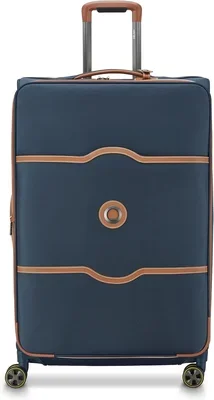
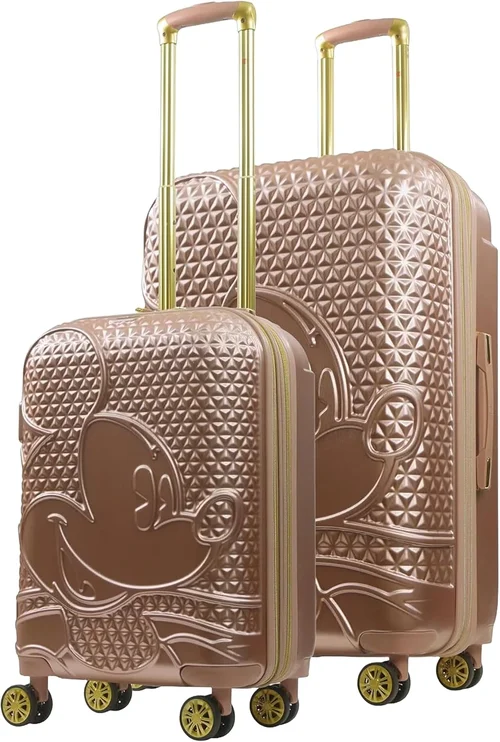
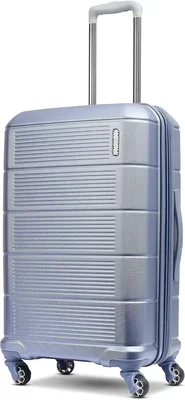
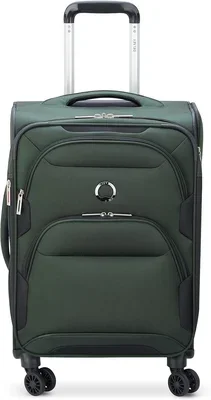
Shopping for expandable luggage can feel overwhelming when you stand in front of a wall of suitcases or scroll through hundreds of online listings. Every brand promises durability, lightweight construction, and smooth-rolling wheels, but the reality often falls short once you hit the baggage carousel or navigate cobblestone streets. This guide exists to cut through the marketing noise and give you the practical knowledge you need to invest in luggage that actually serves your travel style.
Over the next several sections, you will learn exactly what separates a suitcase that lasts a decade from one that cracks on its first trip. We will break down the critical factors—material science, wheel engineering, handle systems, and expansion mechanics—in plain language. You will discover how to match luggage capacity to your trip length, why warranty terms matter more than brand names, and where to find genuine value at every price point. Whether you are a weekend warrior, a frequent business traveler, or a family packing for two weeks abroad, this guide will help you buy with confidence.
The expandable luggage market has evolved significantly in recent years. Polycarbonate shells now rival aluminum in strength-to-weight ratios. Spinner wheels have moved from four to eight for better stability. Smart features like USB ports and GPS trackers have become common, though not all are worth the premium. Major brands like Samsonite, Travelpro, Away, and Briggs & Riley compete alongside direct-to-consumer upstarts offering lifetime warranties. Understanding this landscape will save you money and frustration.

What to Look for When Buying Expandable Luggage
1. Shell Material and Construction
The shell is your luggage’s first line of defense against baggage handlers, overhead bin compression, and the elements. You will encounter three primary materials in today’s market: polycarbonate, ABS plastic, and aluminum. Polycarbonate sits at the sweet spot for most travelers. It flexes under impact rather than cracking, rebounds to its original shape, and keeps weight low. Look for 100% polycarbonate rather than polycarbonate-ABS blends, which sacrifice durability for cost savings. The best shells use a honeycomb or ribbed internal structure that distributes force across the surface.
ABS plastic appears in budget luggage under $150. It is rigid and inexpensive but brittle. A hard drop on a corner often results in a permanent crack or shattered corner. If you travel once or twice a year and handle your own bags, ABS may suffice. For checked luggage that disappears onto conveyor belts, avoid it. Aluminum luggage—think Rimowa or high-end Away—offers unmatched rigidity and a distinctive aesthetic. It dents rather than cracks, and dents can often be pushed out. The tradeoff is weight: aluminum carry-ons run 9-11 pounds empty versus 6-7 pounds for polycarbonate. That weight eats into your airline allowance before you pack a single sock.
2. Expansion Mechanism and Real-World Capacity Gain
Expansion is the defining feature of this category, but not all expansion zippers deliver equal results. Most expandable luggage adds 1.5 to 2.5 inches of depth when unzipped, translating to 15-25% more packing volume. The mechanism typically involves a hidden gusset panel folded between the shell halves, released by a secondary zipper track. Quality matters immensely here. YKK or SBS zippers with large, coated teeth resist snagging and separation. Cheap zippers catch on the gusset fabric, forcing you to wrestle the bag closed—or worse, pop open mid-transit.
Test the expansion before buying. Open the main compartment, locate the expansion zipper (usually a different color pull), and unzip it fully. The gusset should deploy smoothly without catching. Zip it back up—it should close with moderate, even pressure. If you feel resistance at specific points, the gusset is misaligned. Also check whether the expanded profile still meets airline size limits. Many “carry-on expandable” bags exceed 22 x 14 x 9 inches when fully expanded, meaning you can only use the expansion feature when checking the bag or on airlines with generous sizing.
Consider your packing habits. If you consistently return with souvenirs, dirty laundry, or bulk purchases, prioritize maximum expansion depth (2.5+ inches). If you mainly need flexibility for a jacket or last-minute items, 1.5 inches suffices and keeps the bag lighter. Some premium models offer staged expansion—two zipper tracks giving you a “half-expanded” option. This is genuinely useful for keeping the bag within carry-on dimensions while gaining a few liters.
3. Wheel System: Spinner vs. Inline, Bearing Quality, and Replaceability
Wheels determine whether you glide through terminals or wrestle a stubborn bag. Spinner wheels (four 360-degree casters) dominate the market because they allow upright pushing beside you, reducing wrist strain. Inline wheels (two fixed wheels) handle rough pavement and curbs better but require tilting and pulling. For expandable luggage, which gains weight and bulk when expanded, spinners are strongly preferred—provided they are well-engineered.
Look beyond the wheel count. The critical specifications are bearing type, wheel diameter, and housing construction. Sealed ball bearings (often labeled “precision bearings” or “Japanese bearings”) roll smoother and last longer than simple bushings. Wheel diameter should be at least 50mm (2 inches) for carry-ons and 65mm+ for checked sizes. Larger wheels bridge gaps in pavement and roll over thresholds more easily. The wheel housing—the plastic or metal bracket attaching the wheel to the shell—should be reinforced. Integrated housings molded into the shell are stronger than bolt-on plastic brackets, which can snap off under heavy loads.
Replaceability is an overlooked factor. Premium brands like Travelpro, Briggs & Riley, and some Samsonite lines sell replacement wheel assemblies. You can swap a damaged wheel in five minutes with a screwdriver. On budget luggage, wheels are often riveted or molded in place—when one fails, the bag is effectively trash. If you travel frequently, factor wheel replacement cost and availability into your purchase decision.
4. Handle System: Telescoping Mechanism, Grip Comfort, and Lock Positions
The telescoping handle is your primary interface with the bag. A poorly designed handle turns a 30-pound suitcase into a wrist injury waiting to happen. The handle tubes should be aircraft-grade aluminum or high-strength steel, not thin-walled steel that bends under pressure. Dual-tube systems (two parallel poles) distribute torque better than single-tube designs, reducing wobble when you push the bag. Test for play: extend the handle fully and wiggle it side to side. Minimal movement indicates tight tolerances.
Lock positions matter more than you might think. Budget handles often have two stops: fully retracted and fully extended. Quality handles offer three to four height settings, accommodating users from 5’2″ to 6’4″ without forcing a stooped posture or awkward reach. The release button should be large, recessed, and operable with a thumb while gripping the handle—not a tiny flush button requiring a fingernail. Grip material affects comfort on long walks. Contoured rubber or thermoplastic elastomer (TPE) grips with finger grooves reduce fatigue compared to hard plastic or flat foam.
Check the handle’s integration with the interior. The handle tubes run inside the main compartment, consuming packing space. Some designs route tubes along the back panel with a flat cover, maximizing flat packing area. Others create a prominent “handle hump” that prevents suitcases from stacking neatly or wastes volume. Open the bag and run your hand over the interior back panel—you want a smooth, flat surface.
5. Interior Organization: Compression, Dividers, and Accessibility
Expandable luggage lives or dies by its interior layout. The expansion gusset typically sits in the main compartment, so organization features must work in both standard and expanded modes. Look for a full-length zippered divider panel separating the two halves. This panel should have at least one large mesh pocket for toiletries, electronics, or documents. Some premium bags add a second zippered pocket on the divider for dirty laundry or shoes.
Compression straps are essential. They secure contents in the bottom half, preventing clothes from shifting into the expansion zone and wrinkling. Two wide (1.5+ inch) straps with cam buckles outperform four narrow straps with plastic slides. The straps should attach to the shell via reinforced loops, not simple stitching that pulls through under load. In the lid half, a zippered panel keeps flat items (suits, dresses, documents) from sliding out when you open the bag.
Consider specialized compartments if they match your travel. A dedicated padded laptop pocket (15.6″ or 17″ compatible) with a TSA-friendly lay-flat design speeds security screening. A waterproof wet pocket isolates toiletries or swimwear. Some bags include a removable packing cube or garment folder—genuinely useful if you use them, dead weight if you don’t. Honestly assess your packing style before paying for features you won’t use.
6. Weight and Airline Compliance
Every pound of luggage weight is a pound you cannot pack. Major US airlines allow 50 pounds for checked bags and enforce carry-on size limits (typically 22 x 14 x 9 inches including wheels and handles). International carriers are often stricter—European budget airlines may limit carry-ons to 17.6 pounds (8kg) and 21.6 x 15.7 x 9.8 inches. Weigh the empty bag before buying. A polycarbonate carry-on should weigh 6.5-7.5 pounds. Checked sizes (25-27 inches) should stay under 9.5 pounds. Aluminum carry-ons at 9+ pounds leave you just 8-9 pounds for contents on weight-restricted airlines.
Measure the bag yourself. Manufacturer dimensions often exclude wheels, handles, and expansion zippers. Bring a tape measure to the store or check detailed specs online. The critical measurement is the maximum exterior envelope at the widest points. If you fly multiple airlines, buy to the strictest standard you encounter. A bag that fits United but not Ryanair limits your flexibility.
7. Warranty, Repair Network, and Brand Support
A warranty reveals how much a manufacturer believes in their product. Lifetime warranties sound impressive but vary wildly in coverage. “Lifetime” may mean the product’s expected lifespan (often defined as 5-7 years), not your lifetime. Read the fine print. The best warranties—Briggs & Riley, Travelpro, Osprey, Patagonia—cover functional defects for the life of the product with no time limit, including airline damage. They operate “no-questions-asked” repair centers or authorize local luggage shops to perform warranty work.
Mid-tier brands (Samsonite, Delsey, Ricardo) typically offer 3-10 year limited warranties covering manufacturing defects only. Airline damage, wear items (wheels, handles, zippers), and cosmetic issues are excluded. Budget brands often provide 1-2 year warranties with restrictive claim processes requiring original receipts, product registration, and shipping the bag to a central facility at your cost.
Equally important is repair accessibility. Can you walk into a local luggage repair shop and get a wheel replaced same-day? Does the brand sell parts directly to consumers? Travelpro and Briggs & Riley excel here—their parts diagrams and online stores let you order a $15 wheel assembly and install it yourself. Samsonite has authorized service centers in major cities. Direct-to-consumer brands like Away and Monos require shipping the bag to their warehouse for any repair, leaving you bagless for 2-3 weeks.
8. Security Features: Locks, Zippers, and Anti-Theft Design
TSA-approved combination locks are standard on checked luggage and increasingly common on carry-ons. The lock should be integrated into the shell (recessed) rather than a padlock loop that snags on conveyors. Three-dial combination locks are standard; four-dial versions offer 10,000 combinations versus 1,000 but take longer to set. Some premium bags feature TSA007 locks with key override—useful if you forget the combination, though TSA agents rarely use the master keys anymore.
Zipper security matters more than the lock. Dual-coil zippers (two parallel zipper tracks) allow the lock shackle to pass through both pulls, preventing the “pen trick” where a ballpoint pen separates single-coil zippers and re-zips them undetected. Look for puncture-resistant zipper tape (often marketed as “Security Zip” or “Anti-Theft Zipper”). Water-resistant zipper coatings add protection against rain and spills.
Anti-theft features beyond locks include hidden pockets (RFID-blocking passport sleeves), slash-resistant fabric panels (mainly in softside luggage), and GPS tracker compatibility (dedicated AirTag or Tile slots). Evaluate these against your actual risk profile. If you check bags on domestic US flights, TSA locks and dual-coil zippers are sufficient. International travel in high-theft areas may justify additional features.
Different Types of Expandable Luggage

Common Buying Mistakes to Avoid
❌ Mistake: Buying Based on Brand Name Alone
Why it’s bad: Legacy brands like Samsonite and American Tourister produce excellent luggage, but they also license their names to budget lines manufactured to lower standards. A $80 “Samsonite” from a big-box store shares nothing with their $400 business line except the logo. Conversely, direct-to-consumer brands like Away, Monos, and July have no physical retail presence but engineer competitive products at lower prices by cutting retail markup.
What to do instead: Research the specific model, not the brand. Read professional reviews from sites that test luggage destructively (crush tests, wheel abrasion, handle cycle testing). Check the warranty terms for that exact SKU. A $250 Travelpro with a lifetime warranty covering airline damage beats a $350 Samsonite with a 3-year limited warranty.
❌ Mistake: Ignoring Empty Weight
Why it’s bad: A beautiful 11-pound aluminum carry-on looks indestructible. On a European budget airline with an 8kg (17.6 lb) carry-on limit, you have 6.6 pounds for clothes, toiletries, and electronics. That’s one pair of jeans, a sweater, and a laptop. You’ll check the bag and pay fees, defeating the purpose of a carry-on.
What to do instead: Know your airlines’ weight limits before shopping. Target carry-ons under 7.5 pounds for domestic US travel, under 6.5 pounds if you fly international budget carriers. For checked luggage, stay under 9.5 pounds empty to maximize your 50-pound allowance.
❌ Mistake: Assuming “Expandable” Means “Carry-On Compliant When Expanded”
Why it’s bad: Many 22-inch carry-ons expand to 24+ inches deep. Gate agents measure with sizing cages. If your expanded bag doesn’t fit, you gate-check it—often for a fee—and your valuables go in the hold.
What to do instead: Verify the expanded dimensions against your most restrictive airline. Some bags offer “staged expansion” (two zipper tracks) letting you gain 1 inch while staying compliant. If you need full expansion, accept that you’ll check the bag on return trips.
❌ Mistake: Overlooking Wheel Housing Durability
Why it’s bad: The wheel spins freely in the store. Six months later, a bolt-on plastic housing cracks from a curb impact, and the wheel assembly detaches. The bag drags on one corner. On budget luggage, the housing is riveted or molded—unrepairable.
What to do instead: Inspect the wheel mounting. Integrated housings (molded into the shell) or metal-reinforced brackets with replaceable wheel cartridges are worth the premium. Ask the retailer or check the manufacturer’s website for replacement wheel availability and cost.
❌ Mistake: Skipping the Interior Inspection
Why it’s bad: The exterior looks great. Inside, the handle tubes create a massive hump preventing flat packing. The divider panel has no pockets. Compression straps are narrow, slippery, and attached with single stitching. The expansion gusset is flimsy mesh that tears.
What to do instead: Open every compartment. Pack a test load (or visualize your typical contents). Check for flat packing area, functional compression, accessible pockets in both standard and expanded modes, and a smooth interior back panel.
❌ Mistake: Buying a Set When You Only Need One Size
Why it’s bad: Three-piece sets (carry-on, medium checked, large checked) seem like a deal. But you rarely need all three simultaneously. The medium and large sit in your closet, degrading (plasticizers evaporate, zippers corrode, foam compresses). You pay for luggage you don’t use.
What to do instead: Buy individual pieces as needed. Start with a quality carry-on. Add a checked size only when a trip demands it. Mix brands if different models suit different needs—your carry-on prioritizes weight and organization; your checked bag prioritizes capacity and crush resistance.
❌ Mistake: Falling for Gimmicks Over Fundamentals
Why it’s bad: Built-in USB ports (power bank not included), GPS trackers (subscription required), removable power banks (airline restricted), cup holders, and seat cushions add cost and failure points. A USB port with a short cable that frays inside the shell is useless. A GPS tracker with a dead battery provides false security.
What to do instead: Buy a high-quality power bank separately ($25-40) and keep it in an accessible pocket. Use an AirTag or Tile ($25-30) in any bag. Invest the savings in better wheels, handles, and shell material—features that improve every trip.
Budget Guidelines: How Much Should You Spend?
Entry-Level ($80 – $180): Functional Basics
At this tier, you get ABS or polycarbonate-ABS blend shells, basic spinner wheels with bushings (not bearings), two-stage handles with plastic grips, and 1-2 year limited warranties. Expansion is typically a single gusset with a standard zipper. Brands include Amazon Basics, Kenneth Cole Reaction, Rockland, and entry-level Samsonite (Winfield 2, Centric). These bags work for occasional leisure travelers (2-3 trips per year) who handle their own bags and don’t overpack. Expect 3-5 years of life with careful use. Wheels and handles are the first failure points. Not recommended for checked luggage on frequent trips.
Mid-Range ($180 – $350): The Sweet Spot for Most Travelers
This is where 100% polycarbonate shells, sealed-bearing spinner wheels, three-to-four-stage aluminum handles, YKK/SBS expansion zippers, and 5-10 year warranties become standard. Brands: Travelpro (Platinum Elite, Maxlite 5), Samsonite (Freeform, Omni PC), Delsey (Chatelet, Helium Aero), Briggs & Riley (Baseline Domestic – though this creeps higher), Away (The Carry-On), Monos (Carry-On). These bags withstand weekly travel, airline handling, and full expansion use. Weight stays competitive (6.5-7.5 lbs carry-on). Repair parts are often available. This tier delivers 7-10+ years of service.
Premium ($350 – $600): Frequent Flyer Engineering
Premium luggage adds precision engineering: magnetically self-aligning wheels (Briggs & Riley CX), titanium handle tubes, staged expansion, suiter systems, TSA007 locks with key override, and lifetime “no-questions” warranties covering airline damage. Brands: Briggs & Riley (Sympatico, CX), Tumi (19 Degree, Latitude), Rimowa (Essential – polycarbonate), Victorinox (Spectra 3.0). You pay for tighter tolerances, quieter wheels, smoother handle action, and a repair network that fixes your bag free for decades. Weight is optimized (some carry-ons under 6 lbs). If you fly 20+ times per year, the cost-per-trip justifies this tier.
Luxury ($600+): Status, Craftsmanship, and Materials
Aluminum (Rimowa Original, Away Aluminum), carbon fiber, or exotic weaves. Hand-stitched leather accents. Numbered limited editions. Lifetime concierge service. These are buy-it-for-life objects that develop patina. Aluminum dents beautifully; polycarbonate scratches. If you value the object as much as the utility, and budget is no constraint, this tier delivers. For pure function, premium tier matches or exceeds performance at half the price.
Expert Tips for Getting the Best Deal
Time your purchase. Luggage goes on sale predictably: January (post-holiday clearance), May (pre-summer), July (Amazon Prime Day), November (Black Friday/Cyber Monday), and December (year-end clearance). Mid-range and premium brands rarely discount flagship models more than 20-25%, but 15% off a $350 bag saves $52. Sign up for brand newsletters for first-access codes.
Check authorized outlet stores. Briggs & Riley, Tumi, Samsonite, and Travelpro operate factory outlets selling overstock, discontinued colors, and minor cosmetic blemishes at 30-50% off with full warranties. Call ahead for inventory. Online outlet sections (e.g., Briggs & Riley “Factory Outlet” page) offer the same deals.
Consider “open box” and certified refurbished. Amazon Warehouse, eBay certified refurbished, and brand direct refurbished programs (Away, Monos) sell returned luggage inspected and warrantied. Savings of 20-40% are common. Verify the warranty matches new—some brands reduce refurbished warranty to 1 year.
Test in person before buying online. Visit a luggage store, department store, or brand showroom. Extend the handle. Roll the bag. Open the expansion. Feel the weight. Pack a jacket inside. Then buy the exact model online for the best price. This avoids the “looks smaller in photos” problem.
Register your warranty immediately. Take photos of the receipt, warranty card, and serial number (usually inside the bag or on a hang tag). Register on the manufacturer’s website within 30 days. Some brands (Briggs & Riley, Osprey) honor warranties without registration, but most require it. Save the digital copy in your cloud storage.
Understand return policies. Online luggage returns are expensive for retailers due to dimensional weight shipping. Many charge 15-20% restocking fees or deduct return shipping ($25-40). Buy from retailers with free returns (Nordstrom, Zappos, REI, brand direct sites) if you’re uncertain. Keep all packaging until you’re sure.
Leverage credit card benefits. Many premium credit cards (Chase Sapphire Reserve, Amex Platinum, Capital One Venture X) offer purchase protection covering damage/theft for 90-120 days, extended warranty matching manufacturer warranty up to 1-2 additional years, and sometimes baggage insurance. Pay with the right card for free extra coverage.
Buy the size you need, not the size on sale. A 28-inch checked bag at 50% off is a bad deal if you only take carry-ons. Conversely, don’t squeeze a two-week trip into a carry-on to avoid checking a bag—you’ll overweight it or leave essentials. Match luggage to your actual travel patterns.

Frequently Asked Questions
Q: How much extra space does expansion actually add?
A: Most expandable luggage adds 1.5 to 2.5 inches of depth, increasing volume by 15-25%. A standard 22-inch carry-on (approx. 38 liters) gains 6-9 liters—enough for 2-3 sweaters, a pair of shoes, or a week’s worth of souvenirs. Checked sizes (25-27 inch) gain 10-15 liters. Staged expansion (two zipper tracks) lets you add half that amount while staying within carry-on size limits.
Q: Can I use the expansion feature on a carry-on and still fit in the overhead bin?
A: Usually not. Most airlines’ carry-on sizers match the standard dimensions (22 x 14 x 9 inches). Expanded bags exceed the depth limit. You can use expansion only if: (1) your bag has staged expansion and you use only the first stage, (2) you’re on an airline with generous sizing (some international carriers allow 23-24 inches depth), or (3) you plan to check the bag on the return leg. Always measure your specific bag expanded.
Q: Are spinner wheels or inline wheels better for expandable luggage?
A: Spinner wheels are better for expandable luggage because the added weight and shifted center of gravity make tilted pulling (required for inline wheels) more tiring. Spinners let you push the bag upright beside you. However, spinners need quality bearings and large diameters (50mm+) to handle the extra load. On rough terrain (cobblestones, gravel, snow), inline wheels with larger diameters (80mm+) outperform small spinners.
Q: What’s the difference between polycarbonate and ABS luggage?
A: Polycarbonate is a high-performance thermoplastic that flexes under impact and returns to shape. It’s lighter, more durable, and temperature-resistant. ABS is a cheaper, rigid plastic that cracks or shatters on hard impact. Polycarbonate-ABS blends split the difference but lean toward ABS brittleness. For checked luggage or frequent travel, 100% polycarbonate is worth the $30-50 premium.
Q: Do I need a TSA lock if I never check my bag?
A: For carry-on only, a TSA lock is optional but still useful. It secures your bag in overhead bins, hotel rooms, and train racks. It also prevents the zipper pulls from separating accidentally. If you ever gate-check (common on full flights), TSA agents can open and relock it without cutting the lock. Integrated locks add minimal weight and cost.
Q: How do I clean and maintain expandable luggage?
A: Hardside: Wipe exterior with mild soap and water. Avoid harsh chemicals on polycarbonate. Clean wheel bearings annually—remove hair/debris, apply silicone spray (not WD-40, which attracts dirt). Lubricate handle tubes with dry Teflon spray. Softside: Spot clean with fabric cleaner. Empty all pockets, vacuum interior. Store bags open (not compressed) in a cool, dry place. Stuff with acid-free tissue to hold shape.
Q: What’s the best way to pack an expandable suitcase to prevent wrinkles?
A: Use the compression straps in the bottom half for rolled clothes (rolling minimizes wrinkles vs. folding). Place heavier items (shoes, toiletry bag) near the wheels for balance. Use the zippered divider for flat items (blazers, dresses). In the lid half, use packing cubes or the zippered panel. If expanded, fill the gusset zone with soft, wrinkle-resistant items (knits, activewear, underwear). Avoid overpacking the expansion zone—it stresses the zipper.
Q: Are lifetime warranties actually lifetime?
A: It depends on the brand. Briggs & Riley, Travelpro (Platinum Elite), Osprey, and Patagonia honor true lifetime warranties covering functional defects and often airline damage, with no time limit and no receipt required after registration. Samsonite, Delsey, and Tumi offer “limited lifetime” warranties covering manufacturing defects only, typically 5-10 years in practice. Budget brands use “lifetime” to mean “expected product lifetime” (3-5 years). Always read the warranty document.
Q: Should I buy a luggage set or individual pieces?
A: Buy individual pieces. Sets force you to pay for sizes you may never use, and storing multiple large suitcases is impractical. Your carry-on needs (lightweight, organized, carry-on compliant) differ from your checked luggage needs (maximum capacity, crush resistance). Mix brands and models to optimize each role. Exception: if you’re outfitting a family of four for a one-time move, a 3-piece set per person at a deep discount can make sense.
Q: How do I know if a luggage repair shop is authorized for my brand?
A: Check the brand’s website for “Authorized Service Centers” or “Repair Locators.” Call the shop and ask: “Are you an authorized warranty repair center for [Brand]? Do you stock genuine [Brand] replacement parts?” Authorized shops have access to proprietary parts (wheel assemblies, handle tubes, lock mechanisms) and their repairs don’t void the warranty. Unauthorized shops can fix cosmetic issues but may use generic parts that fail faster.
Our Final Recommendations
Best for Budget-Conscious Buyers: Samsonite Freeform Carry-On Spinner ($160-200)
This is the rare sub-$200 bag with 100% polycarbonate shell, decent spinner wheels, a 10-year limited warranty, and a weight of 6.5 lbs. Expansion adds 1.5 inches. It lacks premium bearings and staged expansion, but for 5-8 trips per year, it delivers exceptional value. Widely available at Costco, Amazon, and department stores—easy to inspect before buying.
Best Overall Value: Travelpro Platinum Elite 22″ Carry-On ($280-330)
The gold standard for frequent flyers. MagnaTrac spinner wheels with sealed bearings glide silently. Contour Grip handle with four height stops fits any traveler. Staged expansion (1″ and 2″) keeps you carry-on compliant at stage one. Suiter system, wet pocket, and USB port pass-through (power bank not included). Lifetime warranty covers airline damage. Weighs 7.1 lbs. The crew favorite for a reason.
Best Premium Option: Briggs & Riley Sympatico CX 22″ Carry-On ($450-500)
Engineering excellence. CX expansion system expands 22% then compresses back to original size with a patented mechanism—no bulging zippers. Magnets align wheels perfectly. Ballistic nylon corners absorb impacts. Lifetime warranty with no-questions airline damage coverage. Weighs 7.8 lbs (heavier due to compression system). If you maximize expansion every trip, this system prevents the “overstuffed zipper strain” failure mode.
Best for Beginners: Away The Carry-On ($300-350)
Direct-to-consumer simplicity. Polycarbonate shell, Hinomoto spinner wheels, ejectable battery (optional), interior compression pad, laundry bag. Lifetime warranty (covers functional defects, not airline damage). 100-day trial period. Limited color restocks create urgency but the product is solid. Great first “nice” luggage purchase—simple, stylish, functional. Skip the battery; buy a separate Anker power bank.
Best for Advanced Users: Travelpro Crew VersaPack Max 22″ ($350-400)
Designed for airline crews who live out of luggage. Ballistic nylon exterior (softer than hardside, fits tight bins). PrecisionGlide wheels with sealed bearings. ErgoGrip handle. Massive expansion (2.5″) with internal tie-down straps. External USB port, dedicated laptop compartment, wet pocket, removable toiletry kit. Lifetime warranty. At 8.2 lbs, it’s heavy for a carry-on, but the organization is unmatched for 4-5 day business trips.
Best Checked Expandable: Samsonite Freeform 28″ Spinner ($220-260)
For checked luggage, prioritize capacity and shell integrity over premium wheels (you’re not rolling it far). The Freeform 28″ weighs 9.3 lbs, expands 1.5″, holds ~100 liters, and costs half what premium checked bags cost. 10-year warranty. Buy two different colors for family trips—easy identification on the carousel.
Conclusion: Making the Right Choice
You now know more about expandable luggage than 95% of shoppers. You understand that polycarbonate beats ABS, that sealed bearings outlast bushings, that staged expansion keeps you carry-on compliant, and that a lifetime warranty from Briggs & Riley means something very different than one from a budget brand. You know to weigh the empty bag, measure the expanded dimensions, test the handle wobble, and inspect the interior before falling for a pretty shell.
The right luggage doesn’t just hold your clothes—it removes friction from travel. A smooth-rolling spinner lets you navigate a connection with a coffee in hand. A well-organized interior means you find your passport instantly. A reliable expansion zipper accommodates that unexpected gift without forcing you to sit on the suitcase. A warranty that covers airline damage means a crushed corner is an annoyance, not a $300 replacement.
Match the bag to your reality. If you fly twice a year for vacation, a mid-range polycarbonate carry-on serves you beautifully for a decade. If you’re on a plane every week, invest in premium engineering that withstands the grind. If you check bags with camera gear or fragile souvenirs, prioritize shell strength and interior compression over weight savings. There is no universal “best”—only the best for your travel.
Before you click buy or walk to the register, do one final check: Does this bag solve your specific packing problems? Will it fit your airline’s strictest limits? Can you lift it into an overhead bin when packed? Is the warranty backed by accessible repair? If the answer is yes, you’ve found your travel companion. Safe travels, and may your wheels always roll straight.