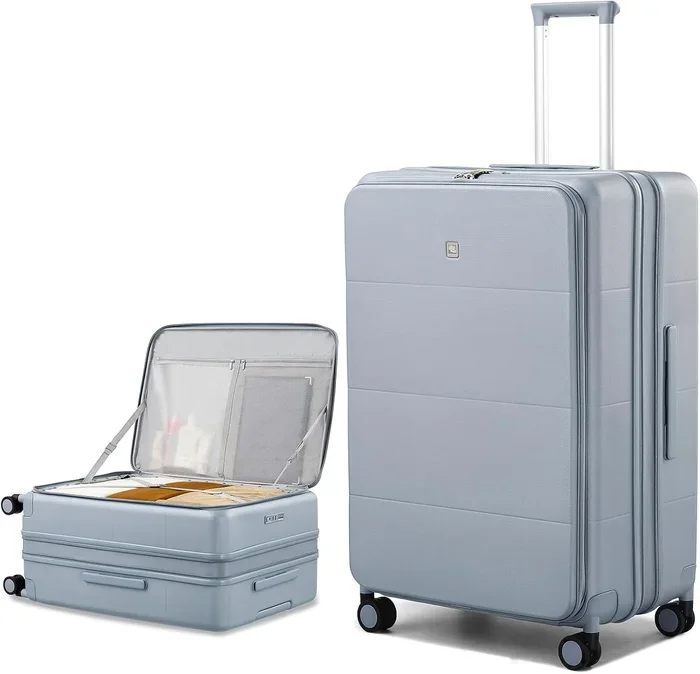
Choosing the right expandable hard shell cabin luggage can feel like navigating a maze of specifications, brand promises, and price tags. I have spent years testing carry‑ons on everything from weekend getaways to month‑long business trips, and I know how a well‑chosen suitcase can turn a stressful airport sprint into a smooth glide. This guide distills that experience into clear, actionable advice so you can invest in a bag that truly fits your travel style.
In the next sections you will learn the most important factors to evaluate, the different material categories on the market, common pitfalls that waste money, realistic budget expectations, insider tips for snagging the best deal, and answers to the questions travelers ask most often. By the end you will have a personalized checklist that makes the final purchase decision feel confident and effortless.

What to Look for When Buying Buying Guide
1. Size and Airline Compliance
The first filter for any cabin bag is whether it fits the overhead bin of the airlines you fly most. Most carriers allow a maximum of 22 × 14 × 9 inches (56 × 36 × 23 cm) including wheels and handles, but low‑cost airlines often shrink that to 21.5 × 15.5 × 9 inches. Measure the external dimensions of any model you consider, and remember that the expandable zipper adds roughly 1.5–2 inches of depth. If you frequently fly on multiple airlines, pick a bag that meets the strictest limit in its non‑expanded state; you can still use the extra space when the carrier allows it.
2. Shell Material: Polycarbonate, ABS, Aluminum, or Hybrid
Hard shells come in three main families. Polycarbonate is the gold standard for impact resistance; it flexes under pressure instead of cracking, making it ideal for frequent flyers. ABS (acrylonitrile butadiene styrene) is lighter and cheaper but more brittle—good for occasional leisure trips. Aluminum offers a premium look and exceptional rigidity, yet it dents more easily and adds weight. Hybrid designs blend a polycarbonate front with an ABS back to balance cost and durability. For most travelers, a 100 % polycarbonate shell in the 2.5–3 mm thickness range delivers the best mix of strength, weight, and price.
3. Expandable Mechanism and Zipper Quality
The expandable gusset is the feature that gives you up to 25 % more packing volume. Look for a YKK or SBS zipper with a double‑coil design; these resist snagging and keep the expansion seam water‑resistant. A lockable zipper pull that accepts a TSA‑approved lock adds security without sacrificing the ability to expand. Test the zipper in store: it should glide smoothly when the bag is empty and when fully packed. A stiff or misaligned zipper is a red flag for future failures.
4. Wheel System: Spinner vs. Inline, Bearing Quality
Four‑wheel spinner systems let you push the bag upright beside you, reducing wrist strain on long terminal walks. Eight‑wheel (dual‑spinner) setups distribute load even better and handle cobblestones more gracefully. Inline two‑wheel bags are lighter and more stable on rough pavement but require tilting. Regardless of configuration, seek precision‑ball‑bearing wheels made from polyurethane—they roll quieter, last longer, and resist flat‑spotting. Avoid cheap plastic wheels that develop wobble after a few trips.
5. Handle Ergonomics and Telescoping Range
A comfortable telescopic handle makes the difference between a pleasant stroll and a sore shoulder. Look for a multi‑stage aluminum tube with at least three height settings (typically 38, 41, 44 inches). The grip should be contoured, rubberized, and wide enough for a gloved hand. Test the lock mechanism: it must engage firmly at each stage with a audible click, and the handle should not wobble when fully extended. A recessed top carry handle and a side handle are also essential for lifting the bag into overhead bins.
6. Interior Organization and Compression
Inside, a full‑length divider panel with a zippered mesh pocket keeps clean clothes separate from shoes or toiletries. Compression straps (ideally elasticated with quick‑release buckles) flatten bulky items and prevent shifting during transit. Some premium models add a removable wet/dry pocket and a dedicated laptop sleeve that slides out for security checks. If you pack suits or dresses, a built‑in garment folder or a fold‑out suiter can save you from ironing at the hotel.
7. Weight and Carry‑On Allowance
Every ounce counts when airlines enforce a 7–10 kg (15–22 lb) cabin weight limit. A quality polycarbonate expandable carry‑on typically weighs 6.5–7.5 lb (2.9–3.4 kg) empty. Aluminum models can exceed 9 lb. Subtract the bag’s weight from your airline’s allowance to know how much payload you truly have. If you travel with heavy electronics or camera gear, prioritize the lightest shell that still meets your durability needs.
8. Warranty, Repair Network, and Brand Reputation
A strong warranty signals confidence. Look for a limited lifetime warranty that covers shell cracks, wheel failure, and handle defects. Brands with global service centers (e.g., Samsonite, Travelpro, Briggs & Riley) let you drop off a damaged bag for repair rather than shipping it overseas. Read recent user reviews for patterns—repeated complaints about zipper blowouts or handle collapse are warning signs even if the warranty looks generous on paper.
Different Types of Buying Guide

Common Buying Mistakes to Avoid
❌ Mistake: Ignoring Airline‑Specific Size Limits
Why it’s bad: A bag that fits one carrier may be rejected on another, forcing you to check it at the gate and pay fees. What to do instead: Compile a list of the airlines you use most and choose a model that meets the smallest allowed dimensions in its non‑expanded state.
❌ Mistake: Choosing Looks Over Wheel Quality
Why it’s bad: Stylish spinner wheels that are plastic‑cored seize up after a few rough terminals, turning a smooth glide into a drag. What to do instead: Prioritize polyurethane wheels with sealed ball bearings; test them on a textured floor before buying.
❌ Mistake: Over‑Expanding and Over‑Packing
Why it’s bad: The expansion zipper is not designed to hold a fully stuffed bag under pressure; seams can split and the frame can warp. What to do instead: Use the extra 1.5–2 inches only for soft items (sweaters, dirty laundry) and keep the main compartment within its structural limit.
❌ Mistake: Skipping Warranty Registration
Why it’s bad: Many brands require online registration within 30 days to activate the lifetime coverage. Missing that window leaves you with a standard one‑year warranty. What to do instead: Register immediately; keep a screenshot of the confirmation email.
❌ Mistake: Buying the Lightest Bag Without Checking Shell Thickness
Why it’s bad: Ultra‑light models sometimes shave material down to 1.8 mm, making them prone to cracking on hard impacts. What to do instead: Aim for at least 2.5 mm polycarbonate thickness unless you exclusively fly on smooth‑handling carriers.
❌ Mistake: Assuming All TSA Locks Work the Same
Why it’s bad: Cheap combination locks can jam, forcing TSA agents to cut them off and leaving your bag unsecured. What to do instead: Invest in a Travel Sentry‑approved lock with a smooth dial and a key override for yourself.
Budget Guidelines: How Much Should You Spend?
Entry‑Level ($80 – $150)
At this tier you’ll find mostly ABS or thin polycarbonate hybrids. Expect basic spinner wheels, a two‑stage handle, and a single expansion zipper. Durability is adequate for a few trips per year, but the shell may show stress cracks after heavy handling. Brands like Amazon Basics, Kenneth Cole Reaction, and some Traveler’s Choice models sit here.
Mid‑Range ($150 – $300) – Sweet Spot for Most Buyers
This range delivers 100 % polycarbonate shells (2.5–3 mm), eight‑wheel spinners, three‑stage aluminum handles, and thoughtful interior organization (divider, compression straps, wet pocket). Warranty typically extends to 5–10 years or limited lifetime. Popular lines: Samsonite Winfield 3 DLX, Travelpro Platinum Elite, Delsey Paris Chatelet Hard+.
Premium ($300 – $500)
Premium bags add features like integrated TSA‑approved lock systems, self‑healing zippers, replaceable wheel modules, and ultra‑lightweight magnesium‑alloy frames. They often include a dedicated laptop compartment that slides out for security. Examples: Briggs & Riley Baseline Domestic, Rimowa Essential Cabin (polycarbonate version), Tumi 19 Degree Aluminum (polycarbonate hybrid).
Luxury ($500 +)
Luxury models focus on craftsmanship, brand prestige, and bespoke details—hand‑stitched leather accents, monogramming, and exclusive colorways. Aluminum or carbon‑fiber shells dominate. While they perform excellently, the price premium is largely aesthetic. Buyers here value status and long‑term heirloom quality. Think Rimowa Original, Globe‑Trotter Centenary, or limited‑edition Tumi collections.
Expert Tips for Getting the Best Deal
- Shop Off‑Season: Major retailers discount luggage in January (post‑holiday) and September (back‑to‑school). You can often snag a $250 bag for under $180.
- Use Price‑Tracking Tools: Extensions like Honey, CamelCamelCamel, or Keepa alert you when a specific model drops below your target price.
- Check Manufacturer Refurbished Stores: Brands such as Briggs & Riley and Tumi sell factory‑refurbished units with full warranty at 20–30 % off.
- Leverage Credit Card Perks: Some premium cards offer purchase protection, extended warranty, or even statement credits for luggage purchases.
- Test In‑Store Before Buying Online: Feel the handle, spin the wheels, open the expansion zipper. Then buy the exact SKU online for a lower price.
- Read the Return Policy: A 30‑day no‑questions‑asked return lets you live with the bag on a real trip and return it if it doesn’t suit you.
- Bundle with Packing Cubes: Many retailers offer a discount when you add a set of compression packing cubes—these maximize the expandable space and keep you organized.

Frequently Asked Questions
Q: Can I use the expansion zipper on every flight?
A: Only if the airline’s carry‑on depth limit accommodates the expanded size. Most legacy carriers allow the extra 1.5–2 inches, but low‑cost airlines often enforce the non‑expanded dimensions. Check each carrier’s policy before you fly.
Q: How do I clean a polycarbonate shell without scratching it?
A: Wipe with a soft microfiber cloth dampened with mild soap and water. Avoid abrasive cleaners, alcohol wipes, or rough sponges. For stubborn scuffs, a small amount of automotive plastic polish applied gently restores shine.
Q: Are spinner wheels really better than two‑wheel inline?
A: Spinners excel on smooth airport floors and let you push the bag beside you, reducing wrist strain. Inline wheels handle uneven pavement, cobblestones, and curbs more stably. If you frequently navigate rough terrain, a hybrid (two large inline wheels plus two small front spinners) can be a good compromise.
Q: What does “TSA‑approved lock” actually mean?
A: It means the lock can be opened by Transportation Security Administration agents using a master key without damaging the lock. Look for the red diamond Travel Sentry logo. You keep your own combination or key; TSA only accesses it when necessary.
Q: How much weight does the expandable gusset add?
A: The extra fabric and zipper typically add 0.3–0.5 lb (150–230 g). The real weight gain comes from the extra items you pack, not the mechanism itself.
Q: Can I replace a broken wheel myself?
A: Many mid‑range and premium models use screw‑on wheel housings that you can swap with a basic hex key. Entry‑level bags often have riveted wheels that require professional repair. Check the manufacturer’s spare‑parts page before purchasing.
Q: Is a built‑in USB charger worth the extra cost?
A: Only if you regularly need to charge a phone or tablet while waiting at the gate and you don’t mind carrying a power bank inside the bag. Remember that airlines require the power bank to be removable for checked baggage, so the feature is useless if you ever gate‑check.
Q: How do I prevent the telescoping handle from wobbling?
A: Ensure the handle locks securely at each height. If wobble develops, tighten the set screws at the base of the tubes (usually accessible under a rubber cap). Regularly lubricate the sliding rails with a silicone spray.
Q: What’s the difference between a “hard shell” and a “hard side” suitcase?
A: The terms are used interchangeably. Both refer to a rigid outer shell (polycarbonate, ABS, aluminum) as opposed to soft‑sided fabric luggage. “Hard side” sometimes emphasizes that only the main panels are rigid while the frame may be fabric‑reinforced.
Q: Should I buy a matching checked‑size companion?
A: If you frequently check a bag, a matching set ensures consistent wheel feel, handle height, and aesthetic. However, you can mix brands as long as each piece meets your individual needs; there’s no functional requirement for a set.
Our Final Recommendations
- Best for Budget‑Conscious Buyers: Traveler’s Choice Maxporter II – 100 % polycarbonate, eight‑wheel spinners, 2‑year warranty, often under $130. Great for 3–4 trips a year.
- Best Overall Value: Samsonite Winfield 3 DLX – 3 mm polycarbonate, self‑healing zippers, TSA lock, 10‑year limited warranty, typically $190–$220. Handles heavy use with ease.
- Best Premium Option: Briggs & Riley Baseline Domestic Carry‑On Expandable – Lifetime “Simple as that” warranty, CX expansion system, ballistic nylon interior, replaceable wheels. Around $380.
- Best for Beginners: Delsey Paris Chatelet Hard+ – Lightweight, stylish, brake‑equipped spinner wheels that lock in place, 5‑year warranty. Easy to maneuver, forgiving for first‑time flyers.
- Best for Advanced Users / Frequent Flyers: Rimowa Essential Cabin (Polycarbonate) – Ultra‑light 2.3 kg, precision‑engineered multi‑wheel system, integrated TSA lock, iconic groove design. Premium price (~$550) but unmatched durability and resale value.
Conclusion: Making the Right Choice
You now have a complete roadmap: start with airline size limits, pick a shell material that matches your travel frequency, verify wheel and handle quality, and weigh the warranty against your budget. Remember that the “perfect” bag is the one that aligns with your specific habits—whether that’s a feather‑light polycarbonate for weekly business hops or a rugged aluminum showpiece for once‑in‑a‑lifetime adventures. Use the checklist above, test a couple of models in person if you can, and trust the data you’ve gathered. Your next trip deserves a carry‑on that works as hard as you do. Happy travels!