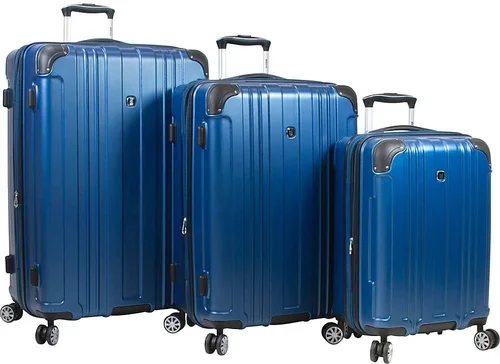
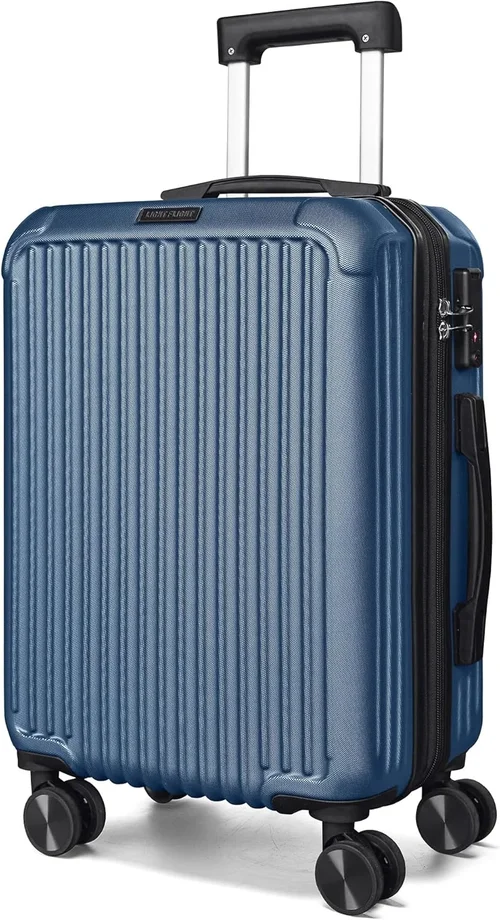
Choosing the right expandable carry‑on luggage can feel like navigating a maze of zippers, wheels, and marketing promises. Whether you’re a frequent business traveler who needs a reliable companion for weekly flights or a weekend explorer who wants a little extra space for souvenirs, the right bag makes every journey smoother. This guide breaks down every critical factor, explains the technical jargon in plain language, and gives you a clear roadmap so you can buy with confidence.
In the next sections you’ll learn what to prioritize first — size compliance, durability, and expansion mechanism — before moving on to secondary considerations like brand reputation, warranty coverage, and price tiers. We’ll also compare the main categories of expandable carry‑ons, highlight common pitfalls, and share expert timing and purchasing tips. By the end you’ll have a personalized checklist that matches your travel style and budget.
The market today offers everything from ultra‑light polycarbonate shells under $100 to hand‑crafted aluminum frames that exceed $600. Understanding where the sweet spot lies for your needs will save you money and prevent the frustration of a bag that fails at the worst possible moment. Let’s dive in.

What to Look for When Buying Expandable Carry‑On Luggage
1. Size Compliance and Airline Regulations
Before you fall in love with a design, verify that the bag’s external dimensions — including wheels, handles, and any expansion zipper — fit the most restrictive carry‑on limits you’ll encounter. Most U.S. domestic airlines allow 22 × 14 × 9 inches (56 × 36 × 23 cm), while many European carriers enforce a stricter 21.5 × 15.5 × 9 inches (55 × 40 × 23 cm). Measure the bag yourself or trust the manufacturer’s published “expanded” dimensions; a bag that expands beyond the limit can force you to check it at the gate, incurring fees and risk of damage.
2. Expansion Mechanism and Capacity Gain
Expandable carry‑ons typically use a gusseted zipper that adds 1.5–2.5 inches (3.8–6.4 cm) of depth, translating to roughly 15–25 % more packing volume. Look for a double‑track zipper with reinforced stitching; single‑track zippers tend to snag and can burst under pressure. Some premium models add a hidden expansion panel that maintains a sleek profile when not in use, which is ideal for travelers who only need extra space on return trips.
3. Shell Material and Build Quality
Three main shell families dominate the market: polycarbonate, ABS‑polycarbonate blends, and aluminum. Polycarbonate is lightweight, flexible, and resists cracking — ideal for frequent flyers who value weight savings. ABS blends are cheaper but more brittle; they can crack on hard impacts. Aluminum offers unmatched rigidity and a premium feel but adds 2–3 pounds (0.9–1.4 kg) and can dent. Examine corner reinforcements, handle attachment points, and the quality of the zipper teeth — these are the first places a bag fails.
4. Wheel System and Maneuverability
Four‑wheel spinner systems (360° rotation) are now standard because they let you glide the bag beside you rather than tilt‑and‑drag. Check wheel diameter — larger wheels (3 inches/7.5 cm or more) roll over carpet, cobblestones, and airport thresholds more smoothly. Look for sealed ball bearings and a recessed wheel housing; exposed axles collect debris and wear faster. A “quiet roll” rating from the manufacturer often correlates with higher‑grade polyurethane tread.
5. Handle Ergonomics and Telescoping Mechanism
A comfortable telescopic handle reduces wrist strain on long walks. Multi‑stage locking (usually three heights) accommodates users of different statures. Grip material matters: soft‑touch rubber or contoured foam beats hard plastic for comfort. Test the extension/retraction action — it should be smooth, with no wobble or grinding. Some brands integrate a “push‑button” release that locks the handle at each stage; avoid models that rely solely on friction.
6. Interior Organization and Compression Features
Inside, you want a mix of mesh divider panels, zippered pockets, and compression straps. A full‑length divider keeps clean clothes separate from shoes or toiletries. Compression straps (often elastic with buckle) let you cinch down bulkier items, maximizing the expansion benefit. Removable laundry or shoe bags add versatility. If you carry a laptop, verify a padded sleeve that fits a 15‑inch device without forcing the bag’s profile to bulge.
7. Weight and Packable Weight Ratio
Every ounce counts when you’re trying to stay under airline weight limits (often 15–22 lb / 7–10 kg for carry‑on). A typical polycarbonate expandable carry‑on weighs 5.5–7 lb (2.5–3.2 kg) empty. Aluminum models can exceed 9 lb (4 kg). Calculate your “packable weight ratio” — the percentage of the airline’s weight allowance consumed by the bag itself. Aim for a bag that uses no more than 30 % of the limit, leaving ample room for your belongings.
8. Warranty, Repair Network, and Brand Reputation
A solid warranty signals confidence. Look for a minimum 5‑year limited warranty covering wheels, handles, zippers, and shell cracks. Some brands (e.g., Travelpro, Briggs & Riley, Away) offer lifetime warranties with free repair or replacement. Check whether the brand has authorized repair centers near major airports; a warranty is useless if you must ship the bag across the country for service. Read recent customer reviews focusing on claim handling speed and courtesy.
Different Types of Expandable Carry‑On Luggage

Common Buying Mistakes to Avoid
❌ Mistake: Ignoring Expanded Dimensions
Why it’s bad: Many shoppers only check the “collapsed” size, then discover at the gate that the expanded depth pushes the bag over the limit, forcing a checked‑bag fee.
What to do instead: Verify both collapsed and fully expanded measurements against the strictest airline you fly. Choose a model with a compression strap that lets you shrink the bag back to legal size when needed.
❌ Mistake: Prioritizing Price Over Wheel Quality
Why it’s bad: Cheap wheels crack or seize after a few trips, turning a smooth roll into a frustrating drag that can damage the bag’s frame.
What to do instead: Invest in a bag with sealed ball‑bearing spinner wheels of at least 3 inches diameter. Read reviews specifically about wheel longevity.
❌ Mistake: Overlooking Weight of the Empty Bag
Why it’s bad: A heavy bag eats into your airline weight allowance, leaving less room for clothes and gear.
What to do instead: Target an empty weight under 7 lb (3.2 kg) for polycarbonate models. If you need aluminum, accept the weight penalty only if you value rigidity over payload.
❌ Mistake: Skipping Warranty Details
Why it’s bad: A “lifetime warranty” that only covers manufacturing defects but excludes wheel or handle wear leaves you paying for the most common repairs.
What to do instead: Read the fine print. Prefer brands that cover wheels, handles, zippers, and shell cracks for at least five years, with a simple claim process.
❌ Mistake: Buying Without Testing Handle Ergonomics
Why it’s bad: A handle that’s too short, too stiff, or poorly padded causes wrist fatigue on long terminal walks.
What to do instead: If possible, visit a store and extend the handle to your height. Simulate walking with a loaded bag (use a 10‑lb weight) to feel balance and grip comfort.
❌ Mistake: Assuming All Expandable Zippers Are Equal
Why it’s bad: Single‑track zippers can separate under load, spilling contents onto the conveyor belt.
What to do instead: Choose double‑track, self‑healing zippers with large, coated teeth. Test the zipper action — it should glide without catching.
❌ Mistake: Neglecting Interior Layout for Your Packing Style
Why it’s bad: A bag that looks great outside but lacks a laptop sleeve, compression straps, or a divider forces you to buy packing cubes separately.
What to do instead: List your typical packing items (laptop, shoes, toiletries, documents) and match them to interior features before purchasing.
Budget Guidelines: How Much Should You Spend?
Entry‑Level ($70 – $130)
At this tier you’ll find mostly ABS‑polycarbonate blends or basic polycarbonate shells with two‑wheel inline systems. Expect simple interiors — one main compartment, a mesh divider, and a single compression strap. Wheels are often smaller (2 inches) and may lack sealed bearings. Warranty is typically 1–2 years. These bags work for occasional leisure travelers who fly once or twice a year and don’t mind replacing the bag every few seasons.
Mid‑Range ($130 – $300)
This is the sweet spot for most frequent flyers. You get true polycarbonate construction, four‑wheel spinners with 3‑inch polyurethane wheels, a three‑stage telescopic handle with ergonomic grip, and a well‑thought interior: full divider, multiple zippered pockets, compression straps, and often a dedicated laptop sleeve. Expansion adds 2 inches of depth via a double‑track zipper. Warranties extend to 5–10 years, and many brands offer repair kits. Brands like Travelpro, Samsonite, and Away dominate here.
Premium ($300 – $500)
Premium models upgrade materials (e.g., Makrolon polycarbonate, reinforced corner guards), add silent‑roll wheels with precision bearings, and feature a “push‑button” handle lock with four height settings. Interiors include removable packing cubes, a wet/dry pocket, and a TSA‑approved lock integrated into the zipper pulls. Expansion mechanisms are often hidden, preserving a sleek profile. Warranty is usually lifetime with free repair shipping. Expect brands like Briggs & Riley, Tumi, and Rimowa’s entry lines.
Luxury ($500+)
Luxury carry‑ons use aluminum or magnesium alloy frames, hand‑stitched leather accents, and bespoke interior layouts (custom compartments for watches, pens, documents). Wheels are often Japanese‑made Hinomoto Lisof silent spinners. Smart features — GPS tracking, built‑in scale, USB‑C power bank — are standard. Warranty includes concierge service: a courier picks up the bag for repair and returns it. These are status pieces for travelers who value craftsmanship and brand heritage as much as function.
Expert Tips for Getting the Best Deal
- Buy during off‑season sales. Late January (post‑holiday) and September (back‑to‑school) see 20–30 % discounts on previous‑year models.
- Sign up for brand newsletters. Many direct‑to‑consumer brands (Away, Monos) send exclusive 10–15 % coupon codes to subscribers.
- Check authorized outlet stores. Outlet locations often carry last‑season colors at 40 % off with full warranty.
- Use price‑tracking tools. Browser extensions like Honey or CamelCamelCamel alert you when a specific model drops below your target price.
- Consider refurbished or “open‑box” units. Manufacturers sometimes sell returned bags with minor cosmetic blemishes at 50 % off, still covered by full warranty.
- Leverage credit‑card travel perks. Some premium cards offer statement credits for luggage purchases or extended warranty protection.
- Test in‑store before ordering online. Even if you buy online for a better price, handling the bag first confirms handle height, wheel feel, and expansion smoothness.
- Read the return policy carefully. A 30‑day no‑questions‑asked return lets you test the bag on a real trip; avoid final‑sale clearance items.

Frequently Asked Questions
Q: What is the maximum size for an expandable carry‑on on most U.S. airlines?
A: The standard domestic limit is 22 × 14 × 9 inches (including wheels and handles). When expanded, many bags exceed the depth allowance, so always measure the fully expanded dimensions before you fly.
Q: Can I use the expansion zipper on a full flight?
A: Only if the expanded bag still fits within the airline’s size limit. If the overhead bin is tight, flight attendants may ask you to compress the bag or gate‑check it. A compression strap helps you shrink the bag quickly.
Q: Are spinner wheels better than inline wheels for carry‑ons?
A: Yes. Four‑wheel spinners let you push the bag upright beside you, reducing wrist strain and improving stability on smooth airport floors. Inline wheels are better on rough terrain but require tilting.
Q: How do I clean a polycarbonate shell?
A: Wipe with a damp microfiber cloth and mild soap. Avoid abrasive cleaners or solvents that can dull the finish. For scuffs, a small amount of automotive plastic polish restores shine.
Q: Does a lifetime warranty cover airline damage?
A: Most lifetime warranties cover manufacturing defects only. Damage from baggage handling (crushed corners, broken wheels) is usually excluded, though some brands offer a “damage protection” add‑on for a fee.
Q: What’s the advantage of a built‑in TSA lock versus a separate padlock?
A: Integrated TSA locks are flush with the zipper pulls, reducing snag risk and eliminating the need to carry an extra lock. They also can’t be lost. However, a separate high‑security padlock can be used on any bag.
Q: How much extra volume does a typical 2‑inch expansion add?
A: Roughly 15–25 % more packing space, which translates to about 2–3 extra outfits or a pair of shoes. The exact gain depends on the bag’s base dimensions.
Q: Are smart luggage features worth the extra cost?
A: If you frequently need to charge devices on the go, a built‑in USB‑C port with a removable power bank is convenient. GPS tracking adds peace of mind for checked bags but is less critical for carry‑ons that stay with you.
Q: Can I replace wheels myself?
A: Many mid‑range and premium brands sell wheel replacement kits and provide video tutorials. Entry‑level bags often have riveted wheels that aren’t user‑serviceable.
Q: What should I do if my expandable zipper gets stuck?
A: Gently work the zipper back and forth while applying a graphite lubricant or a bar of soap to the teeth. Avoid forcing it, which can separate the tracks.
Our Final Recommendations
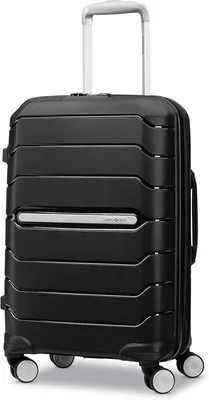
- Best for Budget‑Conscious Buyers: Samsonite Freeform Hardside Expandable Carry‑On — Polycarbonate shell, 3‑inch spinner wheels, 1.5‑inch expansion, 10‑year limited warranty, typically under $130.
- Best Overall Value: Travelpro Platinum Elite Expandable Carry‑On — Precision‑glide wheels, Contour grip handle, suiter system, lifetime warranty, around $250.
- Best Premium Option: Briggs & Riley Baseline Domestic Carry‑On Expandable — CX expansion‑compression system, ballistic nylon exterior, lifetime warranty with free repair, about $380.
- Best for Beginners: Away The Bigger Carry‑On — Simple design, ejectable battery (optional), 100‑day trial, lifetime warranty, $275.
- Best for Advanced Users: Rimowa Essential Cabin Plus — Aluminum‑magnesium alloy, Hinomoto silent wheels, integrated TSA lock, modular interior, $600+.
Conclusion: Making the Right Choice
Selecting an expandable carry‑on is a balance of size compliance, durability, weight, and the features that match your travel rhythm. Start by confirming the strictest airline dimensions you’ll face, then prioritize a double‑track expansion zipper, four‑wheel spinner system with sealed bearings, and a handle that locks at your height. Choose a shell material that aligns with how often you fly and how much abuse the bag will endure. Don’t let a low price tempt you into a bag that will fail after a few trips — invest in a warranty that covers the parts most likely to break.
Use the budget tiers as a framework: if you travel once a year, an entry‑level model suffices; weekly flyers should target the mid‑range sweet spot; road warriors who value longevity and service will appreciate premium or luxury options. Apply the expert timing tips — shop off‑season, track prices, and test in‑store — to stretch your dollar further.
Now you have a complete checklist, a clear comparison of types, and concrete recommendations. Take the next step: measure your most used airline’s carry‑on limits, list your must‑have interior features, and pick the bag that checks every box. Your future self — breezing through the terminal with a smooth‑rolling, perfectly packed carry‑on — will thank you.