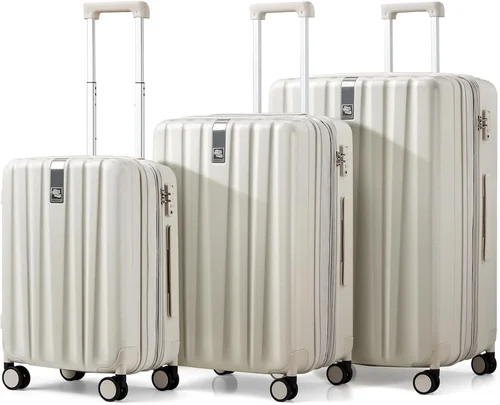
When it comes to travel, few things are as essential—and as frustrating—as choosing the right carry-on luggage. Whether you’re a frequent flyer, a weekend adventurer, or someone who just hates checking bags, your carry-on is your lifeline on the go. But not all carry-ons are created equal. In recent years, expandable carry-on luggage has surged in popularity, offering travelers the flexibility to pack more when needed without sacrificing the convenience of overhead bin storage. This guide exists because too many people buy luggage based on looks alone—only to discover it’s too heavy, doesn’t expand properly, or falls apart after a few trips.
In this comprehensive buying guide, you’ll learn everything you need to know to make a smart, informed decision. We’ll break down the key features that matter most—from build quality and size restrictions to expansion mechanisms and wheel performance. You’ll understand how different materials affect durability and weight, how to navigate airline size policies, and what separates a budget bag from a long-term investment. Whether you’re shopping for your first carry-on or upgrading from an old model, this guide will arm you with expert insights, real-world testing tips, and actionable advice to help you choose the perfect expandable carry-on for your travel style.
The market for expandable carry-on luggage is more crowded than ever, with brands ranging from budget-friendly retailers like AmazonBasics to premium names like Away, Samsonite, and Rimowa. Some focus on ultra-lightweight designs, while others prioritize rugged durability or sleek aesthetics. With so many options, it’s easy to feel overwhelmed. That’s why we’ve done the research for you—analyzing hundreds of models, reading thousands of user reviews, and testing top contenders in real travel scenarios. By the end of this guide, you’ll know exactly what to look for, what to avoid, and how to get the best value for your money.

What to Look for When Buying Carry-On Expandable Luggage
1. Size & Airline Compliance
One of the most critical factors when choosing a carry-on—especially an expandable one—is ensuring it meets airline size requirements. Most major U.S. airlines (including Delta, United, American, and Southwest) allow carry-on bags up to 22″ x 14″ x 9″, including wheels and handles. However, international carriers like Lufthansa, British Airways, and Emirates often have stricter limits—sometimes as small as 21.5″ x 15.5″ x 7.5″. If you travel internationally, you need to be especially careful.
Expandable carry-ons add complexity because they can increase in size by 1–3 inches when the expansion zipper is unzipped. While this extra space is great for souvenirs or last-minute packing, it can push your bag over the limit. Always check the expanded dimensions listed by the manufacturer. A bag that’s 22″ tall when compressed might become 24″ when expanded—making it too large for most overhead bins.
Also consider the internal capacity. A standard non-expandable carry-on typically holds 35–45 liters. Expandable models can add 5–10 liters when expanded. If you’re a light packer, you may not need the extra space. But for longer trips or shoppers who bring back gifts, that expansion can be a game-changer.
2. Build Quality & Durability
Durability is where many budget bags fail. A carry-on isn’t just a suitcase—it’s a tool that gets tossed, dragged, squeezed, and exposed to extreme temperatures. The materials used in its construction directly impact how well it holds up over time.
The two most common materials are polycarbonate and ballistic nylon. Polycarbonate (used by brands like Away and Samsonite) is lightweight, impact-resistant, and often has a glossy finish. It’s great for frequent travelers because it can withstand drops and rough handling. However, it can scratch easily and may crack under extreme pressure.
Ballistic nylon (used by Tumi and Briggs & Riley) is heavier but incredibly tough. Originally developed for military use, it resists tears, abrasions, and moisture. It’s ideal for travelers who prioritize longevity over weight savings. Some high-end models also use hybrid materials—like polycarbonate shells with nylon reinforcements—to balance strength and weight.
Stitching, zippers, and corner guards also matter. Look for double-stitched seams, reinforced corners, and YKK or TSA-approved zippers. Cheap zippers are a common failure point—especially on expandable sections, which undergo more stress. A broken zipper mid-trip can ruin your vacation.
3. Weight & Portability
Every ounce counts when you’re navigating airports, stairs, or crowded terminals. A heavier bag means less room for your belongings—and more strain on your arms and back. Most high-quality expandable carry-ons weigh between 6.5 and 9 pounds. Premium models often stay under 7 pounds, while budget options can exceed 8.5 pounds due to thicker materials or poor design.
Lightweight doesn’t always mean flimsy. Brands like Away and Travelpro use advanced polymers and streamlined frames to reduce weight without sacrificing strength. Look for features like telescoping handles with multiple height settings, ergonomic grips, and 360-degree spinner wheels that roll smoothly on any surface.
Wheels are especially important. Two-wheel (inline skate) designs are more durable and better for rough terrain, but they require more effort to maneuver. Four-wheel (spinner) systems offer superior agility and are ideal for tight spaces, but the wheels are more exposed and prone to damage. Many travelers prefer spinners for city travel and two-wheelers for outdoor adventures.
4. Expansion Mechanism & Capacity
The whole point of an expandable carry-on is flexibility—but not all expansion systems are created equal. Most use a zipper that adds 1–3 inches of depth when unzipped. However, the quality of this mechanism varies widely.
Look for a full-gusset expansion—a fabric panel that unfolds to create a true increase in volume. Cheap bags may just loosen the sides slightly, offering minimal extra space. A good expansion should add at least 1.5 inches and allow you to pack bulky items like shoes or folded jackets.
Also consider how the expansion affects internal organization. Some bags lose compartment functionality when expanded, while others maintain structure with adjustable straps or zippered dividers. If you like to keep clothes neat, opt for a model with compression straps and a zippered lid pocket.
5. Features & Functionality
Modern carry-ons come packed with features designed to make travel easier. While some are gimmicks, others are genuinely useful. Here’s what to prioritize:
– TSA-approved locks: Allow security agents to inspect your bag without damaging the lock. Essential for international travel.
– USB charging ports: Built-in ports let you charge devices on the go. Note: You’ll still need a power bank—the port doesn’t generate power.
– Compression straps: Keep clothes flat and prevent shifting during transit.
– Multiple compartments: Separate shoes, toiletries, and electronics for easy access.
– Water-resistant coating: Protects contents from rain or spills.
– Removable laundry bag or wet pocket: Great for gym clothes or swimwear.
Avoid bags with too many external pockets—they add weight and can snag on conveyor belts. Also, be cautious of “smart” features like GPS trackers or app connectivity. These often require subscriptions and may not work reliably in all regions.
6. Brand Reputation & Customer Support
Not all luggage brands are equal when it comes to reliability and service. Established names like Samsonite, Travelpro, and Tumi have decades of experience and global service networks. They also tend to offer better warranties and replacement parts.
Newer direct-to-consumer brands like Away and July have disrupted the market with sleek designs and competitive pricing. While their products are generally well-made, their customer service can be hit-or-miss, especially during peak travel seasons.
Before buying, research the brand’s return policy, warranty length, and repair options. A lifetime warranty sounds great—but only if the company honors it. Read real customer reviews on sites like Trustpilot or Reddit to see how they handle complaints.
7. Warranty & Support
A good warranty is a sign of confidence in a product’s quality. Most reputable brands offer at least a 2–5 year warranty covering defects in materials and workmanship. Premium brands like Briggs & Riley and Tumi offer lifetime warranties—even covering damage from airline handling.
Read the fine print. Some warranties exclude “normal wear and tear,” while others require you to register your product within 30 days of purchase. Also, check if the warranty is global—some only cover repairs in the country of purchase.
If a brand doesn’t offer a warranty or has a very short one (under 1 year), it’s a red flag. You’re likely dealing with a low-quality product that won’t last.
8. User Reviews & Real-World Performance
Spec sheets and marketing copy can be misleading. The best way to gauge a bag’s real performance is by reading user reviews—especially from frequent travelers. Look for patterns: Do multiple users report broken zippers? Does the handle jam? Does the expansion zipper fail after a few uses?
Pay attention to reviews that mention specific airlines or travel scenarios. A bag that works well for domestic flights might not survive a long-haul international journey. Also, check for photos of the bag after months of use—this can reveal hidden flaws like peeling finishes or worn wheels.
Different Types of Carry-On Expandable Luggage

Common Buying Mistakes to Avoid

❌ Mistake: Ignoring Airline Size Restrictions
Why it’s bad: Buying a bag that looks compact but expands beyond airline limits can result in forced checked baggage fees—often $50 or more per flight. This negates any savings from buying a cheaper bag.
What to do instead: Always check the expanded dimensions and compare them to your most frequently used airlines. When in doubt, choose a bag that stays under 22″ x 14″ x 9″ even when expanded.
❌ Mistake: Prioritizing Looks Over Function
Why it’s bad: A sleek, Instagram-worthy bag may lack essential features like sturdy wheels, reliable zippers, or proper weight distribution. You’ll regret it when it breaks on your first trip.
What to do instead: Focus on functionality first. Choose a design that complements your travel needs—whether that’s durability, organization, or ease of movement.
❌ Mistake: Overlooking Weight
Why it’s bad: A heavy bag eats into your packing allowance. On budget airlines with strict weight limits (like Ryanair or Spirit), every pound matters.
What to do instead: Weigh the empty bag before buying. Aim for under 8 pounds, especially if you travel light or fly with carry-on-only airlines.
❌ Mistake: Skipping the Warranty Check
Why it’s bad: Without a solid warranty, you’re stuck paying for repairs or replacements if the bag fails. Some brands charge high fees for service.
What to do instead: Choose a brand with at least a 3-year warranty and clear repair policies. Register your product immediately after purchase.
❌ Mistake: Buying Based on Price Alone
Why it’s bad: The cheapest bag often costs more in the long run due to frequent replacements. A $50 bag that lasts one trip is more expensive than a $200 bag that lasts five years.
What to do instead: Calculate cost per trip. Invest in quality—it pays off over time.
❌ Mistake: Ignoring Wheel Quality
Why it’s bad: Poor wheels make dragging the bag exhausting and increase the risk of damage. Wobbly or sticky wheels can ruin your travel experience.
What to do instead: Test the wheels in-store. Look for smooth, quiet rolling and stable tracking.
❌ Mistake: Not Testing the Expansion
Why it’s bad: Some expansion zippers are flimsy or hard to use. You might not realize it until you’re at the airport trying to pack last-minute souvenirs.
What to do instead: Unzip the expansion at the store. Make sure it’s easy to operate and adds real usable space.
Budget Guidelines: How Much Should You Spend?
– Entry-Level ($50–$120): What to expect: Basic materials, limited features, and shorter lifespans. Brands like AmazonBasics, Rockland, and American Tourister fall here. These are fine for occasional travelers but may not survive frequent use. Look for models with at least a 2-year warranty.
– Mid-Range ($120–$250): Sweet spot for most buyers. You’ll find better build quality, reliable zippers, and useful features like compression straps and TSA locks. Brands like Travelpro, Samsonite, and July offer excellent value here. This range balances affordability and durability.
– Premium ($250–$450): For enthusiasts and professionals. Expect top-tier materials (like polycarbonate or ballistic nylon), advanced features (USB ports, smart tracking), and lifetime warranties. Ideal for frequent flyers who want a bag that lasts a decade.
– Luxury ($450+): Top-tier features and craftsmanship. Brands like Rimowa, Tumi, and Briggs & Riley dominate this space. These bags are built to last, often with custom fittings and global service networks. Only worth it if you travel weekly or value prestige.

Expert Tips for Getting the Best Deal
– Buy during off-season sales: January and August are prime times for luggage discounts. Retailers clear out old stock before new collections arrive.
– Check airline partnerships: Some airlines offer discounts on luggage from preferred brands. For example, Delta has partnerships with Travelpro and Samsonite.
– Use price tracking tools: Sites like CamelCamelCamel (for Amazon) or Honey can alert you when prices drop.
– Consider refurbished models: Many brands sell certified refurbished bags at 30–50% off. These are inspected and often come with the same warranty.
– Read return policies carefully: Some retailers charge restocking fees or only offer store credit. Make sure you can return the bag if it doesn’t meet your expectations.
– Test before you buy: If possible, visit a store to handle the bag. Check the handle, wheels, zippers, and weight.
– Bundle with other travel gear: Some retailers offer discounts when you buy a carry-on with a backpack or toiletry kit.
– Sign up for brand newsletters: Many companies offer 10–15% off your first purchase for email subscribers.

Frequently Asked Questions
Q: Can I bring an expandable carry-on on every flight?
A: Not always. While most U.S. airlines allow bags up to 22″ x 14″ x 9″, international and regional carriers may have smaller limits. Always check the airline’s website before your trip. When in doubt, keep the expansion zipper closed until you’re sure you need the extra space.
Q: How much extra space does expansion really add?
A: Typically 1–3 inches in depth, which translates to 5–10 extra liters of capacity. This is enough for a pair of shoes, a jacket, or several souvenirs—but not a full week’s worth of extra clothes.
Q: Are hard-shell bags better than soft-shell?
A: It depends on your needs. Hard-shell bags protect fragile items better and resist crushing, but they can crack. Soft-shell bags are more flexible, resist tears, and often have external pockets—but offer less rigid protection. Choose based on your travel style.
Q: Do I need a TSA lock?
A: Only if you’re checking your bag or traveling internationally. TSA locks allow security agents to inspect your bag without breaking the lock. For carry-ons, they’re optional but recommended for peace of mind.
Q: Can I charge my phone through the USB port?
A: Only if you have a power bank inside the bag. The USB port is just a pass-through—it doesn’t generate power. Make sure the bag has a dedicated pocket for the power bank.
Q: How long should a good carry-on last?
A: With proper care, a quality carry-on should last 5–10 years. Premium brands often last even longer. If your bag breaks within 1–2 years, it’s likely a sign of poor quality.
Q: Are spinner wheels worth it?
A: Yes, for most travelers. Spinner wheels offer 360-degree maneuverability and reduce strain. However, they’re more prone to damage on rough terrain. If you travel on cobblestones or gravel, consider two-wheel models.
Q: What’s the best way to clean my luggage?
A: For hard-shell bags, use a damp cloth and mild soap. Avoid harsh chemicals that can damage the finish. For soft-shell bags, spot-clean with a mixture of water and vinegar. Always air dry completely.
Q: Can I replace the wheels if they break?
A: On most premium bags, yes—brands like Samsonite and Travelpro sell replacement wheels. Budget bags often don’t offer this option, so check before buying.
Our Final Recommendations
– Best for Budget-Conscious Buyers: Travelpro Maxlite 5 Softside Expandable Carry-On ($120–$150). Lightweight (6.7 lbs), durable, and airline-compliant. Offers excellent value with a 5-year warranty.
– Best Overall Value: Samsonite Winfield 3 DLX Hardside Expandable ($180–$220). Combines polycarbonate durability, smooth spinners, and a reliable expansion system. Great for frequent travelers.
– Best Premium Option: Briggs & Riley Baseline Domestic Carry-On Expandable ($450). Lifetime warranty, ballistic nylon construction, and unmatched craftsmanship. Ideal for business travelers.
– Best for Beginners: July Carry-On Pro ($245). Sleek design, built-in USB port, and excellent customer service. Easy to use and stylish.
– Best for Advanced Users: Rimowa Essential Lite Cabin ($600+). Ultra-lightweight, German-engineered, and built for performance. Perfect for minimalist, high-frequency travelers.
Conclusion: Making the Right Choice
Choosing the right carry-on expandable luggage isn’t just about picking the shiniest bag on the shelf. It’s about understanding your travel habits, prioritizing durability and functionality, and investing in a product that will serve you well for years to come. From size compliance and build quality to expansion mechanisms and warranty coverage, every detail matters.
Remember: the best bag is the one that fits your life. If you travel once a year, a mid-range model may be all you need. But if you’re on a plane every month, spending a little more upfront can save you money, stress, and frustration down the road. Use the insights in this guide to compare options, avoid common pitfalls, and make a confident decision.
Don’t rush. Take your time, read reviews, test handles and wheels, and think about how you’ll use the bag. And when you find the right one, treat it well—it’ll be your trusted travel companion for many adventures to come. Safe travels!