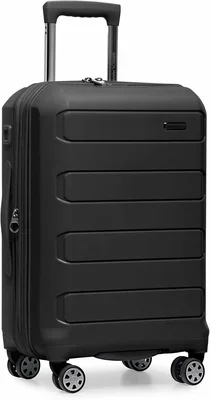
Choosing the right expandable carry‑on luggage can feel like navigating a maze of specifications, brand promises, and price tags. Whether you are a frequent business traveler, a weekend adventurer, or someone who simply wants a reliable bag that fits overhead bins and expands for those extra souvenirs, the decision matters. A well‑chosen carry‑on saves you time at the gate, protects your belongings, and can even make packing a more enjoyable ritual.
In this guide we break down every critical factor you should weigh before buying, explain the technical jargon in plain language, compare the main categories on the market, and give you concrete budget ranges so you know exactly what to expect at each price point. You will also learn the most common buying mistakes, expert timing tips for snagging a deal, and answers to the questions travelers ask most often. By the end you will have the confidence to pick a carry‑on that matches your travel style, durability needs, and wallet.
The expandable carry‑on segment has exploded in recent years, with legacy luggage makers and direct‑to‑consumer brands alike rolling out models that promise extra capacity without sacrificing the strict size limits imposed by airlines. Innovations such as magnetic compression straps, self‑healing zippers, and integrated USB ports have blurred the line between “basic” and “premium.” Understanding which features truly add value — and which are marketing fluff — is the key to a purchase you won’t regret.

What to Look for When Buying Buying Guide
1. Size Compliance and Airline Regulations
Before you fall in love with a bag’s aesthetics, verify that its dimensions — both in the standard and expanded states — meet the carry‑on limits of the airlines you fly most often. Most U.S. carriers allow a maximum of 22 × 14 × 9 inches (including wheels and handles), while many European and Asian airlines enforce slightly tighter limits, sometimes as low as 21.5 × 13.5 × 7.5 inches. An expandable bag that exceeds the limit when fully unzipped may force you to check it at the gate, incurring fees and delays.
Look for manufacturers that publish both “collapsed” and “expanded” measurements. Some brands even provide a “fit guarantee” chart listing compatible airlines. If you frequently switch carriers, prioritize a model that stays within the most restrictive dimensions even when expanded, or choose a bag with a modest expansion (typically 1.5–2 inches) that you can control.
2. Expansion Mechanism and Capacity Gain
The hallmark of this category is the zippered expansion gusset that adds extra interior volume. Expansion depth typically ranges from 1 inch to 2.5 inches, translating to roughly 15–30 percent more packing space. However, not all expansion systems are created equal. Look for a gusset that runs the full perimeter of the main compartment, reinforced with double‑stitched seams and a sturdy zipper track. Cheaper models often use a single‑layer fabric gusset that can tear under load.
Consider how you will use the extra space. If you mainly need room for a bulky jacket or a pair of shoes, a modest 1‑inch expansion suffices. For travelers who regularly bring back shopping hauls or need to pack a week’s worth of clothing in a single bag, a 2‑inch or greater expansion is worthwhile — provided the bag still fits the airline’s size envelope when fully expanded.
3. Build Materials: Shell Fabric, Frame, and Zippers
Durability starts with the outer shell. The most common materials are:
- Polycarbonate (PC) – Lightweight, impact‑resistant, and flexible enough to absorb shocks without cracking. Ideal for hard‑shell expandables.
- Ballistic Nylon (1680D or 1050D) – Extremely abrasion‑resistant, water‑repellent, and lighter than traditional Cordura. Preferred for soft‑shell expandables.
- Aluminum‑magnesium alloy frames – Found on premium hard‑shell models; they add rigidity while keeping weight low.
Zippers are the weak link on any expandable bag. YKK or SBS branded zippers with self‑healing coils (the teeth realign after a snag) are a strong indicator of quality. Look for lockable zipper pulls that accept TSA‑approved combination locks. Reinforced zipper tape (double‑stitched or welded) prevents the expansion gusset from separating under stress.
4. Wheel System: Spinner vs. Inline, Bearing Quality, and Replaceability
Four‑wheel spinner systems dominate the expandable carry‑on market because they allow 360° maneuverability in tight aisles. Key differentiators:
- Ball‑bearing vs. sleeve bearings – Ball bearings roll smoother and last longer, especially on rough pavement.
- Wheel diameter – 3‑inch wheels handle cracks and carpet better than 2‑inch wheels.
- Removable wheels – Some premium brands (e.g., Briggs & Riley, Travelpro) offer user‑replaceable wheel modules, extending the bag’s lifespan dramatically.
If you frequently navigate cobblestone streets or airport tram tracks, prioritize larger, rubber‑coated wheels with sealed ball bearings. For mostly smooth terminal floors, standard 2.5‑inch spinners are sufficient and keep weight down.
5. Handle System: Telescoping Mechanism, Grip Ergonomics, and Lock Positions
A telescoping handle should extend and retract with one hand, lock securely at multiple heights (usually three), and feel stable when fully extended. Aluminum tubes with anodized finish resist corrosion and bending. The grip material matters too — contoured rubber or thermoplastic elastomer reduces hand fatigue during long walks. Some high‑end models feature a “push‑button” release that locks the handle at any height, not just preset notches.
Check the handle’s attachment points: reinforced stitching or molded polymer brackets distribute stress to the shell rather than the fabric. A handle that wobbles or feels loose after a few trips is a red flag.
6. Interior Organization: Compartments, Compression Straps, and Accessory Pockets
Expandable carry‑ons shine when the interior layout matches your packing style. Look for:
- Split‑case design – Two equal halves with a zippered divider; great for separating clean/dirty clothes.
- Compression straps – Elastic or webbing straps that cinch down contents, preventing shift during transit.
- Mesh zippered pockets – Ideal for toiletries, cables, or documents.
- Suiter or garment sleeve – A dedicated fold‑out panel that keeps a suit or dress wrinkle‑free.
Some brands add a removable packing cube set or a built‑in laundry bag. While not essential, these extras can simplify organization and are worth the small weight penalty if you value order.
7. Weight and Carry‑On Weight Limits
Airline weight restrictions for carry‑ons vary widely — some budget carriers enforce a 7 kg (15.4 lb) limit, while most major airlines allow 10 kg (22 lb) or more. The bag’s empty weight directly reduces your packing allowance. Hard‑shell polycarbonate models typically weigh 6–7 lb; soft‑shell ballistic nylon models can be as light as 4.5 lb. If you fly low‑cost carriers often, prioritize a sub‑5 lb bag even if it means sacrificing a few premium features.
8. Warranty, Repair Network, and Brand Support
A strong warranty signals confidence in build quality. Look for:
- Lifetime limited warranty – Covers defects in materials and workmanship for the life of the product (often excludes airline damage).
- Repair‑or‑replace policy – Some brands (e.g., Briggs & Riley, Tumi) will repair any functional damage for a nominal fee, even if caused by airlines.
- Authorized repair centers – Availability in major cities means you won’t have to ship the bag cross‑country for a wheel replacement.
Read the fine print: many “lifetime” warranties only cover the original purchaser and require product registration within 30 days.
Different Types of Buying Guide

Common Buying Mistakes to Avoid
❌ Mistake: Ignoring Airline‑Specific Size Limits
Why it’s bad: A bag that fits one carrier’s overhead bin may be rejected on another, forcing a gate check and extra fees.
What to do instead: Compile a list of the airlines you fly most and choose a model that meets the strictest dimensions even when expanded.
❌ Mistake: Prioritizing Expansion Over Structural Integrity
Why it’s bad: Over‑expanding a weakly reinforced gusset can cause seam failure, zipper blowouts, or a warped frame.
What to do instead: Select a bag with a full‑perimeter, double‑stitched expansion gusset and high‑quality YKK zippers; test the expansion in‑store by packing it to capacity.
❌ Mistake: Overlooking Empty Weight
Why it’s bad: A heavy bag eats into your weight allowance, especially on low‑cost carriers with 7 kg limits.
What to do instead: Target a sub‑5 lb empty weight if you frequently fly budget airlines; otherwise, a 6‑7 lb hard‑shell is acceptable.
❌ Mistake: Buying Based Solely on Brand Name
Why it’s bad: Legacy brands sometimes rest on reputation while newer direct‑to‑consumer companies offer equal or better specs for less.
What to do instead: Compare specifications side‑by‑side (wheel bearings, zipper grade, warranty) rather than relying on logo prestige.
❌ Mistake: Skipping Warranty Registration
Why it’s bad: Many lifetime warranties require registration within 30 days; missing this voids coverage.
What to do instead: Register the product immediately after purchase and keep the receipt and registration confirmation.
❌ Mistake: Neglecting Wheel Replaceability
Why it’s bad: Wheels are the first component to wear out; non‑replaceable wheels render the bag useless.
What to do instead: Choose a model with user‑replaceable wheel modules or a brand that offers affordable wheel‑replacement kits.
❌ Mistake: Assuming All “Smart” Features Are Useful
Why it’s bad: Built‑in power banks may exceed airline battery limits; GPS trackers add weight and subscription fees.
What to do instead: Evaluate each smart feature against your actual travel habits; a removable power bank you already own is often more versatile.
Budget Guidelines: How Much Should You Spend?
Entry‑Level ($60 – $130)
At this tier you’ll find polyester or low‑denier nylon shells, basic inline skate wheels, and single‑stage expansion (usually 1 inch). Zippers are often generic, and warranties are limited to 1–2 years. These bags work fine for a few trips per year on major carriers with generous size allowances, but they may show wear (wheel wobble, fabric pilling) after 12–18 months of heavy use.
Mid‑Range ($130 – $250)
This is the sweet spot for most travelers. Expect ballistic nylon (1050D–1680D) or polycarbonate shells, four‑wheel spinner systems with sealed ball bearings, YKK self‑healing zippers, and a 2‑inch expansion gusset. Warranties extend to 5 years or lifetime limited, and many brands offer repair kits. Interior organization includes compression straps, mesh pockets, and often a suiter sleeve. Weight typically falls between 5–6.5 lb.
Premium ($250 – $450)
Premium models add aluminum‑magnesium frames, magnetic compression straps, replaceable wheel modules, and premium handle ergonomics (multi‑height lock, contoured grip). Hard‑shell versions may feature a “flex‑shell” polycarbonate blend that absorbs impacts without cracking. Warranties are truly lifetime with global repair networks. Weight can be slightly higher (6.5–7.5 lb) due to reinforced structure, but the durability payoff is substantial for weekly flyers.
Luxury ($450 +)
Luxury carry‑ons incorporate hand‑stitched leather accents, custom‑fit interior modules, integrated TSA‑approved locks with biometric fingerprint readers, and sometimes a built‑in digital scale. Brands like Rimowa, Tumi’s top line, and Briggs & Riley’s “Baseline” series dominate here. The price reflects craftsmanship, brand cachet, and a concierge‑level repair service (often free shipping both ways). For most travelers the functional gains over premium are marginal; buy luxury if you value status and heirloom‑quality aesthetics.
Expert Tips for Getting the Best Deal
- Shop Off‑Season: Major luggage sales occur in January (post‑holiday clearance), May (pre‑summer travel), and September (back‑to‑school). Black Friday and Cyber Monday also bring deep discounts, but inventory on popular models can be thin.
- Sign Up for Brand Newsletters: Many direct‑to‑consumer brands (e.g., Away, Monos, Paravel) offer a 10‑15 % first‑purchase coupon and early‑access to limited‑edition colors.
- Check Authorized Refurbished Programs: Brands like Briggs & Riley and Travelpro sell factory‑refurbished units with full warranty at 30‑40 % off retail.
- Use Price‑Tracking Tools: Browser extensions (Honey, CamelCamelCamel) alert you when a specific SKU drops below your target price.
- Leverage Credit‑Card Travel Perks: Some premium cards (Chase Sapphire Reserve, Amex Platinum) provide statement credits for luggage purchases or complimentary baggage insurance that covers damage.
- Test In‑Store Before Buying Online: Even if you plan to buy online for a better price, visit a physical retailer to feel the handle, spin the wheels, and test the expansion zipper. This reduces the risk of a costly return.
- Read the Return Policy Fine Print: Ensure the retailer offers a 30‑day no‑questions‑asked return with free return shipping; some “final sale” clearance items are non‑returnable.
- Consider Bundled Packing Cubes: Some brands include a set of packing cubes that retail for $30‑$50 separately; factor that value into the total cost comparison.

Frequently Asked Questions
Q: Can I use the expanded size on any airline?
A: No. Most airlines measure the bag at the gate in its current state. If you have expanded the gusset, the bag may exceed the allowed dimensions. Only expand when you are certain the airline’s limit permits the larger size, or be prepared to compress it before boarding.
Q: How do I clean a ballistic nylon expandable carry‑on?
A: Spot‑clean with a mild detergent, lukewarm water, and a soft brush. Avoid machine washing — agitation can delaminate the water‑repellent coating and damage the expansion gusset. For hard‑shell models, wipe with a damp microfiber cloth and a non‑abrasive cleaner.
Q: Are spinner wheels really better than two‑wheel inline wheels?
A: Spinners excel in tight aisles and allow you to push the bag beside you. Inline wheels handle rough pavement and curbs better because they have larger diameter and a fixed axis. If you frequently navigate cobblestones or uneven sidewalks, a high‑quality two‑wheel model may actually be more durable.
Q: What does “self‑healing zipper” mean?
A: The zipper’s coil teeth are designed to realign after a minor snag. When the slider passes over a misaligned tooth, the coil’s memory forces it back into position, preventing a permanent split. This dramatically reduces the chance of a zipper failure during a trip.
Q: Do I need a TSA‑approved lock on an expandable carry‑on?
A: It’s highly recommended. TSA agents can open the lock with a master key without cutting it. Many expandable bags come with built‑in combination locks that accept TSA keys; if yours doesn’t, purchase a small TSA‑approved padlock for the zipper pulls.
Q: How much extra capacity does a 2‑inch expansion really give?
A: Roughly 20‑30 % more volume. For a typical 22‑inch carry‑on (≈40 L), that’s an additional 8‑12 L — enough for a pair of shoes, a light jacket, or a few souvenirs.
Q: Can I replace the wheels myself?
A: On models with user‑replaceable wheel modules (often secured by a single Phillips screw), yes — you only need a screwdriver. On riveted or molded wheels, replacement requires professional repair or a manufacturer service center.
Q: Is a built‑in USB port worth the extra cost?
A: Only if you regularly charge devices on the go and prefer not to carry a separate power bank. Remember that the USB port is just a pass‑through; you still need to supply your own power bank, which must comply with airline battery limits (usually ≤100 Wh).
Q: What’s the difference between “lifetime warranty” and “limited lifetime warranty”?
A: “Lifetime warranty” usually covers defects in materials and workmanship for the life of the product, but often excludes damage from airlines, misuse, or normal wear. “Limited lifetime warranty” adds specific exclusions (e.g., zippers, wheels) and may require registration. Always read the warranty booklet.
Q: Should I buy a matching checked‑luggage set?
A: Sets can be convenient and sometimes cheaper per piece, but the checked bag may not share the same expansion mechanism or wheel quality. Evaluate each piece independently; mixing brands is perfectly fine if each meets your criteria.
Our Final Recommendations
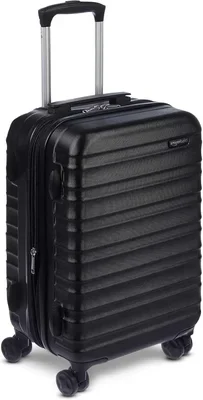
Best for Budget‑Conscious Buyers: AmazonBasics Hardside Spinner 22‑Inch (Expandable) – Priced around $90, it offers a polycarbonate shell, four double‑spinner wheels, and a 1.5‑inch expansion. Warranty is 1 year, but the low cost makes replacement painless.
Best Overall Value: Travelpro Platinum Elite 22‑Inch Expandable Spinner – At ~$230 you get ballistic nylon, MagnaTrac self‑aligning wheels, a precision‑glide handle, and a lifetime warranty with a dedicated repair network. Weight is 6.2 lb, well within most airline limits.
Best Premium Option: Briggs & Riley Baseline Domestic Carry‑On Expandable – Around $380, this bag features a CX™ expansion system (up to 2.5 inches), aircraft‑grade aluminum frame, replaceable wheels, and an unconditional lifetime warranty that even covers airline damage. Weight is 7.1 lb, justified by the durability.
Best for Beginners: Samsonite Freeform 21‑Inch Expandable Spinner – Roughly $160, it balances a lightweight polycarbonate shell (5.8 lb), smooth double‑spinner wheels, and a simple 1.5‑inch expansion. The 10‑year limited warranty gives peace of mind for first‑time buyers.
Best for Advanced Users: Rimowa Essential Cabin Plus (Expandable) – At $650+, you receive a polycarbonate‑aluminum hybrid shell, multi‑stage expansion, integrated TSA lock, and a global service network with complimentary repairs. The iconic grooved design also makes it instantly recognizable on the carousel.
Conclusion: Making the Right Choice
Selecting an expandable carry‑on is ultimately about matching the bag’s capabilities to your travel rhythm. Start by confirming the strictest airline size limits you encounter, then decide how much extra volume you truly need. Prioritize a robust expansion gusset, high‑grade zippers, and a wheel system that can be serviced or replaced. Weight matters most if you fly low‑cost carriers; otherwise, a slightly heavier premium shell can survive years of rough handling.
Use the budget tiers as a reality check — spending a bit more upfront often lowers the cost per trip when you factor in warranty coverage and repair availability. Don’t be swayed by flashy smart features unless they solve a real problem for you. And always register your warranty the day the bag arrives.
Armed with this knowledge, you can walk into a store or click “Add to Cart” with confidence, knowing you’ve chosen a companion that will keep pace with every journey, every expansion, and every adventure ahead. Safe travels!