Choosing the right expandable aluminum luggage can feel like navigating a maze of specifications, brand promises, and price tags. As a seasoned travel consultant, I have watched countless travelers wrestle with cracked shells, jammed zippers, and the frustration of a suitcase that simply will not stretch when you need it most. This guide exists to cut through the noise, giving you a clear, step‑by‑step framework so you can walk into a store or click “buy” with confidence. By the end you will understand the core factors that dictate performance, the different design families on the market, the common pitfalls that waste money, and exactly how much you should budget for the quality you deserve.
We will start with the most critical decision points — size, material thickness, expansion mechanism, wheel system, handle ergonomics, lock integration, warranty coverage, and brand reputation. Next, a side‑by‑side comparison table breaks down the main categories so you can see at a glance which style matches your travel rhythm. Then we highlight the mistakes that even frequent flyers make, followed by a realistic budget breakdown, expert buying tips, a thorough FAQ, and finally my top picks for every type of traveler. Let’s dive in.

What to Look for When Buying Expandable Aluminum Luggage
1. Size & Capacity
Size determines whether the bag fits in overhead bins, under seats, or must be checked. Most airlines allow a maximum of 22 × 14 × 9 inches for carry‑on, but expandable models can add 1.5–2 inches of depth when the zipper is released. Measure your typical packing volume — business trips often need a 20‑inch frame, while week‑long vacations benefit from a 26‑inch checked size. Remember that the external dimensions include wheels and handles; the interior usable space is usually 10‑15 % smaller.
2. Aluminum Alloy Grade & Shell Thickness
Not all aluminum is created equal. The industry standard for premium luggage is 6000‑series alloy (often 6061‑T6) because it balances strength, weight, and corrosion resistance. Shell thickness typically ranges from 0.8 mm (lightweight) to 1.5 mm (heavy‑duty). Thicker shells resist dents better but add 1–2 lb per piece. For frequent flyers who gate‑check or load bags onto conveyor belts, a 1.2 mm shell is the sweet spot.
3. Expansion Mechanism Reliability
The expansion system is the heart of an expandable suitcase. Two dominant designs exist: a hidden zipper gusset that unfurls a fabric panel, and a rigid aluminum frame that slides outward on rails. Zipper gussets are lighter and cheaper but can snag or tear after repeated use. Rail systems are smoother, lock into place, and maintain the suitcase’s structural integrity, yet they add weight and cost. Test the mechanism in‑store — open and close it five times; it should glide without resistance.
4. Wheel System: Spinner vs. Inline
Four double‑spinner wheels (360° rotation) let you glide the bag beside you, reducing wrist strain. Inline two‑wheel designs are more durable on rough pavement but require tilting. Look for wheels made from polyurethane (PU) with sealed ball bearings; they roll quietly and resist flat‑spotting. Wheel diameter of 3 inches or larger handles cobblestones and carpet transitions more gracefully.
5. Telescoping Handle Ergonomics
A handle that locks at multiple heights (usually three) accommodates different user statures. The grip should be contoured, rubberized, and wide enough to prevent pressure points. Aluminum handles with a brushed finish resist corrosion better than painted steel. Verify that the lock buttons are recessed — protruding buttons can catch on clothing or baggage straps.
6. Integrated Locks & Security Features
TSA‑approved combination locks are standard on quality aluminum luggage. Some brands add a secondary latch or a cable lock that threads through the zipper pulls for extra deterrence. A built‑in lock eliminates the need for a separate padlock, which can be cut off by security agents. Ensure the lock’s dial turns smoothly and the code can be reset without tools.
7. Warranty & After‑Sales Support
Aluminum luggage is an investment; a solid warranty protects it. Look for a minimum of 5 years on the shell and 2 years on moving parts (wheels, handles, zippers). Brands that offer “global repair centers” or a “no‑questions‑asked” replacement policy for manufacturing defects add real value. Register the product online within 30 days to activate coverage.
8. Brand Reputation & User Community
Established brands (e.g., Rimowa, Tumi, Away, Briggs & Riley) have decades of engineering data and a network of service centers. Newer direct‑to‑consumer labels often offer lower prices but may lack long‑term durability data. Read verified purchaser reviews on multiple platforms — focus on comments about dent resistance, wheel longevity, and expansion durability after 20+ trips.
Different Types of Expandable Aluminum Luggage

Common Buying Mistakes to Avoid
❌ Mistake: Ignoring Real‑World Weight
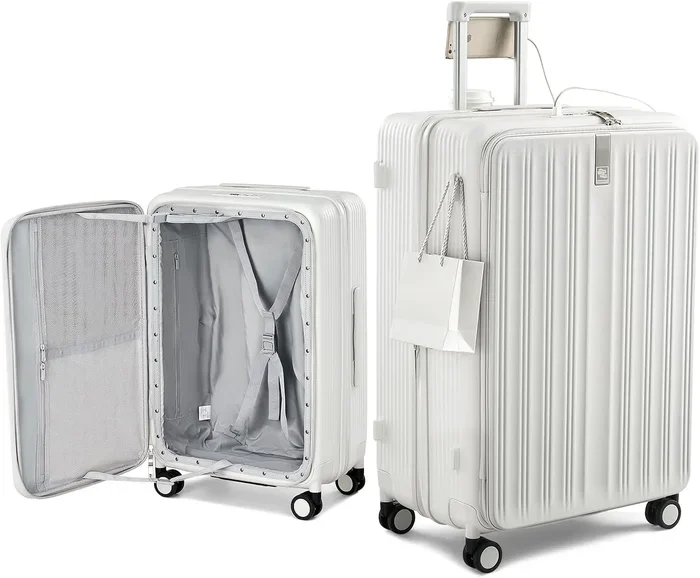
Why it’s bad: A 22‑inch aluminum carry‑on can weigh 7‑9 lb empty. Add clothes, electronics, and the expansion panel, and you may exceed airline weight limits before you even reach the gate.
What to do instead: Weigh the empty suitcase on a luggage scale. Target a total packed weight under 40 lb for checked bags and under 22 lb for carry‑ons. Choose a 0.9‑1.0 mm shell if weight is a primary concern.
❌ Mistake: Assuming All Expandable Zippers Are Equal
Why it’s bad: Cheap coil zippers separate under pressure, leaving a gap that lets moisture in and compromises the shell’s rigidity.
What to do instead: Look for YKK ® RCW (reverse coil) or metal‑tooth zippers with a water‑resistant tape. Test the zipper by pulling the expansion panel fully open and closed three times; it should not catch.
❌ Mistake: Overlooking Wheel Housing Reinforcement
Why it’s bad: The wheel housing is the first point of impact when a bag is dropped or thrown onto a conveyor. Thin aluminum around the axle cracks, rendering the wheel useless.
What to do instead: Inspect the wheel well — reinforced corners, double‑layered aluminum, or a polymer shock absorber indicate a design built for abuse.
❌ Mistake: Buying Based Solely on Aesthetics
Why it’s bad: A beautiful brushed finish may hide a thin 0.7 mm shell that dents on the first checked flight.
What to do instead: Prioritize structural specs (alloy grade, thickness, weld quality) over color. Most brands offer the same chassis in multiple finishes.
❌ Mistake: Skipping Warranty Registration
Why it’s bad: Many manufacturers require online registration within 30 days to activate the full warranty. Unregistered bags often receive only a 1‑year limited policy.
What to do instead: Register immediately after purchase; keep the receipt and a photo of the serial number plate.
❌ Mistake: Not Testing the Telescoping Handle Under Load
Why it’s bad: A handle that feels sturdy empty can flex or jam when the bag is fully packed and expanded.
What to do instead: In‑store, load the suitcase with 30‑40 lb of weight (use a backpack or store‑provided sandbags) and extend the handle to each lock position. It should lock firmly without wobble.
Budget Guidelines: How Much Should You Spend?
Entry‑Level ($150 – $300)
At this tier you’ll find aluminum‑look suitcases that use a thin aluminum veneer over a polycarbonate or ABS core. Expansion is usually a simple fabric gusset with a coil zipper. Wheels are often single‑spinner or inline plastic. Expect a 1‑year limited warranty. These bags work for occasional leisure trips (2‑3 flights per year) but will show dents and wheel wear quickly.
Mid‑Range ($350 – $650)
This is the sweet spot for most frequent flyers. You get a genuine 6000‑series aluminum shell (0.9‑1.1 mm), a rail‑based expansion system, double‑spinner PU wheels with sealed bearings, a multi‑stage telescoping handle, and a TSA‑approved lock. Warranties extend to 5 years on the shell and 2 years on components. Brands like Away, Briggs & Riley, and Travelpro’s Platinum Elite sit here.
Premium ($700 – $1,100)
Premium models add hand‑finished corners, magnesium‑reinforced frames, whisper‑quiet Hinomoto Lisof wheels, and a lifetime “global repair” promise. Expansion mechanisms are precision‑machined rails that lock with a satisfying click. Interior organization includes removable compression panels, wet/dry pockets, and a built‑in USB‑C power bank pass‑through. Ideal for road warriors logging 30+ flights annually.
Luxury ($1,200 +)
Luxury lines (Rimowa Original, Tumi 19 Degree, Globe‑Trotter) focus on heritage craftsmanship — hand‑riveted corners, anodized finishes in exclusive colors, bespoke monogramming, and a concierge repair service that can meet you at major airports. The aluminum thickness often reaches 1.5 mm, making the case virtually dent‑proof. These are heirloom pieces meant to last decades.
Expert Tips for Getting the Best Deal
- Shop End‑of‑Season Sales: Major retailers clear inventory in January (post‑holiday) and July (mid‑year). Discounts of 20‑30 % are common on last‑year’s colorways.
- Use Price‑Tracking Tools: Extensions like Honey, CamelCamelCamel, or Keepa alert you when a specific model drops below your target price.
- Buy Direct for Warranty Perks: Purchasing from the brand’s official site often unlocks extended warranty registration, free monogramming, or a complimentary luggage tag.
- Check Refurbished Programs: Brands such as Rimowa and Tumi sell certified pre‑owned units with full warranty at 40‑50 % off retail.
- Bundle with Accessories: Some retailers offer a free packing cube set, garment folder, or travel umbrella when you buy a suitcase — effectively lowering the per‑item cost.
- Test In‑Store Before Ordering Online: Even if you plan to buy online for a better price, visit a physical store to feel the handle, roll the wheels, and operate the expansion. This prevents costly returns.
- Read the Return Policy Fine Print: Look for a 30‑day no‑questions‑asked return with free return shipping. Some “final sale” clearance items are non‑returnable.
- Leverage Credit‑Card Purchase Protection: Many premium cards extend the manufacturer’s warranty by an extra year and cover accidental damage for the first 90 days.

Frequently Asked Questions
Q: Can I bring an expandable aluminum carry‑on on all airlines?
A: Most major carriers accept a 22‑inch expandable carry‑on within their size limits, but low‑cost airlines (e.g., Spirit, Ryanair) enforce stricter dimensions. Always verify the specific airline’s policy before travel; keep the expansion zipper closed for the gate check.
Q: Does the aluminum shell set off metal detectors?
A: No. The shell is non‑ferrous and passes through standard walk‑through detectors without alarm. Only the internal frame (if steel) or a large metal lock might trigger a secondary scan, which is rare.
Q: How do I clean and maintain the aluminum finish?
A: Wipe with a soft microfiber cloth dampened with water and a mild dish soap. Avoid abrasive cleaners, steel wool, or solvents. For brushed finishes, rub gently along the grain. Apply a thin coat of automotive wax once a year to preserve shine and repel water.
Q: What happens if the expansion rail jams?
A: First, ensure no fabric or packing cube is caught in the track. Gently tap the suitcase on a carpeted surface while sliding the rail. If it remains stuck, contact the manufacturer’s service center — most premium brands will replace the rail assembly under warranty.
Q: Are aluminum suitcases heavier than polycarbonate ones?
A: Yes, typically 1.5‑2 lb heavier for the same dimensions. However, the added weight buys superior impact resistance, a rigid structure that protects fragile items, and a premium feel that many travelers prefer.
Q: Can I replace the wheels myself?
A: On most mid‑range and premium models, wheels are attached with removable bolts or a quick‑release axle. Replacement kits are sold by the brand. Entry‑level models often have riveted wheels that require professional repair.
Q: Is a built‑in TSA lock enough, or should I add a cable lock?
A: The integrated TSA lock secures the main zipper pulls. Adding a cable lock through the zipper pull holes provides a visual deterrent and secures external pockets. It’s optional but recommended for high‑theft environments.
Q: How do I know if the aluminum is genuine 6000‑series?
A: Reputable brands list the alloy in the spec sheet (e.g., “6061‑T6 aluminum”). If the product description only says “aluminum shell” without a grade, assume a lower‑grade alloy or a thin veneer.
Q: What is the typical lifespan of a quality expandable aluminum suitcase?
A: With proper care, a mid‑range model lasts 8‑12 years; premium and luxury pieces can exceed 20 years. The limiting factors are wheel bearings and zipper teeth, both of which are replaceable on better brands.
Our Final Recommendations
- Best for Budget‑Conscious Buyers: Travelpro Maxlite 5 Expandable Carry‑On (Aluminum‑Look) — lightweight, decent expansion, 1‑year warranty, under $200.
- Best Overall Value: Away The Bigger Carry‑On (Aluminum Edition) — 6000‑series shell, rail expansion, Hinomoto wheels, lifetime warranty on shell, priced around $475.
- Best Premium Option: Briggs & Riley Baseline Domestic Carry‑On Expandable — CX™ expansion system, self‑healing zippers, lifetime “Simple as That” warranty, ~$650.
- Best for Beginners: Samsonite Omni PC Hardside Expandable (Aluminum Finish) — easy‑to‑use zipper expansion, four double spinners, 10‑year limited warranty, ~$300.
- Best for Advanced Users / Road Warriors: Rimowa Original Cabin Plus — 1.2 mm anodized aluminum, precision rail expansion, whisper‑quiet wheels, global service network, $1,200+.
Conclusion: Making the Right Choice
Selecting expandable aluminum luggage is ultimately about matching the bag’s engineering to your travel rhythm. Start with the non‑negotiables — size that fits your most common airline, a genuine 6000‑series shell of at least 0.9 mm, a rail‑based expansion that locks securely, and a wheel‑handle system that feels effortless under load. From there, let your budget guide you to the tier that offers the warranty and service network you trust. Remember, a well‑chosen suitcase becomes a reliable companion that protects your belongings, saves you time at the airport, and ages gracefully with every stamp on its surface. Use the checklist above, test the mechanisms in person if you can, and invest in the quality that matches the miles you plan to fly. Safe travels, and may your next journey be as smooth as the wheels on a perfectly tuned aluminum case.