Choosing the right expandable luggage can feel like navigating a maze of zippers, wheels, and warranty fine print. Whether you’re a weekend warrior packing for a quick getaway or a frequent flyer who needs every cubic inch for business trips, the ability to expand your bag on demand is a game‑changer. This guide walks you through every critical factor, explains the jargon in plain language, and helps you match a suitcase to your travel style and budget.
By the end of this article you’ll know exactly what to look for first, which features are worth the extra cost, and how to avoid the most common buying pitfalls. We’ll also break down the market into clear categories, give you a realistic price framework, and share insider tips for snagging the best deal. Let’s dive in and make your next luggage purchase a confident one.

What to Look for When Buying Expandable Luggage
1. Size and Capacity
Size is the first filter you should apply. Airlines enforce strict dimensions for carry‑on and checked bags, so measure the interior and exterior before you buy. Expandable models typically add 1.5 to 2 inches of depth when the zipper is released, giving you roughly 15‑25 % more packing volume. Look for a bag that fits the most restrictive carrier you fly with when collapsed, then verify the expanded dimensions still meet the airline’s checked‑bag limits.
2. Build Quality and Materials
The shell material determines durability, weight, and aesthetics. Polycarbonate and ABS blends are common in hard‑side cases; they resist impact and keep contents dry. Soft‑side bags often use ballistic nylon or high‑denier polyester, which flexes under pressure and can absorb minor bumps. Check the stitching density, reinforced corners, and the quality of the expansion zipper — YKK or equivalent brands are a reliable indicator of longevity.
3. Wheel System and Maneuverability
Four‑wheel spinner systems let you glide the bag beside you, reducing wrist strain. Look for sealed ball‑bearing wheels and a wide wheelbase for stability on uneven pavement. Two‑wheel inline models are lighter and can be more durable on rough surfaces, but they require tilting. Test the roll in‑store if possible; a smooth, quiet spin is a sign of quality bearings.
4. Handle Ergonomics
A telescopic handle should lock at multiple heights and feel solid when fully extended. Aluminum or reinforced alloy tubes resist bending. Grip material matters too — rubberized or contoured handles reduce fatigue during long walks through terminals. Ensure the handle retracts smoothly without sticking.
5. Expansion Mechanism
Not all expansion zippers are created equal. A single‑track zipper with a storm flap offers better water resistance than a simple exposed zipper. Some premium models use a gusseted panel that adds volume without stressing the main zipper. Verify that the expansion does not compromise the bag’s structural integrity — press on the expanded section; it should feel firm, not flimsy.
6. Interior Organization
Dividers, compression straps, mesh pockets, and a dedicated laptop sleeve keep contents tidy and prevent shifting. Removable laundry bags and shoe compartments are bonuses for longer trips. A well‑designed interior can make a smaller bag feel larger because you pack more efficiently.
7. Weight
Every ounce counts when you’re up against airline weight limits. Hard‑side expandables tend to be heavier than soft‑side equivalents. Aim for a carry‑on under 7 lb (3.2 kg) and a checked bag under 10 lb (4.5 kg) when empty. Lightweight doesn’t have to mean fragile — modern composites achieve strength with less mass.
8. Warranty and Customer Support
A solid warranty reflects manufacturer confidence. Look for at least a 5‑year limited warranty covering wheels, handles, and zippers. Some brands offer a “lifetime” warranty with a nominal repair fee. Read the fine print: does it cover airline damage? Is there a convenient repair network or mail‑in service? Good support can save you hundreds over the bag’s life.
Different Types of Expandable Luggage

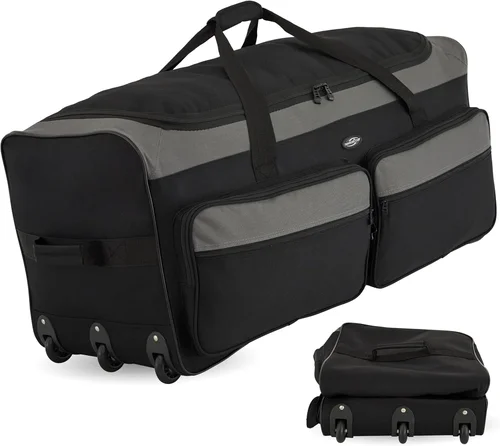
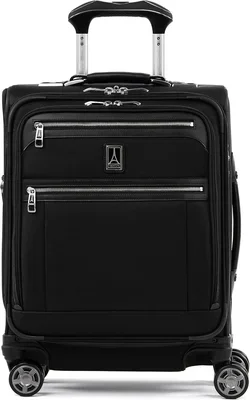
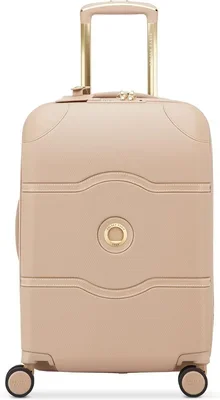
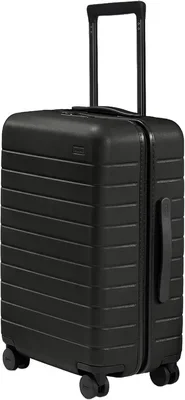
Each category trades off weight, protection, and flexibility. Hard‑side models excel at shielding delicate gear but add a few pounds. Soft‑side bags are lighter and can be squeezed into tight overhead bins, yet they offer less impact resistance. Choose based on the type of trips you take most often.
Common Buying Mistakes to Avoid
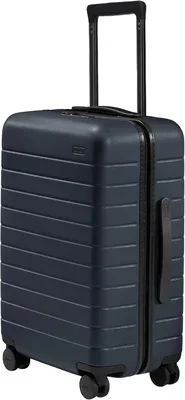
❌ Mistake: Ignoring Airline Size Limits
Why it’s bad: A bag that expands beyond the carrier’s maximum dimensions can be forced to check at the gate, incurring fees and risk of damage.
What to do instead: Verify both collapsed and expanded measurements against the strictest airline you use. Keep a printed spec sheet in your travel folder.
❌ Mistake: Prioritizing Looks Over Function
Why it’s bad: Trendy colors or sleek profiles may hide weak zippers, flimsy wheels, or poor interior layout.
What to do instead: Test the bag’s mechanics in person or watch detailed video reviews. Function should lead aesthetics.
❌ Mistake: Overlooking Weight When Empty
Why it’s bad: A heavy empty suitcase eats into your weight allowance before you even pack.
What to do instead: Target the lightest model that still meets your durability needs. Compare specs side‑by‑side.
❌ Mistake: Skipping Warranty Details
Why it’s bad: Some “lifetime” warranties exclude airline handling damage, which is the most common claim.
What to do instead: Read the warranty PDF. Choose brands with clear, inclusive coverage and easy claim processes.
❌ Mistake: Buying Without a Return Window
Why it’s bad: You may discover fit issues only after a test pack at home.
What to do instead: Purchase from retailers offering at least a 30‑day no‑questions return policy. Keep all tags and packaging.
❌ Mistake: Assuming All Expandable Zippers Are Equal
Why it’s bad: Cheap zippers can snag, break, or leak water when the bag is expanded.
What to do instead: Look for YKK or SBS branded zippers with a protective storm flap. Test the zipper action before buying.
Budget Guidelines: How Much Should You Spend?
Entry‑Level ($80 – $150)
Expect basic polyester or ABS construction, two‑wheel inline systems, and a single expansion zipper without a storm flap. Wheels may be plastic bearings, and handles often have only two height settings. Good for occasional leisure travelers who fly once or twice a year.
Mid‑Range ($150 – $300)
This sweet spot delivers polycarbonate or ballistic nylon shells, four‑wheel spinners with sealed bearings, multi‑stage telescopic handles, and a gusseted expansion panel with a protective flap. Interior organization includes compression straps and a padded laptop sleeve. Ideal for frequent flyers who want durability without a luxury price tag.
Premium ($300 – $550)
Premium bags feature advanced composites (e.g., Tegris, Curv), ultra‑light frames, precision‑machined aluminum handles, and whisper‑quiet Hinomoto or equivalent spinner wheels. Expansion systems are engineered with reinforced gussets and water‑resistant zippers. Warranty often extends to lifetime with minimal repair fees. Suited for road warriors and anyone who values long‑term cost per trip.
Luxury ($550 +)
Top‑tier models add bespoke details: hand‑stitched leather accents, integrated smart‑trackers, modular interior systems, and exclusive concierge repair services. While performance gains over premium are marginal, the experience and resale value appeal to collectors and status‑conscious travelers.
Expert Tips for Getting the Best Deal
- Shop Off‑Season: Late January and September see clearance of previous‑year models as retailers make room for new collections.
- Sign Up for Brand Newsletters: Many manufacturers send 10‑15 % off codes to first‑time subscribers.
- Use Price‑Tracking Tools: Browser extensions like Honey or CamelCamelCamel alert you when a specific SKU drops below your target.
- Check Authorized Outlet Stores: Outlets carry genuine overstock with full warranty, often 20‑30 % below MSRP.
- Bundle with Accessories: Some retailers discount packing cubes, luggage tags, or travel locks when purchased together.
- Leverage Credit‑Card Travel Perks: Certain cards offer purchase protection, extended warranty, or statement credits for luggage purchases.
- Test In‑Store, Buy Online: Feel the handle, spin the wheels, then order the exact model online where prices are lower.
- Read Return Policies Carefully: Free return shipping is a must; avoid restocking fees that erode savings.

Frequently Asked Questions
Q: How much extra space does an expandable zipper really add?
A: Most expandable bags add 1.5‑2 inches of depth, translating to roughly 15‑25 % more volume. The exact gain depends on the bag’s base dimensions and the gusset design.
Q: Can I use an expandable carry‑on on all airlines?
A: When collapsed, most meet the common 22 × 14 × 9 in limit. Expanded, they often exceed it, so only expand for checked baggage or when you know the airline allows larger overhead bins.
Q: Are hard‑side expandable bags heavier than soft‑side?
A: Generally yes. A comparable hard‑side carry‑on weighs 0.5‑1.5 lb more due to the rigid shell. However, newer composite materials narrow the gap.
Q: What’s the difference between a gusseted expansion and a simple zipper expansion?
A: A gusseted panel adds fabric volume evenly around the perimeter, preserving shape and reducing stress on the main zipper. A simple zipper just opens a single seam, which can distort the bag’s silhouette.
Q: Do spinner wheels break more often than inline wheels?
A: Spinner wheels have more moving parts, but high‑quality sealed bearings (e.g., Hinomoto) are rated for 50,000+ cycles. Inline wheels are simpler and can be more durable on rough terrain.
Q: Is a lifetime warranty worth the extra cost?
A: If you travel frequently, a lifetime warranty with low‑cost repairs can save hundreds. For occasional travelers, a solid 5‑year limited warranty is usually sufficient.
Q: How do I clean a polycarbonate shell?
A: Wipe with a damp microfiber cloth and mild soap. Avoid abrasive cleaners or solvents that can dull the finish.
Q: Can I replace wheels myself?
A: Many brands sell wheel kits and provide instructional videos. Replacement typically requires a Phillips screwdriver and takes under 15 minutes.
Q: What’s the best way to pack an expandable bag to avoid wrinkles?
A: Use compression cubes, roll clothing, and place heavier items at the bottom near the wheels. Expand only after the core load is secured.
Our Final Recommendations
- Best for Budget‑Conscious Buyers: Travelpro Maxlite 5 Expandable Carry‑On — lightweight polyester, reliable two‑wheel system, 5‑year warranty, often under $130.
- Best Overall Value: Samsonite Freeform Hardside Expandable Spinner — polycarbonate shell, four double‑spinner wheels, gusseted expansion, 10‑year limited warranty, typically $180‑$220.
- Best Premium Option: Briggs & Riley Baseline Domestic Carry‑On Expandable — ballistic nylon, CX expansion system, lifetime warranty with free repairs, around $400.
- Best for Beginners: Amazon Basics Hardside Expandable Luggage — simple feature set, decent spinner wheels, 3‑year warranty, under $100 for a 21‑inch model.
- Best for Advanced Users: Rimowa Essential Cabin Plus — aluminum‑magnesium alloy, precision engineering, integrated TSA lock, 5‑year warranty, $600+ but unmatched durability and resale value.
Conclusion: Making the Right Choice
Selecting expandable luggage boils down to matching three pillars — size compliance, build quality, and expansion mechanics — to your travel frequency and packing habits. Start by confirming the strictest airline dimensions you’ll encounter, then filter for a shell material and wheel system that suit your typical terrain. Don’t let flashy marketing overshadow the fundamentals: a smooth‑rolling spinner, a sturdy telescopic handle, and a gusseted expansion zipper with a storm flap will serve you far longer than a trendy color.
Use the budget framework to set realistic expectations, and leverage the expert timing tips to capture a quality bag at a fair price. Remember, the best luggage is the one you never notice — it just works, trip after trip. Pack smart, travel light, and enjoy the journey.