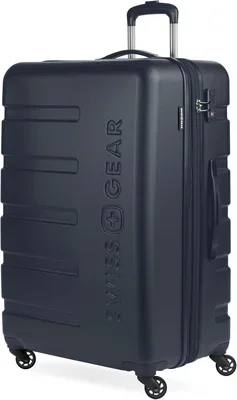
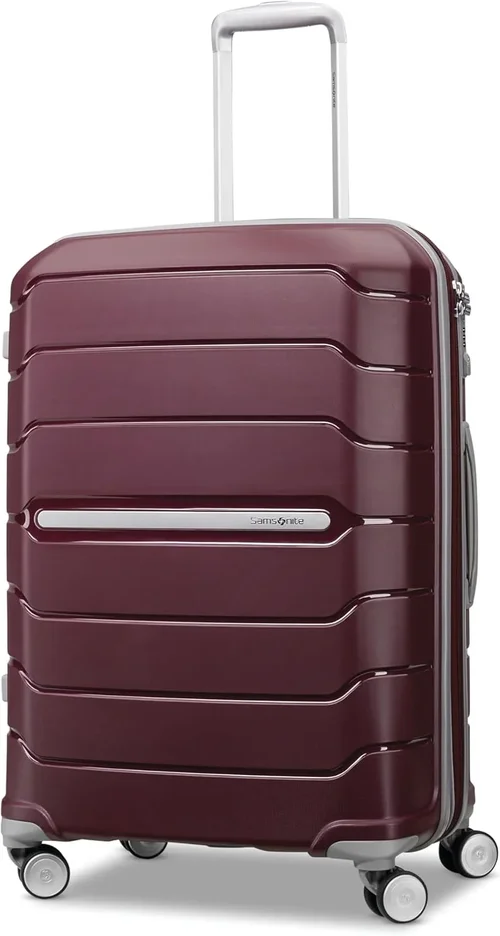
Choosing the right expandable cabin luggage with four wheels can feel like a big task. There are so many brands, materials, and price points on the market today. You want a bag that fits in the overhead bin. You want it to roll smoothly down the jet bridge. You also want the option to pack a little more when you bring home souvenirs. This guide is here to make that choice easy. We will walk through every factor that matters. We will explain the technical terms in plain language. By the end, you will know exactly what to look for and how to spot a great deal.
The market for carry-on luggage has exploded in recent years. You see hard shells, soft shells, hybrid designs, and smart bags with built-in chargers. Airlines have also tightened their size and weight rules. A bag that worked five years ago might get flagged at the gate today. That is why understanding the details is so important. We will cover size limits, wheel quality, handle systems, expansion mechanisms, and warranty coverage. Whether you fly once a year or every week, this guide will help you buy with confidence.

What to Look for When Buying Buying Guide
1. Airline Size Compliance
This is the single most important factor. If your bag does not fit in the sizer at the gate, you will have to check it. That often means a fee of thirty to seventy-five dollars. Most major airlines in the United States allow a maximum size of twenty-two inches by fourteen inches by nine inches. That includes wheels and handles. Some budget carriers like Spirit or Frontier are stricter. International airlines often use centimeters. A common limit is fifty-five centimeters by thirty-five centimeters by twenty-five centimeters.
Always measure the bag yourself. Do not trust the product title alone. Some brands list the interior packing dimensions. Others list the exterior without wheels. You need the total exterior dimensions with wheels and handles extended. Look for bags labeled “international carry-on” if you fly overseas often. These are usually slightly smaller to meet stricter European and Asian standards. A bag that fits every airline saves you stress and money.
2. Expansion Depth and Mechanism
Expandable luggage gives you flexibility. Most expandable carry-ons add one and a half to two and a half inches of packing depth. This is done with a zippered gusset that runs around the perimeter. When unzipped, the fabric or shell panel opens up like an accordion. This is great for return trips with gifts or dirty laundry. However, an expanded bag often exceeds airline size limits. You can only use the expansion when you plan to check the bag or when you know the flight is not full and gate agents are lenient.
Check the expansion zipper quality. It should be a heavy-duty coil zipper, preferably from YKK or a comparable brand. The zipper pulls should be large and easy to grip. Some bags have a compression strap inside the expansion panel. This helps keep contents tight when the bag is not expanded. Test the mechanism in the store or on video reviews. It should open and close smoothly without snagging.
3. Wheel Type and Quality
Four wheels are standard now. They are called spinner wheels. They rotate three hundred sixty degrees. This lets you push the bag beside you instead of dragging it behind. This saves your wrist and shoulder. But not all spinner wheels are equal. There are two main types. Recessed wheels sit inside the shell. They are protected from impacts. Exposed wheels stick out. They often roll better but can snap off if the bag is thrown.
Look for wheels made of polyurethane. This material is quiet, durable, and grips smooth floors well. Avoid hard plastic wheels. They are loud and crack easily. Check the wheel housing. It should be screwed or riveted to the frame, not just glued. Double wheels (two wheels per corner) offer more stability than single wheels. They handle cobblestones and carpet better. Spin each wheel with your finger. It should spin freely for several seconds without wobbling.
4. Handle System Ergonomics
The telescoping handle is your main contact point. It needs to be strong, smooth, and comfortable. Most handles have two or three stages. This lets you adjust the height for your stature. A good handle locks securely at each stage. It should not wobble side to side. Grab the handle and shake the bag gently. If the handle rattles, it will annoy you on every trip.
The grip material matters. Rubberized or contoured grips reduce hand fatigue. Some premium bags have a “comfort grip” that wraps around the hand. Top carry handles and side carry handles are also important. You need them to lift the bag into the overhead bin. They should be padded and securely stitched or riveted. A weak side handle can tear when you hoist a heavy bag.
5. Shell Material: Hard Side vs Soft Side
This is a major decision. Hard-side luggage uses polycarbonate, ABS, or a blend. Polycarbonate is the gold standard. It flexes under impact and pops back into shape. It is lightweight and scratch-resistant. ABS is cheaper but more brittle. It cracks on hard hits. A polycarbonate-ABS blend offers a middle ground. Hard shells protect fragile items better. They are water-resistant. They look sleek. But they do not stretch. If you overpack, the zipper will burst.
Soft-side luggage uses ballistic nylon, Cordura, or polyester. Ballistic nylon is the toughest. It resists tears and abrasions. Soft sides have exterior pockets for quick access to passports or laptops. They can squeeze into tight overhead bins. They expand more easily. But they absorb water. They offer less crush protection. They can look worn faster. Choose hard side for protection and style. Choose soft side for flexibility and organization.
6. Interior Organization and Layout
The inside of the bag determines how well you pack. Look for a full zippered divider panel. This creates two separate compartments. One side usually has compression straps to hold clothes down. The other side has a zippered pocket for toiletries or shoes. Some bags have a removable wet pocket or laundry bag. This is a nice bonus.
Check the pocket placement. Pockets should be accessible without unpacking everything. Mesh pockets let you see contents. Some premium bags have a dedicated laptop sleeve that lies flat for TSA screening. Others have a suiter system for dresses or suits. Think about your packing style. Do you roll clothes? Do you use packing cubes? Make sure the interior dimensions work with your cubes. A bag with a deep main well and shallow lid pocket works best for cubes.
7. Weight and Packing Capacity
Weight matters more than ever. Many airlines now enforce carry-on weight limits. Seven kilograms (fifteen pounds) is common in Europe and Asia. Even US carriers are starting to weigh bags at the gate. A lightweight bag gives you more allowance for your stuff. Aim for a bag under seven pounds (3.2 kg) for hard side. Under six pounds (2.7 kg) for soft side. Ultra-light models can be under five pounds but may sacrifice durability.
Capacity is measured in liters. A standard carry-on holds thirty to forty liters. Expansion adds five to ten liters. Do not just look at the number. A boxy shape holds more than a tapered shape. Hard shells are boxier. Soft sides taper. Lay the bag flat and visualize your packing list. A bag that holds forty liters but has a curved lid might hold less than a thirty-eight liter boxy bag.
8. Lock Security and TSA Compliance
Almost all quality luggage now includes a TSA-approved combination lock. This lock lets TSA agents open your bag with a master key if they need to inspect it. Without it, they cut your lock off. The lock should be integrated into the zipper pulls. It should not dangle loosely. A recessed lock is best. It does not snag on conveyor belts.
Test the combination mechanism. It should turn smoothly. The default code is usually 0-0-0. Change it immediately. Some smart bags have fingerprint locks or Bluetooth tracking. These are convenient but add weight and cost. A standard mechanical TSA lock is reliable and needs no battery. Make sure the zipper pulls have holes that align with the lock shackle. Misaligned holes are a sign of poor quality control.
9. Warranty and Customer Support
A warranty tells you how much the brand trusts its product. Limited lifetime warranties are the industry standard for premium brands. They cover defects in materials and workmanship. They usually do not cover airline damage, normal wear, or lost keys. Read the fine print. Some brands require registration within thirty days. Others have a “no questions asked” repair policy for the first year.
Check the repair network. Can you send it to a local shop? Does the brand pay for shipping? Brands like Briggs & Riley, Travelpro, and Osprey have excellent reputations for honoring claims. Cheaper brands often make warranty claims difficult. They require original receipts, photos, and long wait times. A good warranty can save you hundreds of dollars over the life of the bag.
10. Brand Reputation and Real-World Reviews
Stick with brands that specialize in luggage. Travelpro, Briggs & Riley, Samsonite, Delsey, Osprey, Eagle Creek, and Away are established players. They have engineering teams and testing labs. Avoid unknown brands with only Amazon listings. They often use generic shells and cheap components. Read three-star reviews on retailer sites. They are usually the most honest. Look for patterns. If five people mention the handle jamming, believe them.
Watch video reviews from frequent flyers. They test bags on cobblestones, in overhead bins, and on baggage carousels. Pay attention to reviews from people with your travel style. A business traveler needs a laptop pocket and garment sleeve. A family traveler needs durability and expansion. A minimalist wants ultra-light weight. Match the reviewer to your needs.
Different Types of Buying Guide
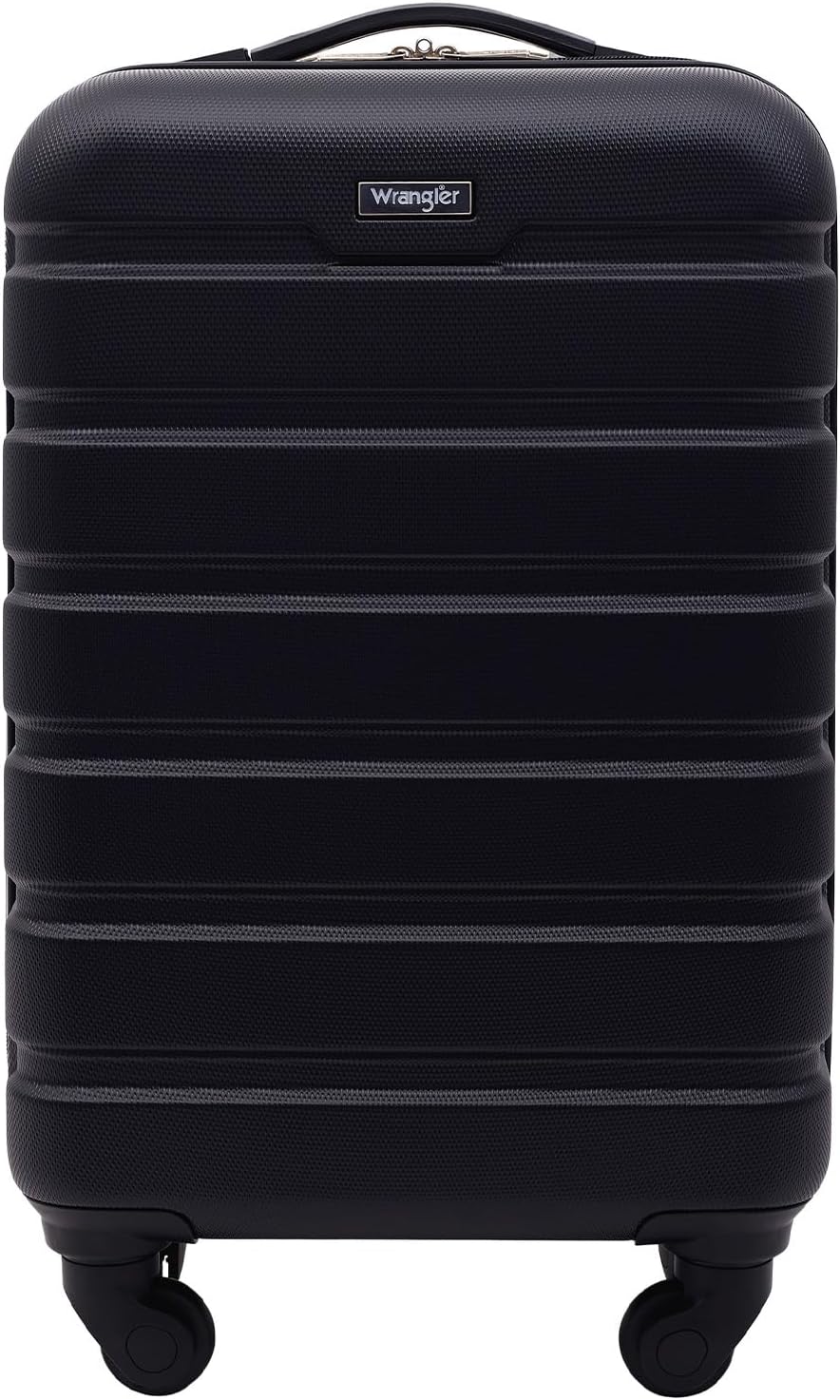
Common Buying Mistakes to Avoid
❌ Mistake: Buying Based on Brand Name Alone
Why it’s bad: Big names sometimes license their logo to cheap manufacturers. A Samsonite bag at a discount store may be a different line than the one at a luggage specialty shop. The materials, wheels, and warranty can be inferior. You pay for the logo but get a lower-tier product.
What to do instead: Research the specific model number. Look for the model on the manufacturer’s official site. Compare the specs to the specialty store version. If the warranty is shorter or the weight is higher, it is a different product.
❌ Mistake: Ignoring the “Personal Item” Rule
Why it’s bad: You buy a max-size carry-on. Then you realize you also need a backpack or laptop bag. The airline allows one carry-on plus one personal item. If your carry-on is huge, you have no room for a personal item under the seat. You end up cramped or forced to consolidate.
What to do instead: Choose a carry-on that leaves room for a slim backpack under the seat. Or buy a matching set where the personal item stacks on the carry-on handle. Many brands sell “travel systems” designed to work together.
❌ Mistake: Choosing Two Wheels Over Four
Why it’s bad: Two-wheel bags (roller boards) are cheaper. But you have to tilt and pull them. This strains your wrist, elbow, and shoulder. On long connections, this causes real fatigue. Four-wheel spinners glide beside you. You can push them one-handed while holding coffee.
What to do instead: Spend the extra twenty to fifty dollars for a quality four-wheel spinner. Your body will thank you. If you must have two wheels for rough terrain, look for large, sealed-bearing wheels.
❌ Mistake: Overlooking the Expansion Zipper Quality
Why it’s bad: The expansion zipper takes the most stress. It goes around the entire perimeter. A cheap zipper will burst when you sit on the bag to close it. A broken expansion zipper renders the feature useless. It can also let moisture in.
What to do instead: Inspect the zipper teeth. They should be medium or large size. The slider should be metal, not plastic. YKK or SBS brand zippers are reliable. Pull the expansion open and closed several times. It should never catch.
❌ Mistake: Not Checking the Handle Height Range
Why it’s bad: If you are tall (over six feet) or short (under five feet four), a standard two-stage handle may not fit. A handle that is too low makes you hunch. A handle that is too high makes you shrug. Both cause back pain over time.
What to do instead: Check the fully extended handle height in the specs. Look for three-stage handles. They offer a wider range. If shopping in store, extend the handle and walk. Your arm should hang naturally at a ninety-degree angle.
❌ Mistake: Assuming All TSA Locks Are Equal
Why it’s bad: Some cheap locks jam easily. The combination dials stick. The shackle gets bent. TSA agents may cut the lock off anyway if it is hard to open. A broken lock means your bag is unsecured for the rest of the trip.
What to do instead: Test the lock before you travel. Set a unique code. Lubricate the dials with a drop of silicone spray if they feel gritty. Consider a small cable tie as a backup indicator. If the tie is cut, you know the bag was opened.
❌ Mistake: Buying Without a Return Window
Why it’s bad: You order online. The color is off. The wheels feel cheap. The handle wobbles. The bag is heavier than listed. If the seller has a strict no-return policy or charges restocking fees, you are stuck with a bag you hate.
What to do instead: Buy from retailers with free returns and a thirty-day window. REI, Amazon, Zappos, and brand direct sites usually offer this. Keep the box and tags until you have done a full “living room test” — pack it, roll it, lift it, expand it.
Budget Guidelines: How Much Should You Spend?
Entry-Level ($50 – $120): What to Expect
At this price, you are getting mostly ABS hard shells or polyester soft shells. Wheels will be single spinner wheels, often plastic hubs. The handle will be two-stage aluminum. The expansion zipper will be a basic coil. The TSA lock may be a separate padlock, not integrated. Weight will be on the higher side, seven to nine pounds. Warranty is usually one to two years limited.
These bags work fine for occasional leisure travel. If you fly twice a year and pack light, they are acceptable. Brands like Amazon Basics, Rockland, and Merax dominate here. Expect the wheels to be the first failure point. The handle may develop play after a few trips. The shell may crack on a hard impact. But for the price, you can replace it every few years and still spend less than a premium bag.
Mid-Range ($120 – $250): The Sweet Spot for Most Buyers
This is where you find polycarbonate blends, ballistic nylon, and double spinner wheels. Handles are three-stage with comfortable grips. Expansion gussets are reinforced. Integrated TSA locks are standard. Weight drops to five to seven pounds. Warranties extend to five years or limited lifetime. Interior organization improves with multiple pockets and compression systems.
Brands like Travelpro (Platinum Elite, Maxlite), Delsey (Chatelet, Helium), Samsonite (Freeform, Omni PC), and American Tourister (Stratum) live here. These bags handle weekly business travel. They survive baggage handlers well. They look professional. The cost per trip over five years is very low. This is the category I recommend to ninety percent of travelers.
Premium ($250 – $450): For Frequent Flyers and Enthusiasts
Here you get pure polycarbonate (Makrolon or Tegris), 1680D ballistic nylon, or proprietary fabrics like FXT. Wheels are precision-engineered double spinners with sealed bearings. Handles are aircraft-grade aluminum with ergonomic grips. Expansion is seamless. Zippers are YKK RCW (water-resistant) or similar. Weight is optimized, often under five pounds for hard side.
Brands: Briggs & Riley (Baseline, Sympatico), Tumi (19 Degree, V4), Rimowa (Essential, Original), Victorinox (Spectra, Apex). These bags have lifetime warranties that cover airline damage. Briggs & Riley even covers the expansion mechanism for life. The fit and finish is impeccable. Linings are high-thread-count. Hardware is custom. If you fly fifty weeks a year, this is your tier.
Luxury ($450+): Top-Tier Features and Status
This is Rimowa Original (aluminum), Globe-Trotter, Tumi Latitude, and bespoke options. You pay for materials like anodized aluminum, leather accents, hand-stitched details. Wheels are often custom-designed silent spinners. Some have modular interiors, built-in garment bags, or removable daypacks. Smart features like GPS tracking and digital scales are integrated.
These are buy-it-for-life pieces. They develop a patina. They signal status. But functionally, a three-hundred-dollar Briggs & Riley performs nearly as well. Buy luxury if you love the object itself. Do not buy it thinking it will protect your clothes better than a premium polycarbonate shell.
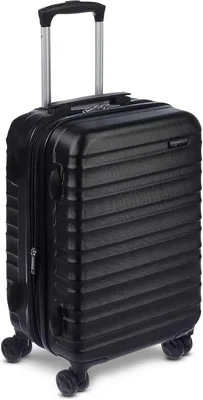
Expert Tips for Getting the Best Deal

Frequently Asked Questions
Q: What is the maximum size for carry-on luggage on US airlines?
A: Most major US airlines (American, Delta, United, Southwest) allow twenty-two inches by fourteen inches by nine inches. This includes wheels and handles. Always measure your specific bag. Budget airlines like Spirit and Frontier may be smaller. Check the airline website before you fly.
Q: Can I use the expansion feature on a carry-on and still fit in the overhead bin?
A: Usually no. An expanded carry-on exceeds the size limit. You risk being forced to check it at the gate. Use expansion only when you plan to check the bag or when you are certain the flight is not full. Some soft-side bags expand into a “soft” zone that can compress slightly if squeezed.
Q: Are four-wheel spinner bags harder to control on inclines?
A: They can roll away on a steep slope if you let go. But you rarely let go. The trick is to tilt the bag slightly back on its two rear wheels when on a ramp or jet bridge. This gives you the control of a two-wheel bag with the ease of four wheels on flat ground.
Q: What is the difference between polycarbonate and ABS plastic?
A: Polycarbonate is flexible and impact-resistant. It bends and snaps back. ABS is rigid and brittle. It cracks under sharp impact. Polycarbonate is lighter and more expensive. A polycarbonate-ABS blend is a compromise. For frequent travel, pure polycarbonate is worth the extra cost.
Q: How do I clean my luggage?
A: For hard shells, use a damp cloth with mild soap. Avoid harsh chemicals. For soft sides, spot clean with a fabric cleaner. Do not machine wash. Clean the wheels periodically. Hair and debris wrap around the axles. Use tweezers to remove buildup. Lubricate wheel bearings with a drop of silicone oil once a year.
Q: Do I need a luggage cover or protector?
A: Not usually. Hard shells resist scratches well. Soft sides show scuffs but they are cosmetic. A cover adds weight and can snag on conveyor belts. If you want to identify your bag easily, use a bright luggage tag or a colorful strap. This is lighter and cheaper.
Q: What does “limited lifetime warranty” actually cover?
A: It covers defects in materials and workmanship. Broken zippers, handle failure, wheel detachment, shell cracking from normal use. It does not cover airline damage (crushed corners, torn handles), cosmetic wear, lost keys, or damage from overpacking. Some brands (Briggs & Riley) are more generous and cover airline damage.
Q: Is smart luggage with a built-in battery allowed on planes?
A: Yes, but the battery must be removable. Since 2018, airlines ban smart bags with non-removable lithium batteries in checked luggage. For carry-on, the battery can stay installed but must be under one hundred watt-hours. Always remove the battery if you are forced to gate-check the bag.
Q: How many liters do I need for a week-long trip?
A: Thirty to thirty-five liters is enough for a week if you pack efficiently. Use packing cubes. Roll clothes. Wear your bulkiest items. A forty-liter expanded bag is plenty for two weeks with laundry. Do not buy bigger than you need. A heavy bag is a burden.
Q: Should I buy a matching checked bag set?
A: Only if you check bags often. Carry-ons take the most abuse. Checked bags just need to be durable and identifiable. You can mix brands. A bright carry-on and a black checked bag is fine. Sets are often discounted but the checked bag may be lower quality than the carry-on.
Our Final Recommendations
Best for Budget-Conscious Buyers: Travelpro Maxlite 5 Expandable Spinner This soft-side bag weighs just five and a half pounds. It has a durable polyester fabric, four double-spinner wheels, and a comfortable two-stage handle. The expansion adds two inches. It has a lifetime warranty that covers airline damage for the first year. It fits most US carriers perfectly. At under one hundred twenty dollars, it is unbeatable value.
Best Overall Value: Samsonite Freeform Hardside Expandable This is a polycarbonate hard shell at a mid-range price. It weighs six and a half pounds. The double spinner wheels are smooth. The handle is three-stage. The TSA lock is integrated. The interior has a zippered divider and cross straps. It comes in many colors. The ten-year limited warranty is solid. It balances protection, weight, and price perfectly.
Best Premium Option: Briggs & Riley Baseline Domestic Carry-On Expandable This is the gold standard for business travelers. It uses ballistic nylon with a hard frame. The CX expansion system adds twenty-five percent capacity and compresses flat. The wheels are aircraft-grade. The handle is the best in class. The lifetime warranty is unconditional — they even cover airline damage. It costs over four hundred dollars but it is the last carry-on you will buy.
Best for Beginners: Delsey Paris Chatelet Hard+ 21″ Spinner This bag looks beautiful and performs well. It has a polycarbonate shell with a leather-accented handle. The wheels are silent double spinners. The brake system lets you lock the wheels on a train. The interior has a laundry bag and shoe bag. It is lightweight at six point two pounds. The design makes packing intuitive. Great for someone buying their first quality bag.
Best for Advanced Users: Travelpro Platinum Elite 22″ Expandable Spinner Built for road warriors. It uses high-density nylon with a Duraguard coating. The PrecisionGlide wheels are sealed bearings. The PowerScope handle has a contour grip. It has a dedicated laptop pocket, a wet pocket, and a USB port pass-through (power bank not included). The lifetime warranty covers airline damage. It fits the strictest international sizers. This is a tool, not just a bag.
Conclusion: Making the Right Choice
You now have the knowledge to choose expandable cabin luggage with four wheels like a pro. Remember the priority order. First, airline size compliance. Second, wheel and handle quality. Third, expansion mechanism. Fourth, weight. Fifth, warranty. Everything else — color, brand prestige, smart features — is secondary. A bag that fits, rolls, expands, and lasts will serve you for years.
Do not overthink it. Match the bag to your travel reality. If you fly four times a year for leisure, the mid-range sweet spot is perfect. If you are on a plane every week, invest in premium. If you are just starting, pick the beginner favorite. The best luggage is the one you do not notice. It just works. It protects your stuff. It glides beside you. It fits in the bin. It expands when you need it.
Take your time. Use the return window. Test it at home. Pack it full. Roll it around. Lift it. Sit on it. If it feels right, keep it. If not, send it back. You deserve luggage that makes travel easier, not harder. Safe travels and happy packing.