Choosing the right expandable cabin luggage can feel like navigating a maze of sizes, materials, and airline rules. As a frequent traveler who has tested dozens of carry‑ons on short hops and long‑haul connections, I know how a well‑designed bag can turn a stressful boarding process into a smooth glide through the terminal. This guide distills years of hands‑on experience, industry research, and feedback from fellow road warriors into a single, easy‑to‑follow resource.
By the end of this article you will understand the critical factors that separate a reliable companion from a frustrating liability, learn the pros and cons of each luggage type, discover the most common buying pitfalls, and get concrete budget guidelines that match your travel style. Whether you are a weekend explorer, a business‑class regular, or a family planning a multi‑city tour, the information below will give you the confidence to pick a bag that fits your life — and the overhead bin.

What to Look for When Buying Expandable Cabin Luggage
1. Airline Size Compliance
The first and most non‑negotiable factor is whether the bag meets the carry‑on dimensions of the airlines you fly most often. Most major carriers allow a maximum of 22 × 14 × 9 inches (56 × 36 × 23 cm) including wheels and handles, but low‑cost airlines can be stricter, sometimes limiting depth to 8 inches. An expandable bag adds a zippered gusset that can increase depth by 1.5‑2 inches; make sure the expanded size still falls within the tightest limit you will encounter. Check the manufacturer’s “expanded dimensions” spec and compare it to the airline’s policy before you buy.
2. Build Quality & Materials
Durability hinges on the shell material, frame construction, and stitching. Hard‑shell cases typically use polycarbonate, ABS, or a blend. Polycarbonate offers the best impact resistance and flexibility, while ABS is cheaper but more brittle. Soft‑shell bags rely on high‑denier nylon (usually 840D‑1680D) or ballistic polyester; look for a water‑repellent coating and reinforced corners. Double‑stitched seams, reinforced handle anchors, and molded corner guards are tell‑tale signs of a bag built to survive baggage‑handler abuse.
3. Wheel System & Maneuverability
Four‑wheel spinner systems are the gold standard for cabin luggage because they allow 360° movement, reducing wrist strain. Examine wheel diameter (larger wheels roll over carpet and thresholds easier), wheel housing (recessed wheels protect against impacts), and bearing quality (sealed ball bearings last longer than plain bushings). Two‑wheel “roller” bags can be lighter but require tilting, which can be tiring on long walks through sprawling terminals.
4. Expandable Mechanism & Capacity Gain
The expandable zipper should run the full perimeter of the main compartment, not just a partial panel, to give a uniform volume increase. Typical expansion adds 15‑25 % more packing space — roughly 2‑3 liters on a 20‑liter base. Test the zipper in store: it should glide smoothly without catching, and the expanded panel should lie flat when closed. Some premium models add a compression strap inside the expansion zone to keep contents from bulging when the bag is collapsed.
5. Interior Organization
A well‑thought interior saves time at security and keeps clothes wrinkle‑free. Look for a full‑length divider with a zippered mesh pocket on one side, compression straps on the other, and a dedicated laptop/tablet sleeve that meets TSA “checkpoint‑friendly” guidelines (lies flat when opened). Additional features like a removable toiletry pouch, shoe compartment, or RFID‑blocking pocket add convenience without adding weight.
6. Handle System Ergonomics
The telescopic handle should lock at multiple heights (usually three) and feel solid when extended. Grip material matters: rubberized or contoured foam reduces hand fatigue. Test the handle’s wobble — excessive play indicates weak tubing or poor locking mechanisms. A top‑carry handle and a side‑carry handle are essential for lifting the bag into overhead bins or car trunks.
7. Weight & Weight‑to‑Capacity Ratio
Every gram counts when airlines enforce strict weight limits (often 7‑10 kg for cabin bags). A lightweight polycarbonate shell can weigh as little as 2.2 kg (4.8 lb) for a 20‑liter capacity, while a feature‑rich soft‑shell may tip 3 kg (6.6 lb). Calculate the weight‑to‑capacity ratio: lower numbers mean more packing room per kilogram of bag weight. If you frequently fly on carriers with low weight allowances, prioritize the lightest compliant model.
8. Warranty, Repairability & Brand Support
A solid warranty (typically 5‑10 years, sometimes lifetime) signals manufacturer confidence. Check whether the warranty covers wheel replacement, handle repair, and zipper failure — common failure points. Brands with authorized repair centers or a “send‑in” service extend the usable life of your investment. Read the fine print: some warranties void if the bag is checked, so keep it cabin‑only if you want coverage.
Different Types of Expandable Cabin Luggage
Common Buying Mistakes to Avoid
❌ Mistake: Ignoring Airline‑Specific Dimensions
Why it’s bad: A bag that fits one carrier may be rejected at the gate on another, forcing a costly check‑in fee.
What to do instead: Compile a list of the airlines you use most and verify the bag’s external dimensions (including wheels) against the strictest limits.
❌ Mistake: Choosing Style Over Function
Why it’s bad: Glossy finishes scratch easily; leather accents add weight and can tear.
What to do instead: Prioritize material specs, wheel quality, and interior layout. A matte polycarbonate shell hides scuffs better than high‑gloss.
❌ Mistake: Overlooking Expandable Zipper Durability
Why it’s bad: Cheap zippers jam or split after a few expansions, rendering the feature useless.
What to do instead: Look for YKK or SBS brand zippers with large teeth and a double‑slider design. Test the zipper repeatedly in store.
❌ Mistake: Buying the Lightest Bag Without Checking Structure
Why it’s bad: Ultra‑light frames can flex, causing wheels to misalign and handles to wobble.
What to do instead: Ensure the bag has a reinforced internal frame or aluminum corner brackets even if the shell is thin.
❌ Mistake: Skipping Warranty Registration
Why it’s bad: Many brands require online registration within 30 days to activate the full warranty.
What to do instead: Register immediately after purchase and keep the receipt and product code in a travel folder.
❌ Mistake: Assuming All “Smart” Features Are Allowed
Why it’s bad: Some airlines ban non‑removable lithium‑ion batteries; a built‑in power bank could force you to check the bag.
What to do instead: Choose smart luggage with a removable battery that complies with IATA regulations (≤100 Wh).
❌ Mistake: Not Testing the Bag Loaded
Why it’s bad: An empty bag feels light; once packed, the center of gravity shifts and wheels may drag.
What to do instead: Pack the bag to your typical travel weight and roll it on carpet, tile, and a curb before committing.
Budget Guidelines: How Much Should You Spend?
Entry‑Level ($80 – $130)
At this tier you’ll find mostly ABS hard‑shells or 600D polyester soft‑shells. Expect basic two‑wheel rollers, single‑stage expansion, and minimal interior organization. Wheels are often plastic bushings rather than sealed bearings. These bags work for occasional leisure trips on generous carriers but may show wear after 10‑15 flights.
Mid‑Range ($130 – $250) – Sweet Spot for Most Buyers
This range delivers polycarbonate or high‑denier nylon, four‑wheel spinners with sealed bearings, full‑perimeter expansion, and thoughtful interiors (divider, compression straps, laptop sleeve). Brands like Travelpro, Samsonite, and Delsey dominate here. Warranty typically extends to 5‑10 years with repair services. You get a balance of weight (2.2‑2.8 kg), durability, and features that satisfy both business and leisure travel.
Premium ($250 – $400)
Premium models add refined details: magnetic latch closures, integrated TSA‑approved locks, self‑healing zippers, and advanced suspension wheel systems that absorb shock. Materials may include German‑made Makrolon polycarbonate or Cordura‑reinforced nylon. Weight drops to 2.0‑2.4 kg while capacity stays high. Warranty often becomes lifetime with global repair network. Ideal for road warriors logging 30+ flights a year.
Luxury ($400+)
Luxury cabin luggage blends craftsmanship with tech: hand‑stitched leather accents, carbon‑fiber frames, modular interior systems, and smart features like GPS tracking and removable power banks (≤100 Wh). Brands such as Rimowa, Tumi, and Horizn Studios operate here. These bags are status symbols as much as tools; they hold resale value well but the cost per flight is hard to justify unless you travel weekly.
Expert Tips for Getting the Best Deal
- Shop Off‑Season: Major sales occur in January (post‑holiday), May (pre‑summer), and September (back‑to‑school). Retailers clear inventory for new collections, often discounting 20‑35 %.
- Compare Authorized Retailers: Buying from an authorized dealer ensures warranty validity. Check the brand’s website for a list; avoid unauthorized marketplace sellers offering “gray‑market” units.
- Use Price‑Tracking Tools: Browser extensions like Honey, CamelCamelCamel, or Keepa alert you when a specific model drops below your target price.
- Leverage Loyalty Programs: Airline and hotel credit cards sometimes offer statement credits or bonus points for luggage purchases at partner stores.
- Check Return Policies Before Buying: A 30‑day no‑questions‑asked return lets you test the bag on a real trip. Keep all packaging and tags until you’re sure.
- Inspect In‑Store When Possible: Feel the wheel spin, extend the handle, open/close the expansion zipper, and lift the loaded bag. Online photos can hide wobble or stiff zippers.
- Consider Refurbished or Open‑Box: Manufacturer‑refurbished units carry the same warranty at 15‑25 % off. Verify the refurbisher is the brand itself, not a third party.
- Bundle with Accessories: Some retailers discount packing cubes, toiletry kits, or luggage tags when purchased together with a carry‑on.

Frequently Asked Questions
Q: What does “expandable” actually mean in terms of liters?
A: Most expandable cabin bags start around 30‑35 liters in their standard configuration. The expansion zipper adds roughly 5‑8 liters, bringing total capacity to 35‑43 liters. Always check the manufacturer’s spec sheet for exact numbers.
Q: Can I use an expandable bag on a low‑cost carrier like Ryanair or Spirit?
A: Yes, but only if the expanded dimensions stay within that airline’s strict limits. Many low‑cost carriers allow 55 × 40 × 20 cm (including wheels). Choose a model whose expanded depth does not exceed 20 cm, or simply keep the bag unexpanded for those flights.
Q: Are four‑wheel spinners really better than two‑wheel rollers?
A: For most travelers, yes. Spinners let you push the bag beside you, reducing wrist strain and making tight aisles easier. Two‑wheel rollers can be lighter and more stable on rough pavement, but they require tilting, which gets tiring over long distances.
Q: How do I clean a polycarbonate hard‑shell?
A: Wipe the exterior with a damp microfiber cloth and mild soap. Avoid abrasive cleaners or solvents that can dull the finish. For scuffs, a small amount of automotive polishing compound applied with a soft cloth can restore shine.
Q: What is a “TSA‑approved” lock and do I need one?
A: TSA‑approved locks have a special keyhole that allows U.S. security agents to open and relock the bag without cutting the lock. If you travel to or within the United States, a built‑in TSA lock (or a separate one) prevents forced entry. Many mid‑range and premium bags include an integrated lock.
Q: Can I replace wheels myself?
A: On many models, wheels are secured with a single screw or rivet and can be swapped with a basic screwdriver. Brands like Travelpro and Samsonite sell replacement wheel kits. Check the warranty — some manufacturers require authorized service to keep coverage valid.
Q: Is a built‑in USB port worth the extra cost?
A: Only if you carry a power bank that fits the bag’s dedicated pocket and the port is connected to a pass‑through cable. Remember that the power bank must be removable for airline compliance. If you already own a high‑capacity power bank, a separate external charger is often cheaper and more versatile.
Q: How do I prevent my clothes from wrinkling in an expandable bag?
A: Use the compression straps to keep garments flat, pack heavier items at the bottom, and roll softer clothes instead of folding. Packing cubes add structure and reduce shifting. Some premium bags include a built‑in garment folder or suiter panel.
Q: What’s the difference between “carry‑on” and “personal item” size?
A: A carry‑on goes in the overhead bin (typically up to 22 × 14 × 9 in). A personal item fits under the seat (usually max 18 × 14 × 8 in). An expandable cabin bag is a carry‑on; you’ll still need a smaller backpack or tote for the personal item.
Q: Do expandable bags lose structural integrity when expanded?
A: Quality models reinforce the expansion gusset with a secondary frame or stiffened fabric, so the bag remains rigid. Cheaper bags may become floppy when fully expanded, making them harder to maneuver and more prone to tipping.
Our Final Recommendations
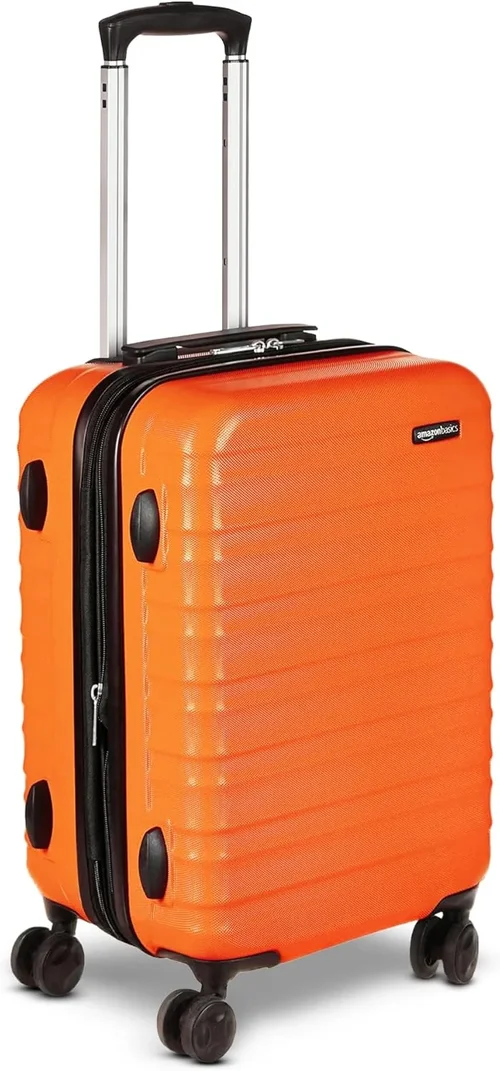
- Best for Budget‑Conscious Buyers: Amazon Basics 21‑Inch Hardside Spinner – ABS shell, four double‑spinner wheels, basic expansion, 2‑year limited warranty. Priced around $95, it covers the essentials for occasional flyers.
- Best Overall Value: Travelpro Platinum Elite 22‑Inch Expandable Spinner – Polycarbonate shell, MagnaTrac self‑aligning wheels, full‑perimeter expansion, built‑in TSA lock, 10‑year warranty. Typically $230‑$260. Hits the sweet spot of weight (2.3 kg), durability, and organization.
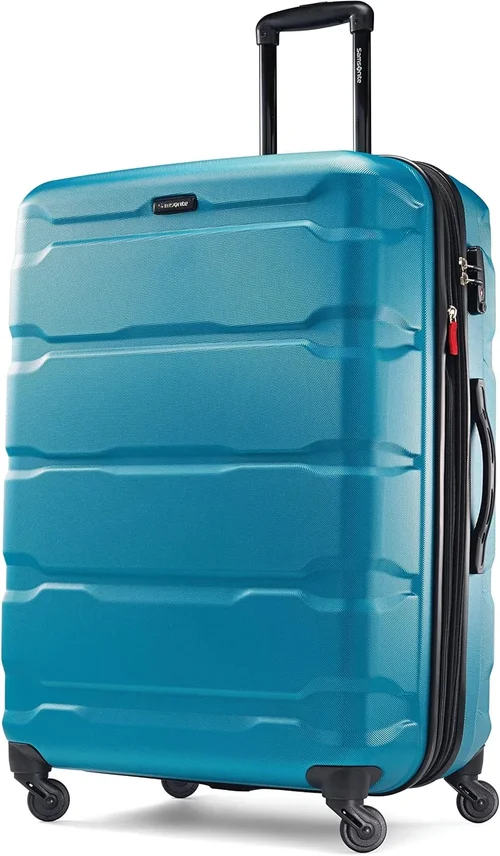
- Best Premium Option: Samsonite Omni PC Hardside Expandable – Makrolon polycarbonate, dual‑density spinner wheels, integrated ID tag, lifetime warranty. Around $300. Ideal for high‑frequency travelers who want a lightweight yet bomb‑proof bag.
- Best for Beginners: Delsey Paris Chatelet Hard+ 21‑Inch – Elegant faux‑leather accents, silent double wheels, brake system to lock wheels on inclines, 10‑year warranty. Roughly $210. Easy to maneuver, stylish, and forgiving for first‑time buyers.
- Best for Advanced Users: Rimowa Essential Cabin – Aluminum‑magnesium alloy shell, multi‑stage telescopic handle, electronic tag ready, lifetime guarantee. $550+. For the traveler who values heritage craftsmanship, ultra‑smooth wheels, and a bag that ages beautifully.
Conclusion: Making the Right Choice
Selecting expandable cabin luggage is ultimately about matching the bag’s strengths to your travel rhythm. Start with the non‑negotiables — airline size compliance, weight allowance, and a reliable wheel system — then layer on the features that make packing a pleasure: smart interior layout, a smooth expansion zipper, and a warranty that backs the promise. Remember that the most expensive bag isn’t automatically the best; a mid‑range polycarbonate spinner with a solid warranty often outperforms a luxury label that sacrifices practical details for aesthetics.
Take the time to test a shortlisted model in person if you can. Load it with your typical travel load, roll it over carpet and tile, extend the handle to your height, and open the expansion zipper. Your hands will tell you more than any spec sheet. When you finally click “buy” on the bag that feels like an extension of your own stride, you’ll board every flight with one less worry and one more reason to enjoy the journey.
Safe travels, and may your overhead bin always have room.