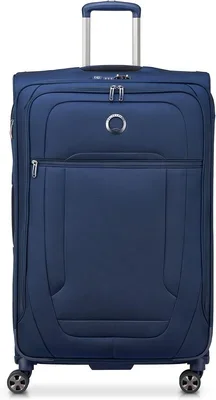
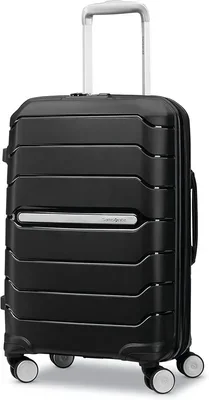
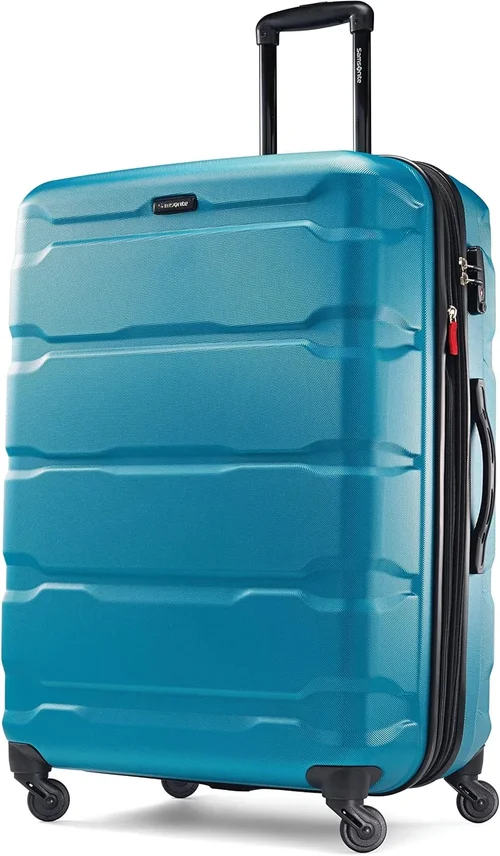
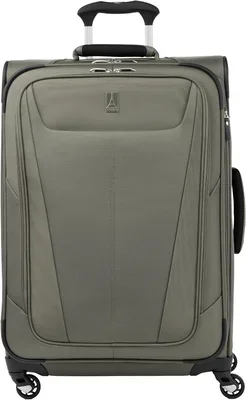
Standing at the baggage drop counter, watching the agent place your carry-on on the sizer, is a moment of truth every traveler knows. That split second where you hold your breath, hoping the wheels don’t stick out, the handle doesn’t catch, and the expansion zipper hasn’t added that fatal extra inch. I’ve been there more times than I can count, and I’ve learned that the difference between a smooth boarding process and a gate-check scramble often comes down to one piece of gear: a truly reliable expandable cabin luggage bag. The market is flooded with options promising the world, but the reality is that not all expandable luggage is created equal. Some expand into a shape that no longer fits the overhead bin; others use flimsy zippers that burst under pressure.
This guide exists to cut through the marketing noise. Over the last decade, I’ve tested dozens of carry-ons from budget brands to heritage luxury houses, dragging them over cobblestones in Europe, stuffing them into tight regional jet bins in the US, and packing them for everything from weekend getaways to two-week business trips. We are going to walk through every critical factor you need to consider—size compliance, wheel geometry, shell materials, expansion mechanics, and warranty fine print. By the end of this article, you won’t just know which bag to buy; you’ll understand why it works for your specific travel style, saving you money, stress, and precious overhead bin space.
The expandable cabin luggage category has evolved significantly in recent years. We’ve moved beyond simple polyester boxes with a zipper gusset. Today, the conversation involves polycarbonate vs. polypropylene shells, MagnaTrac vs. Hinomoto spinner wheels, TSA-approved locks with USB pass-throughs, and lifetime warranties that actually cover airline damage. Whether you are a minimalist packer who needs a safety valve for souvenirs or a chronic over-packer who needs that extra 2 inches of depth to close the lid, this guide will help you navigate the specs, spot the deal-breakers, and invest in a travel companion that lasts for years.
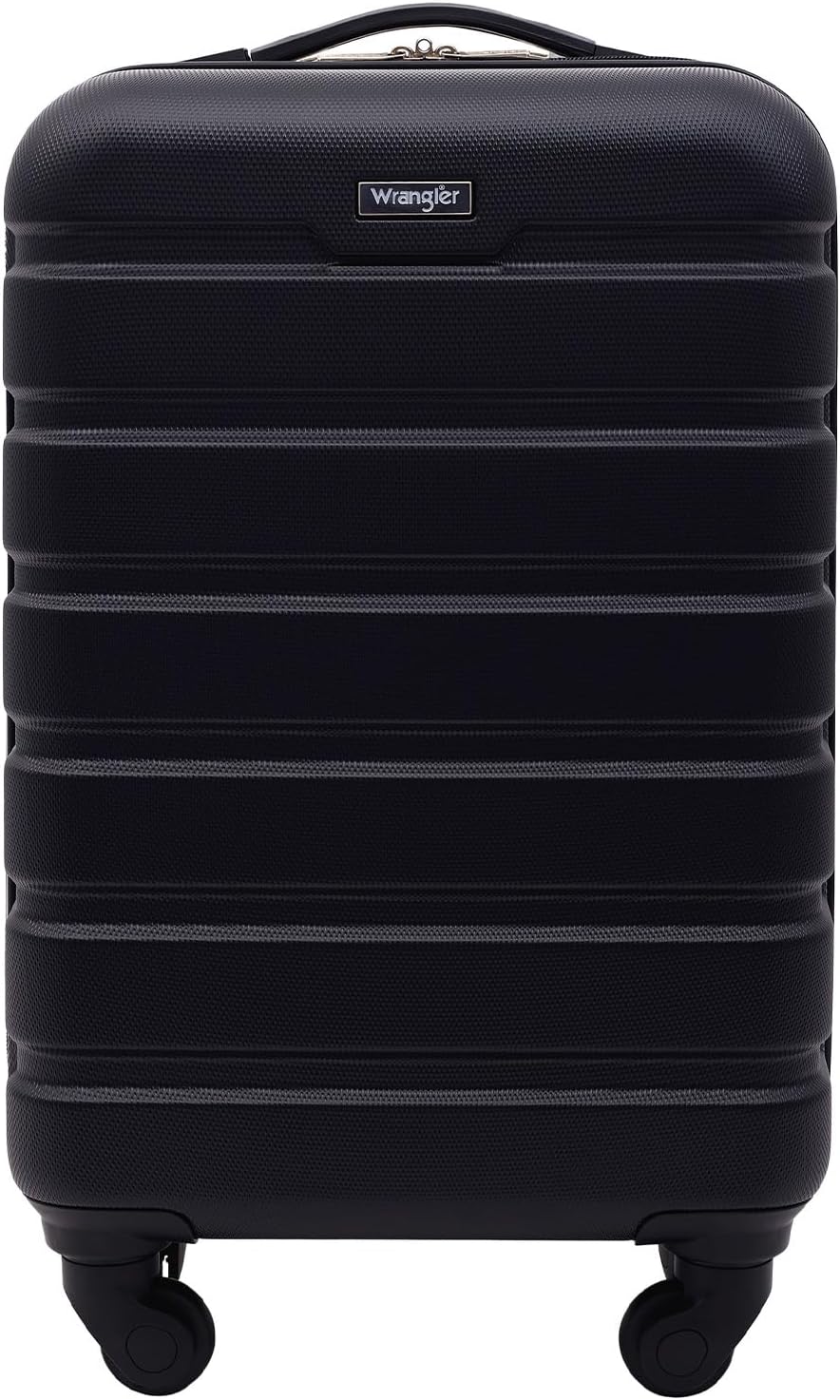
What to Look for When Buying Expandable Cabin Luggage
1. Airline Size Compliance: The Non-Negotiable First Step
Before you fall in love with a color, a brand, or a feature set, you must confront the hard reality of airline sizers. This is the single most important factor because if your bag doesn’t fit, nothing else matters. The industry standard for domestic US travel is 22 x 14 x 9 inches (including wheels and handles). However, international carriers—especially European low-cost airlines like Ryanair, EasyJet, or British Airways—often enforce stricter limits, sometimes as small as 21.5 x 15.5 x 9 inches or even tighter for “underseat” bags.
Here is the trap with expandable luggage: manufacturers often list the unexpanded dimensions as the “carry-on size.” When you unzip that expansion gusset, you add 1.5 to 2.5 inches of depth. A 9-inch deep bag suddenly becomes 11.5 inches deep. That will not fit in the sizer, and it will not fit in the overhead bin of a Boeing 737 or Airbus A320 without forcing it. Always verify the expanded dimensions against your most frequent airline’s policy. If you fly a mix of domestic and international, buy a bag that fits the strictest carrier you use while expanded, or accept that the expansion feature is only for checked-bag scenarios or cars/trains.
2. Shell Material: Hard-Side vs. Soft-Side vs. Hybrid
The material dictates durability, weight, flexibility, and how the bag handles impact. There are three main categories, and each has a distinct personality.
Polycarbonate (Hard-Side): This is the gold standard for modern premium carry-ons (think Rimowa, Away, Monos). It is a thermoplastic that flexes under impact rather than cracking or denting permanently. It pops back into shape. It offers the best protection for fragile items (electronics, bottles of wine) and is naturally water-resistant. The downside? It shows scuffs easily, and it has zero give. If you overpack a polycarbonate bag, the zipper takes all the stress, and the shell won’t bulge to accommodate that last sweater.
Polypropylene (Hard-Side): Increasingly common in mid-range bags (Samsonite, Travelpro, Delsey). It is lighter than polycarbonate and more flexible, but it is also softer. It scratches deeper and can develop permanent creases or warping if crushed heavily. However, that slight flexibility can be a bonus when stuffing a bag into a tight overhead bin—it compresses slightly.
Ballistic Nylon / Cordura (Soft-Side): The choice of pilots and flight crews for decades (Travelpro Crew, Briggs & Riley). High-denier nylon (1680D Ballistic is the benchmark) is incredibly abrasion-resistant, tear-resistant, and—crucially—it has “give.” You can stuff a soft-side bag into an irregularly shaped bin or squeeze it past a tight aisle corner. The expansion on soft-side bags is usually more generous (often 2+ inches) because the fabric stretches. The trade-off: less protection for contents, absorbs water if not treated, and the frame can warp over time if the internal structure is weak.
Hybrid: Some brands (like Patagonia or Eagle Creek) use a framed soft-side with a rigid back panel or hard-shell corners. These aim for the best of both worlds but often end up heavier.
3. The Expansion Mechanism: Gusset Design and Zipper Quality
Not all expansion zippers are built the same. This is where cheap luggage fails first. You are looking for two things: the gusset construction and the zipper spec.
The Gusset: On hard-side luggage, the expansion zipper releases a hidden panel of material (usually the same shell material or a durable fabric) that unfolds between the top and bottom halves. On a well-made bag, this panel is structured—it has its own frame or stiffening ribs so the bag retains a rectangular shape when expanded. On cheaper bags, the gusset is floppy fabric; when expanded, the bag becomes a rounded “pregnant” shape that exceeds width limits even if the depth is technically okay. On soft-side bags, the gusset is usually a folded panel of the same nylon. Look for a gusset that is depth-limited by internal straps or a rigid bottom panel so it expands outward evenly.
The Zipper: This is the heart of the expansion. You need a YKK RCW (Reverse Coil) or similar high-grade chain zipper. Standard coil zippers snag on the gusset fabric and burst under tension. Reverse coil zippers hide the teeth inside, making them self-healing (you can rub a snag out) and much stronger against lateral pulling forces. Look for double-coil zippers (two rows of teeth) on the expansion track—this distributes the load. If the product description doesn’t mention the zipper brand or type, assume it’s a generic, low-spec chain.
4. Wheel Geometry: Spinner vs. Inline, and Why Bearings Matter
Four-wheel spinners (360-degree rotation) are the standard for a reason: they allow you to push the bag beside you down a narrow airplane aisle or pull it effortlessly through a terminal. Two-wheel inline bags (rollerboards) are better for rough terrain (cobblestones, gravel, curbs) because the wheels are larger, recessed, and fixed. For 95% of modern air travel, spinners win.
But “spinner” is not a quality guarantee. You need to look at:
Wheel Housing: Is the wheel recessed into the shell (protected from impacts) or mounted externally (vulnerable to snapping off)? Recessed is vastly superior for durability.
Wheel Material: Hinomoto (Japan) Lisof / Silent Run wheels are the industry benchmark—silent, smooth, sealed precision bearings, urethane tread that doesn’t flat-spot. MagnaTrac (used by Travelpro) is excellent. Generic “spinner wheels” on sub-$150 bags are often plastic hubs with rubber tires and unsealed bearings that grind sand, hair, and grit into a paste, seizing up within a year.
Wheel Size: Larger diameter wheels (60mm+) roll over thresholds and carpet better than tiny 40mm wheels.
Removability: Can you replace the wheels yourself? Brands like Briggs & Riley, Travelpro, and some Away models allow wheel replacement with a screwdriver. This extends the bag’s life from 5 years to 20.
5. Handle System: Telescoping Mechanism and Ergonomics
The handle is your primary interface with the bag. A bad handle causes wrist strain, shoulder torque, and frustration. Look for:
Multi-Stage Locking: At least 3 height stops (short, medium, tall) to accommodate your height. Single-stage handles force tall people to hunch.
Tube Construction: Aircraft-grade aluminum (7000 series) or carbon fiber. Steel is heavy; cheap aluminum bends. The tubes should extend and retract with a solid thunk, not a wobble.
Wobble Test: Fully extend the handle and shake the bag gently. Minimal side-to-side play at the top indicates tight tolerances. Excessive wobble means the internal bushings are loose, leading to jammed handles later.
Grip Material: Contoured rubber or gel grips reduce vibration transfer on rough pavement. Flat plastic handles are a red flag on anything over $200.
Top/Side Carry Handles: Are they padded? Are they riveted or stitched through reinforced layers? You will lift this bag into overhead bins hundreds of times.
6. Interior Organization: Compression, Dividers, and Pockets
The interior is where packing efficiency lives. Expandable bags often sacrifice interior features for the expansion gusset volume. Don’t let them.
Compression Straps: Essential. Two crossed straps in the main compartment (and ideally the lid compartment) compress clothing to minimize wrinkles and stabilize the load so the expansion zipper isn’t under constant tension.
Divider Panel: A zippered mesh divider between the two halves keeps dirty laundry separate from clean clothes and prevents contents from shifting when you open the bag. Look for a divider with a large zippered pocket for toiletries or cables.
Lid Pockets: Zippered pockets on the inside of the lid are perfect for flat items: documents, tablets, packing cubes, shoes (if the pocket is deep enough).
Suiter System: If you travel with suits or dresses, look for a built-in suiter (a folded garment sleeve with a hanger bracket) or compatibility with a removable packing folder.
Lining: High-quality, ripstop nylon or polyester lining (often 150D-210D) that is seam-sealed or tightly stitched. Cheap lining tears at the corners, spilling threads into your wheel wells.
7. Security Features: Locks, Zippers, and Frame Integrity
TSA Locks: Standard on almost all hard-side bags now. Ensure it is a 3-dial combination lock (not a key lock—keys get lost). The lock should be integrated into the frame, not just a padlock loop. On soft-side bags, look for lockable zipper pulls (lockable sliders) on the main compartment.
Zipper Security: Beyond the expansion zipper, the main compartment zippers need to be puncture-resistant. Standard coil zippers can be opened with a ballpoint pen in seconds and re-zipped without evidence. Puncture-resistant zippers (like YKK RCW or similar) have tighter coil spacing and stronger pulls that resist the “pen trick.” This is critical for checked bags but good peace of mind for carry-ons too.
Frame/Zipper Guard: On hard-side bags, a raised lip or “zipper guard” around the perimeter protects the zipper teeth from direct impact when the bag is dropped on its edge. Without this, a corner drop destroys the zipper track.
8. Warranty and Customer Support: The Safety Net
Luggage takes a beating. A warranty tells you how much the manufacturer believes in their product.
Limited Lifetime vs. “Lifetime”: “Lifetime” often means the lifetime of the product (which they define), not your lifetime. Read the fine print.
Coverage: Does it cover airline damage? This is the gold standard (Briggs & Riley, Travelpro Platinum Elite, some Thule). Most warranties (Away, Monos, Samsonite) cover manufacturing defects only—broken zippers, cracked shells from molding errors, handle failure. They explicitly exclude “conveyor belt damage” or “crushed by cargo.”
Repair Network: Can you walk into a local repair shop, or do you have to ship it to a central depot (weeks without luggage)? Briggs & Riley and Travelpro have extensive authorized repair networks. Direct-to-consumer brands often require shipping.
Cost of Repair: Even with a “lifetime” warranty, you often pay shipping both ways ($30-$60) and sometimes a “processing fee.” Factor this into the total cost of ownership.
Different Types of Expandable Cabin Luggage

Common Buying Mistakes to Avoid
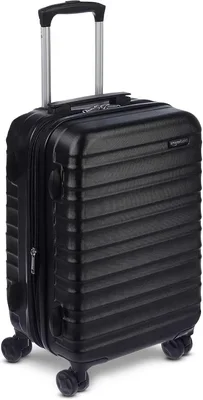
❌ Mistake: Buying Based on “Un-expanded” Dimensions Only
Why it’s bad: You buy a 22-inch bag that expands to 24.5 inches. You pack it expanded for the return trip (souvenirs!). At the gate, the agent puts it in the sizer. It fails. You pay $60-$100 to check it. The expansion feature just cost you money.
What to do instead: Know your airline’s exact limits. If you need expansion for the return, buy a bag whose expanded dimensions still fit your strictest airline, or buy a bag that compresses well (soft-side) so you can physically squeeze it into the sizer even if slightly overstuffed. Better yet: pack a foldable duffel for souvenirs and keep the carry-on compliant.
❌ Mistake: Prioritizing Weight Over Durability (The “Ultra-Light” Trap)
Why it’s bad: A 4.5 lb carry-on sounds amazing compared to a 7.5 lb one. But to hit that weight, manufacturers use thin polycarbonate (cracks easily), minimal internal structure (frame warps), cheap wheels (seize up), and thin zippers (burst). You end up replacing it in 18 months.
What to do instead: Target the “sweet spot” weight: 6.0 – 7.5 lbs for a 22-inch international carry-on spinner. This weight class usually indicates adequate shell thickness, metal handle tubes, quality wheels, and a robust frame. The 3 lbs you “save” on an ultra-light bag is negligible compared to the weight of your actual clothes.
❌ Mistake: Ignoring the “Personal Item” Pairing
Why it’s bad: You buy a beautiful carry-on but your backpack/laptop bag doesn’t stack securely on top (no trolley sleeve, or sleeve too loose/tight). You end up carrying the heavy backpack on your shoulder while pulling the spinner, defeating the ergonomic benefit.
What to do instead: Buy as a system. Many brands (Travelpro, Briggs & Riley, Thule, Peak Design) make matching backpacks/briefcases with precision-fit trolley sleeves (often with a securing strap or G-hook). Test the stack in the store: push the stack sharply; the top bag should not wobble or slide off.
❌ Mistake: Falling for “Smart Luggage” Gimmicks Without Removable Batteries
Why it’s bad: Bags with built-in USB ports, GPS trackers, or electronic locks require a lithium-ion battery. Airlines ban lithium batteries in checked baggage. If you are forced to gate-check your “smart” carry-on (common on full regional jets), you must remove the battery. If the battery is not easily removable (requires a screwdriver, or is sealed), the bag is useless to you at the gate.
What to do instead: Only buy smart luggage with tool-free, instantly removable batteries (e.g., Away, Bluesmart v2, some Samsonite). Or, skip the integrated tech entirely and carry a high-capacity power bank (Anker, Baseus) in your personal item—it’s more versatile, higher capacity, and never a regulatory headache.
❌ Mistake: Overlooking the “Gate Check” Reality
Why it’s bad: You buy a fragile, beautiful polycarbonate shell with external USB port and no corner protection. On a full flight, you are Group 8. The agent says “Gate check.” Your bag goes belly-down on a conveyor belt, gets stacked under 200 lbs of other bags, and rides the baggage cart in the rain. Your shell cracks, USB port snaps off, lining tears.
What to do instead: Assume your carry-on will be gate-checked at least once a year. Buy accordingly: recessed wheels, corner guards/bumpers, water-resistant zippers/linings, removable electronics, and a warranty that covers (or a price point low enough to accept) cosmetic damage. Soft-side bags historically survive gate-checking better than hard-side.
❌ Mistake: Buying a “Matching Set” (Carry-on + Checked Large) Without Thinking
Why it’s bad: Sets are often priced attractively, but the checked large bag in a set is frequently lower spec than the carry-on (cheaper wheels, no expansion, weaker handle) because the manufacturer knows you’ll use it less. You pay a premium for the carry-on and get a “throwaway” checked bag.
What to do instead: Buy the best carry-on you can afford individually. Buy the checked bag separately based on its specific needs (maximum durability, maximum volume, different wheel needs). You’ll get better gear for the same total money.
❌ Mistake: Not Testing the “Full Pack” Weight Distribution
Why it’s bad: An empty bag rolls perfectly. A 35-lb packed bag with a high center of gravity (heavy shoes/toiletries at the top) tips over constantly, pulls your arm sideways, and the handle jams because the frame is flexing.
What to do instead: If buying in-store, bring your typical packing load (or use store demo weights). Pack it full. Walk it around. Does it track straight? Does the handle stay locked at your height? Does it tip when you let go? If buying online, use the generous return policy (30-100 days) to do a “living room test” with your actual packed gear.
Budget Guidelines: How Much Should You Spend?
Entry-Level ($80 – $150): The “Get Me There” Tier
At this price, you are buying a polypropylene hard-side or a polyester (600D-1200D) soft-side. Expect: Generic spinner wheels (plastic hubs, unsealed bearings) that will likely need replacement in 2-3 years; aluminum handle tubes that may bend if you lean on the bag; basic coil zippers (not puncture-resistant); a 2-5 year limited warranty (manufacturing defects only); weight around 6.5-8 lbs. Brands: Amazon Basics, Kenneth Cole Reaction, Rockland, Merax, basic Samsonite (Neopulse/Winfield 2 on sale), American Tourister. Verdict: Fine for 2-3 trips a year on smooth airport floors. Not for frequent flyers, cobblestones, or gate-check roulette.
Mid-Range ($150 – $300): The Sweet Spot for Most Travelers
This is where polycarbonate hard-sides (Away, Monos, July, Level8) and premium soft-sides (Travelpro Platinum Elite, Delsey Chatelet Air 2.0, Samsonite Freeform/Proxis) live. Expect: Hinomoto or MagnaTrac wheels (smooth, quiet, replaceable); aircraft-grade aluminum handles with 3+ stops; YKK RCW zippers; TSA locks standard; 10-year to Limited Lifetime warranties (manufacturing defects); weight 6.0-7.5 lbs; thoughtful interiors (compression, wet pockets, suiter loops). Verdict: This is the “buy once, cry once” zone for 90% of travelers. A $220 Away or Monos, or a $280 Travelpro Platinum Elite, will last 8-12 years with wheel replacements.
Premium ($300 – $500): The “Frequent Flyer / Pro” Tier
Here you pay for material upgrades, repair ecosystems, and airline-damage warranties. Briggs & Riley Baseline/Domestic (Lifetime warranty covers airline damage), Travelpro Crew Versapack (ballistic nylon, pilot-proven), Thule Subterra/Revolve (ruggedized, lifetime), Tumi 19 Degree/International (brand cachet, ballistic nylon, excellent repair network), Rimowa Essential Cabin (polycarbonate grooves, status symbol, 5-year warranty + repair network). Expect: Near-silent wheels, carbon fiber or top-grade aluminum handles, self-healing zippers, modular interiors, dedicated laptop compartments (soft-side), and the ability to get a wheel replaced in 20 minutes at an airport repair kiosk. Verdict: Worth it if you fly 20+ segments/year, check bags occasionally, or value zero-hassle repairs.
Luxury ($500 – $1,500+): The “Heritage / Status” Tier
Rimowa Original (aluminum-magnesium alloy), Globe-Trotter (vulcanized fibreboard), Tumi Latitude (SRPP ballistic), Horizn Studios M5 (smart features, premium materials). You are paying for: Iconic design, hand-assembly, materials that age beautifully (patina), brand storytelling, and a repair service that treats you like a VIP. Functionally, a $1,200 Rimowa Original does not protect clothes better than a $280 Monos. But it survives decades and becomes a heirloom. Verdict: Pure desire purchase. If you have to justify it functionally, don’t buy it.
Expert Tips for Getting the Best Deal
- Time Your Purchase: The best sales are January (post-holiday clearance), May (pre-summer travel), July (Amazon Prime Day / semi-annual sales), and November (Black Friday / Cyber Monday). Avoid buying in June or December at full price.
- Check “Open Box” / “Certified Refurbished”: Briggs & Riley, Travelpro, and Away sell factory-refurbished units with full warranties at 20-30% off. These are often returns for wrong color/size, not defects. eBay “Refurbished” from authorized sellers is also safe.
- Leverage Credit Card Benefits: Many premium cards (Chase Sapphire Reserve, Amex Platinum, Capital One Venture X) offer purchase protection (covers damage/theft for 90-120 days) and extended warranty (adds 1-2 years to manufacturer warranty). Some offer statement credits for luggage brands (e.g., Amex often has $100 credit for Away or Tumi).
- Buy the “International” Size (21″ / 55cm) if You Fly Globally: The 22″ US domestic size is too big for EU/Asia low-cost carriers. A 21″ (55cm) spinner fits everywhere (Ryanair, EasyJet, Japan domestic, US domestic). You lose ~15% volume but gain universal compliance. Most premium brands offer both.
- Register Your Warranty Immediately: Take a photo of the receipt, the serial number (usually inside the lining or on the frame), and the hang tag. Register on the brand’s website before your first trip. This activates the warranty and speeds up claims.
- Invest in Packing Cubes: This isn’t a luggage tip per se, but it changes how you use the expansion. Compression cubes (Eagle Creek, Peak Design, Gonex) let you pack 30% more into the unexpanded bag, meaning you rarely need to unzip the gusset—keeping you sizer-compliant.
- Protect Your Investment: Buy a clear polycarbonate shell protector (for hard-sides) or a water-repellent spray (Grangers, Nikwax for soft-sides). A $15 protector prevents the “rental car” look of a scratched shell, preserving resale value and pride of ownership.
- Know the Return Policy Before You Pack: Most direct-to-consumer brands (Away, Monos, July, Paravel) offer 30-100 day “trial periods.” Use them. Pack for a real trip. If the wheels whine, the handle wobbles, or the expansion zipper catches—return it. Don’t keep a bag you don’t love.

Frequently Asked Questions
Q: Can I use the expansion zipper on my carry-on and still fit in the overhead bin?
A: It depends entirely on the specific bag’s expanded dimensions and your airline. Most 22″ US domestic carry-ons expand to ~11-11.5 inches deep. Standard overhead bins on 737/A320 aircraft accommodate ~9-10 inches depth with the door closed. If you expand, the bin door often won’t latch, or the bag protrudes into the aisle. Gate agents will flag this. Only use expansion if: 1) You are on a wide-body jet with larger bins, 2) You are on a train/car/ship, 3) You are checking the bag at the gate voluntarily, or 4) You have a soft-side bag you can physically compress back into the sizer by leaning on it.
Q: Are hard-side or soft-side bags better for expandable luggage?
A: Soft-side bags generally expand better and more usefully. The fabric gusset stretches, allowing you to overpack slightly and still squeeze the bag into a sizer or bin. Hard-side expansion is rigid—once unzipped, the shell is physically wider. You cannot compress it. If you need the flexibility of “maybe I’ll expand, maybe I won’t,” soft-side is superior. If you want rigid protection and only expand for checked-bag scenarios, hard-side is fine.
Q: What does “Limited Lifetime Warranty” actually cover?
A: Almost universally, it covers manufacturing defects in materials and workmanship: broken zipper pulls, handle mechanism failure, wheel bearing seizure, shell cracking from molding defects, stitching coming undone. It almost never covers: airline damage (crushed, punctured, run over), cosmetic wear (scratches, scuffs, dirt), damage from overpacking (burst zippers, stretched gussets), loss/theft, or modifications. The exceptions are Briggs & Riley and Travelpro Crew/Platinum Elite lines, which explicitly cover airline damage for the life of the bag.
Q: How do I clean my expandable luggage?
A>Hard-side: Wipe exterior with a damp microfiber cloth and mild dish soap. For scuffs, use a magic eraser (melamine foam) gently. Interior: vacuum debris, spot clean lining with upholstery cleaner. Soft-side: Brush off loose dirt. Spot clean with a soft brush, lukewarm water, and mild detergent (Grangers Gear Cleaner is great). Do not machine wash—it destroys the frame, waterproof coating, and wheel bearings. Air dry completely before storing.
Q: Should I buy a carry-on with a built-in USB port?
A: Only if the battery is instantly removable without tools (slide a latch, pop it out). Airlines require the battery in the cabin if the bag is gate-checked. If the battery is sealed or requires a screwdriver, the bag is a liability. Frankly, a 20,000mAh power bank in your backpack is faster, charges more devices, and avoids the hassle. I recommend skipping integrated USB.
Q: What is the difference between 2-wheel and 4-wheel for expandable bags?
A: 4-wheel (spinners) are standard now. They maneuver sideways down aisles and push effortlessly. 2-wheel (inline/rollerboards) have larger, recessed wheels better for rough pavement, cobblestones, snow, and curbs. They track better behind you on uneven ground but cannot be pushed beside you. For 95% of airport travel, 4-wheel wins. Choose 2-wheel only if you frequently traverse rough terrain between transport hubs.
Q: How do I know if a bag fits the “personal item” size for Spirit/Frontier/Ryanair?
A: Check the airline’s exact current dimensions on their website the week you book (they change). Spirit/Frontier: 18 x 14 x 8 inches. Ryanair: 40 x 20 x 25 cm (15.7 x 7.8 x 9.8 in). Measure your candidate bag externally with wheels/handles. Many “underseat” bags are 17-18 inches tall—too tall for Ryanair. Look for specific “Ryanair approved” or “Spirit approved” models (e.g., Travelpro Maxlite 5 Underseat, CabinZero Classic, Aerolite).
Q: Can I replace the wheels myself?
A: On many mid-range and premium bags, yes. Travelpro, Briggs & Riley, Thule, Samsonite (some lines), and Away sell replacement wheel kits ($15-$40/set). You typically need a Phillips screwdriver and 10 minutes. On budget bags (Amazon Basics, generic brands), wheels are often riveted or the housing is molded into the shell—non-replaceable. If repairability matters, confirm wheel replacement before buying.
Q: Is it worth paying more for a brand name (Tumi, Rimowa) vs. direct-to-consumer (Away, Monos)?
A: Functionally? Often no. A $275 Monos Carry-On Pro uses the same Japanese Hinomoto wheels, German Bayer polycarbonate, YKK zippers, and TSA lock as a $600 Rimowa Essential or $700 Tumi 19 Degree. You pay the premium for: 1) Physical retail stores for instant repairs/exchanges, 2) Brand heritage/status, 3) Slightly better fit/finish (quieter wheels, smoother handle action), 4) Resale value. If you live near a Tumi/Rimowa store and travel weekly, the service network has value. If you buy online and travel monthly, DTC brands offer 95% of the performance for 40% of the price.
Q: How do I pack an expandable bag to avoid wrinkles and maximize space?
A: Use the bundle wrapping or compression cube method. Place heavy/dense items (shoes, toiletry bag) at the wheel-end bottom. Roll clothes tightly or use compression cubes. Fill every gap (socks in shoes, chargers in corners). Zip the main compartment before zipping the expansion gusset—this compresses the core load. Only unzip the expansion if you absolutely cannot close the main compartment. Use the lid divider for flat, wrinkle-prone items (blazers, dresses).
Our Final Recommendations
Best for Budget-Conscious Buyers: Samsonite Freeform Hardside Spinner (21″)
Often on sale for $140-$180. It uses a polypropylene shell (light, flexible), decent double-spinner wheels, a TSA lock, and a 10-year warranty. It’s not pretty, the handle has some wobble, and the wheels aren’t Hinomoto, but it fits the sizer, expands, and survives 50+ flights. The best “real luggage” under $200.
Best Overall Value: Travelpro Platinum Elite 21″ Expandable Spinner
Around $280-$320. This is the pilot’s choice for a reason. Ballistic nylon exterior with DuraGuard coating, MagnaTrac spinner wheels (replaceable), PrecisionGlide handle (minimal wobble), suiter system, wet pocket, and a Lifetime Warranty that covers airline damage (with a small processing fee). It expands 2 inches, fits international sizers unexpanded, and the external pockets are genuinely useful. It weighs 6.7 lbs. If you buy one bag for the next decade, make it this one.
Best Premium Option: Briggs & Riley Domestic Carry-On Expandable Spinner
$450-$500. The only bag with a true “Simple as that” Lifetime Warranty covering airline damage—no fee, no questions, no receipt needed (just register it). CX expansion technology adds 25% volume without changing the bag’s external dimensions (the expansion happens inside the frame via a clever accordion panel—magic for overhead bins). Ballistic nylon, YKK RCW zippers, aircraft aluminum handle, replaceable wheels. It is the ultimate “buy it for life” tool.
Best for Beginners / Minimalists: Monos Carry-On Pro (21″)
$295. Clean, minimalist aesthetic (matte polycarbonate, vegan leather accents). Hinomoto Silent Run wheels, TSA lock, YKK zippers, antimicrobial interior lining, built-in compression pad, and a clever front pocket for laptop/accessories (rare on hard-sides). 100-day trial, lifetime warranty (defects). It feels premium, rolls silently, and the front pocket makes security screening effortless. Perfect for the “one bag, no checked luggage” traveler.
Best for Advanced Users / Adventure: Thule Subterra Carry-On 38L Spinner
$350-$400. A hybrid: rugged nylon exterior with a molded polycarbonate back panel for structure. Massive U-shaped opening (clamshell) for easy packing. Removable compression panel that doubles as a laundry separator. Hinomoto wheels. Lifetime warranty. It handles cobblestones, dirt roads, and overhead bins equally well. The 38L capacity (expandable to 44L) is huge for a carry-on. For the traveler who goes from airport to trailhead.
Conclusion: Making the Right Choice
We’ve covered a lot of ground—from the molecular structure of polycarbonate to the geometry of Japanese wheel bearings, from the fine print of lifetime warranties to the reality of Ryanair’s sizer. The central truth remains: the best expandable cabin luggage is the one that fits your specific travel life.
If you are a road warrior flying 50 weeks a year on regional jets, the Briggs & Riley Domestic with its CX expansion and airline-damage warranty is an investment that pays for itself in peace of mind. If you take two vacations a year and want a bag that looks great, rolls silently, and costs half as much, the Monos Carry-On Pro or Away Bigger Carry-On will serve you beautifully. If you are a chronic over-packer who refuses to check a bag, the Travelpro Platinum Elite soft-side gives you the “give” you need to zip it shut and squeeze it in.
Don’t overthink the brand prestige. Focus on the fundamentals we discussed: verified sizer compliance (expanded), recessed quality wheels, a handle that fits your height, a zipper that won’t burst, and a warranty you can actually use. Measure your most restrictive airline. Weigh your typical pack load. Decide hard vs. soft based on protection vs. flexibility. Then buy from a retailer with a generous return policy, pack it for a real trip, and test it ruthlessly.
Your luggage should be the most boring, reliable part of your journey—silent wheels, smooth handle, invisible security. When it works perfectly, you don’t notice it. You just arrive. That is the goal. Now go pick the tool that gets you there.