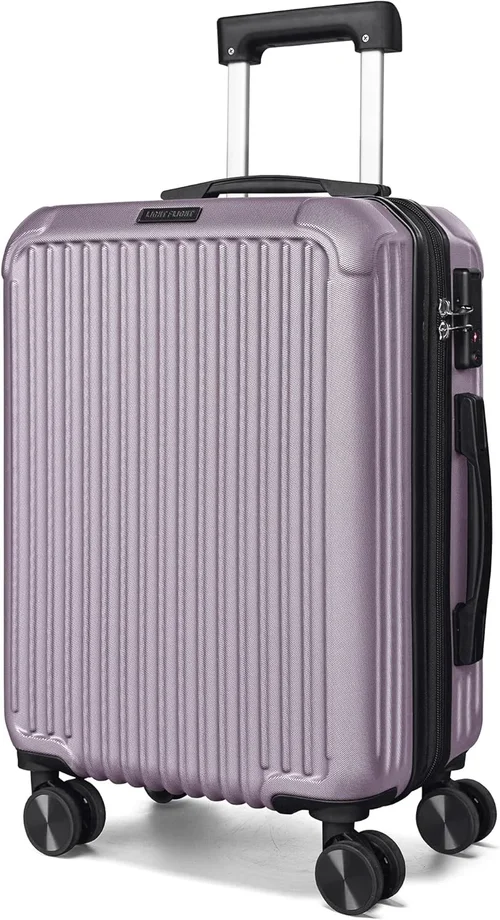
Choosing the right expandable cabin luggage can feel like navigating a maze of specifications, brand promises, and price tags. Whether you are a frequent flyer who values every extra inch of packing space or an occasional traveler looking for a reliable carry‑on that won’t break the bank, the decision you make today will affect every trip you take tomorrow. This guide is designed to cut through the noise, explain the technical jargon in plain language, and give you a clear roadmap so you can buy with confidence.
In the following sections you will learn the most important factors to evaluate first, the different categories of expandable cabin bags on the market, common pitfalls that trap unwary shoppers, realistic budget expectations, expert timing and buying strategies, answers to the questions travelers ask most often, and our top picks for every type of buyer. By the end you will know exactly what to look for, how much to spend, and which suitcase will become your trusted travel companion.
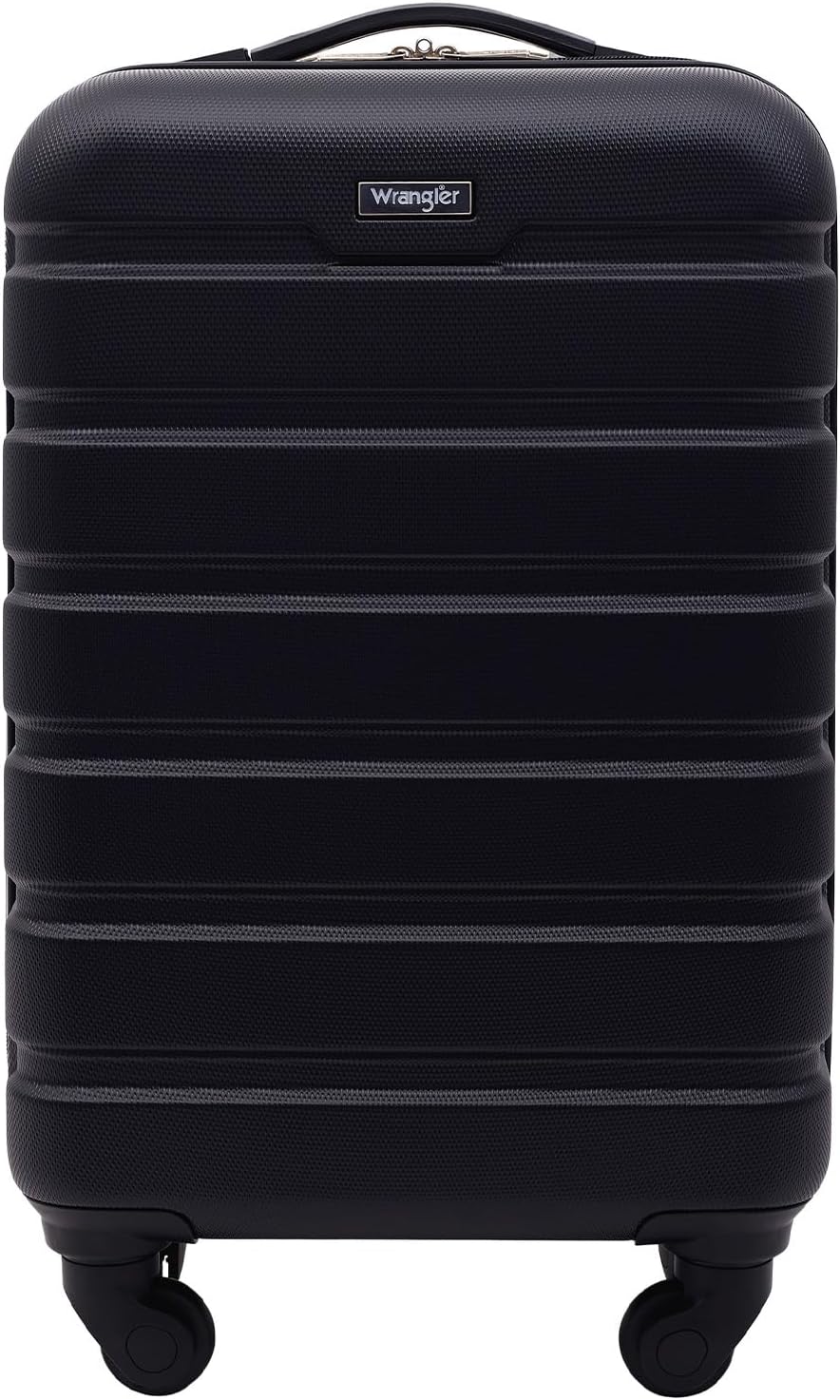
What to Look for When Buying Buying Guide
1. Size & Airline Compatibility
The very first thing to verify is whether the bag meets the carry‑on dimensions of the airlines you fly most often. Most major carriers allow a maximum of 22 × 14 × 9 inches (56 × 36 × 23 cm) including wheels and handles, but low‑cost airlines can be stricter. An expandable bag typically adds 1.5–2 inches of depth when the zipper is opened, so you must ensure the expanded size still fits in the overhead bin or under the seat. Look for a model that lists both “standard” and “expanded” dimensions on the product page. If you frequently fly multiple airlines, choose a bag that stays within the most restrictive limits even when expanded, or be prepared to check it on those flights.
2. Expansion Mechanism & Capacity Gain
Expandable luggage uses a secondary zipper that releases a hidden gusset, adding anywhere from 15 % to 30 % more volume. The quality of that zipper matters: a YKK or similar brand zipper with double‑stitched teeth resists snagging and distributes stress evenly. Check whether the expansion is a full‑circumference gusset (adds depth all around) or a front‑panel only gusset (adds depth only on one side). Full‑circumference gives more packing flexibility but can make the bag bulkier when expanded. Also note the “expanded capacity” figure in liters; a 35 L bag that expands to 45 L gives you roughly the space of a medium checked bag while still qualifying as carry‑on.
3. Material & Durability
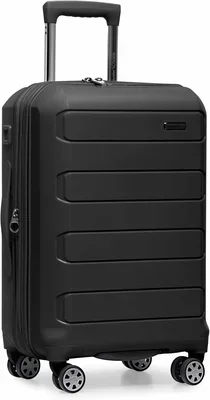
Two main families dominate the market: hard‑shell (polycarbonate, ABS, or a blend) and soft‑sided (ballistic nylon, Cordura, or high‑denier polyester). Hard shells excel at protecting fragile items and resisting water, but they can crack under severe impact. Polycarbonate is the gold standard for impact resistance and flexibility, while ABS is cheaper but more brittle. Soft‑sided bags are lighter, often have external pockets for quick access, and can squeeze into tight overhead bins, yet they offer less protection for electronics. Denier (D) measures fabric thickness; 1680D ballistic nylon is a benchmark for abrasion resistance. For a blend of both worlds, hybrid models use a polycarbonate frame with a nylon front panel.
4. Wheel System & Maneuverability
Spinner wheels (four 360° rotating wheels) have become the default for cabin luggage because they let you glide the bag beside you rather than tilt and drag. Look for wheels that are recessed into the shell – this protects them from curb impacts. Wheel diameter matters: 50 mm or larger rolls smoother over carpet, cobblestones, and airport treadmills. Bearings sealed against dust and moisture extend life. If you prefer a two‑wheel “roller” style, ensure the wheels are oversized (70 mm+) and the frame has a sturdy corner guard to prevent wobble when the bag is fully packed.
5. Security Features (TSA‑Approved Locks & Zipper Security)
A built‑in TSA‑approved combination lock lets security agents open the bag without cutting the zipper. The lock should be integrated into the frame, not a flimsy padlock that can be pried off. Some premium models add a double‑coil zipper with a lockable puller that prevents the zipper from being forced open. If you travel with valuables, consider a bag with a hidden “security pocket” lined with RFID‑blocking fabric for passports and credit cards.
6. Weight & Portability
Airlines increasingly enforce strict carry‑on weight limits (often 7–10 kg / 15–22 lb). Every ounce of the bag’s own weight reduces what you can pack. Ultra‑light polycarbonate shells can weigh as little as 2.2 kg (4.8 lb) for a 22‑inch spinner, while heavy‑duty ballistic nylon models may tip 3.5 kg (7.7 lb). A telescopic handle with multiple lock positions (typically 3–4) accommodates different user heights and reduces strain. Top and side grab handles should be reinforced with riveted stitching, not just glued.
7. Warranty & Customer Support
A solid warranty signals manufacturer confidence. Look for at least a 5‑year limited warranty covering defects in materials and workmanship; premium brands like Briggs & Riley offer a lifetime “no‑questions‑asked” repair policy. Check whether the warranty is international (important if you buy abroad) and whether the brand has a responsive claims process – online chat, email, or phone. Read recent customer reviews for real‑world warranty experiences; a brand that honors claims quickly can save you hundreds in replacement costs.
Different Types of Buying Guide

Common Buying Mistakes to Avoid
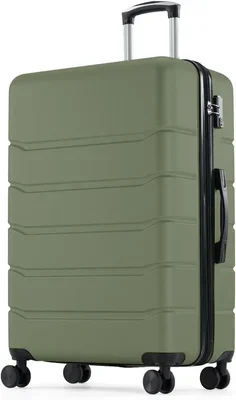
❌ Mistake: Ignoring Airline‑Specific Size Limits
Why it’s bad: A bag that fits the “standard” 22‑inch template may be rejected on a low‑cost carrier that measures 21.5 × 13.5 × 7.5 inches. Over‑expansion can also push the bag over the limit, forcing a gate check and possible fees.
What to do instead: Compile a list of the airlines you fly most, note their exact carry‑on dimensions, and choose a bag that meets the strictest set even when fully expanded.
❌ Mistake: Prioritizing Brand Name Over Build Quality
Why it’s bad: Some well‑known brands license their name to lower‑tier manufacturers, resulting in flimsy zippers, weak wheel housings, and thin shells that crack after a few trips.
What to do instead: Examine the spec sheet: zipper brand, wheel bearing type, shell material thickness, and warranty length. A lesser‑known brand with a 10‑year warranty and YKK zippers often outperforms a famous label with a 1‑year warranty.
❌ Mistake: Overlooking Weight When Empty
Why it’s bad: A 4 kg (8.8 lb) empty suitcase leaves only 3 kg (6.6 lb) for your belongings on a 7 kg limit, forcing you to leave essentials behind or pay overweight fees.
What to do instead: Target an empty weight under 2.5 kg (5.5 lb) for a 22‑inch spinner. Lightweight polycarbonate or high‑denier nylon with minimal hardware achieves this.
❌ Mistake: Buying Without Testing the Handle & Wheels
Why it’s bad: A handle that sticks at the second lock position or wheels that wobble on a smooth floor will become a nightmare on crowded terminals and uneven pavement.
What to do instead: If possible, visit a store and push the bag loaded with 10 kg of weight. Feel for smooth 360° rotation, stable tracking, and a handle that locks securely at each height.
❌ Mistake: Skipping the Expansion Zipper Test
Why it’s bad: Cheap expansion zippers can separate under load, causing the gusset to burst open mid‑flight and spill contents.
What to do instead: Open and close the expansion zipper 10–15 times in the store. It should glide without catching, and the teeth should stay aligned when the bag is fully packed.
❌ Mistake: Ignoring Return & Warranty Policies
Why it’s bad: Online purchases sometimes arrive with cosmetic damage or a defective lock. A 30‑day return window with free return shipping is essential; a 1‑year warranty that requires you to ship the bag to a foreign service center is not.
What to do instead: Buy from retailers with generous return policies (e.g., 60‑day free returns) and brands that offer domestic repair centers or a “door‑to‑door” warranty claim process.
Budget Guidelines: How Much Should You Spend?
Understanding price tiers helps you set realistic expectations and avoid over‑paying for features you don’t need. Below is a breakdown based on current market data for expandable cabin luggage sold in the United States and Europe.
Entry‑Level ($50 – $100)
At this level you’ll find mostly ABS hard shells or 600D polyester soft‑sided bags. Expect basic two‑wheel rollers, a single expansion gusset, and a simple combination lock (often not TSA‑approved). Wheels are usually 40 mm plastic with no bearings. Durability is good for 1–2 years of occasional leisure travel. Brands like Amazon Basics, Kenneth Cole Reaction, and some store‑label lines dominate here. If you fly once or twice a year and pack light, this tier can be sufficient.
Mid‑Range ($100 – $200)
This is the sweet spot for most travelers. You’ll see polycarbonate/ABS blends, 840D–1680D ballistic nylon, four‑spinner wheels with sealed bearings, YKK expansion zippers, and integrated TSA locks. Weight drops to 2.3–2.8 kg (5–6 lb). Warranties extend to 5–10 years. Popular models: Travelpro Platinum Elite, Samsonite Freeform, Delsey Chatelet Air 2.0. These bags handle weekly business trips and survive rough baggage handling.
Premium ($200 – $350)
Premium bags add refined details: self‑aligning magnetic handles, silent Hinomoto Lisof wheels, reinforced corner guards, RFID‑blocking pockets, and often a lifetime repair guarantee. Materials include 100 % polycarbonate (Makrolon) or 1680D Cordura with water‑repellent coating. Weight can be as low as 2.0 kg (4.4 lb). Brands: Briggs & Riley Baseline, Tumi V4, Rimowa Essential Cabin (though Rimowa often exceeds carry‑on depth when expanded). Ideal for road warriors who log 30+ flights a year.
Luxury ($350+)
Luxury tier includes handcrafted leather accents, carbon‑fiber frames, modular interior systems, and smart tech (GPS tracking, built‑in scale, USB‑C power delivery). Weight may rise due to electronics but stays under 3 kg. Brands: Horizn Studios M5, Away The Bigger Carry‑On with Pocket, Rimowa Original Cabin Plus. These are status pieces as much as functional luggage; the cost per trip is justified only if you value aesthetics and cutting‑edge features.
Expert Tips for Getting the Best Deal
- Buy Off‑Season: Late January through March and September through early November are low‑demand periods; retailers clear inventory for new collections.
- Leverage Loyalty Programs: Many airlines and hotel chains partner with luggage brands for member‑only discounts (often 10‑15 %).
- Check Refurbished / Open‑Box: Manufacturer‑certified refurbished units carry the same warranty at 30‑40 % off.
- Bundle with Packing Cubes: Some retailers offer a free set of compression packing cubes when you buy a suitcase – effectively a $30‑$40 value.
- Read the Fine Print on “Free Shipping”: Some sites offer free shipping only on orders over $150; add a small accessory to qualify rather than paying $15‑$20 for shipping.
- Test In‑Store, Buy Online: Visit a physical store to feel the handle, wheels, and expansion zipper, then purchase the exact SKU online where price matching or coupon codes apply.
- Register the Warranty Immediately: Many brands require online registration within 30 days to activate the full warranty period.
- Consider a Credit Card with Purchase Protection: Cards like Chase Sapphire Reserve or Amex Platinum extend manufacturer warranties by an extra year and cover theft/damage for 90 days.

Frequently Asked Questions
Q: Can I use an expandable cabin bag as my only luggage for a week‑long trip?
A: Yes, if you pack efficiently. A 35 L bag that expands to 45 L provides roughly the same volume as a medium checked suitcase. Use packing cubes, roll clothing, and wear your bulkiest items (boots, jacket) on the plane. Remember the weight limit – a fully expanded bag can easily exceed 7 kg if you fill it with dense items like shoes or electronics.
Q: Does expanding the bag void the warranty?
A: No. Manufacturers design the expansion gusset as a normal feature. Warranty claims are denied only if the damage results from misuse (e.g., forcing the zipper past its stop, overloading beyond the stated capacity).
Q: Are spinner wheels more fragile than two‑wheel rollers?
A: Modern spinner wheels with sealed ball bearings and recessed housings are highly durable. The main vulnerability is the wheel axle; a hard impact on a curb can bend it. Two‑wheel rollers have fewer moving parts but require tilting, which stresses the frame. For most travelers, four‑wheel spinners offer superior maneuverability with comparable longevity.
Q: What is “denier” and why does it matter?
A: Denier (D) measures the linear mass density of fibers. Higher denier means thicker, more abrasion‑resistant fabric. 1680D ballistic nylon is the industry standard for premium soft‑sided luggage; 600D polyester is entry‑level and will show wear faster.
Q: Can I replace a broken wheel myself?
A: Many mid‑range and premium brands sell replacement wheel kits (often $15‑$30) and provide instructional videos. Entry‑level bags usually have riveted wheels that are not user‑serviceable. Check the brand’s support site before buying if self‑repair matters to you.
Q: Is a built‑in USB port worth the extra cost?
A: Only if you already carry a power bank and want the convenience of charging without opening the bag. The port is just a pass‑through; you still need to supply the battery. If you rarely need on‑the‑go charging, skip it and save $30‑$50.
Q: How do I clean a polycarbonate shell?
A: Wipe with a damp microfiber cloth and mild soap. Avoid abrasive cleaners or solvents (acetone, alcohol) that can dull the finish. For scuffs, a small amount of automotive polishing compound restores shine.
Q: What’s the difference between a “TSA lock” and a regular combination lock?
A: A TSA lock has a master keyhole that allows Transportation Security Administration agents to open it without destroying the lock. A regular combination lock cannot be opened by TSA; they will cut it off if they need to inspect the bag.
Q: Should I buy a matching checked‑size suitcase from the same line?
A: If you like the handle feel, wheel quality, and interior organization, a matching set ensures consistency and often yields a bundle discount (10‑15 %). However, you can mix brands as long as each piece meets your individual needs.
Our Final Recommendations
Best for Budget‑Conscious Buyers: Amazon Basics 21‑Inch Hardside Spinner with Expansion – Priced around $70, it offers a polycarbonate/ABS shell, four double‑spinner wheels, a basic TSA lock, and a 15 % expansion gusset. Weight is 3.1 kg (6.8 lb). Good for 2–3 trips per year.
Best Overall Value: Travelpro Platinum Elite 22‑Inch Expandable Spinner – At $180‑$200 you get 100 % polycarbonate, MagnaTrac self‑aligning wheels, a precision‑glide handle, YKK expansion zipper, and a lifetime warranty. Weight 2.4 kg (5.3 lb). Handles weekly business travel with ease.
Best Premium Option: Briggs & Riley Baseline Domestic Carry‑On Expandable – $330‑$350 brings a 1680D ballistic nylon exterior, CX expansion system (adds 34 % volume), patented Outsider handle (flat interior), and a truly unconditional lifetime guarantee. Weight 2.6 kg (5.7 lb). Ideal for road warriors who demand zero‑hassle repairs.
Best for Beginners: Samsonite Freeform 21‑Inch Spinner – $130‑$150, lightweight polycarbonate, recessed double wheels, integrated TSA lock, and a simple one‑pull expansion. The interior includes a full‑zip divider and cross straps. Easy to pack, easy to maneuver, and backed by a 10‑year limited warranty.
Best for Advanced Users / Tech Enthusiasts: Away The Bigger Carry‑On with Pocket (USB‑C) – $295‑$315. Polycarbonate shell, Hinomoto silent wheels, ejectable battery (TSA‑compliant), dedicated laptop pocket, and a lifetime warranty on the shell. The built‑in USB‑C port supports 18W Power Delivery for fast phone/laptop charging.
Conclusion: Making the Right Choice
Selecting expandable cabin luggage is ultimately about matching the bag’s capabilities to your travel rhythm. Start by confirming the strictest airline size you’ll encounter, then decide whether you value the rigid protection of a hard shell or the flexibility and external pockets of a soft side. Prioritize a smooth spinner wheel system, a reputable zipper brand, and a warranty that lasts at least five years. Set a realistic budget – the $100‑$200 mid‑range tier delivers the best balance of durability, weight, and features for the majority of flyers. Use seasonal sales, loyalty discounts, and refurbished options to stretch your dollar further.
Armed with the factors, comparisons, and expert tips in this guide, you can walk into any store or click “Add to Cart” knowing exactly what you need. Your next trip deserves a carry‑on that expands with your ambitions, rolls effortlessly through terminals, and survives the inevitable bumps along the way. Happy travels, and may your overhead bin always have room.