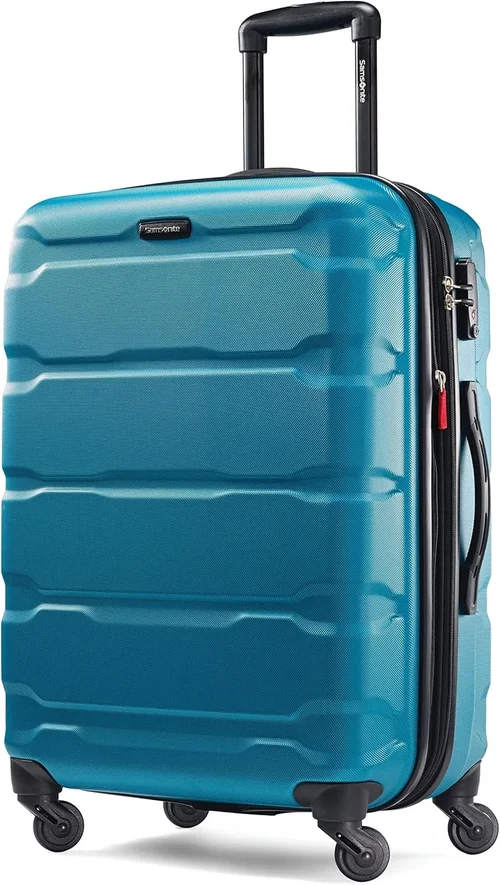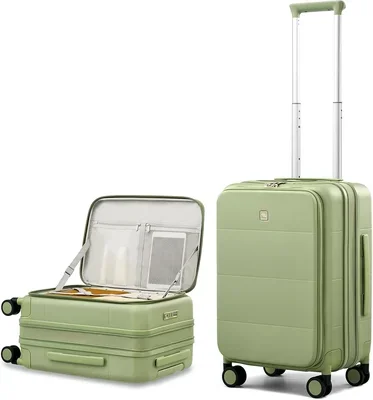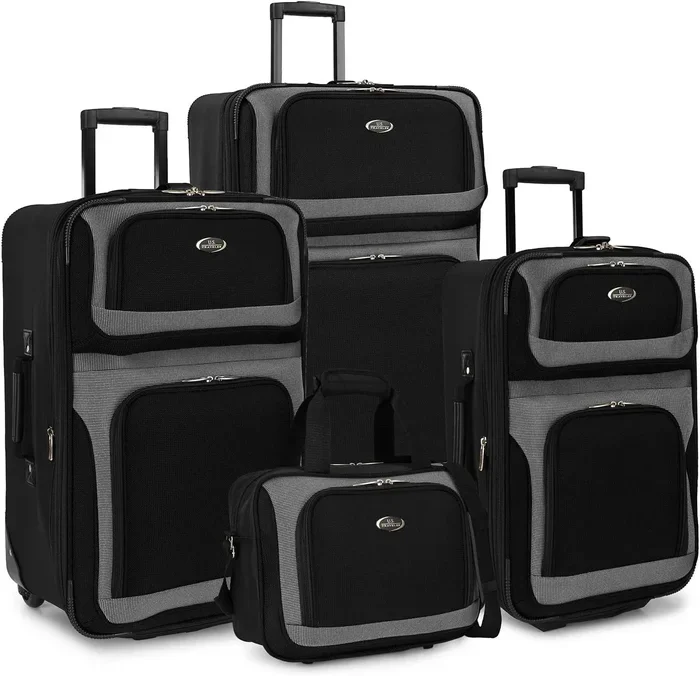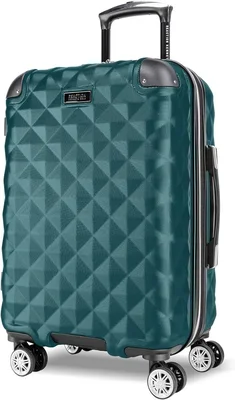
Choosing the right expandable hardside luggage can feel overwhelming because there are so many options on the market. This guide breaks down every important detail so you can shop with confidence. You will learn what features matter most, how to compare price tiers, and which common mistakes to avoid. By the end you will have a clear checklist that matches your travel style and budget.
The market for expandable hardside luggage has grown quickly in recent years. Manufacturers now offer a wide range of sizes, materials, and smart features. Some models focus on lightweight design while others prioritize maximum durability. Understanding the differences will help you pick a suitcase that lasts for many trips without surprises.

What to Look for When Buying Buying Guide
1. Material and Shell Construction
The shell material determines how well the bag resists impacts and scratches. Polycarbonate is popular because it flexes under pressure and returns to shape. ABS plastic is cheaper but can crack on hard hits. Aluminum frames add strength but increase weight. Look for a label that states the material blend and check if the corners are reinforced. Reinforced corners protect the most vulnerable points during baggage handling.
2. Expandable Depth and Zipper Quality
Expandable hardside luggage usually adds 1.5 to 2.5 inches of extra packing space. The expansion zipper must be strong because it bears the load when the bag is full. YKK or similar brand zippers are a reliable sign. Test the zipper by opening and closing it several times; it should glide smoothly without snagging. A double‑coil zipper with a lockable pull tab adds security and prevents accidental opening.
3. Wheel System and Maneuverability
Four spinner wheels that rotate 360 degrees make navigating airports effortless. Look for wheels made from polyurethane rather than hard plastic; they roll quieter and handle rough surfaces better. Wheel housing should be recessed into the shell to protect the wheels from impact. If you often travel on cobblestones or uneven pavement, larger diameter wheels (around 3 inches) provide a smoother ride.
4. Handle Design and Telescoping Mechanism
A comfortable telescopic handle reduces wrist strain. The handle should lock at multiple heights so users of different statures can find a natural grip. Aluminum or reinforced fiberglass tubes resist bending. Grip material matters too; a rubberized or contoured foam grip stays comfortable during long walks. Test the handle by extending and retracting it several times; it should move without sticking.
5. Interior Organization and Compression Straps
Inside layout affects how efficiently you pack. A full‑length divider panel creates two separate compartments. Mesh pockets on the divider keep small items visible. Compression straps on both sides keep clothes from shifting and maximize the expandable space. Some models include a removable laundry bag or a wet‑dry pocket for toiletries. Choose a layout that matches your packing style.
6. Weight and Airline Size Limits
Weight matters because airlines enforce strict carry‑on and checked‑bag limits. A lightweight shell (under 7 pounds for a 22‑inch carry‑on) leaves more allowance for your belongings. Verify the external dimensions including wheels and handles; many brands list the “case only” size which can be misleading. Measure the bag yourself if possible, or read verified buyer reviews that mention real‑world fit.
7. Locking System and Security Features
TSA‑approved combination locks let security agents inspect the bag without cutting the lock. Integrated locks built into the frame are more tamper‑resistant than aftermarket padlocks. Some premium models offer a fingerprint or Bluetooth lock that pairs with a phone app. Decide how much security you need; for most travelers a solid TSA lock is sufficient.
8. Warranty Coverage and Customer Support
A strong warranty signals confidence in build quality. Look for at least a 5‑year limited warranty covering shell cracks, wheel failure, and handle defects. Some brands offer a lifetime warranty on the frame. Read the fine print: does the warranty require registration? Is shipping covered for repairs? Responsive customer service can turn a defective unit into a quick replacement rather than a headache.
Different Types of Buying Guide

Common Buying Mistakes to Avoid
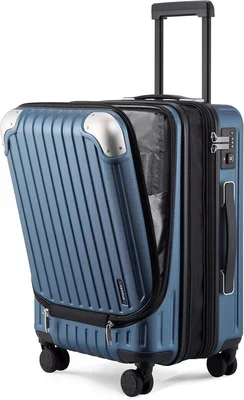
❌ Mistake: Ignoring Real‑World Dimensions
Why it’s bad: Manufacturers often list interior dimensions only. The external size with wheels and handles can exceed airline limits, leading to gate‑check fees.
What to do instead: Measure the bag yourself or read reviews that confirm the total external measurements. Keep a tape measure handy when shopping in store.
❌ Mistake: Choosing the Cheapest Shell Material
Why it’s bad: Low‑grade ABS can crack on the first rough handling, leaving you with a broken suitcase mid‑trip.
What to do instead: Invest in a polycarbonate or polycarbonate‑ABS blend. The modest price increase pays off in durability.
❌ Mistake: Overlooking Wheel Quality
Why it’s bad: Hard plastic wheels wear quickly, become noisy, and can seize on debris.
What to do instead: Select polyurethane spinner wheels with sealed bearings. They roll smoother and last longer.
❌ Mistake: Skipping the Expansion Test
Why it’s bad: Some expandable zippers jam or split when fully loaded, negating the extra space.
What to do instead: Open the expansion zipper fully in the store. Pack a few items to see if the zipper holds under tension.
❌ Mistake: Forgetting Warranty Registration
Why it’s bad: Many brands require online registration within 30 days to activate the full warranty.
What to do instead: Register the product immediately after purchase. Save the receipt and warranty card in a digital folder.
❌ Mistake: Buying Without a Return Policy Check
Why it’s bad: Some online retailers charge restocking fees or only accept returns in original packaging.
What to do instead: Verify a hassle‑free 30‑day return window before ordering. Keep all packaging until you are sure the bag fits your needs.
Budget Guidelines: How Much Should You Spend?
Entry‑Level ($80 – $150)
At this price you get a basic polycarbonate‑ABS shell, four spinner wheels, and a simple TSA lock. Expansion depth is usually 1.5 inches. Expect a weight around 8‑9 lb for a 22‑inch carry‑on. Good for occasional leisure travel but may show wear after a few heavy trips.
Mid‑Range ($150 – $300)
This tier offers true polycarbonate construction, reinforced corners, double‑coil YKK expansion zippers, and a multi‑stage telescopic handle. Weight drops to 6‑7 lb for carry‑on. Interior includes a divider, mesh pockets, and compression straps. Most brands back these with a 5‑year warranty. This is the sweet spot for frequent flyers.
Premium ($300 – $500)
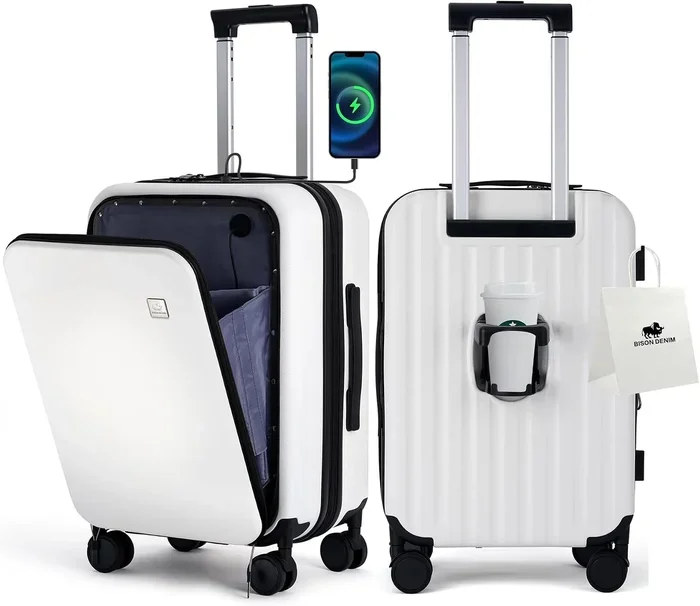
Premium models add features like self‑healing zippers, integrated USB power banks, removable laundry bags, and fingerprint or Bluetooth locks. Shells may use a proprietary high‑impact polymer blend. Wheels are larger, often 3.5 inches, with precision bearings. Warranty extends to 10 years or lifetime on the frame. Ideal for business travelers who value convenience and tech integration.
Luxury ($500 +)
Luxury expandable hardside luggage uses aerospace‑grade aluminum or carbon‑fiber reinforced shells. Hand‑stitched leather accents, custom interior layouts, and concierge‑level service (free repairs, loaner bags) are standard. Weight can be higher due to metal frames, but the durability is unmatched. These are status pieces for travelers who want the absolute best and are willing to pay for it.
Expert Tips for Getting the Best Deal
- Shop off‑season: January and September often have clearance sales on previous‑year models.
- Sign up for brand newsletters: Many manufacturers send a 10‑15 % discount code for first‑time subscribers.
- Compare total cost: Include shipping, taxes, and potential return fees when evaluating online vs. in‑store prices.
- Check authorized retailers: Buying from an authorized dealer ensures the warranty is valid and you receive genuine accessories.
- Use price‑tracking tools: Browser extensions can alert you when a specific model drops below your target price.
- Test in person: Even if you plan to buy online, visit a store to feel the handle, roll the wheels, and test the expansion zipper.
- Consider bundle deals: Some brands sell a carry‑on and checked bag together at a discount.
- Read the return policy fine print: Look for free return shipping and a 30‑day window with no restocking fee.

Frequently Asked Questions
Q: What is expandable hardside luggage?
A: Expandable hardside luggage is a hard‑shell suitcase that features a zippered expansion gusset. When unzipped, the bag gains extra packing depth, typically 1.5 to 2.5 inches, allowing you to fit more items while still maintaining a rigid protective shell.
Q: How much extra space does the expansion add?
A: Most models add roughly 15‑25 % more volume. For a 22‑inch carry‑on that translates to about 2‑3 additional liters, enough for a few extra outfits or souvenirs.
Q: Are expandable hardside bags allowed as carry‑on?
A: Yes, as long as the external dimensions (including wheels and handles) stay within the airline’s carry‑on limits. Always measure the bag fully expanded before heading to the airport.
Q: Do expandable zippers weaken the shell?
A: Quality expandable zippers are reinforced with double stitching and a protective fabric flap. When closed, the shell retains its original strength. Cheap zippers can be a weak point, so choose reputable brands.
Q: Can I repair a cracked polycarbonate shell?
Q: What is the difference between spinner wheels and inline wheels?
A> Spinner wheels rotate 360 degrees, letting you push the bag beside you. Inline wheels only roll forward and backward, requiring you to tilt the bag. Spinners are generally easier on the wrist.
Q: How do I clean my hardside luggage?
A> Wipe the exterior with a damp cloth and mild soap. Avoid abrasive cleaners. For the interior, vacuum loose debris and spot‑clean stains with a fabric‑safe cleaner.
Q: Is a built‑in USB port worth the extra cost?
A> If you frequently charge devices on the go and dislike carrying a separate power bank, the integrated port is convenient. Remember you still need to supply your own power bank inside the bag.
Q: What warranty length should I expect?
A> Entry‑level bags often have a 2‑year limited warranty. Mid‑range and premium models typically offer 5‑10 years, and luxury brands may provide a lifetime frame warranty.
Our Final Recommendations
- Best for Budget‑Conscious Buyers: A 22‑inch polycarbonate‑ABS carry‑on from a reputable mid‑tier brand (around $130). It delivers solid expansion, decent wheels, and a 3‑year warranty.
- Best Overall Value: A 24‑inch mid‑range checked bag with true polycarbonate shell, YKK expansion zipper, and 5‑year warranty (around $210). Balances weight, durability, and organization.
- Best Premium Option: A 26‑inch premium expandable hardside with self‑healing zippers, integrated USB power bank, fingerprint lock, and 10‑year warranty (around $380). Ideal for frequent business travelers.
- Best for Beginners: A lightweight 20‑inch carry‑on with simple two‑stage handle, smooth spinner wheels, and a clear instruction manual (around $120). Easy to use right out of the box.
- Best for Advanced Users: A large 28‑inch luxury model featuring carbon‑fiber reinforced shell, modular interior system, and concierge repair service (around $620). Suits travelers who demand maximum customization and durability.
Conclusion: Making the Right Choice
You now have a complete framework for evaluating expandable hardside luggage. Start by defining your typical trip length and airline requirements. Then prioritize shell material, wheel quality, and expansion zipper reliability. Match those needs to a price tier that fits your budget, and always verify warranty terms before purchasing. Avoid the common mistakes listed above, and use the expert tips to snag the best deal. With this knowledge you can walk into any store or browse any site confident that you will select a suitcase that protects your belongings and travels smoothly for years to come.
Happy travels and safe packing!