
Introduction
Choosing the right expandable luggage can feel like navigating a maze of zippers, wheels, and marketing buzzwords. Whether you are a frequent flyer, a weekend road‑tripper, or a backer of the latest expandable luggage kickstarter campaign, the right bag makes every journey smoother. This guide breaks down the essential factors, compares the most common types, and gives you a clear roadmap so you can buy with confidence.
In the next sections you will learn how to evaluate size, durability, weight, and expansion mechanisms. We will also decode technical terms like “polycarbonate shell” and “spinner wheels” into plain language. By the end, you will know exactly what to prioritize, how much to spend, and which models deliver the best value for your travel style.
The market today offers everything from budget‑friendly soft‑side bags to premium hard‑shell spinners with built‑in USB ports. Kickstarter projects have added innovative features such as modular compartments and smart tracking. Understanding the landscape helps you avoid costly mistakes and pick a companion that lasts for years.
What to Look for When Buying Buying Guide
1. Size and Capacity
Size is the first filter. Airlines enforce strict linear‑inch limits for carry‑on and checked bags. Measure the exterior dimensions including wheels and handles. Expandable luggage typically adds 1.5 to 2 inches of depth when unzipped, giving you 15‑25 % more packing space. Choose a size that fits your most common itinerary: a 22‑inch carry‑on for short trips, a 26‑inch checked bag for longer stays.
2. Build Quality and Materials
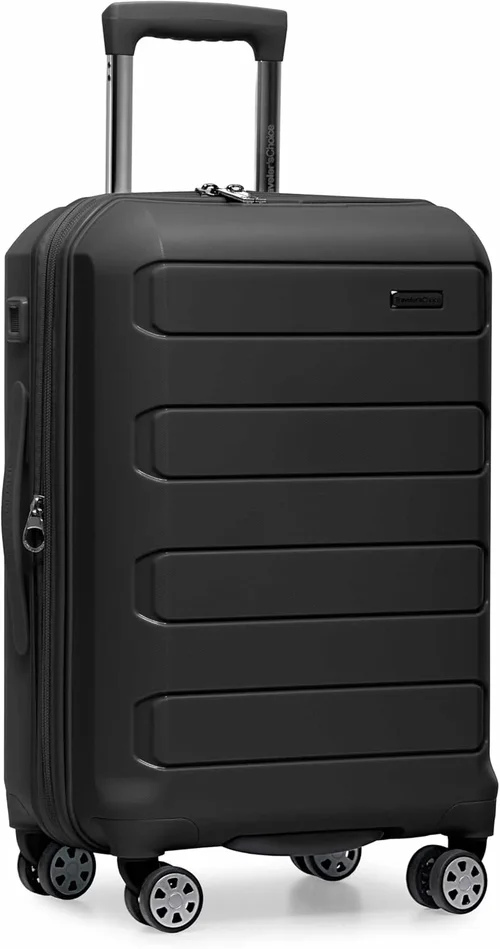
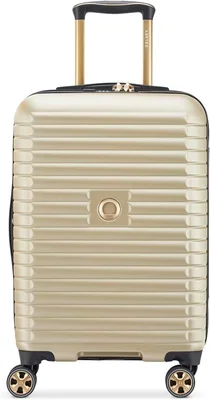
Durability hinges on the shell material and stitching. Hard‑shell cases use polycarbonate, ABS, or a blend. Polycarbonate is lighter and more impact‑resistant; ABS is cheaper but can crack under heavy pressure. Soft‑side bags rely on ballistic nylon (denier 1680D or higher) or polyester. Look for reinforced corners, double‑stitched seams, and water‑resistant coatings.
Expandable luggage kickstarter projects often experiment with hybrid shells—combining a polycarbonate frame with a nylon expansion panel. These hybrids aim to give the best of both worlds: rigidity when closed, flexibility when expanded.
3. Expansion Mechanism
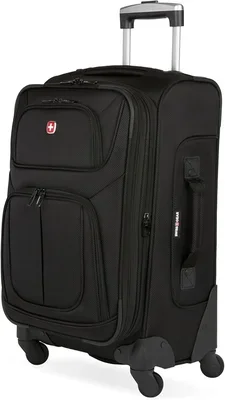
The expansion zipper is the heart of the feature. A high‑quality YKK or SBS zipper with a fabric gusset prevents snagging. Some models use a “dual‑stage” zipper: one zipper for the main compartment, a second for the expansion panel. Test the zipper in store—smooth operation means less frustration at the airport.
4. Wheel System and Maneuverability
Spinner wheels (four 360° wheels) let you glide the bag beside you. Inline wheels (two fixed wheels) are more durable on rough terrain but require tilting. Wheel housing material matters: polyurethane (PU) wheels roll quieter and absorb shock better than hard plastic. Check the wheel warranty—some brands offer lifetime wheel replacement.
5. Handle Ergonomics
Telescoping handles should lock at multiple heights. Aluminum tubes are lighter than steel but can bend under extreme load. A comfortable grip (rubberized or foam) reduces hand fatigue. Some premium models feature a “push‑button” release that locks the handle with one hand.
6. Weight
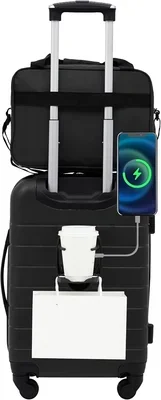
Every ounce counts, especially for carry‑on where airlines enforce a 7‑10 kg limit. Hard‑shell spinners typically weigh 6‑9 lb (2.7‑4 kg) empty; soft‑side expandables are 4‑7 lb (1.8‑3.2 kg). If you pack heavy, a lighter bag leaves more allowance for your belongings.
7. Interior Organization
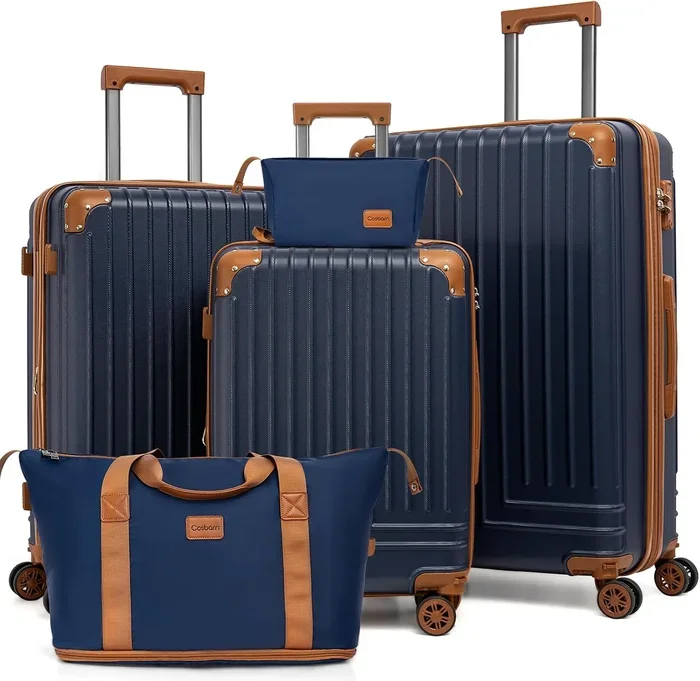
Look for a split‑case design (two equal halves) with compression straps, mesh divider pockets, and a dedicated laptop sleeve. Some expandable luggage kickstarter campaigns add modular cubes that snap into the expansion panel, letting you customize the layout per trip.
8. Warranty and Customer Support
A solid warranty signals confidence. Brands like Travelpro, Samsonite, and Away offer limited lifetime warranties covering defects in materials and workmanship. Kickstarter projects may offer a 1‑year warranty; read the fine print for coverage on zippers, wheels, and expansion panels.
Different Types of Buying Guide

Common Buying Mistakes to Avoid
❌ Mistake: Ignoring Airline Size Limits
Why it’s bad: An oversized bag forces you to check it at the gate, incurring fees and risk of damage.
What to do instead: Measure your bag (including wheels) and compare to the strictest carrier you fly. Choose a model that fits the smallest allowance.
❌ Mistake: Prioritizing Looks Over Function
Why it’s bad: A gorgeous leather‑trimmed case may lack durable wheels or a reliable expansion zipper.
What to do instead: Read reviews focusing on wheel durability, zipper smoothness, and handle comfort. Aesthetic details are secondary.
❌ Mistake: Overlooking Weight
Why it’s bad: A heavy empty bag eats into your weight allowance, leading to overweight fees.
What to do instead: Target a carry‑on under 7 lb (3.2 kg) and a checked bag under 10 lb (4.5 kg). Lightweight polycarbonate or high‑denier nylon are good bets.
❌ Mistake: Skipping Warranty Details
Why it’s bad: Some warranties exclude zippers, wheels, or expansion panels—the very parts that wear fastest.
What to do instead: Request the full warranty PDF before purchase. Prefer brands with “no‑questions‑asked” replacement for the first 2‑3 years.
❌ Mistake: Buying Without Testing the Expansion
Why it’s bad: A stiff or misaligned expansion zipper can jam when you need extra space most.
What to do instead: In‑store, fully expand and compress the bag three times. Online, watch video reviews that demonstrate the mechanism.
❌ Mistake: Assuming All Spinner Wheels Are Equal
Why it’s bad: Cheap plastic wheels crack on cobblestones; premium PU wheels glide silently.
What to do instead: Check wheel material and read long‑term user reports. A lifetime wheel warranty is a strong indicator.
❌ Mistake: Neglecting Interior Organization
Why it’s bad: A cavernous interior without dividers leads to wrinkled clothes and lost chargers.
What to do instead: Look for built‑in compression straps, mesh pockets, and a removable laundry bag. Modular cubes are a bonus.
Budget Guidelines: How Much Should You Spend?
Entry‑Level ($40 – $100)
At this tier you’ll find basic soft‑side expandables with inline wheels and a single expansion zipper. Materials are usually 600D‑900D polyester. Expect a 1‑year limited warranty. Good for occasional weekend trips or as a backup bag. Don’t expect premium spinner wheels or a lifetime guarantee.
Mid‑Range ($100 – $250)
This is the sweet spot for most travelers. You get polycarbonate or high‑denier ballistic nylon, four spinner wheels (often PU), a multi‑stage telescoping handle, and a 3‑5 year warranty. Many expandable luggage kickstarter projects launch in this range, offering innovative features like modular packing cubes or integrated TSA locks.
Premium ($250 – $450)
Premium bags add features such as self‑healing zippers, aluminum handle tubes, removable battery packs (FAA‑compliant), and GPS tracking. Hard‑shell models often use 100 % polycarbonate with a matte finish that resists scratches. Warranties extend to limited lifetime. Ideal for frequent flyers who value durability and tech integration.
Luxury ($450+)
Luxury lines (e.g., Rimowa, Tumi, Briggs & Riley) focus on craftsmanship: hand‑stitched leather accents, precision‑engineered wheel bearings, and bespoke interior layouts. Expansion is usually a subtle gusset rather than a full‑depth zipper. The price pays for brand prestige, resale value, and a service network that can repair a bag in any major city.
Expert Tips for Getting the Best Deal
- Buy off‑season: Late January and September see clearance sales as retailers clear inventory for new collections.
- Sign up for brand newsletters: Many companies send a 10‑15 % coupon for first‑time subscribers.
- Check authorized resellers: Sites like eBags, Luggage Pros, and Amazon’s “Brand Store” often have lower prices than the manufacturer’s site.
- Use price‑tracking tools: CamelCamelCamel (Amazon) and Honey alert you when a specific model drops below your target price.
- Consider refurbished or open‑box: Manufacturer‑certified refurbished bags carry the same warranty at 20‑30 % off.
- Read the return policy: A 30‑day no‑questions‑asked return lets you test the expansion mechanism at home.
- Leverage credit‑card travel perks: Some cards offer baggage‑delay insurance or extended warranty coverage automatically.
- Bundle with packing cubes: Retailers frequently discount a set of cubes when purchased with a suitcase.

Frequently Asked Questions
Q: What does “expandable” actually mean in luggage?
A: An expandable bag has a hidden gusset panel that unzips to increase the interior depth, typically adding 1.5‑2 inches of packing space. When zipped closed, the bag meets standard airline dimensions.
Q: Can I use an expanded carry‑on on all airlines?
A: Most airlines measure the bag at its largest point. If the expanded depth exceeds the carrier’s limit, you may be forced to check it. Always verify the specific airline’s policy before you fly.
Q: Are spinner wheels worth the extra cost?
A: For smooth airport terminals and hotel lobbies, spinners reduce wrist strain. On rough pavement or cobblestones, inline wheels can be more durable. Choose based on your typical travel surfaces.
Q: How do I clean a polycarbonate hard‑shell?
A: Wipe with a damp microfiber cloth and mild soap. Avoid abrasive cleaners or solvents that can dull the finish. For scuffs, a small amount of automotive polishing compound works well.
Q: What is a “dual‑stage” expansion zipper?
A: It separates the main compartment zipper from the expansion gusset zipper. You can open the main compartment without fully expanding the bag, giving you quick access to essentials.
Q: Do smart luggage batteries comply with airline regulations?
A: Most modern smart bags use removable lithium‑ion batteries under 100 Wh, which are allowed in carry‑on. Always remove the battery before checking the bag.
Q: How long should a quality expandable suitcase last?
A: With proper care, a mid‑range polycarbonate spinner lasts 5‑8 years. Premium models with lifetime warranties can exceed a decade. Soft‑side bags may show fabric wear sooner but are often repairable.
Q: Can I repair a broken expansion zipper myself?
A: Minor slider issues can be fixed with a zipper repair kit. For a torn gusset or broken coil, professional repair or warranty claim is recommended.
Q: What’s the difference between ballistic nylon and Cordura?
A: Both are high‑tenacity nylon fabrics. Ballistic nylon (typically 1680D) was originally developed for military flak jackets; Cordura is a brand name for a range of durable fabrics, often with added abrasion resistance. Either is excellent for soft‑side luggage.
Our Final Recommendations
- Best for Budget‑Conscious Buyers: AmazonBasics Hardside Spinner 22‑Inch – solid polycarbonate shell, four double‑spinner wheels, 3‑year warranty, often under $100.
- Best Overall Value: Travelpro Platinum Elite Expandable Spinner – 1680D ballistic nylon, precision‑glide wheels, lifetime warranty, priced around $230.
- Best Premium Option: Away The Bigger Carry‑On with Pocket – polycarbonate shell, ejectable battery, lifetime warranty, sleek design, about $300.
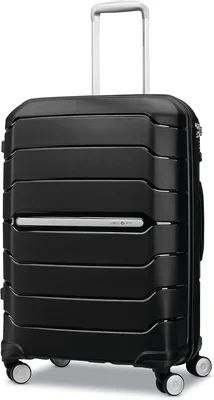
- Best for Beginners: Samsonite Freeform Hardside Expandable – lightweight, easy‑to‑use expansion zipper, 10‑year limited warranty, around $180.
- Best for Advanced Users: Briggs & Riley Baseline Domestic Expandable – CX expansion technology, lifetime “no‑questions‑asked” warranty, premium materials, $450+.
Conclusion: Making the Right Choice
Selecting expandable luggage is a balance of size, weight, durability, and features that match your travel rhythm. Start by measuring the strictest airline you fly, then prioritize a smooth expansion zipper, reliable spinner wheels, and a warranty that covers the parts most likely to fail. Mid‑range models usually deliver the best cost‑per‑trip value, while premium and luxury bags pay off if you travel weekly or need integrated tech.
Remember to test the expansion mechanism before you commit, read the fine print on warranties, and take advantage of seasonal sales or refurbished deals. With the knowledge from this guide, you can confidently back a promising expandable luggage kickstarter project or pick a proven classic that will accompany you on countless adventures.
Happy travels, and may your next suitcase be the last one you ever need to buy.