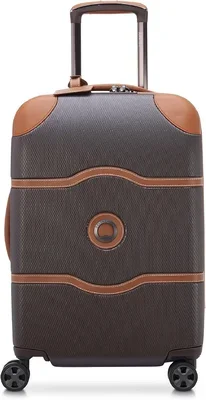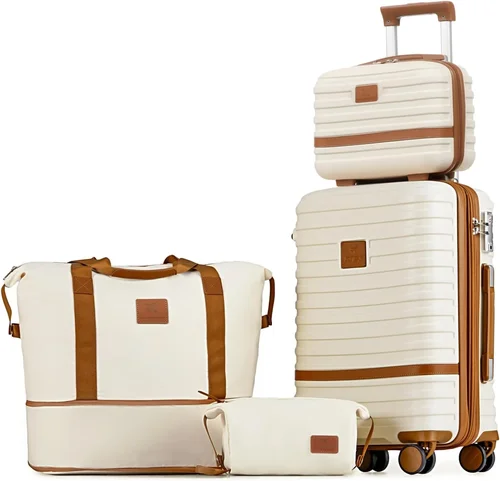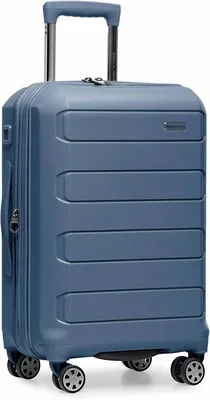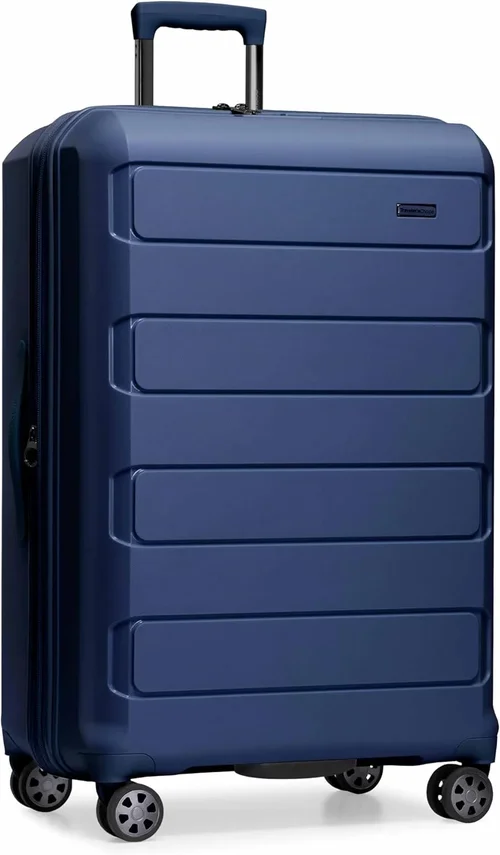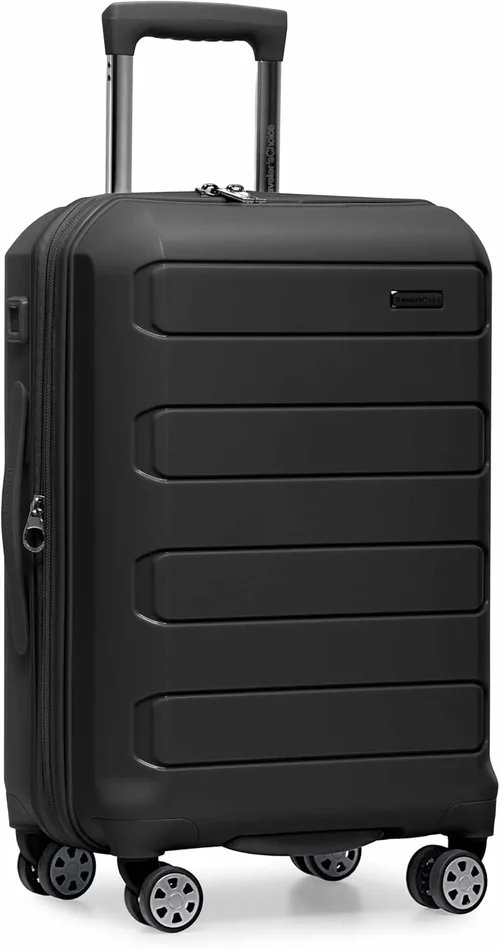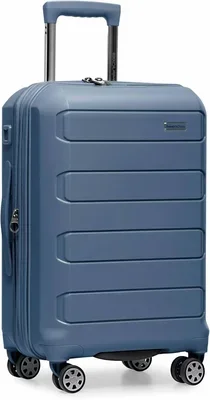
Choosing the right expandable luggage nearby can feel like navigating a maze of zippers, wheels, and warranty fine print. Whether you’re a weekend warrior hopping on a short flight or a frequent flyer who needs every cubic inch for business gear, the right bag makes the difference between a smooth journey and a stressful scramble at the gate. This guide walks you through every critical decision point, translates technical specs into plain language, and gives you the confidence to pick a suitcase that grows with your travel style.
In the next sections you’ll learn the six most important factors to weigh before you buy, see a side‑by‑side comparison of the main luggage categories, discover the most common buying pitfalls, and get a clear budget breakdown so you know exactly what you’re paying for. We’ll also share insider timing tips, answer the questions travelers ask most often, and finish with concrete recommendations for every type of buyer. By the end, you’ll be ready to walk into a store or click “add to cart” knowing you’ve made a smart, informed choice.

What to Look for When Buying Expandable Luggage
1. Size and Capacity Flexibility
Expandable luggage is defined by its ability to increase volume, usually by 15‑25 % when you unzip a hidden gusset. First, check the airline’s carry‑on limits (typically 22 × 14 × 9 in for domestic U.S. flights) and the checked‑bag maximum (often 62 linear inches). A 22‑inch expandable carry‑on that expands to 24 inches may still fit in the overhead bin when compressed, but could be rejected if you over‑pack. Look for a model that clearly states both the “compressed” and “expanded” dimensions, and verify that the expanded size still meets your most common airline’s restrictions.
2. Build Quality and Materials
The shell material determines durability, weight, and price. Polycarbonate and ABS blends are the gold standard for hard‑shell expandable luggage: they’re lightweight, impact‑resistant, and flex rather than crack. Soft‑shell options (ballistic nylon, Cordura, or high‑denier polyester) offer more external pockets and a bit of give, but they can absorb moisture and show wear faster. Examine the stitching—double‑stitched seams and reinforced stress points (handles, wheel housings) are hallmarks of a bag that survives baggage‑handler abuse.
3. Wheel System and Maneuverability
Four‑wheel “spinner” systems let you glide the bag beside you in any direction, reducing wrist strain. Look for wheels with sealed ball bearings and a wide diameter (≥ 3 in) for smoother rolling over cobblestones or carpet. Two‑wheel “inline” bags are lighter and often cheaper, but they require tilting and can be harder to navigate tight airplane aisles. Test the wheel spin in‑store: a good spinner should rotate freely with a light push and stop quickly when you let go.
4. Handle Ergonomics and Locking Mechanism
Telescoping handles should have at least three height stops, a comfortable grip (rubberized or contoured), and a sturdy locking button that doesn’t jam after repeated use. Integrated TSA‑approved combination locks are a must for checked luggage; they let security agents open the bag without cutting the lock. Some premium models add a secondary “privacy” lock on the main compartment zipper for extra peace of mind.
5. Interior Organization and Expandability Mechanism
Inside, you want a divider panel with mesh pockets, compression straps, and a dedicated laptop or tablet sleeve if you travel with tech. The expandable gusset should be a full‑circumference zipper that opens smoothly and stays aligned—cheap gussets often snag or misalign, leaving a gap that lets contents spill. A well‑designed expansion adds volume without compromising the bag’s structural integrity.
6. Weight and Airline Fee Considerations
Every ounce counts when airlines charge for overweight bags. A 22‑inch hard‑shell expandable carry‑on typically weighs 6‑8 lb; soft‑shell versions can be 1‑2 lb lighter. If you frequently fly budget carriers with strict weight limits (often 15 lb for carry‑on), prioritize ultra‑light models even if they cost a bit more. Remember that the expanded volume adds weight only when you fill it, so a lighter base bag gives you more packing headroom.
7. Warranty, Repair Network, and Brand Reputation
A solid warranty (5‑10 years or “lifetime”) signals confidence. Check whether the brand has authorized repair centers near you or offers a mail‑in service with prepaid shipping. Brands like Travelpro, Samsonite, Briggs & Riley, and Away have extensive service networks, while newer direct‑to‑consumer labels may rely on third‑party repairs. Read recent customer reviews for real‑world durability insights—especially comments on wheel longevity and zipper reliability.
8. Price vs. Value Proposition
Price tiers roughly map to material quality, wheel engineering, and warranty length. Entry‑level ($80‑$150) often uses ABS plastic, two‑wheel systems, and a 2‑year warranty. Mid‑range ($150‑$300) upgrades to polycarbonate, four‑wheel spinners, and 5‑year coverage. Premium ($300‑$500) adds features like built‑in USB ports, removable battery packs, and lifetime warranties. Luxury ($500+) focuses on bespoke materials (e.g., aluminum, leather accents) and concierge‑level service. Decide which features you’ll actually use before stretching your budget.
Different Types of Expandable Luggage

Common Buying Mistakes to Avoid
❌ Mistake: Ignoring Airline Size Limits
Why it’s bad: An expandable bag that exceeds carry‑on dimensions when fully opened can force you to check it at the gate, incurring fees and risk of damage.
What to do instead: Verify both compressed and expanded measurements against your most used airlines. Choose a model that stays within limits even when expanded, or plan to keep it compressed for carry‑on use.
❌ Mistake: Prioritizing Looks Over Wheel Quality
Why it’s bad: Stylish but cheap wheels seize up after a few trips, turning a smooth roll into a drag.
What to do instead: Spin the wheels in‑store; look for sealed bearings and a wide wheelbase. Read reviews that specifically mention wheel durability after 10+ trips.
❌ Mistake: Overlooking Weight of the Empty Bag
Why it’s bad: A heavy empty suitcase eats into your weight allowance before you pack anything.
What to do instead: Target a carry‑on under 7 lb and a checked bag under 10 lb. Ultra‑light polycarbonate models often hit 5‑6 lb.
❌ Mistake: Skipping Warranty Details
Why it’s bad: A “lifetime” warranty that only covers manufacturing defects—not wear‑and‑tear—leaves you paying for wheel replacements.
What to do instead: Read the fine print. Prefer brands with “no‑questions‑asked” repair policies and local service centers.
❌ Mistake: Buying Without Testing the Expandable Zipper
Why it’s bad: A stiff or misaligned expansion zipper can jam, leaving you unable to access the extra space when you need it.
What to do instead: Open and close the expansion zipper several times in the store. It should glide smoothly and stay aligned.
❌ Mistake: Assuming All TSA Locks Are Equal
Why it’s bad: Some integrated locks are flimsy and can be forced open, defeating the purpose.
What to do instead: Look for a lock with a solid metal shackle and a smooth dial. Test the combination mechanism before purchase.
❌ Mistake: Not Considering Repair Accessibility
Why it’s bad: A broken wheel on a bag with no nearby repair shop means you’re buying a new suitcase.
What to do instead: Choose brands with authorized repair centers in your region or a hassle‑free mail‑in program.
Budget Guidelines: How Much Should You Spend?
Entry‑Level ($80 – $150)
Expect ABS or low‑grade polycarbonate shells, two‑wheel inline systems, basic TSA locks, and a 2‑year limited warranty. These bags work fine for occasional leisure trips (1‑2 flights per year) but may show wheel wear and zipper fatigue after heavy use. Good for students or first‑time buyers who want a functional expandable bag without a big commitment.
Mid‑Range ($150 – $300)
This is the sweet spot for most travelers. You’ll find true polycarbonate or high‑denier ballistic nylon, four‑wheel spinners with sealed bearings, multi‑stage telescoping handles, and 5‑year (or limited lifetime) warranties. Interior organization includes compression straps, mesh dividers, and often a padded laptop sleeve. Brands like Travelpro Platinum Elite, Samsonite Freeform, and Away The Bigger Carry‑On sit here.
Premium ($300 – $500)
Premium models add convenience features: built‑in USB‑C charging ports with removable power banks, self‑healing zippers, antimicrobial interior linings, and sometimes a modular packing system (cubes that snap into the frame). Warranties are often lifetime with “no‑questions‑asked” repair. Examples: Briggs & Riley Baseline, Tumi Alpha 3, and Rimowa Essential Cabin (polycarbonate version).
Luxury ($500+)
Luxury expandable luggage leans into materials like anodized aluminum, full‑grain leather accents, and hand‑stitched details. They often include concierge services (free shipping for repairs, dedicated support line) and bespoke customization (monograms, color combos). While the performance gains over premium are marginal, the ownership experience and resale value can justify the price for frequent premium‑cabin travelers.
Expert Tips for Getting the Best Deal
- Shop Off‑Season: Late January (post‑holiday clearance) and September (back‑to‑school sales) typically offer 15‑25 % discounts on last‑year’s models.
- Sign Up for Brand Newsletters: Many direct‑to‑consumer brands (Away, Monos, Paravel) send a 10‑15 % welcome code plus early‑access to flash sales.
- Use Price‑Tracking Tools: Browser extensions like Honey or CamelCamelCamel alert you when a specific SKU drops below your target price.
- Check Authorized Outlet Stores: Outlet locations for Samsonite, Travelpro, and Tumi often carry current‑season models with minor cosmetic blemishes at 30‑40 % off.
- Leverage Credit‑Card Travel Perks: Some premium cards (e.g., Chase Sapphire Reserve, Amex Platinum) provide statement credits for luggage purchases or extended warranty coverage.
- Test In‑Store Before Buying Online: Even if you plan to order online, visit a physical retailer to feel the handle, spin the wheels, and test the expansion zipper.
- Read the Return Policy: Look for a 30‑day no‑questions‑asked return with free return shipping. This lets you live with the bag on a short trip before committing.
- Consider Refurbished or Open‑Box: Manufacturer‑refurbished units come with a full warranty and can save 20‑30 % versus new.

Frequently Asked Questions
Q: What does “expandable” actually mean in luggage specs?
A: Expandable luggage features a hidden gusset—usually a zippered panel around the perimeter—that adds 1.5‑3 inches of depth when opened, increasing packing volume by roughly 15‑25 %. The bag can be used in its compressed state for carry‑on compliance or expanded for extra capacity on return trips.
Q: Can I use an expanded carry‑on as a checked bag?
A: Yes, but you must ensure the expanded dimensions still fall within the airline’s checked‑bag size limit (usually 62 linear inches). Most 22‑inch expandable carry‑ons stay well under that limit even when fully opened.
Q: Are spinner wheels more fragile than inline wheels?
A: Not necessarily. High‑quality spinners use sealed ball bearings and reinforced housings that withstand impacts as well as inline wheels. The key is wheel diameter and bearing quality—larger, sealed bearings last longer.
Q: How do I clean a polycarbonate shell?
A: Wipe with a damp microfiber cloth and mild soap. Avoid abrasive cleaners or solvents that can dull the finish. For scuffs, a small amount of automotive plastic polish can restore shine.
Q: Is a built‑in USB port worth the extra cost?
A: Only if you regularly charge devices on the go and prefer not to carry a separate power bank. Remember the port is just a pass‑through; you still need to supply your own battery pack, which must be removed for airline security screening.
Q: What’s the difference between a “lifetime warranty” and a “limited lifetime warranty”?
A: A true lifetime warranty covers defects for the life of the product with no time limit. A limited lifetime warranty often excludes normal wear‑and‑tear, damage from misuse, or certain components (wheels, handles). Always read the warranty document.
Q: Can I replace wheels myself?
A: Many mid‑range and premium brands sell wheel‑replacement kits and provide instructional videos. If you’re handy, it’s a 10‑minute job. Entry‑level bags often have riveted wheels that aren’t user‑replaceable.
Q: How do I know if a bag fits under the seat?
A: Check the “personal item” dimensions for your airline (typically 18 × 14 × 8 in). A compact expandable backpack or a 20‑inch soft‑shell with a shallow profile usually qualifies.
Q: Are there eco‑friendly expandable luggage options?
A: Yes. Brands like Paravel, Solgaard, and Patagonia use recycled polycarbonate, recycled nylon, or bio‑based plastics. Look for certifications such as Global Recycled Standard (GRS) or Bluesign.
Q: What should I do if my TSA lock gets stuck?
A: Apply a small amount of graphite lubricant (not oil) to the shackle and dial. If it remains stuck, contact the manufacturer—most will replace the lock under warranty.
Our Final Recommendations
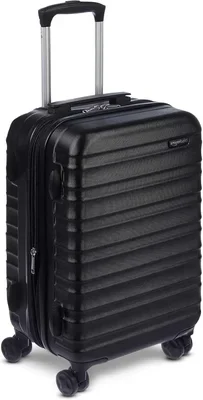
- Best for Budget‑Conscious Buyers: Amazon Basics 21‑Inch Hardside Spinner – ~$95, polycarbonate shell, four spinner wheels, 3‑year limited warranty. Great for 1‑2 trips per year.
- Best Overall Value: Travelpro Platinum Elite 22‑Inch Expandable Spinner – ~$230, high‑grade polycarbonate, MagnaTrac self‑aligning wheels, lifetime warranty with free repair shipping. Ideal for business travelers who fly monthly.
- Best Premium Option: Briggs & Riley Baseline Domestic Carry‑On Expandable – ~$380, ballistic nylon, CX expansion system (adds 25 % volume without changing dimensions), lifetime “no‑questions‑asked” warranty. Perfect for heavy packers who want durability.
- Best for Beginners: Away The Bigger Carry‑On – ~$275, polycarbonate, built‑in USB‑C port (power bank sold separately), 100‑day trial, lifetime warranty. Simple, stylish, and backed by excellent customer service.
- Best for Advanced Users / Frequent Flyers: Tumi Alpha 3 Continental Expandable 4‑Wheel Carry‑On – ~$525, SRPP ballistic nylon, Tumi Tracer® tracking, premium leather accents, lifetime warranty with global repair network. Suited for elite status travelers who demand top‑tier organization and service.
Conclusion: Making the Right Choice
Selecting expandable luggage nearby doesn’t have to be a gamble. Start by matching the bag’s compressed size to your airline’s carry‑on rules, then weigh material durability against weight, and finally decide which convenience features—spinner wheels, TSA lock, USB port, lifetime warranty—justify the price jump for your travel frequency. Remember that a well‑chosen suitcase becomes a reliable travel companion for years, saving you money on baggage fees, replacement costs, and the frustration of a broken wheel at the worst possible moment.
Use the factor checklist, compare the type table, avoid the common mistakes, and apply the budget framework to pinpoint the sweet spot for your wallet. Armed with the expert timing tips and the FAQ answers, you can confidently walk into a store or click “buy” online, knowing you’ve done the homework. Your next trip deserves a bag that expands with your ambitions—choose wisely, pack smart, and enjoy the journey.