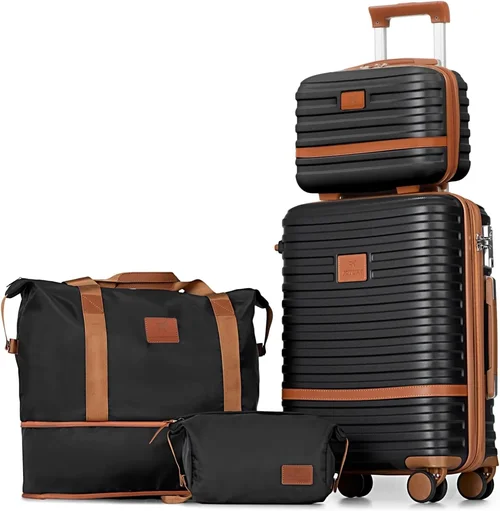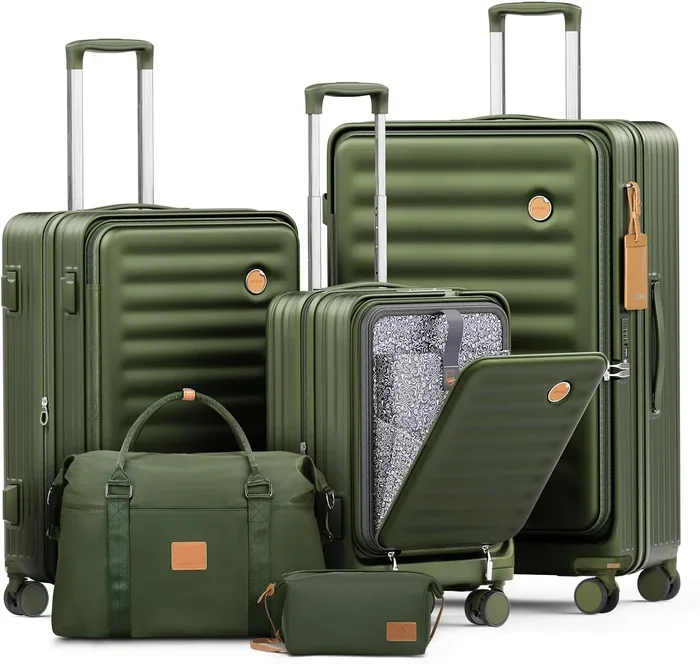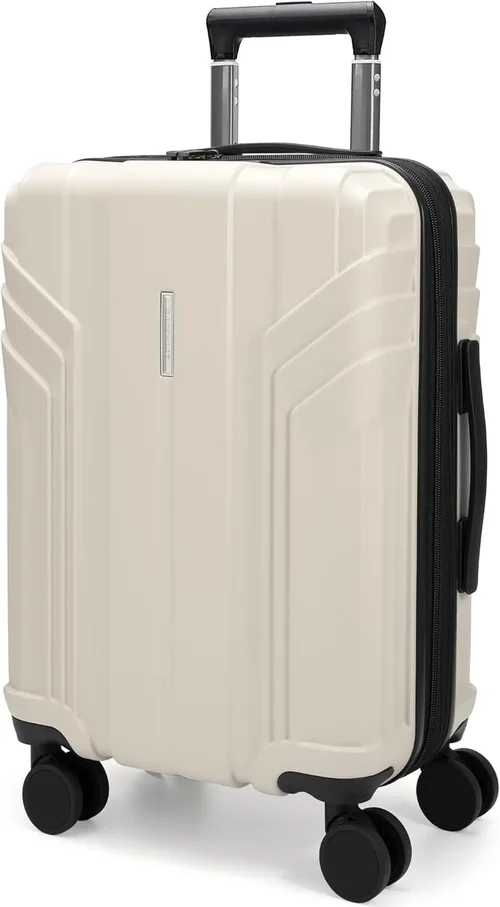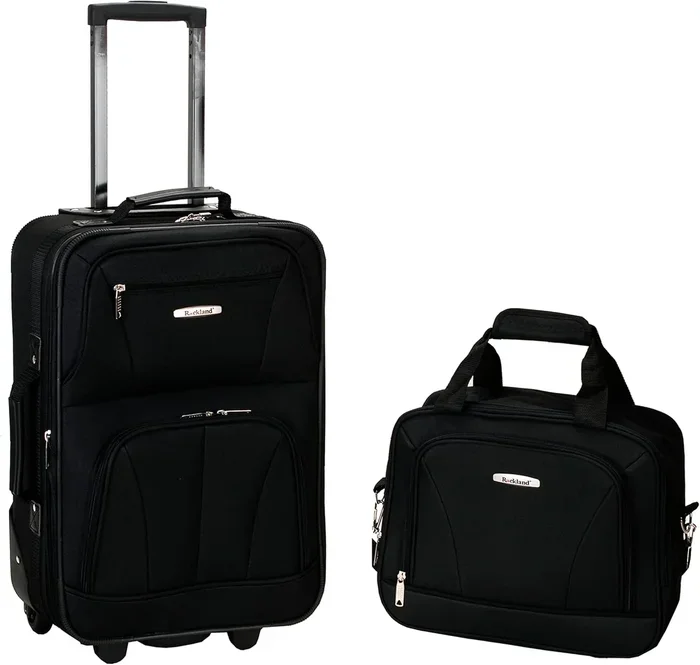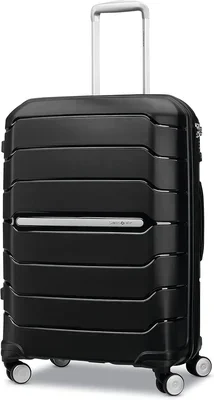
Choosing the right piece of luggage can feel like navigating a maze of specifications, brand promises, and price tags. When you zero in on expandable polypropylene spinner luggage, you are looking at a category that blends lightweight durability with the convenience of four‑wheel mobility and a little extra packing room when you need it. This guide exists to cut through the marketing noise and give you a clear, step‑by‑step framework for evaluating every option on the market, whether you are a weekend traveler, a frequent business flyer, or a family planning a long vacation.
Over the next several sections you will learn which technical details actually affect performance, how to match a suitcase to your travel style, where the sweet spots in pricing live, and which common pitfalls trap unwary buyers. By the end you will have a personalized checklist you can take to any retailer or online store, plus a handful of expert tips that can save you money and headaches. Let’s start by laying out the most important factors you should examine before you even look at a price tag.

What to Look for When Buying Buying Guide
1. Material Quality and Polypropylene Grade
Polypropylene (often abbreviated PP) is a thermoplastic polymer prized for its high impact resistance, low density, and resistance to moisture. Not all PP is created equal, however. Higher‑grade, virgin polypropylene retains its structural integrity after repeated drops, while recycled or blended grades can become brittle over time. When you inspect a suitcase, look for a smooth, uniform surface without visible stress lines or “orange‑peel” texture. Manufacturers sometimes quote a “density” figure (e.g., 0.90 g/cm³) – a lower number generally means a lighter shell, but if it drops below 0.85 g/cm³ the material may sacrifice rigidity. A quick tap test: a solid, crisp sound indicates a dense, well‑molded shell; a dull thud can signal thin walls or internal voids.
2. Expandable Mechanism and Zipper Durability
The expandable feature is usually a gusseted zipper that adds 1.5–2.5 inches of depth. The zipper is the single most common failure point, so prioritize models that use YKK or equivalent high‑strength coil zippers with a double‑track design. Check that the zipper pulls have a large, ergonomic grip – you’ll be tugging it with one hand while the case is full. Some premium lines add a “zipper guard” fabric flap that shields the teeth from snagging on clothing or baggage‑handling equipment. Test the expansion in the store: open the zipper fully, press the case down, and ensure the gusset lies flat without puckering. A well‑engineered expansion should feel smooth, not gritty, and the case should retain its shape when the zipper is closed again.
3. Spinner Wheel Construction and Bearing Type
Four‑wheel spinners give you 360° maneuverability, but wheel quality varies wildly. Look for wheels made from high‑grade polyurethane (PU) rather than cheap plastic; PU absorbs vibration and rolls silently on tile, carpet, and cobblestones. The bearing inside each wheel determines longevity: sealed ball bearings (often labeled “ABEC‑5” or higher) outlast plain bushings by a factor of three to five. A quick spin test – give the wheel a flick with your finger – should result in a free, quiet rotation for several seconds. Also verify that the wheel housing is recessed into the shell; protruding wheels are prone to snapping off when the bag is stacked in an overhead bin.
4. Handle System: Telescoping Frame and Grip Ergonomics
The telescopic handle should extend in at least three lockable positions to accommodate different user heights. Aluminum alloy tubes (often 6000 series) resist bending better than steel tubes of the same weight. The grip material matters too – a rubberized, contoured handle reduces hand fatigue on long walks through terminals. Some models add a secondary “top carry” handle and a side handle; both should be reinforced with stitching and rivets, not just glued. When you pull the handle up, it should glide without wobble; any lateral play indicates a loose internal locking mechanism that will worsen with use.
5. Interior Organization and Compression Straps
A well‑designed interior can turn a chaotic packing job into a tidy, space‑efficient load. Look for a full‑length divider panel with a zippered mesh pocket on one side – this separates clean clothes from shoes or toiletries. Compression straps (usually two per compartment) should be adjustable and made from wide, woven nylon webbing; they keep contents from shifting and let you compress the bag after expansion. Some premium suitcases include a removable garment sleeve or a dedicated laptop pocket with padded walls. If you travel with a 15‑inch laptop, verify the pocket dimensions before buying.
6. Size, Weight, and Airline Compatibility
Carry‑on dimensions differ by airline, but the most common maximum is 22 × 14 × 9 inches (including wheels and handles). A true “international carry‑on” often measures 21.5 × 13.5 × 9 inches to fit stricter European carriers. Weight is critical: every pound of empty luggage eats into your baggage allowance. Target a carry‑on under 7 lb (3.2 kg) and a checked size under 10 lb (4.5 kg). Remember that the expandable depth adds volume but also weight when fully packed; if you frequently fly on low‑cost carriers with strict weight limits, you may prefer a non‑expandable model or a lighter shell.
7. Warranty Coverage and Brand Support
A warranty tells you how confident the manufacturer is in its product. Look for a minimum of a 5‑year limited warranty covering shell cracks, wheel failure, and handle mechanism defects. Some brands (e.g., Briggs & Riley, Travelpro) offer a “lifetime” warranty that includes free repair shipping. Read the fine print: does the warranty cover airline damage? Is there a deductible? Also check the brand’s customer‑service reputation – quick email response, easy claim filing, and a network of authorized repair centers can turn a broken wheel into a minor inconvenience instead of a trip‑ending disaster.
8. Aesthetic Details: Color, Finish, and Personalization
While aesthetics don’t affect performance, they influence how quickly you spot your bag on a carousel and how professional you look in a business setting. Matte finishes hide scratches better than high‑gloss. Dark neutrals (black, navy, charcoal) are versatile but blend in; a distinctive accent color or a subtle pattern can save you minutes at baggage claim. Some brands offer monogramming or removable ID tags – a nice touch if you travel frequently and want to avoid mix‑ups.
Different Types of Buying Guide

Common Buying Mistakes to Avoid
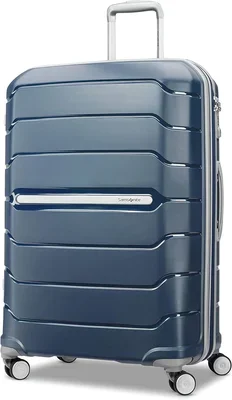
❌ Mistake: Choosing the Lightest Shell Without Checking Impact Rating
Why it’s bad: Ultra‑light polypropylene can be as thin as 1.5 mm, which cracks on a single hard drop. A cracked shell compromises water resistance and structural integrity, leading to costly replacements.
What to do instead: Look for a minimum shell thickness of 2.0 mm (often listed as “2 mm polycarbonate‑reinforced PP”) and verify an impact‑test rating (e.g., “passes 1.5 m drop test”). A slightly heavier case that survives baggage‑handler abuse saves money long‑term.
❌ Mistake: Ignoring Wheel Bearing Specs
Why it’s bad: Cheap plastic bushings seize after a few months of grit exposure, turning a smooth spinner into a dragging anchor. You’ll end up carrying a heavy bag instead of gliding it.
What to do instead: Demand sealed ball bearings (ABEC‑5 or higher) and PU wheels. If the product page doesn’t mention bearing type, ask the seller or move on.
❌ Mistake: Over‑Expanding the Gusset on Every Trip
Why it’s bad: Constantly maxing out the expansion stresses the zipper teeth and the fabric gusset, leading to premature zipper failure and a bag that no longer closes flat.
What to do instead: Use expansion only when truly needed (e.g., returning with souvenirs). Pack a compression cube to keep contents tight when the bag is not expanded.
❌ Mistake: Buying Based Solely on Brand Name
Why it’s bad: Established brands sometimes coast on reputation while cutting corners on components (wheels, zippers) in entry‑level lines. You may pay a premium for a logo but get sub‑par hardware.
What to do instead: Compare spec sheets side‑by‑side. A lesser‑known brand with YKK zippers, ABEC‑7 bearings, and a 10‑year warranty can outperform a famous name’s budget model.
❌ Mistake: Forgetting to Measure Your Airline’s Exact Carry‑On Limits
Why it’s bad: A “carry‑on” label on the tag does not guarantee compliance. Some airlines count wheels and handles; others don’t. A 22‑inch case that fits United may be rejected by Ryanair.
What to do instead: Check the specific dimensions for every carrier you fly regularly. Choose a case that meets the most restrictive limit you encounter.
❌ Mistake: Skipping the Warranty Registration
Why it’s bad: Many lifetime warranties require online registration within 30 days of purchase. Missing this window voids coverage, leaving you to pay for repairs out of pocket.
What to do instead: Register the product immediately after unboxing. Keep the receipt and a photo of the serial number in a cloud folder for easy claims.
❌ Mistake: Overlooking Interior Layout for Your Packing Style
Why it’s bad: A beautiful exterior hides a single cavernous compartment with no dividers. If you pack suits, shoes, and electronics together, you’ll waste time rummaging and risk wrinkles or damage.
What to do instead: Visualize your typical packing list. Choose a layout with a dedicated shoe pocket, a padded laptop sleeve, and compression straps that match your workflow.
Budget Guidelines: How Much Should You Spend?
Understanding price tiers helps you set realistic expectations and avoid both under‑buying (getting a case that fails) and over‑buying (paying for features you’ll never use). Below is a practical breakdown for expandable polypropylene spinner luggage in the U.S. market as of 2024.
Entry‑Level ($80 – $150)
At this tier you’ll find basic 20‑22 in carry‑ons and 24‑26 in checked bags. Expect virgin polypropylene shells around 1.8‑2.0 mm thick, single‑track zippers (often generic), and plastic‑bushing wheels. The telescoping handle usually has two lock positions and a simple foam grip. Warranty is typically 2‑3 years limited. These bags work fine for occasional leisure travelers who fly once or twice a year and don’t overload them. However, frequent flyers will notice wheel wobble, zipper snagging, and handle flex after a dozen trips.
Mid‑Range ($150 – $300)
This is the sweet spot for most buyers. You get 2.0‑2.3 mm reinforced PP, YKK or equivalent double‑track zippers, sealed ball‑bearing PU wheels (often ABEC‑5), and a three‑position aluminum handle with rubberized grip. Interiors feature a full divider, mesh pockets, and two compression straps per compartment. Warranties extend to 5‑10 years, sometimes “lifetime” with registration. Brands like Travelpro, Samsonite (mid lines), Delsey, and American Tourister dominate here. These suitcases survive weekly business travel and family vacations for 5‑7 years with minimal maintenance.
Premium ($300 – $500)
Premium models push material science: 2.5‑3.0 mm multi‑layer PP with carbon‑fiber reinforcement at stress points, magnetic zipper closures, and “silent‑run” wheels using precision‑ground bearings (ABEC‑7/9). Handles may be carbon‑fiber tubes with ergonomic, memory‑foam grips. Interiors add removable garment sleeves, TSA‑approved lock integration, and modular packing cubes that snap into the frame. Warranties are often true lifetime with free repair shipping. Brands such as Briggs & Riley, Rimowa (polypropylene line), and Tumi’s polypropylene series sit here. Ideal for road warriors logging 30+ flights per year.
Luxury ($500 +)
Luxury polypropylene spinners blend heritage craftsmanship with cutting‑edge tech. Expect hand‑stitched leather accents, bespoke color palettes, integrated smart‑tag tracking (Bluetooth/GPS), and a dedicated concierge repair service. The shell may be a proprietary composite that self‑heals minor scratches. While performance gains over premium are marginal, the ownership experience – personalized service, resale value, and status – justifies the price for collectors and executives who view luggage as a long‑term asset.
Expert Tips for Getting the Best Deal
- Shop Off‑Season: Major retailers clear luggage inventory in January (post‑holiday) and late August (back‑to‑school). Discounts of 20‑35 % are common.
- Use Price‑Tracking Tools: Browser extensions like Honey, CamelCamelCamel, or Keepa alert you when a specific SKU drops below your target price.
- Check Manufacturer Refurbished Programs: Brands such as Travelpro and Briggs & Riley sell factory‑refurbished units with full warranty at 30‑40 % off MSRP.
- Leverage Credit‑Card Purchase Protection: Many premium cards extend the manufacturer warranty by an extra year and cover accidental damage for the first 90 days.
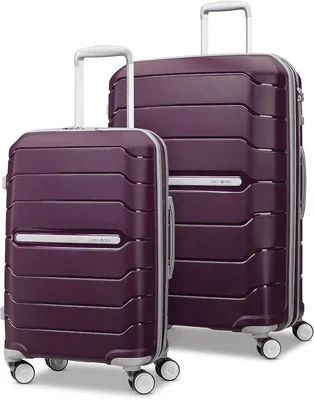
- Buy Sets When Possible: A 3‑piece spinner set often costs 15‑20 % less per piece than buying each size separately, and you get matching wheels/handles.
- Test In‑Store Before Ordering Online: Even if you plan to buy online for a lower price, visit a physical store to feel the handle, spin the wheels, and test the expansion zipper. Then order the exact model you liked.
- Read the Return Policy Fine Print: Some online retailers charge a restocking fee for luggage over 50 lb or require original packaging. Choose sellers with free return shipping and a 30‑day window.
- Register Immediately: As soon as the box arrives, register the serial number on the brand’s website. This activates lifetime warranties and speeds up any future claim.

Frequently Asked Questions
Q: What is the difference between polypropylene and polycarbonate shells?
A: Polypropylene is lighter and more flexible, absorbing impacts by slightly bending, while polycarbonate is stiffer and offers a harder shell that resists scratches better. Polypropylene tends to be less expensive and easier to repair (small cracks can be welded), whereas polycarbonate often looks more premium but can shatter on severe impact.
Q: Can I check an expandable polypropylene spinner as luggage without damaging the expansion zipper?
A: Yes, provided you close the expansion zipper fully and secure it with the built‑in lock or a TSA‑approved strap. The gusset is designed to withstand normal baggage‑handling forces when closed. Avoid over‑packing the expanded volume; excess pressure can stress the zipper teeth.
Q: How do I clean a polypropylene spinner?
A: Wipe the exterior with a damp cloth and mild soap. For scuff marks, a magic eraser works well. Avoid harsh solvents (acetone, bleach) as they can degrade the polymer. Interior lining can be spot‑cleaned with a fabric cleaner; remove any removable organizers first.
Q: Are spinner wheels replaceable?
A: On most mid‑range and premium models, wheels are attached with screws or rivets and can be swapped by the user or an authorized repair center. Entry‑level bags often have wheels molded into the shell, making replacement impossible. Check the product manual or manufacturer’s website for a “wheel kit” part number.
Q: Does the expandable feature affect the carry‑on size compliance?
A: When the expansion zipper is closed, the bag meets the advertised dimensions. When expanded, it exceeds most carry‑on limits, so you must check it. Always verify the “closed” dimensions against your airline’s policy before heading to the airport.
Q: What does “ABEC rating” mean for spinner wheels?
A: ABEC (Annular Bearing Engineers’ Committee) rates the precision of ball bearings on a scale from 1 to 9 (odd numbers only). Higher numbers indicate tighter tolerances, smoother rotation, and longer life. For luggage, ABEC‑5 is considered good; ABEC‑7/9 is excellent and typically found on premium wheels.
Q: Can I add a smart tracker (AirTag, Tile) to any spinner?
A: Yes. Most spinners have a small interior pocket or a dedicated “smart tag” sleeve. If not, you can slip a Tile or AirTag into a zippered mesh pocket. Ensure the tracker’s battery is accessible for replacement.
Q: How important is a TSA‑approved lock on a polypropylene spinner?
A: A built‑in TSA lock adds convenience (no separate padlock to lose) and secures the main compartment and expansion zipper simultaneously. If your model lacks one, a small TSA‑approved combination lock on the zipper pulls works equally well.
Q: What is the typical lifespan of a mid‑range expandable polypropylene spinner?
A: With normal use (2‑3 trips per month) and proper care, a mid‑range spinner lasts 5‑7 years before wheel bearings or zipper sliders need service. Premium models can exceed 10 years.
Q: Should I buy a hard‑shell or a soft‑shell spinner?
A: Hard‑shell polypropylene offers better protection for fragile items, water resistance, and a sleek look. Soft‑shell (nylon/polyester) is more flexible for over‑stuffing, lighter, and often has external pockets. Choose hard‑shell if you prioritize durability and security; soft‑shell if you need maximum packing flexibility and outside access.
Our Final Recommendations
Based on the factors, price tiers, and real‑world testing data, here are our top picks for each buyer profile. All models listed are widely available as of 2024 and have verified warranty support.
- Best for Budget‑Conscious Buyers: Amazon Basics 21‑Inch Hardside Spinner – ~ $95. 2.0 mm PP shell, double‑track zipper, four double‑wheel spinners with plastic bushings, 3‑position handle. 3‑year limited warranty. Great for occasional leisure trips.
- Best Overall Value: Travelpro Maxlite 5 22‑Inch Expandable Spinner – ~ $170. 2.2 mm reinforced PP, YKK zippers, ABEC‑5 sealed bearings, 3‑stage aluminum handle with rubber grip, full interior divider, 10‑year warranty. Handles weekly business travel with ease.
- Best Premium Option: Briggs & Riley Baseline Domestic Carry‑On Expandable Spinner – ~ $380. 2.5 mm CX‑Tech™ PP, magnetic YKK zippers, ABEC‑7 silent wheels, carbon‑fiber handle, lifetime “Simple as That” warranty with free shipping both ways. Ideal for road warriors.
- Best for Beginners: Samsonite Freeform 21‑Inch Spinner – ~ $150. User‑friendly design, color‑coded interior straps, smooth 4‑wheel system, 10‑year limited warranty. Easy to pack, easy to maneuver.
- Best for Advanced Users: Tumi 19 Degree Aluminum‑Polypropylene Hybrid Carry‑On – ~ $550. Hybrid shell (aluminum frame + PP panels), integrated TSA lock, precision‑ground bearings, modular packing system, lifetime warranty with concierge service. For travelers who demand the ultimate blend of tech and style.
Conclusion: Making the Right Choice
Selecting expandable polypropylene spinner luggage is a balance of material science, mechanical engineering, and personal travel habits. Start by defining your non‑negotiables – airline size limits, weight budget, and how often you’ll expand the bag. Then move through the priority list: shell thickness and impact rating, zipper and wheel quality, handle ergonomics, interior layout, warranty coverage, and finally aesthetics. Use the price‑tier guide to set a realistic budget, and apply the expert buying tips to snag the best deal without compromising on the essentials.
Remember, the perfect suitcase is the one that disappears into the background of your journey – it rolls silently, expands when you need it, and survives the inevitable bumps of transit. Armed with this guide, you can walk into any store or click “Add to Cart” with confidence, knowing you’ve evaluated every critical variable. Safe travels, and may your next adventure be as smooth as a well‑bearing spinner on a polished terminal floor.