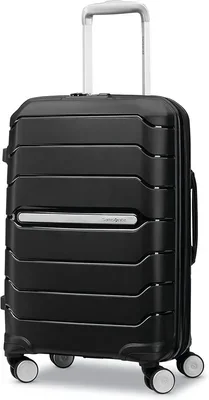
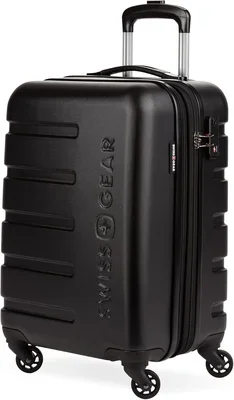
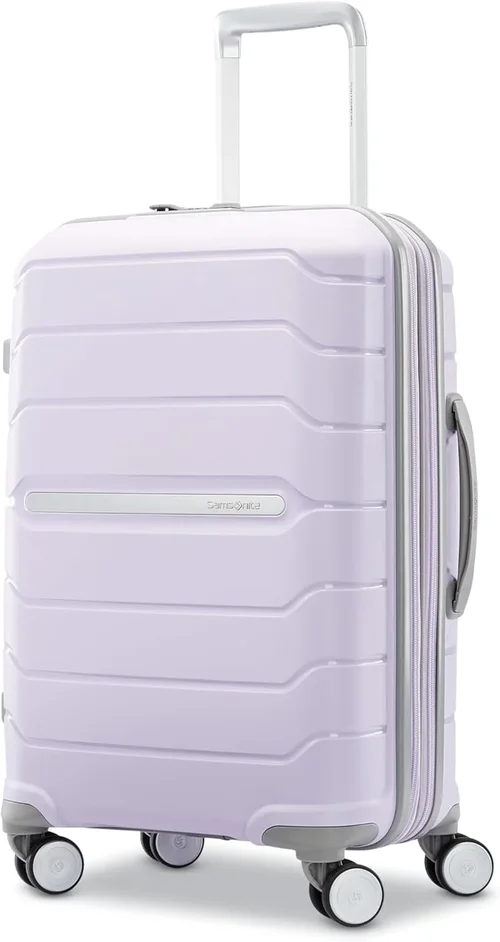
Choosing the right expandable luggage with spinner wheels can feel like navigating a maze of specifications, brand promises, and price tags. Whether you are a frequent flyer, a weekend road‑tripper, or someone who simply wants a reliable suitcase that grows with your packing needs, this guide is built to give you the confidence to make a smart purchase. We’ll walk through the most important factors, explain the technical jargon in plain language, compare the main categories on the market, and highlight common pitfalls so you can avoid buyer’s remorse.
By the end of this article you will know exactly what to look for first, how to match a suitcase to your travel style, and where to find the best value for your budget. The market today offers everything from ultra‑light carry‑ons that expand a few inches to heavy‑duty checked bags that can swallow an entire wardrobe. Understanding the differences will save you time, money, and the frustration of a broken wheel halfway through a trip.

What to Look for When Buying Buying Guide
1. Size and Capacity
Size is the first decision point because it dictates whether the bag fits in an overhead bin, under a seat, or must be checked. Carry‑on expandable models typically start around 21 inches and can add 2–3 inches of depth when the zipper is released. Checked versions range from 24 inches up to 30 inches, with expansion adding another 2–4 inches. Measure the interior dimensions of your most used airline’s overhead compartment and compare them to the bag’s external dimensions when collapsed. Remember that expansion increases weight, so a larger bag may push you over the airline’s weight limit even if it still fits the size rule.
2. Wheel Quality and Maneuverability
Spinner wheels are the hallmark of modern luggage, but not all spinners are created equal. Look for double‑ball‑bearing wheels made from polyurethane or high‑grade rubber; they roll smoother and resist flat‑spotting on rough pavement. Test the wheel housing — metal brackets are sturdier than plastic ones. A good spinner should rotate 360 degrees with minimal effort, allowing you to glide the bag beside you rather than drag it. If you often navigate cobblestones or carpeted hotel corridors, larger diameter wheels (around 3 inches) provide better clearance and stability.
3. Frame Material and Durability
The shell material determines how well the suitcase survives drops, compression in the cargo hold, and the inevitable scuffs of travel. Polycarbonate is the gold standard for a balance of light weight and impact resistance; it flexes under pressure instead of cracking. ABS plastic is cheaper but more brittle, while aluminum offers maximum protection at a significant weight penalty. For soft‑side expandable luggage, ballistic nylon (1680 denier or higher) with reinforced corners and a water‑repellent coating is the benchmark. Check the stitching density — double‑stitched seams and bar‑tacked stress points indicate a longer lifespan.
4. Expansion Mechanism
Expandable luggage uses a secondary zipper that opens a gusseted panel, adding depth. The zipper should be a YKK or comparable brand with large, interlocking teeth that glide smoothly even when the bag is packed tight. A well‑designed expansion panel includes a fabric guard that prevents the zipper from snagging on clothing. Some premium models add a compression strap inside the expanded compartment to keep contents from shifting when the bag is later compressed back to its original size.
5. Handle System
A telescopic handle must lock securely at multiple heights (usually three) and retract without wobble. Aluminum or reinforced fiberglass tubes resist bending. The grip should be ergonomic, often wrapped in rubber or textured plastic, to reduce hand fatigue during long walks through terminals. Top and side carry handles are also important; they need reinforced stitching and a comfortable grip for lifting the bag into overhead bins or car trunks.
6. Interior Organization
Inside, look for a divider panel with a zippered mesh pocket, compression straps, and a dedicated shoe or laundry compartment. Some expandable suitcases include a removable toiletry kit that can be hung in a hotel bathroom. The layout should let you separate clean clothes from dirty ones even when the bag is expanded. If you travel with a laptop or tablet, a padded sleeve accessible from the outside (or a dedicated front pocket) adds convenience without sacrificing interior space.
7. Weight
Every ounce matters when airlines enforce strict weight limits. A lightweight polycarbonate carry‑on typically weighs 6–7 pounds; a comparable ABS model may be 8–9 pounds. For checked luggage, aim for under 10 pounds for a 27‑inch bag. Remember that the expansion feature adds fabric and zipper weight, so compare the “empty weight” of both the collapsed and expanded states if the manufacturer provides both numbers.
8. Warranty and Customer Support
A solid warranty signals manufacturer confidence. Look for a minimum of 5 years on the frame and wheels, and a lifetime warranty on the zipper and handle system. Brands that offer easy claim processes — online forms, prepaid shipping labels, and repair centers in multiple countries — save you hassle if something fails abroad. Read the fine print: some warranties exclude damage from airline handling, which is the most common cause of wheel or handle breakage.
Different Types of Buying Guide

Common Buying Mistakes to Avoid
❌ Mistake: Ignoring Airline Size Restrictions
Why it’s bad: An expandable carry‑on that exceeds the airline’s maximum dimensions when fully packed will be forced to check at the gate, often incurring a fee and risking damage.
What to do instead: Verify the exact linear inch limit for your most frequent carriers and choose a model that stays within those limits even when expanded. Keep a measuring tape handy when shopping.
❌ Mistake: Prioritizing Price Over Wheel Quality
Why it’s bad: Cheap single‑bearing wheels seize up after a few rough surfaces, turning a smooth glide into a frustrating drag.
What to do instead: Invest in double‑ball‑bearing polyurethane wheels. They cost a bit more upfront but survive cobblestones, airport conveyors, and hotel carpets for years.
❌ Mistake: Overlooking Weight of the Empty Bag
Why it’s bad: A heavy suitcase eats into your allowance before you even pack, leading to overweight fees or the need to leave items behind.
What to do instead: Target the lightest bag that still meets your durability needs. Polycarbonate shells under 7 pounds for a carry‑on are a sweet spot.
❌ Mistake: Skipping the Expansion Test
Why it’s bad: Some zippers jam or the gusset fabric tears when the bag is fully expanded, leaving you with a useless extra compartment.
What to do instead: In‑store, fully unzip the expansion panel, stuff the bag with clothing, then zip it closed. Feel for smooth operation and check that the fabric lies flat without strain.
❌ Mistake: Assuming All Warranties Are Equal
Why it’s bad: A “lifetime warranty” that only covers manufacturing defects but excludes airline handling leaves you unprotected for the most common failures.
What to do instead: Read the warranty terms before buying. Choose brands that explicitly cover wheel, handle, and zipper damage from normal travel wear.
❌ Mistake: Neglecting Interior Layout for Your Packing Style
Why it’s bad: A beautiful exterior means little if the interior lacks compression straps, a divider, or a shoe pocket, causing clothes to wrinkle and shift.
What to do instead: Visualize your typical packing list. If you carry suits, look for a built‑in garment sleeve. If you travel with kids, a separate dirty‑laundry compartment is invaluable.
Budget Guidelines: How Much Should You Spend?
Entry‑Level ($80‑$130): Expect ABS or lower‑grade polycarbonate shells, single‑bearing wheels, and a basic two‑stage handle. Expansion is usually a simple zipper gusset without a fabric guard. Good for occasional travelers who fly once or twice a year and don’t mind replacing the bag every few seasons.
Mid‑Range ($130‑$250): This is the sweet spot for most buyers. You’ll find genuine polycarbonate or high‑denier ballistic nylon, double‑ball‑bearing spinner wheels, a three‑stage telescopic handle, and a reinforced expansion panel with a zipper guard. Warranties often extend to 5‑10 years. Brands in this tier include Travelpro, Samsonite’s mid‑line, and Delsey.
Premium ($250‑$400): Materials upgrade to premium polycarbonate blends or aluminum frames, wheels feature sealed bearings and larger diameters, and handles use carbon‑fiber or titanium tubes. Expansion mechanisms are engineered with self‑healing zippers and internal compression straps. Many premium models add smart features like removable power banks or integrated TSA locks. Expect a 10‑year or lifetime warranty with global repair centers.
Luxury ($400+): Bespoke craftsmanship, hand‑stitched leather accents, proprietary wheel systems, and exclusive concierge repair services. These bags are status pieces as much as travel tools. While they perform exceptionally, the price premium is largely for brand heritage and aesthetics rather than functional gains over the premium tier.
Expert Tips for Getting the Best Deal
- Shop Off‑Season: Major sales occur in January (post‑holiday), May (pre‑summer), and September (back‑to‑school). Retailers clear inventory to make room for new collections.
- Compare Online and In‑Store: Use physical stores to test wheel feel and handle ergonomics, then price‑match online where coupons or cashback portals can shave 10‑15 percent off.
- Sign Up for Brand Newsletters: Many manufacturers send a 10‑percent welcome discount and early‑access to flash sales.
- Check Refurbished or Open‑Box Programs: Brands like Briggs & Riley and Tumi sell certified refurbished luggage with full warranties at 30‑40 percent off.
- Leverage Credit‑Card Travel Perks: Some premium cards offer statement credits for luggage purchases or extended warranty coverage that doubles the manufacturer’s term.
- Read Verified Purchase Reviews: Filter for reviews that mention “spinner wheels after 6 months” or “expansion zipper durability” to get real‑world performance data.
- Consider a Set: Buying a matching carry‑on and checked bag often yields a 10‑20 percent discount versus purchasing each piece separately.

Frequently Asked Questions
Q: Can I use an expandable carry‑on on all airlines?
A: Most major carriers allow a 22 × 14 × 9 inch bag (including wheels and handles) as a carry‑on. When expanded, many models exceed the depth limit. Check each airline’s policy before you fly; if you’re unsure, keep the expansion zipper closed for the flight and only open it after you’ve cleared security.
Q: Do spinner wheels work well on rough terrain like cobblestones?
A: Larger diameter (3 inches or more) double‑ball‑bearing polyurethane wheels handle uneven surfaces far better than small hard‑plastic wheels. If you frequently travel to historic European cities, prioritize wheel size and bearing quality over a slight weight savings.
Q: How do I clean the exterior of a polycarbonate suitcase?
A: Wipe with a damp microfiber cloth and mild soap. Avoid abrasive cleaners or solvents that can dull the finish. For scuffs, a small amount of automotive polishing compound applied with a soft cloth can restore shine.
Q: Is a built‑in TSA lock worth the extra cost?
A: Yes, if you travel to or through the United States. TSA agents can open the lock with a master key without cutting it. If you never fly into the US, a sturdy aftermarket lock works just as well and can be transferred to future bags.
Q: What’s the difference between a compression strap and an expansion zipper?
A: Compression straps are internal elastic or webbing straps that cinch down clothing to reduce volume. An expansion zipper opens a gusseted panel to increase the bag’s depth. They serve opposite purposes — compression saves space, expansion adds it.
Q: How often should I lubricate the wheel bearings?
A: Once a year, apply a drop of light silicone spray to each wheel axle. Wipe away excess. This prevents grit buildup and keeps the spin smooth, especially after beach or desert trips.
Q: Can I repair a broken spinner wheel myself?
A: Many mid‑range and premium bags use bolt‑on wheel housings that can be swapped with a screwdriver. Check the manufacturer’s website for replacement wheel kits. If the wheel is riveted, professional repair is required.
Q: Does a heavier suitcase mean it’s more durable?
A: Not necessarily. Modern polycarbonate composites are lighter yet stronger than older heavy ABS shells. Weight alone is not a reliable durability indicator; focus on material specs and warranty terms.
Q: What should I do if the expansion zipper gets stuck?
A: Gently work the slider back and forth while applying a graphite pencil tip or a zipper lubricant stick to the teeth. Avoid forcing it, which can separate the teeth permanently.
Our Final Recommendations
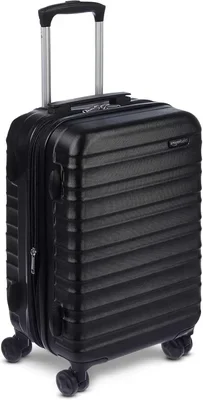
- Best for Budget‑Conscious Buyers: Amazon Basics 21‑Inch Hardside Spinner – solid polycarbonate shell, double‑bearing wheels, and a functional expansion zipper under $100. Ideal for occasional flyers.
- Best Overall Value: Travelpro Platinum Elite 22‑Inch Expandable Carry‑On – premium MagnaTrac spinner wheels, precision glide handle, lifetime warranty, and a well‑thought‑out interior with a removable wet pocket. Typically $220‑$250.
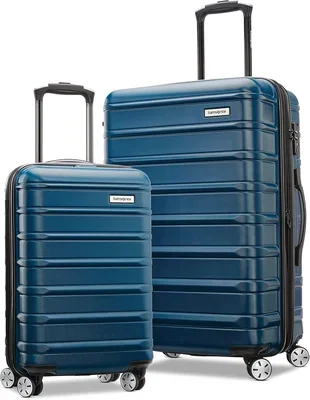
- Best Premium Option: Samsonite Omni PC Hardside 28‑Inch Checked – micro‑diamond polycarbonate texture resists scratches, 360‑degree dual spinner wheels, and a 10‑year global warranty. Priced around $300.
- Best for Beginners: Delsey Paris Chatelet Hard+ 21‑Inch – elegant design, brake‑equipped wheels that lock in place, and a simple two‑stage expansion. Easy to maneuver and under $200.
- Best for Advanced Users: Briggs & Riley Baseline Domestic Carry‑On Expandable – ballistic nylon with CX expansion system that adds 25 percent capacity while maintaining structural integrity, lifetime “no‑questions‑asked” warranty, and a built‑in garment folder. Around $450.
Conclusion: Making the Right Choice
Selecting expandable luggage with spinner wheels is ultimately about matching the bag’s capabilities to your travel rhythm. Start with the non‑negotiables — size compliance, wheel quality, and weight — then layer on the features that make packing a pleasure rather than a chore. A mid‑range polycarbonate carry‑on with double‑ball‑bearing wheels, a reliable expansion zipper, and a solid 5‑year warranty will serve the vast majority of travelers for a decade or more. If your journeys demand maximum capacity or you crave the latest smart tech, the premium and luxury tiers deliver, but they rarely outperform a well‑chosen mid‑range model in day‑to‑day reliability.
Take the time to handle a few candidates in person, run the expansion test, and read the warranty fine print. Armed with the knowledge from this guide, you can walk into any store or click “add to cart” with the confidence that your next suitcase will be a trustworthy companion on every adventure. Safe travels, and may your wheels always spin smoothly.