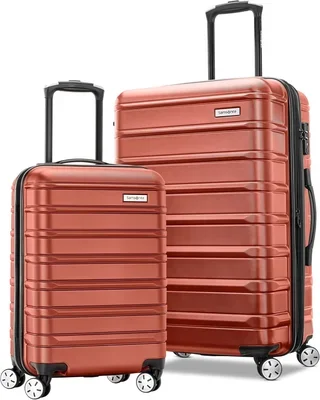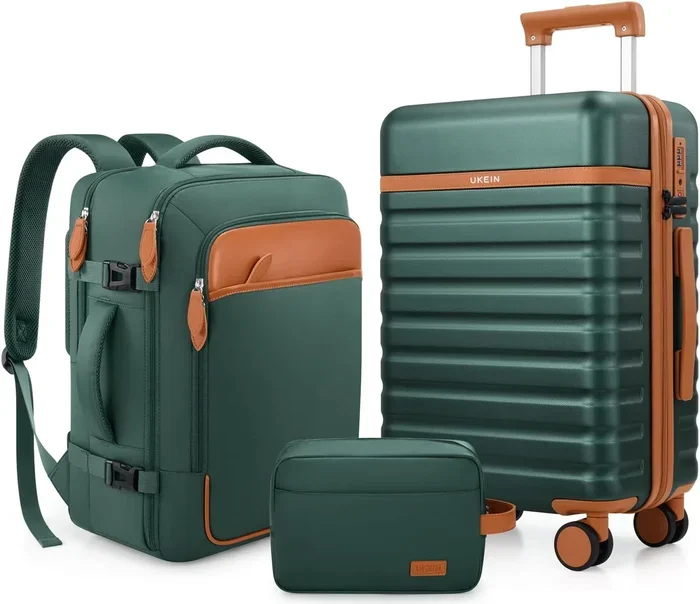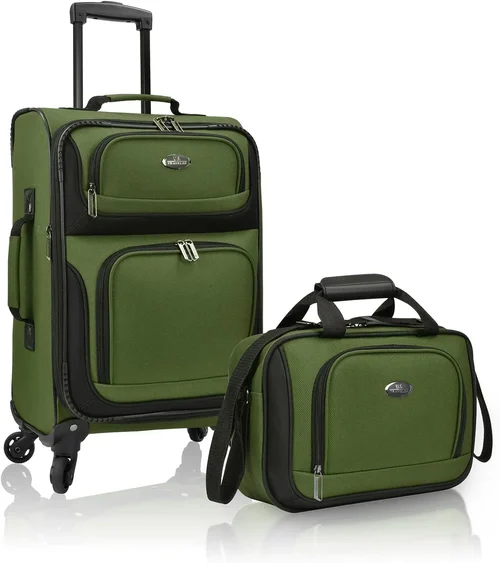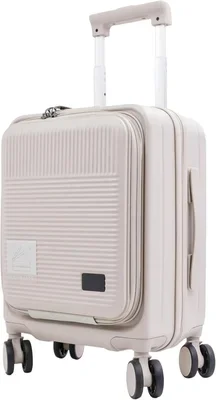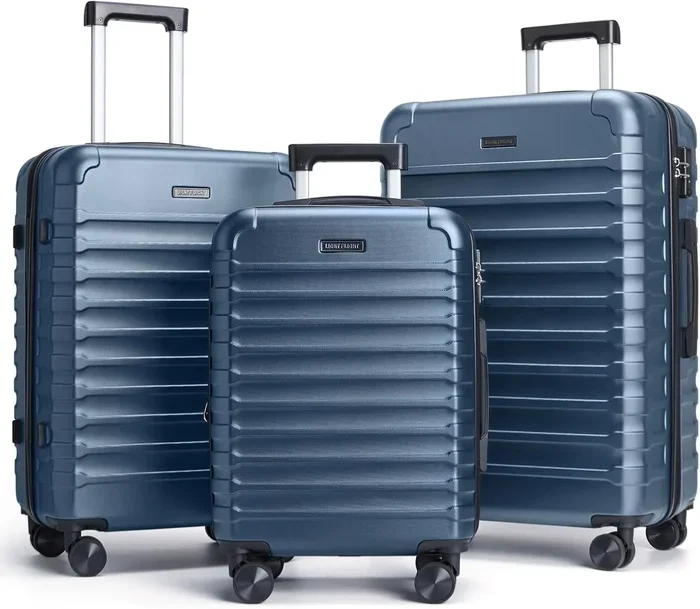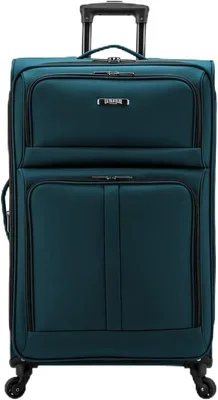
Choosing the right expandable luggage with wheels can feel like navigating a maze of zippers, handles, and wheel configurations. Whether you are a weekend warrior heading to a nearby city or a frequent flyer crossing continents, the suitcase you pick becomes your travel companion, protecting your belongings and easing the journey. This guide breaks down every critical factor, explains the jargon, compares the main categories, and gives you a clear budget roadmap so you can buy with confidence and avoid costly mistakes.
In the next sections you will learn what to prioritize first — size limits, durability, wheel quality, and expansion mechanism — before diving into price tiers, pro buying tips, and a curated list of top picks for every traveler type. By the end you will have a personalized checklist that matches your travel style, budget, and storage needs.

What to Look for When Buying Buying Guide
1. Size and Airline Compatibility
Size is the first filter because airlines enforce strict linear‑inch limits for carry‑on and checked bags. Measure the exterior dimensions (height + width + depth) including wheels and handles. A 22‑inch carry‑on typically fits most domestic overhead bins, while a 27‑inch checked bag stays under the 62‑inch linear limit for most international carriers. Expandable models add 1.5‑2 inches of depth when unzipped, so verify the expanded size still meets the airline’s maximum. If you frequently switch between carry‑on and checked, consider a 24‑inch “mid‑size” that can be compressed to carry‑on dimensions.
2. Shell Material and Durability
Hard‑shell suitcases use polycarbonate, ABS, or a blend. Polycarbonate is lighter and flexes on impact, resisting cracks. ABS is cheaper but more brittle. Soft‑shell bags rely on ballistic nylon, Cordura, or high‑denier polyester; look for a denier rating of 800D or higher for abrasion resistance. Reinforced corners, double‑stitched seams, and a protective frame around the zipper line add years of service. A water‑resistant coating or laminated fabric helps keep contents dry during unexpected rain or spills.
3. Wheel System: Spinner vs. Inline
Four‑wheel spinners rotate 360°, letting you glide the bag beside you with minimal wrist strain — ideal for smooth airport terminals. Two‑wheel inline (roller) designs are more stable on rough pavement, cobblestones, or curbs because the wheels are larger and recessed. Hybrid models combine a spinner front pair with larger rear rollers. Check wheel housing material: polyurethane (PU) wheels roll quieter and last longer than plain plastic. Sealed ball bearings reduce friction and prevent debris buildup.
4. Expansion Mechanism and Capacity Gain
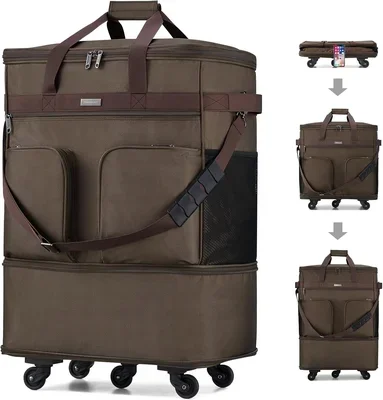
Expandable luggage adds a zippered gusset that unfolds extra depth, typically 1.5‑2 inches, translating to 15‑25 % more packing volume. Look for a YKK or SBS zipper with a lockable pull tab; a double‑track zipper distributes stress evenly. Some premium lines add a compression strap inside the expansion panel to keep contents from bulging when the bag is compressed again. Test the expansion in store: the zipper should glide smoothly without catching on the fabric.
5. Handle System and Ergonomics
Telescoping handles come in two‑stage (short/long) or three‑stage (short/medium/long) versions. Aluminum tubes are lighter than steel but can bend under heavy loads; reinforced aluminum with a steel core offers a good balance. The grip should be contoured, rubberized, and wide enough for a comfortable hold. A top carry handle and a side handle are essential for lifting into overhead bins or car trunks. Ensure the handle locks securely at each height with a positive click.
6. Interior Organization and Access
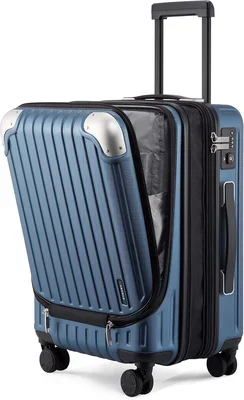
Inside, a full‑length zippered divider creates two compartments; mesh pockets on the divider hold toiletries or electronics. Compression straps (usually elastic with a buckle) keep clothes flat and prevent shifting. Some models add a removable wet‑bag, a shoe pocket, or a padded laptop sleeve accessible from the exterior. A clamshell opening (full‑perimeter zipper) lets you pack like a dresser drawer, while a front‑panel “U‑zip” gives quick access to essentials without fully opening the case.
7. Weight and Weight‑to‑Capacity Ratio
Airline weight limits (often 50 lb / 23 kg for checked bags) make the empty suitcase weight a decisive factor. Ultra‑light polycarbonate spinners can weigh under 6 lb for a 27‑inch, while heavy‑duty ballistic nylon may exceed 10 lb. Calculate the weight‑to‑capacity ratio: divide empty weight by liter volume. A lower ratio means more payload for your allowance. Remember that wheels, handles, and expansion gussets add weight; prioritize a lightweight frame if you pack heavy.
8. Warranty, Repair Network, and Brand Reputation
A limited lifetime warranty covering wheels, handles, and zippers signals confidence. Brands with authorized repair centers in major airports (e.g., Samsonite, Travelpro, Briggs & Riley) let you swap a broken wheel on the spot instead of mailing the bag. Read user reviews for recurring issues — handle wobble, zipper failure, wheel delamination. A strong reputation often correlates with better resale value and easier warranty claims.
Different Types of Buying Guide

Common Buying Mistakes to Avoid
❌ Mistake: Ignoring Airline Size Limits
Why it’s bad: A bag that exceeds the linear‑inch limit forces you to check it at the gate, incurring fees and risk of damage. What to do instead: Measure the bag yourself (including wheels) and compare to the most restrictive airline you fly. Choose a model that compresses below the limit when the expansion zipper is closed.
❌ Mistake: Prioritizing Looks Over Wheel Quality
Why it’s bad: Cheap plastic wheels crack on the first cobblestone street, leaving you dragging a heavy case. What to do instead: Insist on polyurethane wheels with sealed bearings. Spin the wheel in store; it should rotate freely for several seconds.
❌ Mistake: Overlooking Empty Weight
Why it’s bad: A 12‑lb empty suitcase eats half your weight allowance before you pack a single shirt. What to do instead: Target an empty weight under 7 lb for a 27‑inch checked bag. Check the manufacturer’s spec sheet, not just the marketing copy.
❌ Mistake: Skipping Warranty Registration
Why it’s bad: Many lifetime warranties require online registration within 30 days; missing it voids coverage. What to do instead: Register the product immediately after purchase and keep the receipt and serial number photo in your cloud storage.
❌ Mistake: Buying a Single‑Piece Set Without Testing Fit
Why it’s bad: A matched three‑piece set may look appealing, but the largest piece might not fit your car trunk or hotel closet. What to do instead: Purchase pieces individually or test the largest piece in your vehicle before committing.
❌ Mistake: Assuming All Expandable Zippers Are Equal
Why it’s bad: Low‑grade zippers snag, separate, or break under the stress of a fully packed expansion. What to do instead: Look for YKK or SBS branded zippers with a lockable pull tab; test the zipper by opening and closing the expansion panel several times.
❌ Mistake: Neglecting Interior Organization
Why it’s bad: A cavernous interior without dividers leads to wrinkled clothes and lost chargers. What to do instead: Choose a model with a full‑length divider, mesh pockets, and compression straps. If you carry a laptop, verify a padded sleeve that meets TSA checkpoint dimensions.
Budget Guidelines: How Much Should You Spend?
Entry‑Level ($80 – $150)
At this tier you’ll find ABS hard shells or 600D polyester soft shells with basic two‑wheel inline systems. Expect a single‑stage handle, minimal interior organization, and a one‑year limited warranty. These bags work for occasional weekend trips but may show wheel wear after a few heavy flights. Good for budget‑conscious students or first‑time travelers who don’t fly often.
Mid‑Range ($150 – $350)
This is the sweet spot for most frequent flyers. Polycarbonate or high‑denier nylon, four‑wheel spinners with PU wheels, three‑stage aluminum handles, and a full clamshell interior with compression straps. Brands like Travelpro, Samsonite, and Delsey offer 5‑ to 10‑year warranties and often have airport repair kiosks. You’ll also see TSA‑approved locks and expandable gussets that add 20 % capacity.
Premium ($350 – $650)
Premium models upgrade to ballistic nylon (1680D) or Makrolon polycarbonate, magnesium‑reinforced frames, and precision‑engineered Hinomoto Lisof spinner wheels that glide silently. Handles feature carbon‑fiber shafts, and interiors include removable packing cubes, wet‑bags, and dedicated tech compartments. Warranties extend to lifetime with global service centers. Ideal for business travelers who log 50 + flights per year.
Luxury ($650 +)
Luxury luggage (Rimowa, Tumi, Briggs & Riley) uses anodized aluminum shells, hand‑stitched leather accents, and proprietary wheel systems that survive extreme abuse. They offer bespoke customization, complimentary monogramming, and a “no‑questions‑asked” repair policy for life. The price reflects heritage, resale value, and a service network that can replace a wheel at any major airport within hours.
Expert Tips for Getting the Best Deal
- Shop Off‑Season: Major sales occur in January (post‑holiday), May (pre‑summer), and September (back‑to‑school). Retailers clear inventory for new collections, offering 20‑30 % off.
- Use Price‑Tracking Tools: Browser extensions like Honey or CamelCamelCamel alert you when a specific model drops below your target price.
- Check Authorized Outlet Stores: Brands often sell last‑year colors at 40 % off with full warranty. Verify the outlet is authorized to avoid counterfeit goods.
- Leverage Credit‑Card Travel Perks: Many premium cards provide baggage‑fee credits, purchase protection, and extended warranty coverage that effectively lowers the cost.
- Test In‑Store Before Buying Online: Feel the handle lock, spin the wheels, and open the expansion zipper. Then purchase the exact SKU online for a lower price.
- Read Return Policies Carefully: Some retailers charge a restocking fee for luggage; look for free‑return windows of 30 days or more.
- Consider Refurbished or Open‑Box: Manufacturer‑refurbished units carry the same warranty and can be 25‑35 % cheaper.
- Bundle With Accessories: Buying a packing‑cube set or a TSA lock together often triggers a bundle discount of 10‑15 %.

Frequently Asked Questions
Q: How much extra space does an expandable zipper really add?
A: Typically 1.5‑2 inches of depth, which translates to roughly 15‑25 % more volume. For a 27‑inch bag rated at 100 L, that’s an extra 15‑25 L — enough for a couple of sweaters or a pair of shoes.
Q: Are spinner wheels less durable than inline wheels?
A: Not necessarily. High‑quality spinners (e.g., Hinomoto Lisof) use sealed ball bearings and polyurethane tread that outlast cheap inline wheels. The key is wheel housing material and bearing quality, not the number of wheels.
Q: Can I use a carry‑on expandable bag as a checked bag if I overpack?
A: Yes, but once expanded it may exceed carry‑on linear limits. You’ll need to check it and pay any applicable fees. Always verify the expanded dimensions against the airline’s checked‑bag size allowance.
Q: What is a TSA‑approved lock and do I need one?
A: TSA‑approved locks have a special keyhole that security agents can open without cutting the lock. They’re built into many mid‑range and premium suitcases. If your bag lacks one, you can buy a separate TSA lock for under $15.
Q: How do I clean a polycarbonate shell?
A: Wipe with a damp microfiber cloth and mild soap. Avoid abrasive cleaners or solvents that can dull the finish. For scuffs, a small amount of automotive polishing compound restores shine.
Q: Is a hard‑shell or soft‑shell better for protecting fragile items?
A: Hard shells distribute impact more evenly, protecting electronics and breakables. Soft shells absorb shock through fabric flexibility but can transmit point loads. Use padded sleeves inside either type for extra safety.
Q: What does “denier” mean in luggage fabric?
A: Denier (D) measures fiber thickness. Higher denier (e.g., 1680D ballistic nylon) indicates a thicker, more abrasion‑resistant fabric. For soft luggage, aim for at least 800D for regular travel.
Q: Can I replace a broken wheel myself?
A: Many brands sell replacement wheel kits (often $15‑$30) that snap into the housing with a screwdriver. Check the manufacturer’s website for your model’s part number before attempting a DIY repair.
Q: How important is a lifetime warranty really?
A: A lifetime warranty covering functional parts (wheels, handles, zippers) signals build quality. However, read the fine print — some exclude cosmetic damage, airline mishandling, or require registration. Brands with global repair networks make the warranty practical.
Q: Should I buy a matching set or individual pieces?
A: Individual pieces let you tailor size to each trip and avoid paying for a large bag you rarely use. Sets can be cheaper per piece but often include a size you’ll never need.
Our Final Recommendations
Best for Budget‑Conscious Buyers: AmazonBasics 21‑Inch Hardside Spinner — Polycarbonate shell, four double‑spinner wheels, three‑stage handle, and a 3‑year limited warranty at under $100. Great for occasional domestic flights.
Best Overall Value: Travelpro Platinum Elite 25‑Inch Expandable Spinner — 1680D ballistic nylon, MagnaTrac spinner wheels, PowerScope handle with Contour Grip, and a lifetime warranty with airline‑approved repair centers. Priced around $280, it balances durability, weight, and organization.
Best Premium Option: Samsonite Freeform 28‑Inch Hardside Spinner — Makrolon polycarbonate, Hinomoto Lisof wheels, TSA‑integrated lock, and a 10‑year global warranty. At roughly $380 it delivers near‑luxury performance without the luxury price tag.
Best for Beginners: Kenneth Cole Reaction 22‑Inch Carry‑On — Lightweight ABS, simple two‑wheel inline, basic interior divider, and a 5‑year warranty. Easy to maneuver, under $130, and forgiving for first‑time travelers.
Best for Advanced Users: Briggs & Riley Baseline Domestic 22‑Inch Expandable Spinner — Ballistic nylon with CX expansion‑compression system, self‑healing YKK zippers, and a lifetime “Simple as That” warranty that covers airline damage. Ideal for road warriors who demand zero‑hassle service.
Conclusion: Making the Right Choice
Selecting expandable luggage with wheels is a blend of practical constraints — airline rules, weight limits, trip length — and personal preferences like wheel feel, handle height, and interior layout. Start by defining the maximum size you can legally carry, then filter by shell material and wheel system that match the surfaces you’ll encounter. Prioritize a reputable brand with a solid warranty and accessible repair network; a $50 savings on a no‑name bag can cost you a missed connection when a wheel snaps.
Use the budget tiers to set realistic expectations: entry‑level works for occasional getaways, mid‑range covers the majority of frequent flyers, premium adds refined engineering for heavy users, and luxury delivers heirloom quality with unmatched service. Apply the expert tips — shop off‑season, track prices, test in‑store — to stretch every dollar.
Armed with this guide, you can walk into any luggage aisle or scroll any product page knowing exactly what to inspect, what questions to ask, and which compromises are acceptable. Your perfect travel companion is out there; now you have the roadmap to bring it home.