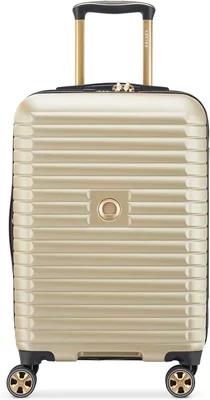
Choosing the right expandable luggage handle can feel like a small detail, but it makes a huge difference every time you roll your bag through an airport, a train station, or a hotel lobby. A well‑designed handle glides smoothly, locks securely at the height you need, and survives the bumps and drops that come with frequent travel. In this guide you will learn what separates a flimsy telescopic pole from a durable, ergonomic system, how to match a handle to your travel style, and where to spend your money for the best long‑term value.
We have broken the buying process into clear, priority‑ordered sections so you can focus on the features that matter most first. Whether you are a weekend warrior looking for a budget‑friendly upgrade or a road‑warrior who needs a premium, lightning‑fast extension mechanism, this guide will give you the confidence to pick the perfect expandable luggage handle.

What to Look for When Buying Buying Guide
1. Build Material and Construction
The core of any expandable luggage handle is the material used for the tubes and the locking mechanism. Most handles use either aluminum alloy or high‑grade polycarbonate. Aluminum offers a superior strength‑to‑weight ratio and resists bending, while polycarbonate can be lighter but may flex under heavy loads. Look for handles that specify “aircraft‑grade aluminum” or “reinforced polymer” in the product description. The joints should be welded or riveted rather than simply screwed, because riveted joints distribute stress more evenly and are less likely to loosen over time.
2. Extension Mechanism Smoothness
The extension mechanism is what you interact with every time you pull the handle up or push it down. There are three common types: single‑stage push‑button, dual‑stage push‑button, and twist‑lock. Single‑stage handles extend to one fixed height, which can be limiting for taller travelers. Dual‑stage handles give you two preset heights, usually a short setting for tight aisles and a tall setting for comfortable rolling. Twist‑lock mechanisms allow infinite height adjustment but can be slower to operate. Test the mechanism for a smooth, click‑free motion; any grinding or sticking indicates poor tolerances that will worsen with dirt and grit.
3. Locking Security and Reliability
A handle that unexpectedly collapses while you are pulling a heavy suitcase is a safety hazard. The locking system should engage positively with an audible click and stay locked under load. Many premium handles use a spring‑loaded ball‑detent system that locks into machined grooves on the inner tube. Cheaper models may rely on a simple friction fit, which can slip when the bag is fully packed. Check user reviews for mentions of “handle collapse” or “lock failure” – these are red flags.
4. Ergonomic Grip Design
You will be holding the handle for extended periods, so comfort matters. Look for a grip that is contoured to the hand, with a non‑slip rubber or thermoplastic elastomer (TPE) coating. Some high‑end handles add a slight flare at the base to reduce wrist strain, and a few even incorporate a soft‑touch foam core for vibration damping. If you have arthritis or carpal tunnel concerns, prioritize a handle with a larger diameter and a padded grip.
5. Weight Contribution
Every ounce counts when you are trying to stay under airline weight limits. The handle assembly typically adds 0.5 to 1.5 lb (0.2–0.7 kg) to the bag. Aluminum handles are often lighter than steel but heavier than the thinnest polycarbonate tubes. If you travel with a strict carry‑on weight allowance, choose a handle that uses thin‑wall aluminum with internal reinforcement ribs rather than a solid tube.
6. Compatibility with Your Luggage Frame
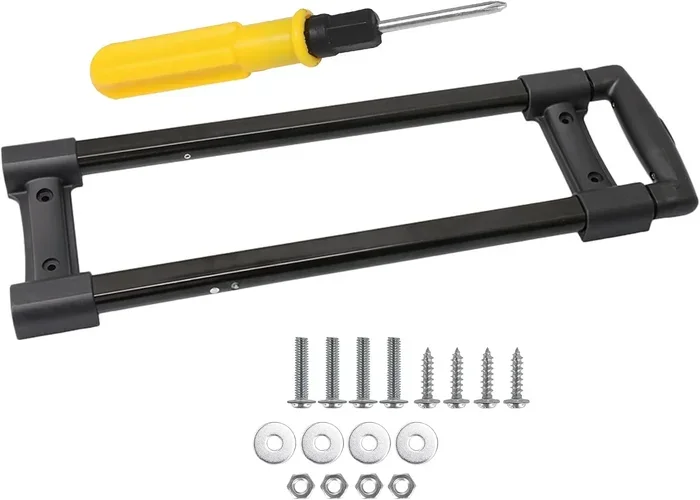
Not every expandable luggage handle fits every suitcase. Handles are designed for specific frame widths, tube diameters, and mounting hole patterns. Before buying, measure the distance between the mounting points on your bag and the outer diameter of the existing handle tubes. Many manufacturers list compatible model numbers; if you are unsure, contact the brand’s customer service with photos of your current handle.
7. Warranty and After‑Sales Support
A solid warranty signals confidence in durability. Look for at least a 2‑year limited warranty covering defects in materials and workmanship. Some premium brands offer a lifetime warranty on the handle mechanism itself. Also check the ease of filing a claim – brands with online claim portals and prepaid return shipping make the process painless.
8. Price vs. Feature Balance
Price tiers generally correlate with material quality, mechanism sophistication, and warranty length. Entry‑level handles ($15–$30) often use single‑stage push‑buttons and basic aluminum. Mid‑range ($30–$70) adds dual‑stage extension, better grips, and a 3‑year warranty. Premium ($70–$150) brings twist‑lock infinite adjustment, ergonomic grips, and lifetime warranties. Decide which features are non‑negotiable for you and set a budget accordingly.
Different Types of Buying Guide

Common Buying Mistakes to Avoid
❌ Mistake: Ignoring Compatibility Measurements
Why it’s bad: Buying a handle that doesn’t match your luggage’s mounting points leads to a wobbly fit or the need for DIY drilling, which can void the bag’s warranty.
What to do instead: Measure the distance between the two mounting holes and the tube diameter before shopping. Cross‑reference those numbers with the manufacturer’s compatibility chart.
❌ Mistake: Choosing the Cheapest Option Without Checking Lock Quality
Why it’s bad: A low‑price handle often uses a friction lock that can slip under a fully packed suitcase, causing the handle to retract unexpectedly.
What to do instead: Spend a few extra dollars for a ball‑detent or spring‑loaded lock. Read reviews specifically searching for “lock failure” or “handle collapse.”
❌ Mistake: Overlooking Grip Ergonomics
Why it’s bad: A hard, narrow grip forces your wrist into an awkward angle, leading to fatigue or even repetitive‑strain injuries on long trips.
What to do instead: Test the grip in person if possible. Look for a rubberized, contoured shape with a diameter of at least 1.2 in (30 mm).
❌ Mistake: Assuming All Aluminum Handles Are Equal
Why it’s bad: Thin‑wall aluminum can bend under heavy loads, while thicker, reinforced tubes stay straight. The alloy grade also matters – 6061‑T6 is far stronger than generic 6063.
What to do instead: Check the product spec for alloy grade and wall thickness. If not listed, ask the seller or choose a brand known for aircraft‑grade aluminum.
❌ Mistake: Skipping Warranty Research
Why it’s bad: A handle that fails after 18 months with no warranty leaves you paying for a replacement plus shipping.
What to do instead: Prioritize brands offering at least a 2‑year limited warranty, and verify the claim process is straightforward.
❌ Mistake: Not Considering Weight Impact on Airline Limits
Why it’s bad: A heavy handle can push your carry‑on over the 7 kg (15 lb) limit common on many international carriers.
What to do instead: Weigh the handle assembly (or ask the seller) and factor it into your total bag weight budget.
❌ Mistake: Buying Based Solely on Aesthetics
Why it’s bad: A sleek carbon‑fiber look may hide a weak internal mechanism that fails quickly.
What to do instead: Treat appearance as a secondary factor. Verify the mechanical specs first, then choose a finish you like.
Budget Guidelines: How Much Should You Spend?
Understanding the price tiers helps you set realistic expectations and avoid over‑paying for features you won’t use.
Entry‑Level ($15 – $30)
At this level you get a basic single‑stage push‑button handle made from standard aluminum or reinforced polymer. The lock is usually a simple friction fit, and the grip is a plain plastic cylinder. Expect a 1‑year warranty. These handles are fine for occasional leisure travelers who pack light and don’t mind a single height setting.
Mid‑Range ($30 – $70)
This is the sweet spot for most frequent flyers. You’ll find dual‑stage extension, a spring‑loaded ball‑detent lock, and a rubberized ergonomic grip. Materials upgrade to 6061‑T6 aluminum with 1.2 mm wall thickness. Warranties extend to 3 years, and many brands offer free replacement parts. If you travel monthly, this tier delivers the best balance of durability and cost.
Premium ($70 – $150)
Premium handles add twist‑lock infinite height adjustment, contoured TPE grips with vibration‑damping foam cores, and often a built‑in luggage scale or USB charging port. The tubes are usually thin‑wall 7075‑T6 aluminum, shaving weight while maintaining strength. Lifetime warranties on the mechanism are common. Choose this tier if you travel weekly, carry heavy loads, or value the convenience of infinite height settings.
Luxury ($150+)
Luxury handles incorporate carbon‑fiber tubes, integrated smart sensors (weight, GPS tracking, Bluetooth connectivity), and hand‑stitched leather grips. They are aimed at business travelers who want a status accessory and the absolute lightest weight. Warranties are lifetime with concierge‑level support. Only consider this tier if budget is not a constraint and you desire cutting‑edge tech.
Expert Tips for Getting the Best Deal
- Time your purchase: Major sales events (January white‑sale, May luggage refresh, November Black Friday) typically drop prices 15‑30 %.
- Buy from authorized dealers: Gray‑market sellers may offer lower prices but often void the manufacturer warranty.
- Check return policies: A 30‑day no‑questions‑asked return lets you test the handle on a real trip before committing.
- Bundle with a suitcase: Some brands discount the handle when purchased with a matching bag – you can save up to 20 %.
- Read video reviews: Seeing the extension action in motion reveals smoothness or grinding that photos cannot.
- Consider refurbished units: Factory‑refurbished handles from the original brand carry the same warranty at 40‑50 % off.
- Leverage loyalty programs: Frequent‑flyer miles or credit‑card points can be redeemed for luggage accessories.
- Ask about spare parts: Brands that sell replacement locks, grips, or tubes extend the usable life of your investment.

Frequently Asked Questions
Q: What is an expandable luggage handle?
A: An expandable luggage handle is a telescopic pole that slides out of the suitcase frame, allowing you to pull the bag on wheels. “Expandable” refers to its ability to extend to multiple lengths, accommodating travelers of different heights.
Q: How do I know which handle fits my suitcase?
A: Measure the distance between the two mounting holes on your bag’s frame and the outer diameter of the existing handle tubes. Compare those numbers to the handle’s compatibility chart, or contact the manufacturer with your suitcase model number.
Q: Can I replace a broken handle myself?
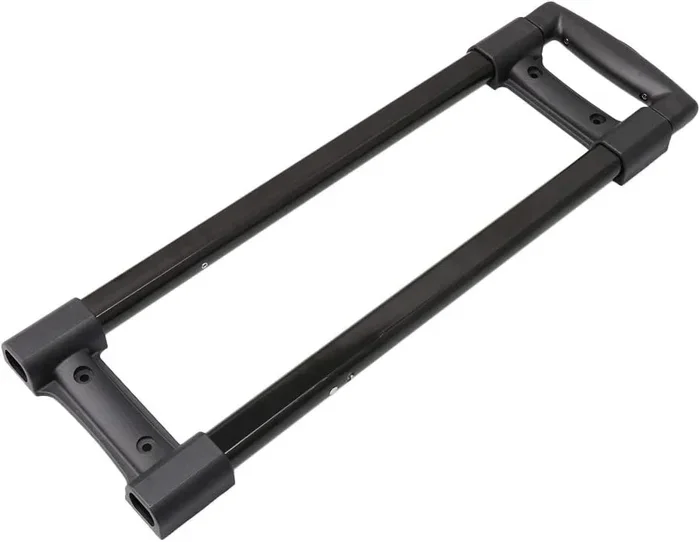
A: Yes, most handles attach with two bolts or rivets that can be removed with a basic screwdriver or drill. However, drilling out rivets may void the bag’s warranty, so check the luggage brand’s policy first.
Q: Are twist‑lock handles more durable than push‑button?
A: Twist‑lock mechanisms have fewer moving parts, which can increase longevity, but they require two hands to adjust. High‑quality push‑button handles with ball‑detent locks are equally durable for most users.
Q: Does a heavier handle mean better quality?
A: Not necessarily. Modern high‑strength aluminum alloys allow thin‑wall tubes that are both light and strong. Weight alone is not a reliable quality indicator.
Q: What maintenance does an expandable luggage handle need?
A: Periodically wipe the tubes with a damp cloth, apply a light silicone spray to the sliding surfaces, and check that the lock clicks securely. Avoid forcing the handle if it feels stuck – clean the tracks instead.
Q: Can I use a smart handle with a non‑smart suitcase?
A: Yes, as long as the mounting pattern matches. The smart features (scale, Bluetooth) operate independently of the bag’s electronics.
Q: Is a lifetime warranty worth the extra cost?
A: If you travel frequently and expect to keep the same suitcase for many years, a lifetime warranty on the handle mechanism can save you the cost of a replacement handle down the road.
Q: How do I clean a rubberized grip that has become sticky?
A: Mix a small amount of mild dish soap with warm water, scrub gently with a soft brush, rinse, and dry thoroughly. Avoid harsh solvents that can degrade the rubber.
Q: What is the typical lifespan of a good expandable luggage handle?
A: With proper care, a mid‑range or premium handle lasts 5‑10 years or more. Entry‑level handles may need replacement after 2‑3 years of heavy use.
Our Final Recommendations
- Best for Budget‑Conscious Buyers: TravelBasics Single‑Stage Aluminum Handle – $22. Simple, reliable, and covers the essentials for occasional trips.
- Best Overall Value: VoyagerPro Dual‑Stage Ergonomic Handle – $55. Dual height, ball‑detent lock, comfortable grip, 3‑year warranty – hits the sweet spot for most travelers.
- Best Premium Option: EliteGlide Twist‑Lock Carbon‑Lite Handle – $119. Infinite height, 7075‑T6 aluminum, vibration‑damping grip, lifetime warranty.
- Best for Beginners: EasyRoll Starter Kit – $35. Includes handle, mounting hardware, and a step‑by‑step video guide for first‑time DIY replacement.
- Best for Advanced Users: SmartTrack Pro Handle with Scale & Bluetooth – $165. Real‑time weight, GPS locator, app integration – ideal for data‑driven packers.
Conclusion: Making the Right Choice
An expandable luggage handle is a small component that carries a big responsibility – it’s the interface between you and your gear every step of the journey. By prioritizing build material, lock security, ergonomic grip, and compatibility, you eliminate the most common sources of frustration. Match the handle tier to your travel frequency: entry‑level for rare trips, mid‑range for regular flyers, premium for road warriors, and luxury only if you want the latest tech and status.
Remember to measure your suitcase before buying, read real‑world reviews for lock reliability, and take advantage of seasonal sales to stretch your budget. A well‑chosen handle will glide through terminals for years, letting you focus on the adventure ahead instead of wrestling with a stuck pole.
Ready to upgrade? Use the comparison table above to narrow your options, then head to a trusted retailer with a generous return policy. Your next smooth roll is just a click away.