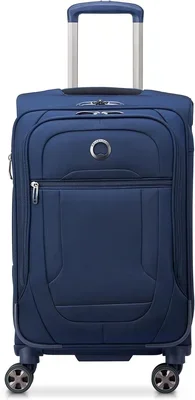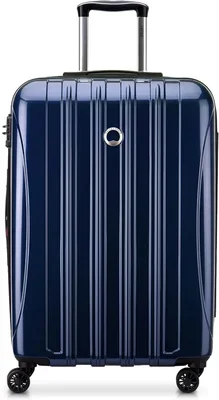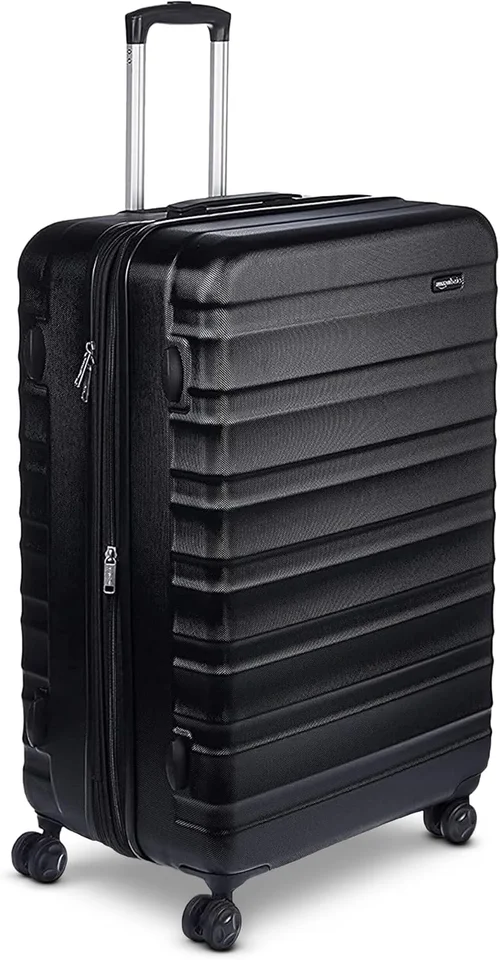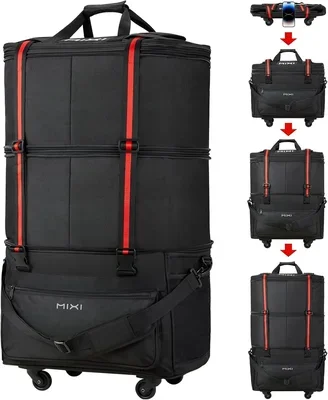
Choosing the right carry-on luggage can feel overwhelming with so many brands, materials, and features on the market. If you have been eyeing the Ciao expandable carry-on line, you are already looking at a popular option that promises flexibility and style. This guide is designed to cut through the marketing noise and give you the practical knowledge you need to make a confident purchase. We will walk through every critical factor, compare the main types of luggage, highlight common pitfalls, and break down budgets so you know exactly what to expect at each price point.
By the end of this article, you will understand how to match a suitcase to your travel style, whether you are a weekend warrior, a frequent business flyer, or a family vacation planner. We will also share expert tips on timing your purchase, spotting genuine deals, and making the most of warranties. Let’s dive in and find the perfect travel companion for your next adventure.

What to Look for When Buying
1. Size and Airline Compliance
The very first thing to check is whether the bag meets the size restrictions of the airlines you fly most often. Most domestic carriers in the United States allow a maximum of 22 x 14 x 9 inches including wheels and handles. International carriers can be stricter, sometimes limiting you to 21.5 x 15.5 x 9 inches or even smaller. The Ciao expandable line typically falls within these limits when not expanded, but the expansion zipper adds extra depth. Remember that an expanded bag might not fit in the overhead bin on a full flight. Always measure the bag yourself if possible, and check the specific dimensions listed by the manufacturer against your airline’s policy.
2. Build Quality and Materials
Durability is the backbone of any good luggage. You will encounter two main categories: hardside and softside. Hardside shells are usually made from polycarbonate, ABS, or a blend. Polycarbonate is the gold standard because it flexes under pressure instead of cracking. ABS is cheaper but more brittle. Softside bags use ballistic nylon, Cordura, or polyester. Look for a high denier count (e.g., 1680D) which indicates a tighter, stronger weave. Pay attention to the corners and seams; reinforced corners and double-stitched seams handle the abuse of baggage conveyors much better.
3. Wheel System and Maneuverability
Wheels make or break the airport experience. Spinner wheels (four multi-directional wheels) let you glide the bag beside you upright, reducing wrist strain. Two-wheel inline bags are pulled behind you and handle rough pavement or cobblestones better because the wheels are larger and recessed. Look for wheels that are attached with metal ball bearings rather than plastic rivets. Give the bag a test roll in the store; it should track straight without wobbling and turn effortlessly. The Ciao models often feature 360-degree spinner wheels; verify they are replaceable in case one breaks.
4. Handle System Ergonomics
The telescoping handle should lock securely at multiple heights to suit your stature. A handle that is too short forces you to hunch; too long and you kick the bag with your heels. Grip material matters too—rubberized or contoured grips reduce fatigue. Check the handle mechanism by extending and retracting it several times; it should move smoothly without sticking. Some premium models offer a wider handle bridge for better balance, which is a nice touch if you stack a personal item on top.
5. Expansion Mechanism and Capacity
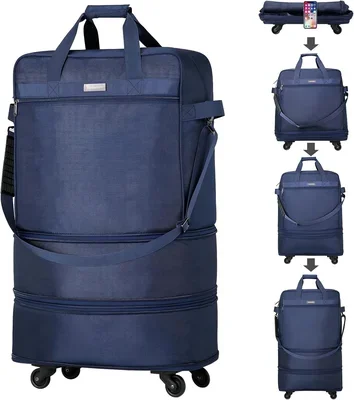
The defining feature of this line is the expansion zipper. Typically, it adds 1.5 to 2.5 inches of packing depth. This is fantastic for bringing home souvenirs or packing for a longer trip, but it adds weight and can push you over airline size limits. Test the expansion zipper for smooth operation; it should not snag on the fabric. Also, consider the internal organization. Does the expanded section have compression straps to keep clothes from shifting? Are there mesh dividers or zippered pockets for toiletries and shoes? Smart internal layout saves you from a jumbled mess.
6. Weight
Every ounce counts, especially with strict airline weight limits for carry-ons (often 15 to 22 lbs including contents). A lightweight bag gives you more allowance for your belongings. Hardside bags have become impressively light; some polycarbonate carry-ons weigh under 6 lbs. Softside bags can be even lighter. Weigh the empty bag before buying. If you are a chronic over-packer, prioritize the lightest frame that still meets your durability needs.
7. Security Features
TSA-approved combination locks are standard on quality luggage. They allow security agents to inspect your bag without cutting the lock. Some bags integrate the lock into the zipper pulls for a sleek look. Also, consider double-coil zippers that are puncture-resistant; a simple ballpoint pen can defeat a single-coil zipper. If you travel internationally, a lock is essential for peace of mind in hostels or on trains.
8. Warranty and Customer Support
A warranty tells you how much the brand stands behind its product. Look for a limited lifetime warranty that covers defects in materials and workmanship. Read the fine print: does it cover airline damage? Are wheels and handles included? Some brands offer a “no questions asked” repair policy for the first few years. Check customer service reviews—responsive support and easy claims processes are invaluable when you are stranded with a broken wheel.
Different Types of Carry-On Luggage

Common Buying Mistakes to Avoid
❌ Mistake: Ignoring Airline Size Limits
Why it’s bad: You arrive at the gate only to be forced to check your bag, incurring fees and risking damage or loss. An expanded bag is the most common culprit.
What to do instead: Measure your bag at home with a tape measure, including wheels and handles. Check the website of every airline you fly before packing. Keep the expansion zipper closed unless you have verified overhead bin space.
❌ Mistake: Prioritizing Style Over Function
Why it’s bad: A beautiful leather-trimmed bag may look great on Instagram but weigh 10 lbs empty, have sticky wheels, and zero internal organization.
What to do instead: Make a checklist of functional needs (weight, pockets, wheel type) first. Then filter for aesthetics. You can find attractive bags that also perform well.
❌ Mistake: Buying the Cheapest Option
Why it’s bad: Budget bags often use thin plastic wheels that shatter, zippers that separate, and frames that bend. You end up replacing them every year.
What to do instead: Invest in a mid-range bag from a reputable brand with a solid warranty. The cost per trip drops dramatically over a 5-10 year lifespan.
❌ Mistake: Overlooking Weight Distribution
Why it’s bad: A bag that is top-heavy or has a narrow wheelbase tips over constantly, forcing you to babysit it through the terminal.
What to do instead: Pack heavy items (shoes, toiletry bag) at the bottom near the wheels. Test the bag fully packed in the store; it should stand upright on its own.
❌ Mistake: Skipping the Warranty Registration
Why it’s bad: Many lifetime warranties require registration within 30 days. If you skip it, you lose coverage for manufacturing defects.
What to do instead: Register your bag online the day you receive it. Save the receipt and a photo of the serial number tag in your cloud storage.
❌ Mistake: Not Testing the Handle Height
Why it’s bad: A handle that doesn’t extend enough causes back pain. One that extends too far makes the bag unstable.
What to do instead: Simulate walking with the bag in the store. Adjust the handle to your height. Ensure it locks firmly and doesn’t slide down under load.
❌ Mistake: Forgetting About Internal Organization
Why it’s bad: A single cavernous compartment means clothes wrinkle, shoes soil garments, and finding a charger takes ten minutes.
What to do instead: Look for built-in dividers, mesh pockets, a dedicated laptop sleeve, and compression straps. If the bag lacks them, buy packing cubes separately.
Budget Guidelines: How Much Should You Spend?
Entry-Level ($50 – $120)
At this price, you are mostly getting ABS hardshell or low-denier polyester softside bags. Wheels are often basic plastic spinners or two-wheel inline. Zippers are single-coil. These bags work fine for occasional leisure trips (once or twice a year) on smooth airport floors. Expect a 1-2 year lifespan with moderate use. Warranties are usually limited to 1-2 years and exclude airline damage. If you travel rarely and stick to domestic flights, this tier can be a sensible choice.
Mid-Range ($120 – $250) – The Sweet Spot
This is where the Ciao expandable carry-on typically lives. You get polycarbonate blends or 1680D ballistic nylon. Spinner wheels use ball bearings. Handles are multi-stage aluminum with comfortable grips. TSA locks are standard. Internal organization includes mesh dividers, compression straps, and often a removable laundry or shoe bag. Warranties extend to 5-10 years or limited lifetime. This tier balances durability, weight, and features for monthly travelers. You pay for better materials and quality control, not just branding.
Premium ($250 – $500)
Here you find pure polycarbonate shells (Makrolon, Curv), ultra-high denier fabrics (Cordura, 2520D), and precision-engineered components. Wheels are often Hinomoto or similar Japanese silent spinners. Handles may be carbon fiber or wide-bridge aluminum. Features include integrated USB ports (power bank not included), removable battery packs, advanced interior modular systems, and lifetime “no questions asked” warranties covering airline damage. Frequent flyers (weekly) justify this cost through reliability and repair services.
Luxury ($500+)
Brands like Rimowa, Tumi, and Briggs & Riley dominate this space. You pay for iconic design, hand-stitched leather accents, proprietary materials (e.g., Rimowa’s aluminum-magnesium alloy), and white-glove service. Some offer complimentary monogramming, global repair networks with loaner bags, and buy-back programs. These are status pieces that last decades. Buy only if budget is no object and you value the brand experience as much as the utility.
Expert Tips for Getting the Best Deal
- Shop Off-Season: January (post-holiday), September (back-to-school), and late April are clearance windows. Retailers discount last season’s colors to make room for new collections.
- Sign Up for Brand Newsletters: Many direct-to-consumer luggage brands offer 10-15% off your first order just for subscribing. You also get early access to sales.
- Check Authorized Refurbished: Brands like Briggs & Riley and Travelpro sell factory-refurbished units with full warranties at 30-40% off. They are indistinguishable from new.
- Use Price Tracking Tools: Browser extensions like Honey or CamelCamelCamel alert you when a specific model drops below your target price.
- Leverage Credit Card Benefits: Some premium travel cards offer statement credits for luggage purchases or extended warranty protection that doubles the manufacturer’s coverage.
- Buy a Set If You Need Checked Luggage Too: Bundling a carry-on with a checked bag often saves 15-20% versus buying separately. Only do this if you genuinely need both.
- Test In-Store, Buy Online: Visit a luggage store to feel the weight, test the wheels, and check the handle. Then hunt for the best online price. Many stores will price-match.
- Read the Return Policy: Ensure you can return the bag after a test pack at home. Some online retailers charge restocking fees for luggage; avoid them.

Frequently Asked Questions
Q: Can I use the expansion zipper on a Ciao carry-on for international flights?
A: Only if the expanded dimensions still fall within the airline’s limit. Most international carriers are stricter than US domestic ones. Measure the bag expanded and compare. When in doubt, leave it unexpanded for the flight out and use the extra space for the return trip.
Q: Are spinner wheels more prone to breaking than two wheels?
A: Spinner wheels have more moving parts and protrude from the bag, making them vulnerable to snapping off if the bag is dropped or thrown. However, high-quality spinners (like Hinomoto) are very durable. Two-wheel inline bags have larger, recessed wheels that handle abuse better. If you frequently travel on rough terrain (cobblestones, dirt paths), two wheels are safer.
Q: How do I clean a hardside polycarbonate shell?
A: Use a microfiber cloth dampened with mild soap and water. Avoid abrasive cleaners or magic erasers, which can dull the finish. For scuffs, a small amount of car polish or plastic polish can restore shine. Dry thoroughly before storing.
Q: What is the difference between a limited lifetime warranty and a full lifetime warranty?
A: “Limited” usually covers defects in materials and workmanship only, not airline damage, normal wear, or accidents. “Full” or “unconditional” warranties (rare) cover almost anything including airline damage. Always read the specific terms; some limited warranties are very generous, others are restrictive.
Q: Should I buy a carry-on with a built-in USB port?
A: The port is just a pass-through; you must supply your own power bank. It is convenient if you hate digging for cables, but the port adds a potential failure point and slightly increases weight. If you already have a power bank with a short cable, it’s a nice-to-have, not a must-have.
Q: How much does a typical Ciao expandable carry-on weigh?
A: Most models in this line weigh between 6.5 and 8.5 pounds empty. The hardside versions tend to be on the lighter end; softside with heavy frames can be heavier. Always verify the spec sheet for the exact model.
Q: Can I replace the wheels myself if they break?
A: Many modern spinners use riveted wheels that require drilling to replace. Some brands sell replacement wheel kits and provide instructions. If self-repair matters, look for bolt-on wheels or a brand with a convenient repair service (e.g., send the bag in, they swap wheels).
Q: Is a built-in garment folder/suiter worth it?
A: If you travel with a suit, dress, or wrinkle-prone business attire, a built-in suiter compartment keeps them flat and reduces creasing. For casual travel, it just eats space. Consider a removable suiter that you can leave at home when not needed.
Q: What packing cubes fit best in an expandable carry-on?
A: Standard packing cubes (e.g., 17x12x4 inches) fit well in the main compartment. When expanded, you can add a larger cube or a shoe bag. Measure the interior depth both compressed and expanded, then buy cubes that leave a little wiggle room for the lid to close.
Q: How do I prevent my luggage from being stolen at baggage claim?
A: Use a distinctive luggage tag, a bright ribbon, or a unique cover. Take a photo of your bag and its contents before checking it. If you carry it on, keep it in sight. For checked bags, a TSA lock deters casual theft but not a determined thief with bolt cutters.
Our Final Recommendations
Best for Budget-Conscious Buyers: Ciao Expandable Softside Spinner (Entry Model)
This model typically retails under $120. It offers a lightweight polyester build, inline skate wheels, a basic expansion zipper, and a 2-year warranty. It’s perfect for the traveler who flies 2-3 times a year and wants the flexibility of expansion without a big investment. Accept that the wheels are not replaceable and the fabric may show wear faster.
Best Overall Value: Ciao Expandable Hardside Spinner (Mid-Range Polycarbonate)
Priced around $180-$220, this is the sweet spot. You get a 100% polycarbonate shell, double-spinner Hinomoto-style wheels, a TSA lock, a well-organized interior with compression pads, and a 10-year limited warranty. It handles weekly business travel with ease and looks professional. The expansion adds 2 inches cleanly. This is the one we’d buy for ourselves.
Best Premium Option: Ciao Expandable Hardside with Integrated Power Bank Pocket
At $300-$350, you step up to a premium polycarbonate blend (often with a textured scratch-resistant finish), silent Japanese spinner wheels, a carbon-fiber handle tube, a dedicated padded laptop/tablet sleeve accessible from the outside, and a lifetime warranty that includes one free airline damage repair. The USB port is built into the shell, not a dangling cable. Ideal for road warriors who value time and convenience.
Best for Beginners: Ciao Expandable Two-Wheel Softside
If you are new to frequent travel, a two-wheel softside (around $130) teaches good packing habits. The large wheels roll over curbs easily. The front pocket holds boarding passes and a book. The expansion is generous. It’s forgiving if you overpack slightly because the fabric gives. You’ll learn what features you truly value for your next upgrade.
Best for Advanced Users: Ciao Expandable Hardside with Modular Interior System
For the traveler who has a system, this $400+ model offers a fully customizable interior: removable dividers, a compression panel that doubles as a laundry separator, a dedicated tech organizer, and a hidden AirTag pocket. The shell is ultra-light Curv material. The wheels are top-tier silent spinners. The warranty is lifetime with global repair. This bag adapts to a 3-day conference or a 10-day vacation with equal elegance.
Conclusion: Making the Right Choice
We have covered a lot of ground—from measuring for airline compliance to decoding warranty fine print. The perfect Ciao expandable carry-on for you is the one that matches your travel frequency, packing style, and budget without forcing compromises on the features you use every trip. Remember the hierarchy: size compliance first, then weight and durability, then organization and wheels, then aesthetics. Do not be swayed by a flashy feature you will never use.
Take a moment to audit your last three trips. What annoyed you about your current bag? What did you love? Write those down. Use that list as your personal filter when you compare models. Whether you land on the entry-level softside or the premium modular hardside, buying with intention means you will enjoy every journey a little more.
Now you have the knowledge. The only thing left is to pick the bag and start packing. Safe travels, and may your overhead bin always have space.