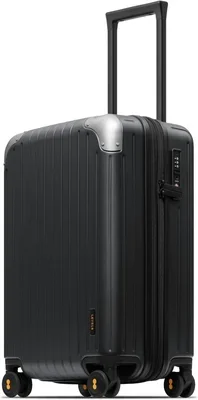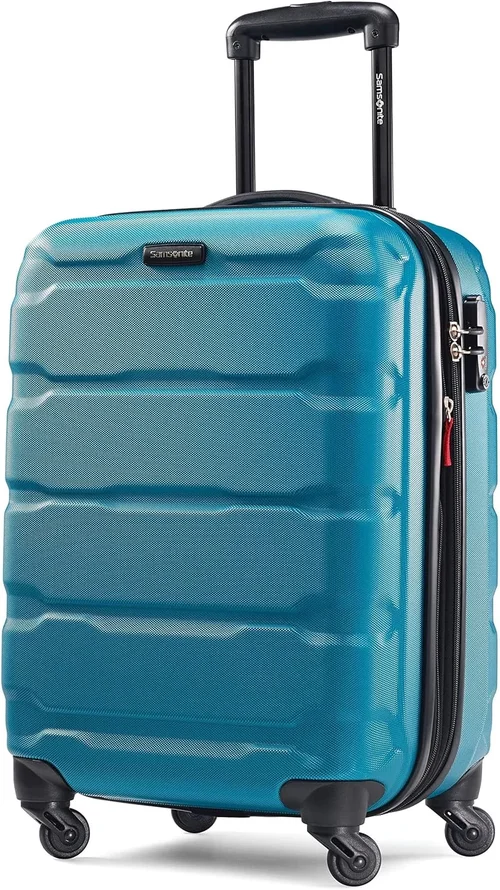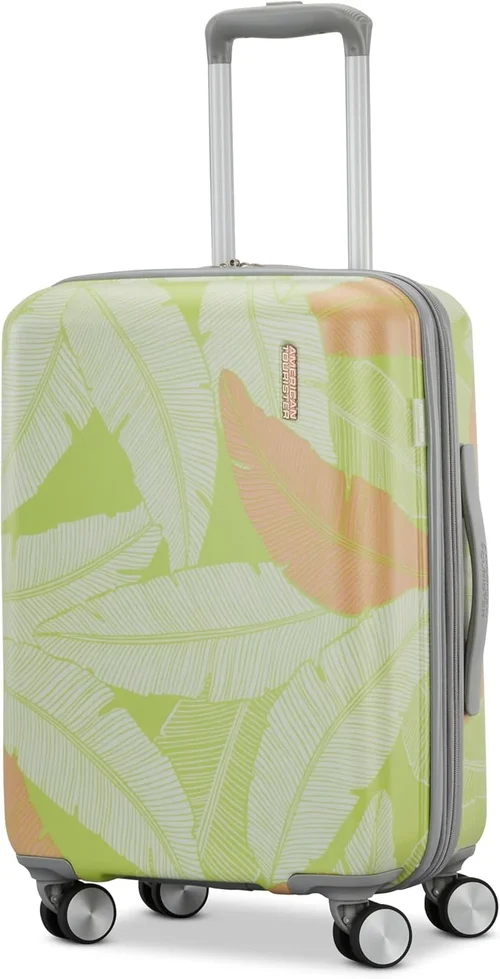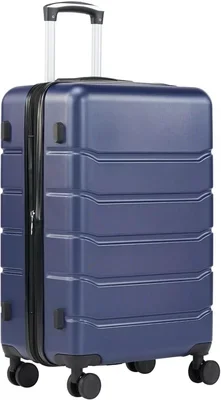
Choosing the right expandable 20‑inch luggage can feel like navigating a maze of specifications, brand promises, and price tags. Whether you are a frequent business traveler, a weekend explorer, or someone who simply wants a reliable carry‑on that can stretch a little when you need extra space, this guide is built to give you the confidence to make a smart purchase. We will walk through every critical factor, decode the technical jargon, compare the main categories on the market, and highlight the common pitfalls that trip up even seasoned shoppers.
By the end of this article you will know exactly what to prioritize — size compliance, durability, wheel quality, handle ergonomics, expansion mechanism, weight, and warranty — and you will have a clear budget framework that matches your travel style. We also share expert timing tips for snagging the best deals, a curated FAQ that answers the questions we hear most often, and our top picks for every buyer profile. Let’s dive in and turn the luggage aisle into a straightforward decision‑making process.

What to Look for When Buying Buying Guide
1. Airline Size Compliance
The first and most non‑negotiable factor is whether the bag fits the carry‑on dimensions of the airlines you fly most often. A 20‑inch suitcase typically measures around 22 × 14 × 9 inches (including wheels and handles), but the expandable zip can add 1.5 to 2 inches of depth. Check the specific maximum dimensions for your primary carriers — many U.S. domestic airlines allow 22 × 14 × 9 inches, while some European low‑cost carriers limit you to 21.5 × 15.5 × 9 inches. If you frequently fly on multiple airlines, look for a model that stays within the strictest limits even when expanded, or choose a bag with a “compress‑only” expansion that can be zipped back down to the legal size.
2. Build Material and Shell Construction
Luggage shells come in three main families: polycarbonate, ABS, and hybrid blends. Polycarbonate is the gold standard for impact resistance — it flexes under pressure and returns to shape, making it ideal for rough baggage handling. ABS is lighter and cheaper but more prone to cracking on hard impacts. Hybrid shells combine a polycarbonate outer layer with an ABS inner frame, offering a balance of weight, cost, and durability. For a 20‑inch expandable, a full polycarbonate shell (often marketed as “100 % polycarbonate”) gives the best longevity, especially if you check the bag occasionally.
3. Wheel System: Spinner vs. Inline
Four‑wheel spinners (360° rotation) let you glide the bag beside you, reducing wrist strain on long terminal walks. Eight‑wheel “dual‑spinner” designs add a second set of wheels for extra stability on uneven surfaces. Inline two‑wheel models are lighter and often more durable on rough pavement because the wheels are larger and recessed. If you prioritize maneuverability in crowded airports, go for a quality four‑wheel spinner with sealed ball bearings. If you frequently roll over cobblestones or gravel, a two‑wheel inline with larger diameter wheels may survive longer.
4. Handle Ergonomics and Telescoping Mechanism
The telescopic handle should extend to at least three height settings (typically 38, 41, and 44 inches) to accommodate different user heights. Look for an aluminum or reinforced alloy tube rather than plain steel — it resists bending and feels lighter. The grip material matters too: a contoured rubber or soft‑touch plastic reduces hand fatigue. Test the lock‑release button; it should click securely into each notch and not slip under load.
5. Expansion Mechanism and Capacity Gain
Expandable luggage uses a gusseted zipper that adds depth — usually 1.5 to 2 inches — translating to roughly 15‑25 % more packing volume. The zipper should be a heavy‑duty YKK or similar brand with a double‑track design to prevent snagging. Some models add a compression strap inside the expansion panel to keep contents from bulging when the bag is closed. Verify that the expanded dimensions still meet your airline’s limits; many travelers keep the expansion zipped shut for overhead‑bin compliance and only open it for checked‑bag trips.
6. Interior Organization and Lining
A well‑designed interior saves you time at security and keeps clothes wrinkle‑free. Look for a full‑length zippered divider, two mesh pockets (one for toiletries, one for electronics), and compression straps that secure garments. Anti‑microbial or moisture‑wicking lining is a nice bonus for damp climates. Some premium bags include a removable laundry bag or a dedicated laptop sleeve that fits a 15‑inch device — handy for business trips.
7. Weight and Portability
Every ounce counts when you are trying to stay under a 7‑kg (15‑lb) carry‑on weight limit. A quality 20‑inch expandable polycarbonate spinner typically weighs 6.5‑7.5 lb (2.9‑3.4 kg) empty. Lightweight ABS models can dip below 5.5 lb but sacrifice impact resistance. If you pack heavy items (shoes, books), a lighter shell gives you more payload capacity. Remember that the handle, wheels, and expansion hardware add weight; a minimalist design often shaves a pound.
8. Warranty, Customer Support, and Repair Network
A strong warranty signals confidence in build quality. Look for at least a 5‑year limited warranty covering shell cracks, wheel failure, and handle defects. Brands with global service centers (e.g., Samsonite, Travelpro, Briggs & Riley) let you get repairs or replacements without shipping the bag across continents. Read the fine print — some warranties exclude damage from airline handling unless you purchase an optional “travel protection” plan.
Different Types of Buying Guide

Common Buying Mistakes to Avoid
❌ Mistake: Ignoring Airline‑Specific Size Limits
Why it’s bad: A bag that fits one carrier’s overhead bin may be rejected on another, forcing you to check it at the gate and incur fees. What to do instead: Compile a list of the airlines you use most and verify the strictest carry‑on dimensions. Choose a model that meets those limits even when expanded, or commit to never using the expansion on carry‑on flights.
❌ Mistake: Prioritizing Price Over Wheel Quality
Why it’s bad: Cheap plastic wheels crack after a few trips, leaving you dragging a lopsided suitcase. What to do instead: Invest in sealed‑bearing spinner wheels from reputable brands (e.g., Hinomoto, Samsonite’s “SilentRun”). They cost more upfront but save you replacement hassle and frustration.
❌ Mistake: Overlooking Handle Height Range
Why it’s bad: A handle that stops too low forces taller travelers to hunch, causing back strain. What to do instead: Test the handle in store or read user reviews for height specifications. Ensure at least three lock positions covering 38‑44 inches.
❌ Mistake: Assuming All Expandable Zippers Are Equal
Why it’s bad: Low‑grade zippers snag, split, or burst under pressure, especially when the bag is overstuffed. What to do instead: Look for YKK or SBS double‑track zippers with a protective flap. Pull the zipper fully open and closed a few times before buying — smooth action is a good sign.
❌ Mistake: Neglecting Weight When Empty
Why it’s bad: A heavy shell eats into your carry‑on weight allowance, limiting what you can pack. What to do instead: Target an empty weight under 7 lb for polycarbonate spinners. If you need ultra‑light, consider a high‑quality ABS model but accept a trade‑off in impact resistance.
❌ Mistake: Skipping Warranty Registration
Why it’s bad: Many brands require registration within 30‑90 days to activate the full warranty period. What to do instead: Register immediately on the manufacturer’s website and keep a digital copy of the receipt. This simple step can add years of coverage.
Budget Guidelines: How Much Should You Spend?
Entry‑Level ($80 – $130)
At this tier you’ll find mostly ABS or hybrid shells with basic two‑wheel inline or four‑wheel spinner setups. Expect simple interiors — one divider, maybe a mesh pocket — and a 1‑year limited warranty. These bags work fine for occasional leisure trips (2‑3 flights per year) where you don’t need maximum durability. Watch for flimsy zipper pulls and plastic wheel hubs; they are the first parts to fail.
Mid‑Range ($130 – $250)
This is the sweet spot for most travelers. You get full polycarbonate or high‑grade hybrid shells, sealed‑bearing spinners, aluminum telescoping handles, and thoughtful interior organization (compression straps, multiple pockets). Warranties extend to 3‑5 years, and brands like Travelpro, Delsey, and Samsonite have service centers in major airports. The expansion mechanism is usually a robust YKK zipper with a compression strap.
Premium ($250 – $450)
Premium models add features such as integrated TSA‑approved locks, USB charging ports (power bank not included), anti‑theft zipper pulls, and premium interior fabrics (e.g., recycled polyester lining). Wheels are often Hinomoto “SilentRun” or equivalent, offering whisper‑quiet rolling. Warranties stretch to 10 years or lifetime on the shell. These bags suit frequent flyers (10+ trips/year) who value longevity and convenience.
Luxury ($450 +)
Luxury expandable 20‑inch luggage includes aluminum‑frame or carbon‑fiber reinforced shells, hand‑stitched leather accents, bespoke interior layouts, and lifetime “no‑questions‑asked” repair policies (e.g., Briggs & Riley, Rimowa). They are status pieces as much as functional gear. If you travel first‑class regularly and want a bag that can be serviced anywhere in the world, this tier delivers peace of mind — but the cost per trip is high.
Expert Tips for Getting the Best Deal
- Buy off‑season: Late January through March and September through early November see the deepest discounts as retailers clear inventory before new collections launch.
- Watch major sales events: Black Friday, Cyber Monday, Prime Day, and end‑of‑quarter clearance (March, June, September) often drop premium models 20‑30 % off MSRP.
- Compare authorized retailers: Prices can vary $30‑$50 between the brand’s website, department stores, and specialty luggage shops. Use price‑tracking tools (CamelCamelCamel, Honey) to spot the lowest historical price.
- Consider open‑box or refurbished: Many brands sell certified refurbished units with full warranty at 15‑25 % off. Inspect the return policy — 30‑day no‑questions‑asked is standard.
- Leverage credit‑card travel perks: Some premium cards offer statement credits for luggage purchases or extended warranty coverage that doubles the manufacturer’s term.
- Test in‑store before buying online: Feel the handle, spin the wheels, open the expansion zipper. Then purchase the exact SKU online for the best price.
- Read recent reviews (last 12 months): Manufacturing changes can improve or degrade quality. Filter reviews by “verified purchase” and look for comments on wheel durability and zipper reliability.

Frequently Asked Questions
Q: Can I use the expansion zipper on a carry‑on flight?
A: Only if the expanded dimensions still fall within your airline’s carry‑on limits. Most 20‑inch expandable bags add 1.5‑2 inches of depth, which often exceeds the 9‑inch maximum. The safe approach is to keep the expansion zipped shut for overhead‑bin travel and only open it when you check the bag.
Q: How do I clean a polycarbonate shell?
A: Wipe the exterior with a damp microfiber cloth and mild soap. Avoid abrasive cleaners or solvents that can dull the finish. For scuffs, a small amount of automotive plastic polish restores shine. The interior lining can be spot‑cleaned with a fabric‑safe cleaner; remove any removable organizers first.
Q: Are spinner wheels more prone to breakage than inline wheels?
A: Spinner wheels have more moving parts (four casters vs. two fixed wheels), so they can be more vulnerable to impact damage. However, high‑quality sealed‑bearing spinners from reputable brands are engineered to withstand typical airline handling. Inline wheels are simpler and often more robust on rough terrain.
Q: What is the difference between a TSA lock and a regular combination lock?
A: A TSA‑approved lock has a special keyway that allows Transportation Security Administration agents to open and relock the bag without cutting the lock. Regular combination locks cannot be opened by TSA, so agents may cut them off if they need to inspect your luggage.
Q: How much extra packing space does the expansion actually give?
A: Typically 15‑25 % more volume, which translates to roughly 2‑3 extra liters. That’s enough for a light jacket, a pair of shoes, or a few souvenirs. Don’t expect to double your capacity — the frame and liner limit how far the gusset can stretch.
Q: Is a built‑in USB port worth the extra cost?
A: The port is just a pass‑through; you still need to carry your own power bank. If you already travel with a power bank and like the convenience of charging your phone without opening the bag, it’s a nice perk. Otherwise, it adds a potential failure point (the internal cable) and a few ounces of weight.
Q: Can I replace wheels myself if they break?
A: Many mid‑range and premium bags use screw‑on wheel assemblies that can be swapped with a basic Phillips screwdriver. Check the manufacturer’s parts website for compatible replacements. Entry‑level models often have riveted wheels that require professional repair.
Q: What should I do if my luggage is damaged by the airline?
A: File a damage claim at the airline’s baggage service office before leaving the airport. Take photos of the damage, keep your boarding pass and baggage tag, and request a written report. Most airlines have a 24‑hour window for claims. Then contact the luggage manufacturer if the damage is covered under warranty.
Our Final Recommendations
Best for Budget‑Conscious Buyers: Travelpro Maxlite 5 Expandable 20‑Inch Spinner — Weighs just 5.4 lb, offers a durable polyester‑fabric exterior with a polycarbonate frame, smooth 360° wheels, and a 5‑year warranty. Priced around $110, it delivers exceptional value for occasional travelers.
Best Overall Value: Samsonite Freeform Hardside Expandable 20‑Inch Spinner — Full polycarbonate shell, four double‑spinner wheels, recessed TSA lock, and a 10‑year limited warranty. At roughly $190 it balances weight (6.8 lb), durability, and organization features that satisfy both business and leisure trips.
Best Premium Option: Briggs & Riley Baseline Domestic Carry‑On Expandable — Lifetime “Simple as That” warranty (covers airline damage), CX expansion system that adds 25 % capacity while staying within most carry‑on limits, and a ballistic nylon exterior that resists abrasion. Around $380, it’s an investment that pays off over decades of travel.
Best for Beginners: Amazon Basics 20‑Inch Hardside Spinner with Expansion — Simple, no‑frills polycarbonate shell, four spinner wheels, and a 3‑year limited warranty. At under $90 it lets new travelers test the waters without a big commitment.
Best for Advanced Users: Rimowa Essential Cabin Plus — Aluminum‑magnesium alloy shell, multi‑wheel system with ball bearings, integrated TSA lock, and a distinctive grooved design. Priced near $600, it offers unmatched rigidity, a lifetime service network, and a premium aesthetic for the discerning globetrotter.
Conclusion: Making the Right Choice
Selecting an expandable 20‑inch suitcase is ultimately about matching the bag’s strengths to your travel habits. Start with the non‑negotiables — airline size compliance, wheel quality, and a handle that fits your height — then layer on the features that make your journeys smoother: a reliable expansion zipper, thoughtful interior organization, and a warranty that backs the product for years. Use the budget tiers as a roadmap, but remember that a slightly higher upfront spend on a polycarbonate spinner with sealed bearings often saves money and headaches down the line.
Armed with the factors, comparisons, mistake alerts, and expert timing tips in this guide, you can walk into any luggage aisle or browse any online store with a clear checklist. Prioritize what matters most to you — whether it’s ultra‑light weight for strict budget airlines, maximum durability for weekly business trips, or a lifetime warranty for peace of mind — and you’ll come home with a companion that fits both your overhead bin and your lifestyle.
Ready to upgrade your carry‑on game? Pick the category that matches your travel frequency, set your price ceiling, and grab the model that checks every box on your personal list. Safe travels and happy packing!