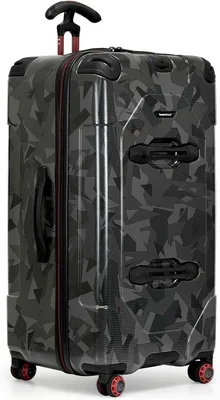
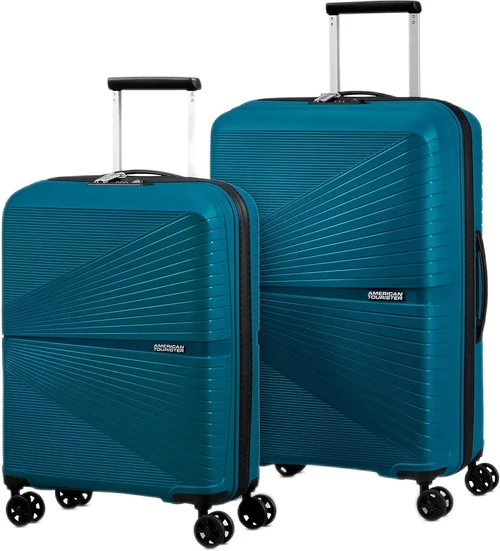
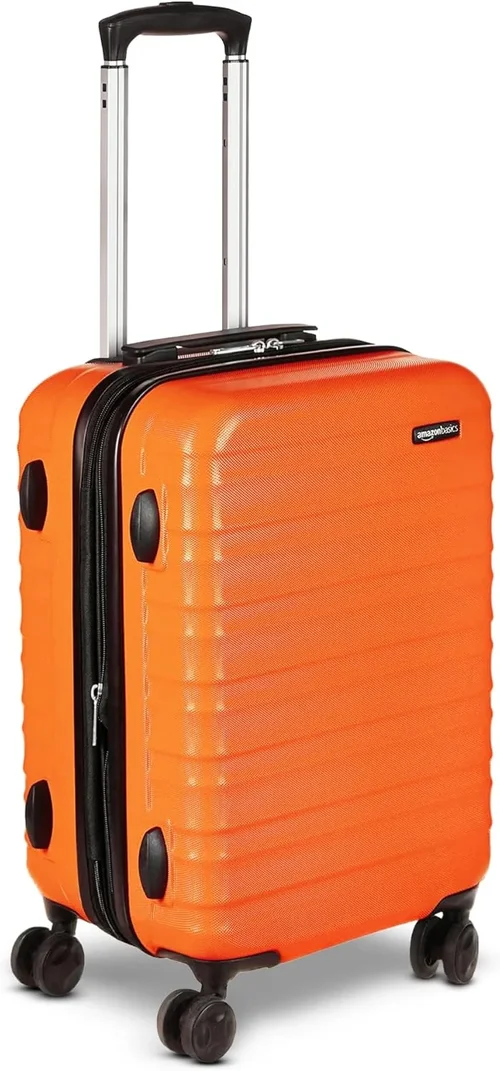
Shopping for a new carry-on can feel overwhelming. You stand in the luggage aisle or scroll through endless product pages, and every suitcase looks roughly the same: a rectangular box with wheels and a handle. But the details matter. A 21-inch expandable suitcase is the gold standard for domestic carry-on travel. It fits in almost every overhead bin, gives you extra packing space when you need it, and forces you to pack efficiently. This guide exists to cut through the marketing noise. We will walk through the exact specifications that separate a travel companion from a travel headache. By the end, you will know exactly what to prioritize, what to ignore, and how to match the right bag to your travel style.
The market is flooded with options ranging from fifty-dollar budget finds to thousand-dollar luxury status symbols. Most travelers fall somewhere in the middle, looking for that sweet spot where durability, weight, and price intersect. We will break down the anatomy of a modern spinner, explain why “polycarbonate” isn’t just a buzzword, and show you how to spot a warranty that actually protects you. Whether you are a weekend warrior hopping on short flights or a business traveler living out of a suitcase, the right 21-inch expandable changes the entire rhythm of your trip. Let’s dive in.

What to Look for When Buying Expandable 21 Luggage
1. Exterior Material: Hard Shell vs. Soft Shell
The very first decision you face is the shell. This dictates durability, weight, and how the bag handles impacts. Hard shell luggage, typically made from polycarbonate, polypropylene, or ABS plastic, dominates the current market. Polycarbonate is the premium choice. It flexes under pressure rather than cracking, meaning it absorbs the shock of being tossed onto a conveyor belt. It is also lighter than ABS. Polypropylene is a newer entrant; it is incredibly tough and often lighter than polycarbonate, but it can feel slightly more “plasticky” and may scuff easier. ABS is the budget option. It is rigid and cheap but brittle. A hard hit on a cold day can spiderweb an ABS shell.
Soft shell luggage uses woven nylon fabrics, usually ballistic nylon or Cordura. These are measured in denier (a unit of fiber thickness). Higher denier (1680D or 1080D) means a thicker, more abrasion-resistant fabric. Soft shells offer external pockets for quick access to passports or laptops. They also have “give.” You can stuff a soft shell into a tight overhead bin or squeeze an extra sweater into the front pocket. However, they offer zero crush protection for fragile items inside, and they absorb water unless treated with a durable water repellent (DWR) coating. For a 21-inch bag, hard shells are currently winning because they protect contents better and the expandable zipper on a hard shell adds genuine volume without bulging awkwardly.
2. The Expandable Mechanism: Zipper Gusset Depth and Construction
This is the namesake feature. Not all expansion is created equal. Most 21-inch bags expand via a zipper that releases a folded fabric gusset hidden between the shell halves. The standard expansion depth is 1.5 to 2 inches. That sounds small, but in a 21-inch frame, it adds roughly 15 to 25 percent more packing volume. Look closely at the zipper. It should be a high-quality coil zipper (YKK is the gold standard) with large, easy-to-grip pulls. The stitching around the gusset must be reinforced. Cheap bags use a single row of stitching that rips out when the bag is overstuffed.
Some premium brands use a “CX” expansion system (like Travelpro) where the expansion zipper is hidden behind a protective flap, shielding it from baggage handlers snagging it. Others offer a “wet pocket” inside the expansion zone—a waterproof compartment for toiletries or dirty clothes. This is a fantastic feature that keeps the expansion useful even when you aren’t overpacking. Test the zipper action in the store or read reviews specifically about the expansion zipper durability. A stuck expansion zipper at the airport is a nightmare.
3. Wheel System: Spinner vs. Inline Skate Wheels
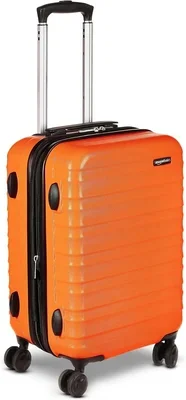
Four-wheel spinners are the standard now, but quality varies wildly. You want double-spinner wheels (eight wheels total). Four single wheels put all the lateral stress on one axle point; they snap off easily. Double wheels distribute the load. Look at the wheel housing. Is it recessed into the shell? Recessed wheels protect the wheel from snapping off if the bag is dropped on its side. If the wheels protrude past the shell profile, they eat into your linear inch allowance (length + width + height) and are the first thing to break.
Wheel material matters. Cheap plastic wheels are loud, vibrate on pavement, and flat-spot if the bag sits heavy for a while. High-end bags use polyurethane (PU) or rubberized tires over a nylon core. These roll silently over cobblestones and carpet alike. Precision ball bearings inside the hub make the difference between pushing a bag with one finger and wrestling a shopping cart. Test the spin: flick the wheel with your finger. It should spin freely for 10+ seconds. Also, check the wheel width. Wider wheels (2.5 inches+) handle cracks and grates better than narrow ones.
4. Handle System: Telescoping Handle Ergonomics and Stages
The handle is your connection to the bag. A bad handle causes wrist strain and shoulder pain. First, look at the number of stages. A three-stage handle (short, medium, tall) accommodates different heights better than a two-stage. If you are under 5’6″ or over 6’2″, three stages are non-negotiable. The handle tubes should be aluminum or high-grade aircraft aluminum. Steel is heavy; cheap aluminum bends. The grip material matters too. Molded rubber or gel grips absorb vibration. Hard plastic grips get slippery with sweat.
Check the handle mechanism. It should lock securely at each stage with a positive “click.” Wobbly handles flex side-to-side, transferring torque to your wrist. The handle should retract fully flush into the bag. If it sticks out, it catches on things and prevents the bag from nesting inside a larger suitcase for storage. Finally, assess the top carry handle and side carry handle. They need to be padded and rated for the bag’s maximum weight. You will lift this bag into overhead bins; a thin, unpadded handle digs into your fingers at 35 pounds.
5. Interior Organization: Compression, Dividers, and Pockets
The interior layout dictates how much you actually fit. A 21-inch bag has roughly 35-40 liters of capacity (expanded). You need a clamshell opening (opens like a book) with a divider panel separating the two halves. The divider should be a mesh zippered panel, not a solid fabric wall. Mesh lets you see contents and allows air circulation. On one side, you want compression straps. These are elastic or webbing straps that cinch down your clothes, preventing shifting and wrinkling. On the other side, a zippered pocket for shoes, dirty laundry, or toiletries is essential.
Look for a dedicated laptop or tablet sleeve if you travel with tech. In a 21-inch bag, this is often a padded pocket on the divider panel or the lid. Some bags feature a “suiter” system—a fold-out garment sleeve—but in a 21-inch, this usually consumes too much space. Prioritize compression straps and a large zippered mesh pocket. A wet pocket (PVC or TPU lined) is a bonus for toiletries or wet swimwear. Avoid bags with tons of tiny, specific pockets (pen loops, card slots). They just add weight and restrict packing flexibility. One large zippered pocket per compartment is superior to five small ones.
6. Weight and Dimensional Compliance
Weight is the silent killer of travel joy. Airlines are strict. Most US domestic carriers allow 22 x 14 x 9 inches (including wheels and handles) for carry-on. International carriers are often stricter: 21.5 x 15.5 x 9 inches or even smaller, and they weigh bags at the gate. A 21-inch bag that weighs 9 pounds empty leaves you only 26 pounds for contents on a 35-pound limit (common on international) or 16 pounds on a strict 15kg (33lb) limit. Target an empty weight between 5.5 and 7.5 pounds for a hard shell spinner. Under 5.5 lbs usually means ultra-light materials that sacrifice durability. Over 7.5 lbs eats too much payload.
Verify the exterior dimensions listed by the manufacturer. Many brands list “packing dimensions” (interior) which are smaller. You need the overall dimensions including wheels, handles, and expansion zipper bump. If a bag is listed as 22 x 14 x 9 but expands to 11 inches deep, it is non-compliant when expanded. You must be willing to not expand it on strict flights. Some brands (like Briggs & Riley or Travelpro) design the expansion to stay within the 9-inch depth limit by expanding upward or outward in a way that still fits the sizer. This is a huge advantage.
7. Locks and Security Features
TSA-approved locks are mandatory for checked bags but useful for carry-ons too (gate-check happens). Integrated combination locks built into the shell are superior to padlocks. They can’t be lost, they don’t snag, and they secure both main zippers to a central point. Look for a three-dial combination (more secure than two). The lock housing should be flush or recessed. Some premium bags now feature USB ports with a dedicated power bank pocket inside. This is convenient but adds weight and a potential failure point. If you want this, ensure the power bank pocket is accessible without unpacking the main compartment and that the cable is removable/replaceable.
Double-coil zippers (two zipper pulls meeting in the middle) allow the lock to secure both pulls. Single zipper pulls cannot be locked effectively. Puncture-resistant zippers (like YKK RCW or similar) prevent the “pen trick” where a ballpoint pen opens a zipper and the pulls are zipped back over the hole. This is a real theft vector. If security is a top concern, look for this specific zipper tech.
8. Warranty and Brand Support
A warranty tells you how much the manufacturer believes in their product. “Lifetime warranty” sounds great, but read the fine print. Does it cover airline damage? Many explicitly exclude “damage caused by common carriers.” The best warranties (Briggs & Riley, Travelpro, Patagonia, Osprey) cover airline damage and wear and tear. They offer “no questions asked” repair or replacement. Others (Samsonite, Delsey) have tiered warranties: 10 years for frames, 3 years for wheels, etc. Check the claim process. Do you ship the bag at your cost? Is there a local repair center? A warranty you can’t easily use is worthless.
Brand reputation for parts availability matters. If a wheel breaks in year three, can you buy a $15 replacement wheel kit and install it with a screwdriver? Brands like Travelpro and Briggs & Riley sell parts directly. Cheap brands require you to buy a new bag. This is the hidden cost of ownership. Research the brand’s customer service responsiveness before buying. A quick search for “[Brand] warranty claim experience” on forums like Reddit or FlyerTalk reveals the truth.
Different Types of Expandable 21 Luggage

Common Buying Mistakes to Avoid
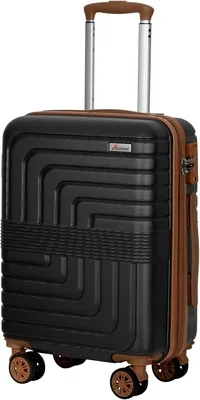
❌ Mistake: Buying Based on Brand Name Alone
Why it’s bad: Legacy brands like Samsonite or American Tourister have massive product lines. Their $80 bag shares a logo with their $400 bag but shares zero DNA in materials or construction. The budget lines often use ABS shells, single-spinner wheels, and two-stage handles. You pay for the logo, not the quality. Conversely, lesser-known direct-to-consumer brands (like Monos, July, or Arlo Skye) often offer better specs at lower prices because they skip retail markup.
What to do instead: Ignore the logo. Compare the spec sheet: shell material (polycarbonate vs ABS), wheel type (double spinner vs single), handle stages, warranty terms, and empty weight. Read reviews from verified buyers who have used the bag for 6+ months. A $200 no-name bag with a lifetime warranty covering airline damage beats a $300 famous brand with a 3-year limited warranty every time.
❌ Mistake: Ignoring Airline Size Restrictions (Especially International)
Why it’s bad: You buy a “carry-on compliant” bag measured at 22 x 14 x 9. You fly a European budget carrier (Ryanair, EasyJet, Vueling) or a basic economy fare on a legacy carrier. Their sizer is 21.6 x 15.7 x 9.8 inches (55x40x25cm) and they weigh it. Your bag is 22.5 inches tall with wheels. You get hit with a $75+ gate check fee. The bag cost you an extra $150 on day one.
What to do instead: Know your most flown airlines’ exact carry-on dimensions and weight limits. Buy a bag that fits the smallest restriction you encounter regularly. If you fly internationally often, look for “International Carry-On” sizing (usually ~21.5 x 13.5 x 9 inches). These are slightly smaller than US domestic max but guarantee global compliance. Measure the bag yourself with a tape measure when it arrives—don’t trust the website.
❌ Mistake: Overvaluing “Lightweight” at the Expense of Durability
Why it’s bad: You see “4.8 lbs!” and think you won the lottery. You pack it to the 35lb limit. The thin polycarbonate shell cracks on the first checked-baggage carousel impact. The featherlight aluminum handle tubes bend when you yank the bag from the overhead bin. The single-spinner wheels shatter on cobblestones. You replaced the bag in 18 months. Total cost: higher than buying a 6.5 lb tank once.
What to do instead: Target the 6.0 – 7.5 lb range for a polycarbonate spinner. This is the engineering sweet spot. The shell is thick enough to flex, not crack. The handle tubes have sufficient wall thickness. The wheels have metal bearings and polyurethane tires. You lose 1-2 lbs of packing capacity, but you gain years of service. If you are a minimalist packer who never checks bags and flies only smooth terminals, go lighter. Everyone else: prioritize the long game.
❌ Mistake: Assuming “Expandable” Means “Free Extra Space”
Why it’s bad: You rely on the 2-inch expansion for your return trip souvenirs. You expand the bag. It now measures 11 inches deep. The airline sizer is 9 inches. You are forced to gate-check (fee) or wear three sweaters and stuff pockets (misery). Or, you expand it, the zipper bursts because the gusset stitching was single-thread, and your clothes spill onto the jet bridge.
What to do instead: Treat expansion as a “bonus for ground transport only” (car trips, trains, cruises) or for airlines you know allow the expanded depth (rare). Pack the bag unextended for flights. If you must expand for a flight, verify the expanded dimensions fit your airline’s sizer. Buy a bag with a robust, double-stitched gusset and a protective zipper flap so the expansion mechanism itself survives the journey, even if you don’t use it often.
❌ Mistake: Neglecting the “Hand Feel” and Ergonomics
Why it’s bad: You order online based on specs. The bag arrives. The handle grip is hard plastic with sharp seams. The top carry handle is a thin nylon strap. The side handle is positioned so the bag bangs against your calf when you walk. The zipper pulls are tiny metal tabs that hurt your fingers when yanking a stuck zipper. You dread using the bag. Travel becomes annoying.
What to do instead: If possible, visit a store. Extend the handle. Walk it around. Lift it by the top handle. Lift it by the side handle. Grab the zipper pulls. Open and close the main compartment. Check if the interior divider zips all the way around (allows one flat pack) or only 3/4 (forces clamshell). These tactile details determine daily satisfaction more than the shell material. If buying online, choose a retailer with a free return policy (LL Bean, REI, Amazon, brand direct) and do this “living room test” immediately upon delivery.
❌ Mistake: Overlooking Interior Lining and Stitching Quality
Why it’s bad: The exterior looks tough. Inside, the lining is thin polyester that snags on Velcro or jewelry. The seams are raw-edged (serged only), not bound or taped. Threads unravel after two trips. The compression strap anchors pull out of the thin fabric. You end up with loose threads catching on clothes and a divider panel that sags.
What to do instead: Look for bound seams (fabric tape covering the raw edge) or taped seams inside. The lining should be a decent weight nylon or polyester (150D+). Compression straps should be anchored with bar-tack stitching (dense zigzag) or riveted into a plastic backing plate. The divider panel zipper should run the full perimeter. Yank on the compression straps hard in the store. If the anchor point flexes the whole side wall, it’s weak.
❌ Mistake: Falling for Gimmicks Over Fundamentals
Why it’s bad: Built-in scale (adds weight, battery dies, inaccurate). GPS tracker (subscription fee, battery dies, airline may flag lithium battery). Removable battery pack (heavy, often low capacity, TSA scrutiny). Cup holder on handle (breaks first week). Color-changing shell (scratches instantly). These features market well but add cost, weight, and failure points without solving the core problem: moving your stuff reliably.
What to do instead: Buy a $10 luggage scale. Put an AirTag or Tile in an interior pocket (user-replaceable battery, no subscription). Carry a 10,000mAh power bank in your personal item. Spend the saved money on better wheels, a better handle, or a better warranty. The best bag is the one that disappears—it just works, trip after trip, without you thinking about it.
Budget Guidelines: How Much Should You Spend?
Entry-Level ($50 – $120): The “Get Me Through This Trip” Tier
At this price, you are almost exclusively buying ABS hard shells or low-denier polyester soft shells. Expect single-spinner wheels (prone to snapping), two-stage handles (poor fit for tall/short), basic coil zippers (non-puncture resistant), and warranties that exclude airline damage. The weight will be deceptively high (often 8-9 lbs for hard shell) because cheap materials need thickness for strength. Expansion gussets are thin, single-stitched fabric.
Who this is for: Infrequent travelers (1-2 trips/year), kids/teens, backup bag for overpacking emergencies, or situations where the bag might be lost/stolen/destroyed (e.g., checking a box of wine). Do not expect this bag to survive weekly business travel. It will likely fail at the wheel, handle, or zipper within 2-3 years. Brands in this space: Amazon Basics, Rockland, Merax, Kenneth Cole Reaction, basic Samsonite/American Tourister lines.
Mid-Range ($130 – $250): The Sweet Spot for 90% of Travelers
This is where polycarbonate becomes standard. You get double-spinner wheels (usually), three-stage handles, TSA locks, YKK zippers, and decent interior organization. Weight drops to 6.5 – 7.5 lbs. Warranties improve to 10-year limited or “limited lifetime” (read exclusions). The fit and finish are noticeably better: smoother zipper action, tighter tolerances, better handle ergonomics. Expansion gussets are reinforced. This tier handles monthly flights with ease.
Who this is for: Regular leisure travelers, business travelers checking bags occasionally, anyone wanting a reliable bag for 5-8 years. Key players: Travelpro (Platinum Elite, Maxlite 5), Samsonite (Freeform, Omni PC), Delsey (Chatelet Air, Helium Aero), Briggs & Riley (Baseline Domestic – often on sale), Ricardo Beverly Hills. This is the tier where you get professional-grade components without the luxury tax.
Premium ($260 – $450): The “Buy It For Life” Candidates
Here you pay for refined engineering and superior warranties. Shells use premium polycarbonate blends (Makrolon, Tegris) or polypropylene. Wheels are often Japanese Hinomoto Lisof silent-run wheels (the gold standard). Handles are aircraft-grade aluminum with superior damping. Interiors feature premium fabrics, leather accents, modular compression systems, and suiter integration. Critically, warranties become truly unconditional: Briggs & Riley “Simple as That” (covers airline damage, no receipt needed), Travelpro “Limited Lifetime Coverage” (covers airline damage), Patagonia/Osprey “Ironclad.”
Who this is for: Heavy travelers (weekly flights), road warriors, anyone who gate-checks frequently, buyers who want to repair not replace. The cost per trip over 10-15 years is lower than replacing a mid-range bag twice. You are paying for peace of mind and repair infrastructure. Brands: Briggs & Riley (Baseline, Sympatico), Travelpro (Crew Versapack), Tumi (19 Degree, V4 – though Tumi leans luxury pricing), Rimowa (Essential Lite – polycarbonate), Monos (Carry-On Pro), July (Carry-On Pro).
Luxury ($450+): Status, Materials, and Bespoke Service
This tier introduces materials like aluminum-magnesium alloy (Rimowa Original, Zero Halliburton), carbon fiber, or ultra-premium leather-trimmed ballistic nylon (Tumi, Globe-Trotter). Wheels are often custom-engineered. Handles are titanium or carbon fiber. Service includes complimentary monogramming, dedicated concierge repair lines, and loaner programs during repairs. The warranty is effectively infinite. However, aluminum dents (cosmetically) and shows every scratch. Carbon fiber can delaminate on sharp impact. These bags are heavier (8-10+ lbs).
Who this is for: Luxury travelers, collectors, those for whom the bag is part of the outfit/brand identity, and people who value the service ecosystem (Rimowa stores worldwide will swap wheels on the spot). If you view luggage as a functional tool, the diminishing returns above $400 are steep. A $300 Briggs & Riley performs the function of carrying clothes 99% as well as a $1200 Rimowa.
Expert Tips for Getting the Best Deal
- Time Your Purchase: Luggage goes on deep discount three times a year: January (post-holiday clearance), May (pre-summer travel prep), and November (Black Friday/Cyber Monday). The best selection + price combo is usually May. Black Friday has the lowest prices but limited stock on popular colors/sizes. Avoid buying at full price in June/July (peak travel).
- Buy “Last Year’s Color”: Luggage brands refresh colors annually. The “2023 Sage Green” is functionally identical to the “2024 Olive.” Retailers clear old colors at 30-50% off. Check the brand’s “Outlet” or “Sale” section directly. The warranty is identical.
- Check Authorized Resellers for “Open Box” / “Refurbished”: Sites like eBags (now part of Samsonite), Luggage Pros, or the brand’s own “Renewed” shop sell returns with full warranties. These are often buyer-remorse returns (wrong color, too small) not defects. You save 20-40%.
- Leverage Credit Card Benefits: Many premium travel cards (Chase Sapphire Reserve, Amex Platinum, Capital One Venture X) offer statement credits for luggage purchases or extended warranty protection (adding 1-2 years to manufacturer warranty). Some offer purchase protection against damage/theft for 90-120 days. Use the right card.
- Test the “Wobble Factor” Immediately: When the box arrives, assemble the handle. Load 20-25 lbs of books. Roll it on carpet, hardwood, and threshold (simulate airplane door sill). Check for handle wobble, wheel vibration, zipper snagging, and balance. If anything annoys you, return it instantly. Do not “break it in.” A bad bag stays bad.
- Register the Warranty Immediately: Take a photo of the receipt and the serial number tag (usually inside the main compartment or on the frame). Register on the manufacturer’s website that day. Set a calendar reminder for the warranty expiration. If a wheel bearing gets gritty at month 11, you have a fresh wheel set coming free.
- Buy a Protective Cover for Storage: A $15 elastic fabric cover keeps dust off the shell, prevents scratches in the closet, and stops the wheels from rolling away on a slanted shelf. It also hides the brand logo, reducing theft targeting in hotels/cars.
- Pack a “Repair Kit” in Your Checked Bag (or Carry-on Pocket): Carry a spare wheel bearing (if your brand uses standard sizes), a few zip ties, a small multi-tool (check TSA rules), and a pen. A zip tie can temporarily fix a broken zipper pull or secure a cracked wheel housing until you reach a repair shop. It weighs nothing.

Frequently Asked Questions
Q: What is the actual difference between a 21-inch and a 22-inch carry-on?
A: One inch of height. But that inch is critical. US domestic standard is 22 x 14 x 9. Many 22-inch bags are 22 inches tall without wheels. Add wheels, they become 23+. A true 21-inch bag (usually 21.5-22″ with wheels) fits the US sizer comfortably and fits the stricter International sizer (55cm / 21.6″) much better. If you fly internationally even occasionally, buy the 21-inch. You lose ~2 liters of volume but gain universal compliance.
Q: Does expanding the luggage make it too big for carry-on?
A: Almost always, yes. Standard expansion adds 1.5-2 inches of depth. A 9-inch deep bag becomes 10.5-11 inches. No major airline allows 11-inch depth for carry-on. If you expand, you must check the bag or gate-check it. Some clever designs (Travelpro CX, Briggs & Riley CX) expand within the 9-inch frame by utilizing dead space, but these are rare. Assume expanded = checked.
Q: Are spinner wheels really better than two wheels?
Q: How do I clean a polycarbonate shell?
A: Use a microfiber cloth and warm water with a drop of mild dish soap. Wipe down. Dry with a second microfiber. For scuffs (black marks from conveyor belts), a magic eraser (melamine foam) works wonders—test a hidden spot first. Avoid harsh chemicals (acetone, bleach, Goo Gone) which can cloud or crack the polycarbonate. For soft shells, vacuum the interior, spot clean with upholstery cleaner, and air dry fully before storing.
Q: Can I replace the wheels myself?
Q: What does “denier” mean for soft luggage?
A: Denier (D) measures the linear mass density of fibers. Higher number = thicker thread = generally more abrasion/tear resistance. 1680D Ballistic Nylon is the heavyweight champ (originally for flak jackets). 1050D or 840D is very durable. 600D or 420D is lightweight but less tough. However, weave type matters too. Ballistic (2×2 basket weave) > Cordura (plain weave) > standard polyester at the same denier. Don’t chase the highest number alone; 1680D polyester is weaker than 1050D Ballistic Nylon.
Q: Is a built-in USB port worth it?
Q: How important is the interior divider zipper going all the way around?
Q: Should I buy a luggage set (3-piece) or just the carry-on?
Q: What is the best way to store luggage between trips?
Our Final Recommendations
Best for Budget-Conscious Buyers: Travelpro Maxlite 5 21″ Spinner (~$110-130) This is a soft shell, but it uses high-quality polyester with a DuraGuard coating. It weighs only 5.4 lbs. It has a 2-stage handle (good for average heights), decent double wheels, and a lifetime warranty that does cover airline damage for the first year (limited after). It expands 2 inches. It lacks the structure of a hard shell, but for pure value-per-dollar, it is unbeaten. It fits the sizer, rolls well, and lasts years for casual travel.
Best Overall Value: Samsonite Freeform 21″ Hardside Spinner (~$160-200) This is the volume seller for a reason. 100% polycarbonate shell (textured hides scratches). Four double-spinner wheels. Three-stage handle. TSA lock. 6.97 lbs. 10-year limited warranty. The expansion is standard. The interior has a full zipper divider and cross straps. It hits every spec in the mid-range tier perfectly. It comes in 15+ colors. It is the safe, smart, boring-good choice.
Best Premium Option: Briggs & Riley Baseline Domestic Carry-On Expandable (~$350-400) The “Simple as That” warranty is the industry benchmark: covers airline damage, forever, no receipt, free repair shipping both ways. The CX expansion system expands outward but stays within the 22 x 14 x 9 sizer (magic engineering). It uses ballistic nylon (soft shell) but with a rigid frame, so it holds structure. The wheels are superb. The handle is the best in class. It weighs 7.8 lbs. If you fly weekly, this pays for itself in avoided replacements.
Best for Beginners: Monos Carry-On Pro (~$295) Direct-to-consumer brand. Clean, minimalist aesthetic (matte polycarbonate). Includes a built-in compression pad system (genius for packing cubes/clothes). Silent Japanese Hinomoto wheels. Vegan leather handles. Lifetime warranty (covers functional damage, not cosmetic). It feels premium unboxing. The website has great comparison tools. It removes decision paralysis: one great bag, few color choices, high confidence.
Best for Advanced Users / Road Warriors: Travelpro Crew Versapack Max 21″ (~$330-380) Designed by airline crews. Ballistic nylon with a hard frame. PrecisionGlide wheels (magnesium core, sealed bearings). Contour grip handle with memory foam. Massive organization: dedicated laptop pocket, wet pocket, suiter system, RFID pocket. It expands 2 inches but the expansion zipper is hidden. It takes a beating daily and asks for more. The warranty covers airline damage. It is heavier (8.5 lbs) but it is a tool, not a toy.
Conclusion: Making the Right Choice
You now have the blueprint. The perfect expandable 21-inch luggage isn’t a universal object—it’s the one that matches your specific travel friction points. If you fight overhead bins, prioritize dimensions and a low-profile expansion system. If you fight weight limits, obsess over empty weight and polypropylene shells. If you fight broken wheels, buy Hinomoto or a brand with free replacement parts. If you fight packing anxiety, seek interior compression and full-perimeter dividers.
Don’t overthink the brand prestige. Overthink the warranty terms. A bag that the manufacturer stands behind for a decade—covering the very things airlines do to it—is a better investment than a status symbol with a 2-year limited promise. Use the budget tiers as guardrails. Spend the time to test the handle and wheels when the box arrives. Register the warranty before you pack for the first trip.
Your luggage should be the most boring part of your journey. It should vanish into the background, doing its job silently so you can focus on the meeting, the reunion, the sunset, the adventure. The right 21-inch expandable does exactly that. Choose wisely, pack lightly, travel well. The world is waiting.