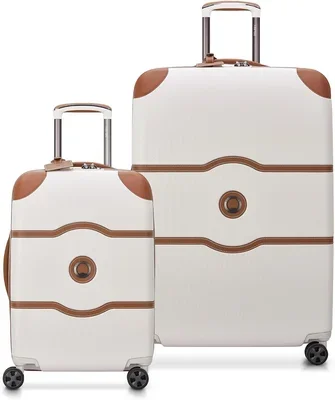
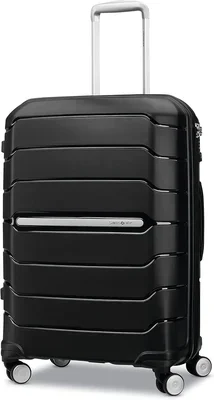
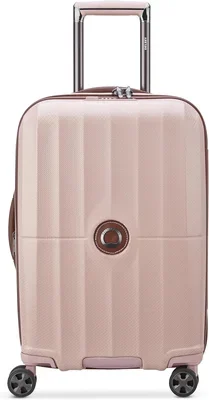
Traveling light used to mean sacrificing space, but the rise of convertible expandible under seat carry‑on luggage has changed the game for frequent flyers, weekend warriors, and business travelers alike. These bags slide neatly beneath the seat in front of you, yet they can unzip or unfold to reveal a surprising amount of packing volume when you need it. In this guide you will learn why the category matters, what technical specs actually mean for everyday use, and how to match a bag to your travel style without overspending. By the end you will feel confident picking a piece that fits your airline’s size limits, survives the rigors of overhead‑bin‑free travel, and still looks sharp at the gate.
The market has exploded in the last five years, with legacy luggage brands and direct‑to‑consumer startups both vying for the under‑seat niche. You will see everything from minimalist nylon sleeves that expand by a single zipper to hybrid rolling‑backpacks that convert into a briefcase in seconds. Prices range from under $60 for a basic soft‑shell to well over $400 for a premium polycarbonate‑reinforced model with built‑in USB charging and a lifetime warranty. Understanding the landscape before you buy saves you from the common trap of purchasing a bag that looks great online but fails the real‑world test of a 6 am security line or a cramped regional jet.

What to Look for When Buying Buying Guide
1. Airline Size Compliance
Every carrier publishes maximum dimensions for personal items that must fit under the seat. The most common limit is roughly 18 × 14 × 8 inches (45 × 35 × 20 cm), but low‑cost airlines can be stricter. When evaluating a convertible expandible under seat carry‑on luggage, check the manufacturer’s stated exterior dimensions in both the collapsed and expanded states. A bag that expands beyond the limit may still be usable if you keep it compressed for boarding, but you risk a gate‑check fee if the expansion is obvious. Look for models that clearly label “personal‑item compliant” and provide a measurement diagram.
2. Expansion Mechanism and Volume Gain
The heart of this category is the expansion system. Most designs use a zippered gusset that adds 2–4 inches of depth, while others employ a fold‑out panel or a rolling‑compartment that slides out. Volume gain is usually expressed in liters; a typical jump is from 18 L to 28 L. Ask yourself how often you truly need that extra space. If you only occasionally carry a bulky jacket or a pair of shoes, a modest 2‑inch zipper expansion may be enough and keeps the bag lighter. For travelers who regularly switch between a day‑trip load and a weekend wardrobe, a larger fold‑out panel offers more flexibility.
3. Build Materials and Durability
Materials dictate weight, water resistance, and longevity. Ballistic nylon (1680 D) and high‑tenacity polyester (1200 D) are the workhorses of soft‑shell bags, offering abrasion resistance and a degree of water repellency when treated with a DWR coating. Hard‑shell options use polycarbonate or a polycarbonate‑ABS blend; they protect fragile items better but add weight and can crack under extreme impact. Hybrid models combine a polycarbonate frame with nylon panels for a balance. Examine the stitching density (at least 8 stitches per inch), reinforced stress points at handles and wheel housings, and the quality of zippers — YKK or SBS branded zippers are a reliable indicator.
4. Wheel System and Maneuverability
Even though the bag lives under the seat, you will still roll it through terminals, over cobblestones, and across airport tram tracks. Spinner wheels (four 360° casters) give the smoothest multidirectional movement, while inline skate wheels (two fixed wheels) are more durable on rough surfaces and less prone to snagging. Look for sealed ball bearings, a wide wheel stance for stability, and a recessed wheel housing that protects the wheels when the bag is stacked. Some premium models feature a “dual‑wheel” design that combines the low profile of inline wheels with the swivel of spinners.
5. Handle Ergonomics and Telescoping Range
A telescoping handle should lock at multiple heights (typically three) to accommodate users from 5′2″ to 6′4″. The grip material matters: molded rubber or thermoplastic elastomer reduces hand fatigue during long walks. Test the handle’s wobble — excessive play indicates weak tubing or poor locking mechanisms. A top‑carry handle and a side‑carry handle are essential for lifting the bag into overhead bins or onto a luggage rack. Some convertible models add a padded shoulder strap that tucks away when not in use, turning the bag into a briefcase‑style carry.
6. Interior Organization and Accessibility
Smart interior layout can make packing and security screening painless. Look for a clamshell opening that lays flat, a dedicated padded laptop sleeve (usually 15.6″), and a separate tablet pocket. Mesh zippered dividers keep cables, toiletries, and documents visible. External quick‑access pockets for boarding passes, phone, and passport are invaluable at security. Some bags include a removable toiletry kit that meets TSA 3‑1‑1 rules, and a compression strap system to cinch down clothing when the bag is expanded.
7. Weight and Packability
Every ounce counts when you are trying to stay under a 7 kg (15 lb) personal‑item weight limit on budget airlines. Soft‑shell bags typically weigh 2.5–3.5 lb empty; hard‑shell hybrids can reach 4.5 lb. If you prioritize ultra‑light travel, choose a minimalist nylon model with a simple zipper expansion. If you need more structure and protection, accept a slightly heavier frame. Also consider how compact the bag becomes when fully collapsed — some models fold flat enough to slip into a larger suitcase for the return leg.
8. Warranty, Support, and Brand Reputation
A solid warranty signals confidence in construction. Many reputable brands offer a limited lifetime warranty covering defects in materials and workmanship, while others provide a 2‑ to 5‑year policy. Read the fine print: does it cover wheel replacement, zipper failure, or handle breakage? Check customer‑service responsiveness by scanning recent reviews for “warranty claim” experiences. Established brands like Travelpro, Briggs & Riley, and Samsonite have extensive service networks, but newer direct‑to‑consumer brands often match or exceed coverage with hassle‑free online claims.
Different Types of Convertible Expandible Under Seat Carry‑On Luggage

Common Buying Mistakes to Avoid
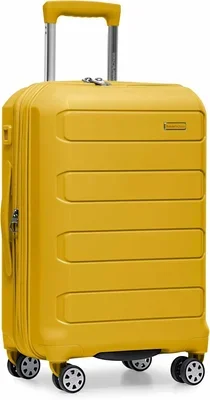
❌ Mistake: Ignoring the Expanded Dimensions
Why it’s bad: Many shoppers only check the collapsed size, assuming the bag will stay compressed. In reality, a fully expanded bag can exceed the airline’s personal‑item limit, leading to forced gate checks and fees.
What to do instead: Verify both collapsed and expanded measurements. Choose a model whose expanded depth still falls within the most restrictive airline you use, or commit to never expanding it on board.
❌ Mistake: Prioritizing Aesthetics Over Wheel Quality
Why it’s bad: A beautiful bag with cheap plastic wheels will jam on carpet, crack on curbs, and make terminal sprints miserable.
What to do instead: Test the wheel spin in‑store or watch video reviews focusing on wheel performance. Look for sealed bearings and a wide stance.
❌ Mistake: Overlooking Weight When Empty
Why it’s bad: A 5 lb empty bag leaves only 10 lb for your belongings on a 15 lb limit, forcing you to leave essentials behind.
What to do instead: Target an empty weight under 3.5 lb for soft‑shell, under 4.5 lb for hybrid. Check the spec sheet, not just the marketing photos.
❌ Mistake: Assuming All “Laptop Sleeves” Fit Your Device
Why it’s bad: Sleeve dimensions vary; a 15.6″ sleeve may be too tight for a 15.6″ MacBook Pro with a thick case.
What to do instead: Measure your laptop (including any case) and compare to the interior pocket dimensions listed by the manufacturer.
❌ Mistake: Skipping Warranty Registration
Why it’s bad: Some brands require online registration within 30 days to activate the lifetime warranty. Missing that window voids coverage.
What to do instead: Register immediately after purchase. Keep the receipt and a photo of the serial tag in your cloud storage.
❌ Mistake: Buying Without a Return Window Test
Why it’s bad: Fit, comfort, and organization can only be judged by packing the bag and walking around your home.
What to do instead: Purchase from retailers with a 30‑day no‑questions‑asked return policy. Pack a typical load, roll it on carpet and hardwood, and sit with it under a dining chair to simulate the seat space.
Budget Guidelines: How Much Should You Spend?
Entry‑Level ($60 – $110)
Expect a basic 1680 D polyester or 1200 D nylon shell, a single zipper expansion adding 2 inches, inline skate wheels, and a two‑stage telescoping handle. Organization is minimal — one main compartment, a front zip pocket, and a slip pocket for a tablet. Warranty is usually 1‑2 years. These bags are perfect for occasional leisure travelers who fly budget carriers a few times a year and want a lightweight, no‑frills option.
Mid‑Range ($110 – $220)
This sweet spot delivers ballistic nylon or a polycarbonate‑reinforced frame, spinner wheels with sealed bearings, a three‑stage handle with ergonomic grip, and a clamshell opening with a padded 15.6″ laptop sleeve, mesh dividers, and a removable toiletry kit. Expansion is typically a 3‑inch gusset or a fold‑out panel adding 8‑10 L. Most brands back these with a 5‑year or limited lifetime warranty. Business travelers and frequent flyers will find the best balance of durability, organization, and weight here.
Premium ($220 – $380)
Premium models feature hybrid construction (polycarbonate frame + ballistic nylon panels), dual‑wheel spinners, a magnetic or quick‑release handle system, and advanced interior layouts — dedicated shoe compartment, RFID‑blocking pocket, and a built‑in USB pass‑through with a power‑bank sleeve. Expansion can be a full‑depth fold‑out adding up to 12 L. Warranty is often a true lifetime guarantee with free wheel and handle replacements. Ideal for road warriors who log 50+ flights per year and need a bag that survives heavy use while looking professional.
Luxury ($380+)
At this tier you get smart‑luggage integration: GPS tracking, digital scale, removable battery compliant with IATA regulations, and app‑controlled lock. Materials may include Tegris® composite or carbon‑fiber‑reinforced shells. Craftsmanship details like hand‑stitched leather accents, silent‑run Hinomoto wheels, and a modular interior system that can be reconfigured for camera gear, drones, or suits. These are for travelers who view luggage as a long‑term investment and want every conceivable convenience.

Expert Tips for Getting the Best Deal
- Shop Off‑Season: Major sales occur in January (post‑holiday clearance), May (pre‑summer travel), and September (back‑to‑school). Black Friday and Cyber Monday also bring deep discounts on previous‑year models.
- Sign Up for Brand Newsletters: Most direct‑to‑consumer luggage brands offer a 10‑15 % first‑purchase coupon and early‑access to flash sales.
- Use Price‑Tracking Tools: Extensions like Honey, CamelCamelCamel, or Keepa alert you when a specific SKU drops below your target price.
- Check Refurbished or Open‑Box Sections: Retailers such as REI, Backcountry, and the brands’ own outlet stores sell returned bags with full warranties at 20‑30 % off.
- Leverage Credit‑Card Travel Perks: Many premium cards provide statement credits for luggage purchases or complimentary baggage insurance that covers damage.
- Test In‑Store Before Buying Online: Even if you plan to order online, visit a brick‑and‑mortar store to feel the handle, spin the wheels, and gauge the expansion mechanism.
- Read the Return Policy Fine Print: Some “free returns” only apply if the bag is unused and tags are attached. Pack a test load and keep the original packaging until you’re sure.
- Consider a Bundle: Brands often sell a matching packing‑cube set, toiletry kit, or laptop sleeve at a discount when purchased with the bag.

Frequently Asked Questions
Q: What does “convertible expandible under seat carry‑on luggage” actually mean?
A: It describes a personal‑item‑sized bag that can increase its packing volume via a zipper gusset, fold‑out panel, or sliding compartment, and often offers multiple carry modes (roller, backpack, briefcase). The “convertible” part refers to the ability to change form factor, while “expandible” highlights the volume boost.
Q: Will an expanded bag still fit under the seat on a regional jet?
A: Only if the expanded dimensions stay within the airline’s published personal‑item limits for that aircraft. Many regional jets have tighter clearances (as low as 16 × 12 × 6 in). Always measure the expanded depth and compare it to the seat map for your specific flight.
Q: Are spinner wheels worth the extra weight over inline wheels?
A: For most travelers, yes. Spinners reduce wrist strain and allow 360° movement in tight aisles. Inline wheels are more durable on rough pavement and slightly lighter, but they require tilting the bag to change direction.
Q: Can I bring a power bank in the bag’s built‑in USB port through security?
A: Yes, provided the power bank is removable and complies with the 100 Wh (or 160 Wh with airline approval) limit. The USB port is just a pass‑through; the battery must be taken out for screening if asked.
Q: How do I clean a ballistic nylon bag after a spill?
A: Spot‑clean with a mild detergent and a soft brush. Avoid machine washing unless the care label explicitly permits it. For hard‑shell models, wipe with a damp microfiber cloth and a non‑abrasive cleaner.
Q: What is the difference between a “lifetime warranty” and a “limited lifetime warranty”?
A: A true lifetime warranty covers defects for the life of the product with no time cap, often including free repairs. A limited lifetime warranty may exclude certain components (wheels, handles) after a set period or require the original proof of purchase.
Q: Should I buy a bag with a built‑in lock or add my own TSA lock?
A: Integrated locks are convenient and can’t be lost, but they may be harder to replace if broken. A separate TSA‑approved lock gives you flexibility and can be used on other bags. Many mid‑range models include a lock; premium models often integrate a combination lock into the zipper pulls.
Q: How do I know if a bag’s laptop sleeve fits my 16‑inch MacBook Pro?
A: Check the sleeve’s internal dimensions (usually listed as width × height × depth). A 16‑inch MacBook Pro measures roughly 14.01 × 9.77 × 0.66 in. Add any case thickness, then ensure the sleeve exceeds those numbers by at least 0.25 in on each side.
Q: Are there any convertible bags that meet the new FAA “personal item” size for basic economy fares?
A: Yes. Several brands now market “basic‑economy compliant” models with collapsed dimensions of 17 × 13 × 7 in and an expansion that stays under 18 × 14 × 8 in. Look for the phrase “basic economy ready” in the product description.
Q: What’s the best way to pack a convertible bag for a weekend trip?
A: Use packing cubes for clothing, place shoes in a dedicated shoe bag at the bottom, roll the cubes tightly, then zip the expansion gusset only if you need the extra volume. Keep electronics and liquids in the external quick‑access pockets for security speed.
Our Final Recommendations
- Best for Budget‑Conscious Buyers: Amazon Basics Convertible Underseat Carry‑On – 1680 D polyester, 2‑inch zipper expansion, inline wheels, 2‑year warranty. Priced around $70, it meets most personal‑item limits and weighs just 2.8 lb.
- Best Overall Value: Travelpro Maxlite 5 Expandable Underseat – Ballistic nylon, 3‑inch gusset, spinner wheels, three‑stage handle, padded 15.6″ laptop sleeve, 5‑year warranty. Typically $130‑$150.
- Best Premium Option: Briggs & Riley Baseline Domestic Carry‑On Expandable – Hybrid polycarbonate frame, dual‑wheel spinners, CX expansion system (+12 L), lifetime warranty with free repairs. Around $350.
- Best for Beginners: Samsonite Freeform Underseat Spinner – Simple clamshell opening, intuitive expansion zipper, lightweight 3.2 lb, 10‑year limited warranty. Easy to use right out of the box.
- Best for Advanced Users: Peak Design Travel Backpack 30L (Underseat Config) – Convertible backpack/roller, modular FlexFold dividers, weatherproof 400 D nylon, lifetime guarantee. Ideal for photographers and digital nomads who need gear‑specific organization.
Conclusion: Making the Right Choice
Choosing the right convertible expandible under seat carry‑on luggage comes down to matching three core variables — airline size compliance, expansion needs, and carry comfort — to your travel rhythm. Start by measuring the strictest under‑seat space you encounter, then decide how much extra volume you truly use on a typical trip. From there, weigh material durability against weight, test wheel and handle ergonomics, and verify that the interior layout protects your tech and keeps essentials accessible. A well‑chosen bag becomes an invisible travel partner: it slides under the seat, expands when you need a change of clothes, and rolls silently beside you through every terminal. Armed with the factors, types, budget tiers, and expert tips in this guide, you can shop with confidence and avoid the costly mistakes that turn a promising purchase into a regret. Happy travels, and may your next flight be smooth, organized, and perfectly packed.