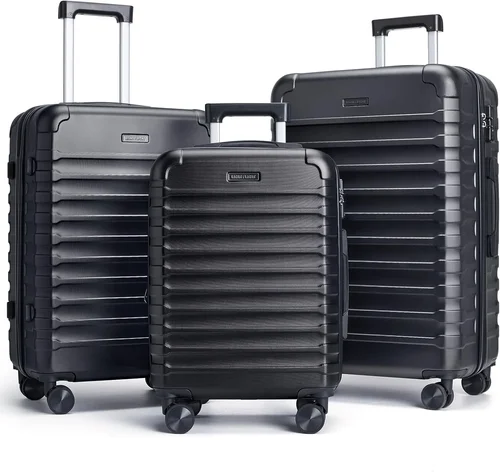
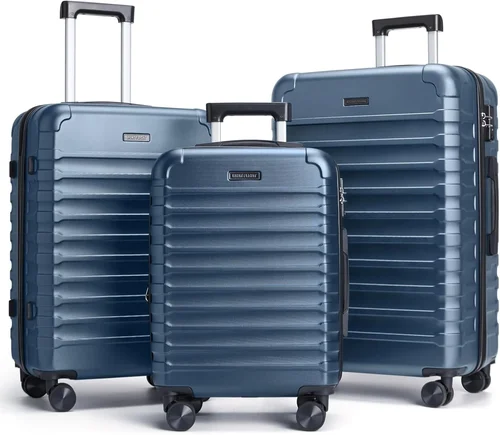
When it comes to professional travel and daily commutes, your work briefcase is more than just a bag—it’s a mobile office, a statement of professionalism, and a trusted companion through boardrooms, airports, and coffee shops. Whether you’re a lawyer heading to court, a consultant flying cross-country, or a remote worker navigating hybrid schedules, the right expandable work brief can make all the difference in efficiency, comfort, and confidence. With so many options on the market—ranging from sleek minimalist designs to heavy-duty carryalls—it’s easy to feel overwhelmed. That’s where this guide comes in.
In this comprehensive buying guide, we’ll walk you through everything you need to know to choose the perfect expandable work brief for your lifestyle. You’ll learn how to evaluate key factors like build quality, expandability, organization features, and portability. We’ll compare different types of work briefs, highlight common pitfalls to avoid, and offer expert-backed recommendations based on real-world use. Whether you’re shopping for your first professional briefcase or upgrading from an aging model, this guide will arm you with the knowledge to make a smart, informed decision. By the end, you’ll know exactly what to look for—and what to skip—so you can invest in a brief that grows with your career.
The market for work luggage has evolved significantly over the past decade. Gone are the days when a leather attaché was the only acceptable option for business travel. Today’s professionals demand versatility: bags that can expand for extra documents, accommodate laptops and tablets, offer quick-access pockets, and withstand the rigors of daily use. Brands like Briggs & Riley, TUMI, Samsonite, and Knomad have responded with innovative designs that blend form, function, and durability. Yet, with innovation comes complexity—more features mean more decisions. This guide cuts through the noise, focusing on practicality, longevity, and value. Whether you prioritize sleek aesthetics, rugged construction, or modular organization, we’ve got you covered.
What to Look for When Buying Buying Guide
1. Budget & Price Range
Your budget is often the first filter in the buying process, but it shouldn’t be the only one. Work briefs vary widely in price, from under $100 for entry-level models to over $500 for premium brands like Briggs & Riley. While it’s tempting to go for the cheapest option, remember that a work brief is a long-term investment. A $150 bag that falls apart after a year ends up costing more than a $300 model that lasts five. That said, you don’t need to break the bank to get quality. Mid-range options ($200–$350) often offer the best balance of durability, features, and design. Set a realistic budget based on how often you’ll use the bag and how long you expect it to last. If you travel weekly or carry sensitive equipment, leaning toward a higher price tier makes sense. For occasional use, a well-made mid-tier brief may suffice.
2. Build Quality & Durability
Durability is non-negotiable for work luggage. You need a brief that can handle daily wear and tear—being tossed into overhead bins, dragged across airport floors, and stuffed with files, chargers, and lunch. Look for materials like ballistic nylon, Cordura, or high-grade polyester, which resist abrasion and tearing. Stitching should be reinforced, especially at stress points like handles and zippers. Zippers themselves are a critical component: YKK or Riri zippers are industry standards for reliability. Avoid plastic zippers, which can snap under pressure. Hardware should be metal, not plastic, and securely attached. Pay attention to the base of the bag—reinforced bottom panels prevent sagging and protect contents. A good test is to lift the bag by its handle when fully loaded; if it strains or the stitching pulls, it’s not built to last.
3. Expandability & Capacity
Expandability is the defining feature of an expandable work brief, and it’s what sets it apart from standard briefcases. This feature allows you to increase the bag’s volume—typically by 20–30%—by unzipping a secondary compartment or releasing a gusset. This is invaluable when you need to carry extra documents, a change of clothes, or presentation materials without switching bags. When evaluating expandability, check how seamless the transition is. Does the expansion zipper lie flat when not in use? Does the bag maintain its shape when expanded? Also consider internal capacity: measure your essentials (laptop, tablet, notebook, water bottle) and ensure the bag can accommodate them comfortably. A 17-inch laptop should fit snugly in a dedicated sleeve, and there should be room for A4 folders without bulging. Overpacking defeats the purpose of a professional brief.
4. Organization & Compartmentalization
A well-organized briefcase saves time and reduces stress. Look for multiple interior and exterior pockets designed for specific items: a padded laptop compartment, a tablet sleeve, pen loops, card slots, a key leash, and a quick-access pocket for your phone or passport. Some models include removable organizers or modular inserts, which let you customize the layout. Consider how you use your bag: do you need a dedicated spot for a water bottle? A hidden pocket for cash or cards? A file divider to keep documents neat? The best briefs strike a balance—enough pockets to stay organized, but not so many that they become cluttered. Avoid bags with flimsy mesh pockets that tear easily. Instead, opt for structured compartments with secure closures. A good rule of thumb: if you can’t find your charger in under 10 seconds, the bag isn’t organized well enough.
5. Comfort & Portability
Even the most stylish briefcase is useless if it’s uncomfortable to carry. Weight distribution, handle design, and strap options all impact comfort. Top handles should be padded and wide enough to grip comfortably, even when the bag is full. If you plan to carry the brief over your shoulder, look for an adjustable, padded shoulder strap with a non-slip grip. Some models include a trolley sleeve—a pass-through on the back that lets you slide the brief over a rolling suitcase handle. This is a game-changer for airport travel. Consider the bag’s weight when empty: a lightweight design (under 3 lbs) reduces fatigue, especially during long commutes. Also think about how you’ll carry it: do you prefer a briefcase style, a backpack hybrid, or a convertible design? Test the bag’s balance by loading it with typical items and walking around. If it swings or digs into your shoulder, it’s not the right fit.
6. Brand Reputation & Design Philosophy
Not all brands are created equal. Some prioritize aesthetics, others focus on functionality, and a few excel at both. Briggs & Riley, for example, is renowned for its lifetime guarantee and no-questions-asked repair policy—a testament to its confidence in product durability. TUMI emphasizes sleek, modern designs with high-tech materials. Samsonite offers reliable performance at competitive prices. Research brand values: do they stand behind their products? Are they responsive to customer service inquiries? Read user reviews to see how bags perform in real-world conditions. A brand with a strong reputation often invests more in quality control and innovation. That said, don’t assume premium brands are always better. Some lesser-known labels offer excellent value with comparable features. Focus on brands that align with your priorities—whether that’s ruggedness, style, or customer support.
7. Warranty & Support
A strong warranty is a sign of a manufacturer’s confidence in its product. Look for brands that offer at least a 5-year warranty, with coverage for defects in materials and workmanship. Briggs & Riley’s “Simple as That” lifetime guarantee is one of the best in the industry—it covers repairs for any reason, even damage from airline handling. Other brands may offer limited warranties that exclude normal wear and tear. Read the fine print: does the warranty require registration? Is it transferable? Can you get repairs locally, or must you ship the bag back? Customer support matters too. Can you reach a human quickly? Are replacement parts available? A good warranty isn’t just about fixing problems—it’s about peace of mind. If a brand won’t stand behind its product, why should you?
8. Aesthetics & Professional Appearance
Your briefcase is part of your professional image. It should reflect your personal style while maintaining a polished, business-appropriate look. Classic colors like black, navy, and charcoal are versatile and timeless. Avoid loud patterns or overly casual designs unless your workplace is more relaxed. Consider the finish: matte textures hide scuffs better than glossy ones. Pay attention to details like logo placement—some professionals prefer subtle branding, while others don’t mind a visible emblem. The shape matters too: a structured briefcase conveys authority, while a soft-sided bag may feel more approachable. Think about where you’ll use the bag—client meetings, courtrooms, or creative agencies—and choose a design that fits the environment. Remember, a briefcase that looks good now should still look good in five years.
Different Types of Buying Guide
Common Buying Mistakes to Avoid

❌ Mistake: Prioritizing Style Over Function
Why it’s bad: A sleek, minimalist brief may look great in photos, but if it lacks padding, organization, or expandability, it will frustrate you daily. Style matters, but functionality keeps you productive.
What to do instead: Choose a bag that balances aesthetics with practical features. Look for clean lines and professional colors, but ensure it has a padded laptop sleeve, multiple pockets, and durable construction.
❌ Mistake: Ignoring Weight and Ergonomics
Why it’s bad: A heavy or poorly balanced brief can cause shoulder pain, especially during long commutes or travel. Comfort is essential for daily use.
What to do instead: Test the bag’s weight when empty and loaded. Choose models with padded handles, ergonomic straps, and a trolley sleeve for rolling luggage compatibility.
❌ Mistake: Overlooking Warranty and Repair Options
Why it’s bad: A briefcase is a long-term investment. Without a solid warranty, you risk paying for repairs or replacements out of pocket.
What to do instead: Prioritize brands with strong warranties and accessible customer service. Briggs & Riley’s lifetime guarantee is a gold standard in the industry.
❌ Mistake: Buying Based on Brand Name Alone
Why it’s bad: Just because a brand is popular doesn’t mean it’s the best fit for your needs. Some premium brands charge for logos, not quality.
What to do instead: Research specific models, read user reviews, and compare features. Sometimes a lesser-known brand offers better value with similar durability and design.
❌ Mistake: Neglecting Expandability Needs
Why it’s bad: If you occasionally need extra space but buy a non-expandable brief, you’ll either overstuff it or carry a second bag.
What to do instead: Assess your typical load and occasional needs. If you travel weekly or carry presentations, an expandable brief is worth the investment.
❌ Mistake: Skipping the Test Drive
Why it’s bad: You can’t judge comfort, balance, or ease of use from photos or specs alone. A bag that looks perfect online may feel awkward in real life.
What to do instead: Visit a store to handle the bag, or order from a retailer with a generous return policy. Load it with your gear and walk around to test it.
❌ Mistake: Forgetting About Maintenance
Why it’s bad: Even the best briefcase will degrade over time if not cared for. Dirt, moisture, and improper storage can shorten its lifespan.
What to do instead: Clean your brief regularly with a damp cloth and mild soap. Store it in a cool, dry place, and avoid overloading it. Use protective sprays for leather or fabric if recommended.
Budget Guidelines: How Much Should You Spend?
Choosing the right price tier depends on your usage, priorities, and long-term goals. Here’s a breakdown of what to expect at different budget levels:
- Entry-Level ($100–$200): These briefs are ideal for occasional use or students entering the workforce. Expect basic materials like polyester or faux leather, minimal padding, and limited organization. Zippers and hardware may be plastic. While functional, they’re less durable and may need replacement within 1–2 years. Look for brands like American Tourister or Kenneth Cole for decent entry options.
- Mid-Range ($200–$350): This is the sweet spot for most professionals. You’ll find better materials (ballistic nylon, reinforced stitching), padded laptop compartments, and thoughtful organization. Expandable models are common here, and warranties typically range from 3–5 years. Brands like Samsonite, Knomad, and some Briggs & Riley lines fall into this category. These bags offer excellent value and can last 3–5 years with proper care.
- Premium ($350–$500): Designed for frequent travelers and professionals who demand the best, premium briefs feature top-tier materials, advanced organization, and superior craftsmanship. Expect metal zippers, leather accents, and ergonomic designs. Expandability is seamless, and warranties are often lifetime. Briggs & Riley and TUMI dominate this space. These bags are built to last a decade or more.
- Luxury ($500+): At this level, you’re paying for exclusivity, heritage, and design prestige. Materials may include full-grain leather, titanium hardware, or custom finishes. While beautiful, these bags may sacrifice some functionality for aesthetics. They’re best for those who value status and craftsmanship over pure utility. Consider this tier only if budget is no concern and you appreciate fine details.

Expert Tips for Getting the Best Deal
Getting the best value doesn’t mean buying the cheapest option—it means maximizing quality, features, and longevity within your budget. Here are proven strategies to help you save and shop smarter:
- Shop During Sales Cycles: Major retailers like Nordstrom, REI, and Amazon offer significant discounts during Black Friday, end-of-season sales, and back-to-school periods. Sign up for brand newsletters to get early access to promotions.
- Buy Direct from the Manufacturer: Brands like Briggs & Riley often have exclusive models or bundle deals on their websites. You may also get free shipping or extended warranties.
- Check Outlet Stores and Overstock Retailers: Stores like TJ Maxx, Marshalls, or online outlets sometimes carry last-season models at steep discounts. Just verify the warranty still applies.
- Read Return Policies Carefully: Even the best-reviewed bag might not suit your needs. Choose retailers with at least a 30-day return window and free return shipping. This lets you test the bag risk-free.
- Look for Refurbished or Open-Box Deals: Some brands sell certified refurbished bags at 20–30% off. These are inspected, cleaned, and often come with the same warranty as new models.
- Test Before You Buy: If possible, visit a store to handle the bag. Check the zipper action, handle comfort, and how it feels when lifted. Online, watch unboxing videos to see the bag in action.
- Consider Long-Term Value: A $300 bag that lasts five years is cheaper than a $150 bag that needs replacing every 18 months. Factor in warranty, repair options, and resale value.
- Use Price Tracking Tools: Apps like Honey or CamelCamelCamel can alert you when prices drop on specific models. Set alerts for your top choices and buy when the price hits your target.

Frequently Asked Questions
Q: What size laptop can fit in an expandable work brief?
A: Most expandable work briefs accommodate laptops up to 17 inches, but always check the internal dimensions. A dedicated padded sleeve should measure at least 16″ x 11″ for a 17″ laptop. Smaller briefs may only fit 15″ models. Measure your device and compare it to the manufacturer’s specs.
Q: Is an expandable briefcase worth the extra cost?
A: Yes, if you occasionally need extra space. The ability to expand by 20–30% makes it ideal for travel, presentations, or carrying extra gear. If you only carry a laptop and notebook daily, a standard brief may suffice. But for hybrid workers and travelers, expandability adds significant versatility.
Q: How do I clean and maintain my work brief?
A: For fabric briefs, use a soft cloth and mild soap. Avoid harsh chemicals. For leather, use a leather cleaner and conditioner every few months. Store the bag in a dust bag when not in use, and avoid exposing it to extreme heat or moisture. Regular maintenance extends its lifespan.
Q: Can I bring an expandable brief on a plane?
A: Yes, most expandable briefs meet carry-on size requirements (typically under 22″ x 14″ x 9″). However, when expanded, they may exceed limits. Check airline regulations and consider compressing the bag before boarding. A trolley sleeve helps when using rolling luggage.
Q: What’s the difference between a briefcase and a messenger bag?
A: A briefcase has a rigid structure, top handles, and often a lockable clasp—ideal for formal settings. A messenger bag is softer, worn over one shoulder, and better for casual or creative environments. Briefcases offer better organization; messenger bags prioritize quick access.
Q: How long should a good work brief last?
A: With proper care, a quality brief should last 5–10 years. Premium brands like Briggs & Riley often exceed this with their lifetime guarantees. Signs it’s time to replace: broken zippers, torn handles, or sagging structure.
Q: Are leather briefs better than fabric?
A: Leather offers a classic, professional look and ages beautifully, but it’s heavier and requires more maintenance. Fabric (like ballistic nylon) is lighter, more durable, and easier to clean. Choose based on your style and usage—leather for formal settings, fabric for travel.
Q: Can I use a work brief as a daily commuter bag?
A: Absolutely. Many expandable briefs are designed for daily use, with padded straps, water-resistant materials, and ample organization. Just ensure it’s comfortable to carry and fits your typical load.
Q: What should I do if my brief gets damaged during travel?
A: Contact the manufacturer immediately. Brands with strong warranties, like Briggs & Riley, will repair or replace bags damaged by airline handling—no questions asked. Keep your receipt and take photos of the damage as proof.
Q: Is a rolling briefcase better than a carry-on brief?
A: Rolling briefs eliminate shoulder strain and are great for heavy loads or long walks through airports. However, they’re bulkier and harder to carry up stairs. Choose based on your travel style: rolling for frequent flyers, carry-on for urban commuters.
Our Final Recommendations
After evaluating dozens of models across price ranges and use cases, here are our top picks based on real-world performance, durability, and value:
- Best for Budget-Conscious Buyers: Samsonite Classic Business Expandable Brief – At under $200, this bag offers solid construction, a padded laptop sleeve, and reliable expandability. It’s a great entry point for professionals seeking quality without the premium price.
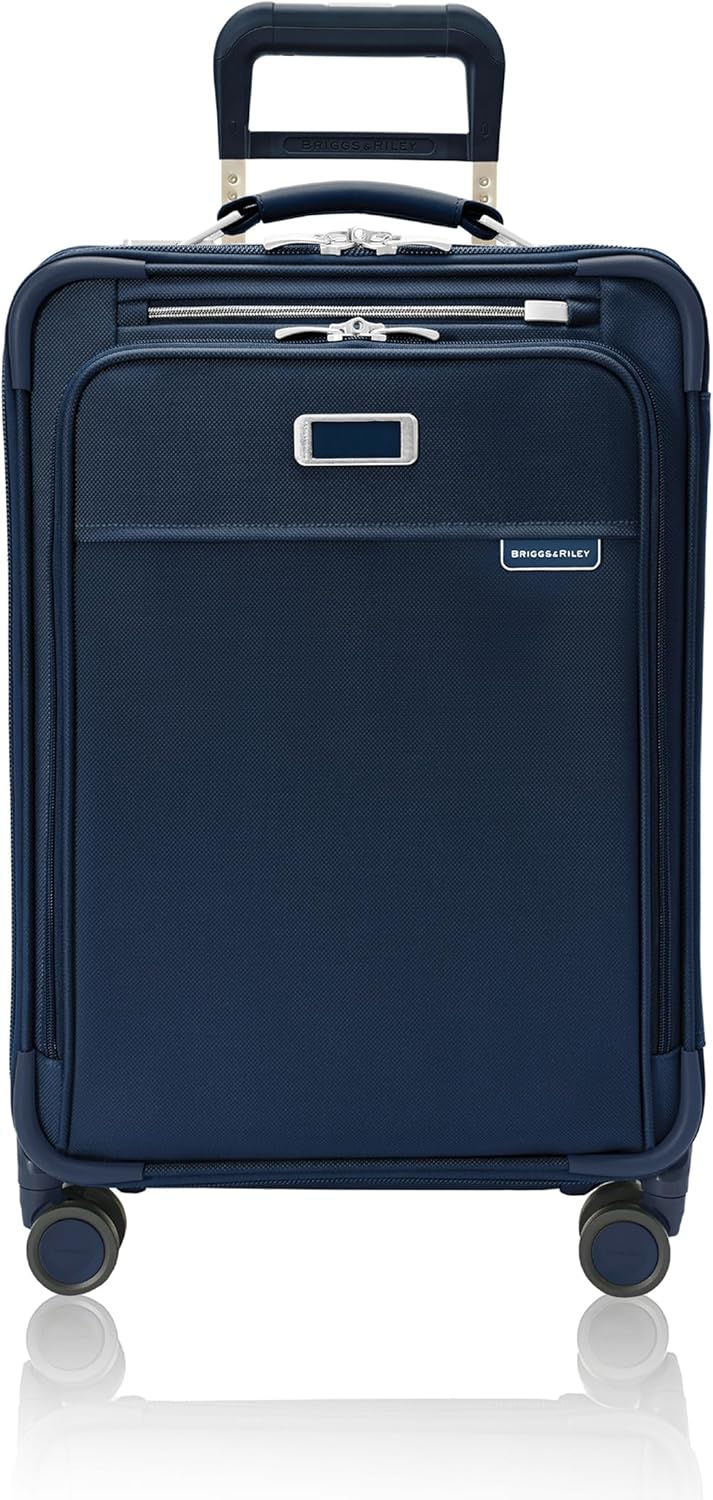
- Best Overall Value: Briggs & Riley Work Large Expandable Brief – This is the gold standard for expandable work luggage. With a lifetime guarantee, YKK zippers, ballistic nylon construction, and intelligent organization, it’s built to last a decade. The expandable gusset adds 30% more space, and the trolley sleeve makes travel seamless. Worth every penny for frequent travelers.
- Best Premium Option: TUMI Alpha 3 Expandable Briefcase – Sleek, modern, and packed with tech-friendly features, this brief excels in style and functionality. Ideal for executives and frequent flyers who want a high-end look with top-tier performance.
- Best for Beginners: Knomad Pro Expandable Laptop Brief – Affordable, well-organized, and stylish, this bag is perfect for new professionals. It includes a detachable shoulder strap, water-resistant fabric, and a clean design that transitions from office to travel.
- Best for Advanced Users: Briggs & Riley @Work Large Expandable Brief with RFID Protection – For tech-savvy professionals, this model adds RFID-blocking pockets, a built-in USB port, and enhanced security features. It’s the ultimate tool for the modern mobile worker.
Conclusion: Making the Right Choice
Choosing the right expandable work brief isn’t just about picking a bag—it’s about investing in a tool that supports your career, enhances your productivity, and reflects your professionalism. Throughout this guide, we’ve covered the essential factors: budget, durability, expandability, organization, comfort, brand reputation, warranty, and aesthetics. We’ve compared different types, highlighted common mistakes, and offered actionable tips to help you shop smarter. Whether you’re a daily commuter, a frequent flyer, or a hybrid worker, there’s a brief out there that fits your lifestyle perfectly.
The key is to prioritize your needs. Don’t let trends or brand names dictate your decision. Instead, focus on how you’ll use the bag, what you’ll carry, and how long you expect it to last. A well-chosen briefcase becomes more than an accessory—it becomes a reliable partner in your professional journey. Take your time, do your research, and don’t rush the decision. And remember: the best briefcase isn’t the most expensive one—it’s the one that works hardest for you.
Now that you’re equipped with expert knowledge, it’s time to make your choice. Browse our recommendations, compare models, and trust your instincts. Your ideal work brief is out there—ready to carry your ambitions, one trip at a time.